ResQRinse is the nasal irrigation squeeze bottle that eliminates head-tilting and awkward neck positions. Using proprietary Nasal Lock™ technology, it delivers a comfortable, gag-free sinus cleanse — no more saline dripping down your throat.

Relief From Fall Sneezes
Now sold on Walmart.com. Free shipping on orders $30+. Try ResQRinse today with your everyday purchases.
Shop at WalmartWhy ResQRinse?
Nasal rinsing helps relieve congestion from colds, allergies, sinusitis, hay fever, and environmental pollutants. ResQRinse makes it comfortable enough to become a daily habit.
Nasal Lock™ Technology
Isolates sinuses from the throat using natural choanal occlusion — like inflating a balloon — so saline stays where it belongs.
Learn more →
Drug-Free Relief
Uses premixed saline packets with distilled water. No medications, no preservatives — just a natural cleanse for your nasal passages.
How to rinse →
For Kids Too
ResQRinse for Kids features a comfort nasal tip right-sized for smaller nostril openings, making rinsing gentle and easy for children.
Shop kids' version →
Breath-Controlled Flow
You control the saline flow with your own breath pressure — high volume, low pressure irrigation that's comfortable and effective.
Watch how-to videos →
Better Compliance
Designed to overcome the gagging and discomfort that cause people to abandon traditional neti pots and nasal rinse systems.
Our story →
Complete Kits Available
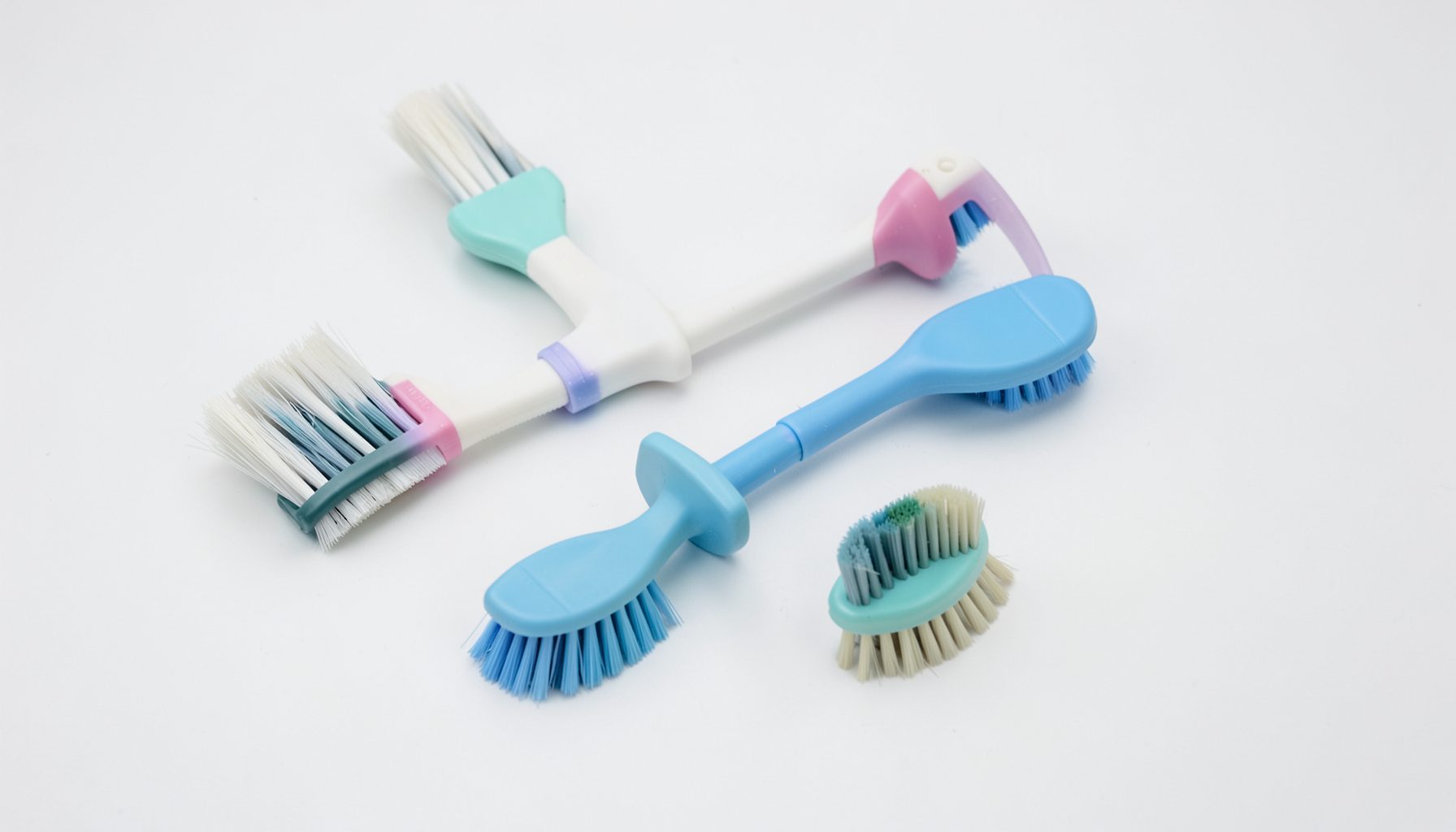
From the basic ResQRinse Nasal Rinse System ($19.99) to 90-day complete kits, saline packets, cleaning brushes, and Sinoptim Nasal Mist.
Browse all products →Get Started with ResQRinse
Ready to experience a better nasal rinse? Fill out the form below and we'll help you find the right product — or follow the simple steps to begin rinsing today.
Request More Information
How to Use ResQRinse
Fill the Bottle
Fill the ResQRinse squeeze bottle with distilled or previously boiled water and add one premixed saline packet.
Position the Tip
Place the comfort tip gently against one nostril. No head-tilting or awkward neck angles needed.
Squeeze & Breathe
Squeeze the bottle gently while breathing through your mouth. Nasal Lock™ keeps saline in your nasal passages and out of your throat.
Repeat & Clean
Switch nostrils and repeat. After use, rinse the bottle and let it air dry. Use ResQRinse Premium Cleaning Brushes for thorough cleaning.
Sinus Rinse Strategies for Office Workers in Dry Buildings
Long hours in an air-conditioned or heated office can leave the nose feeling tight, irritated, and congested. Low indoor humidity dries the nasal lining, while dust, cleaning chemicals, carpeting, and shared ventilation may add further irritation. For people who spend most of the workday indoors, these conditions can make seasonal allergies and recurring sinus symptoms feel harder to manage.
A saline nasal rinse can help wash away airborne particles and excess mucus while adding moisture to the nasal passages. Used correctly, it may become a practical part of a morning or evening routine, especially when congestion, postnasal drip, or nasal dryness follows a predictable office schedule.
The goal is gentle, consistent nasal care rather than forceful flushing. A comfortable squeeze-bottle system, correctly mixed saline, and safe water handling can make the process easier to use at home before or after work.
Why Dry Offices Affect Nasal Comfort
Heating and cooling systems often reduce relative humidity, particularly in large office buildings with sealed windows and constant air circulation. Dry air can cause the mucus inside the nose to become thicker, making normal clearance more difficult. The result may be a blocked nose, crusting, mild burning, or the sensation that breathing takes extra effort.
Office air can carry additional irritants. Dust, paper fibers, fragrances, aerosolized cleaning products, and particles from carpets may aggravate sensitive nasal tissue. Employees with allergies may notice sneezing and watery discharge, while others experience dryness and congestion without a clear allergic reaction.
A saline rinse helps mechanically remove mucus and irritants from the nasal passages. It does not cure the underlying cause of chronic sinus disease, and it should not replace medical care for persistent or severe symptoms. However, regular rinsing may support nasal comfort when environmental exposure is the main trigger.
Signs Your Nasal Passages Need Moisture
Dryness often appears gradually. You may wake with a blocked nose after sleeping in heated air, develop a scratchy sensation by midafternoon, or notice thick mucus after several hours near a vent. Small nosebleeds, frequent throat clearing, and alternating congestion between nostrils can also occur when nasal tissue is irritated.
A rinse may be especially useful after commuting through pollution or spending the day in a dusty workspace. Rinsing in the evening can clear particles before bedtime, while a morning routine may help loosen mucus that accumulated overnight. Some people prefer using saline after returning home, when they can rinse calmly and allow time for drainage.
Keep an eye on patterns rather than relying on a single uncomfortable day. If symptoms continue for weeks, repeatedly disturb sleep, or include facial swelling, high fever, severe pain, or vision changes, speak with a healthcare professional. Frequent nosebleeds or symptoms affecting only one side also deserve medical attention.
For a clearer demonstration of technique and setup, the rinse video guides can help new users understand how a nasal irrigation system should be positioned and operated.
How A Saline Rinse Supports Office-Day Relief
Saline solution works through gentle irrigation. As the solution passes through one nostril and exits through the other, it can loosen thick mucus and carry away small particles. Isotonic saline is formulated to be close to the body’s natural salt concentration, which may feel more comfortable for routine use than plain water.
A squeeze bottle gives the user control over the flow and pressure. ResQRinse systems include Nasal Lock technology designed to help create a comfortable seal around the nostril, which can reduce leakage during use. The bottle should be squeezed gently; stronger pressure is not a sign of better cleansing and may increase discomfort.
Timing matters for office workers. Use a rinse when you have access to a clean sink and a few unhurried minutes. Avoid irrigating immediately before lying down, since a small amount of solution may remain in the nasal passages. Blowing the nose gently afterward can remove residual fluid without placing unnecessary pressure on irritated tissue.
| Office-related concern | How saline irrigation may help | Practical timing |
|---|---|---|
| Dry, tight nasal passages | Adds moisture and loosens crusted mucus | Before work or after returning home |
| Dust and airborne particles | Washes irritants from the nasal lining | After exposure |
| Thick mucus and postnasal drip | Helps thin and clear accumulated mucus | Evening routine |
| Seasonal allergy symptoms | Removes some pollen and allergens | After outdoor exposure |
| Congestion from indoor air | Supports nasal drainage and easier breathing | Morning or evening |
Safe Rinsing Habits Matter
Water safety is essential. Use distilled or sterile water, or tap water that has been boiled and cooled according to public health guidance. Do not use untreated water directly from the faucet for nasal irrigation. The saline packet should be mixed according to the product instructions, since an overly concentrated or weak solution may sting.
Wash your hands before preparing the rinse. Clean the bottle after every use and allow it to dry fully in an open, clean area. A cleaning brush can help reach interior surfaces, but the brush itself should also be rinsed and dried. Replace the bottle or components when they show wear, cloudiness, cracks, or persistent residue.
Never share a nasal irrigation bottle, even with a family member. If the solution causes strong burning, ear pressure, or worsening pain, stop and reassess the technique, water, and salt mixture. People with recent nasal surgery, frequent ear infections, or particular medical conditions should ask a clinician whether irrigation is appropriate.
Choosing A System For A Busy Routine
Convenience can determine whether nasal care becomes a habit. A squeeze bottle is usually easy to store and quick to prepare at home, while premeasured saline packets reduce guesswork during busy mornings. A complete kit may be useful for someone starting from scratch because it can combine the bottle, packets, and cleaning accessories in one purchase.
Adults with sensitive nasal passages may prefer a design focused on a gentle seal and controlled flow. Children need an age-appropriate system and supervision from an adult. Nasal mist can offer light moisture during the day, although a mist does not provide the same flushing action as a full-volume irrigation rinse.
Review the available nasal rinse products to compare complete kits, saline packets, children’s options, cleaning brushes, and nasal mist. Consider where you will use the system, how often you expect to rinse, and whether storage and cleaning will be straightforward in your routine.
A good office-worker setup usually stays at home rather than at a shared workplace sink. Use it before leaving for work or after coming home, then keep the bottle clean and dry. This approach avoids rushed preparation and reduces the chance of leaving equipment exposed to contamination.
Building A Consistent Nasal Care Routine
Start with one rinse at a predictable time, such as after your evening shower. Warm humidity from the shower may soften mucus, while a calm setting makes it easier to focus on posture and gentle breathing. Once the process feels familiar, some people choose to rinse after particularly dusty days or during seasonal allergy peaks.
Tilt forward over the sink and keep the mouth open to breathe. Follow the system’s instructions for placing the nozzle and use a light, steady squeeze. Let the solution drain naturally, then clear the nose gently. Do not forcefully sniff the solution backward or blow hard immediately afterward.
Environmental adjustments can support the rinse routine. Keep indoor humidity within a comfortable range with a properly maintained humidifier, avoid sitting directly beneath an air vent, drink water regularly, and limit exposure to strong fragrances. Humidity monitors can show whether a room is genuinely dry rather than relying on how the air feels.
Recommendations For Healthier Office-Day Breathing
- Use sterile, distilled, or properly boiled and cooled water for every nasal rinse.
- Choose premeasured saline packets to maintain a comfortable solution strength.
- Rinse after dusty commutes, heavy pollen exposure, or a full day in dry indoor air.
- Clean, air-dry, and inspect the bottle after each use.
- Seek medical advice for persistent congestion, severe pain, repeated bleeding, or unusual symptoms.
Personal experiences can also help explain how nasal irrigation fits into daily routines; the customer experiences offer examples from people using these products for different nasal concerns. Individual results vary, so use those stories as practical context rather than a substitute for professional guidance.
A saline rinse is most useful when it supports sensible environmental and medical care. It can clear irritants and improve moisture, but persistent symptoms may reflect allergies, structural issues, infection, medication effects, or another condition that needs evaluation.
Make gentle nasal irrigation part of the transition between the office and home. Select a system that fits your routine, follow safe water and cleaning practices, and use it consistently when dry air and indoor irritants begin affecting comfortable breathing.