ResQRinse is the nasal irrigation squeeze bottle that eliminates head-tilting and awkward neck positions. Using proprietary Nasal Lock™ technology, it delivers a comfortable, gag-free sinus cleanse — no more saline dripping down your throat.

Relief From Fall Sneezes
Now sold on Walmart.com. Free shipping on orders $30+. Try ResQRinse today with your everyday purchases.
Shop at WalmartWhy ResQRinse?
Nasal rinsing helps relieve congestion from colds, allergies, sinusitis, hay fever, and environmental pollutants. ResQRinse makes it comfortable enough to become a daily habit.
Nasal Lock™ Technology
Isolates sinuses from the throat using natural choanal occlusion — like inflating a balloon — so saline stays where it belongs.
Learn more →
Drug-Free Relief
Uses premixed saline packets with distilled water. No medications, no preservatives — just a natural cleanse for your nasal passages.
How to rinse →
For Kids Too
ResQRinse for Kids features a comfort nasal tip right-sized for smaller nostril openings, making rinsing gentle and easy for children.
Shop kids' version →
Breath-Controlled Flow
You control the saline flow with your own breath pressure — high volume, low pressure irrigation that's comfortable and effective.
Watch how-to videos →
Better Compliance
Designed to overcome the gagging and discomfort that cause people to abandon traditional neti pots and nasal rinse systems.
Our story →
Complete Kits Available
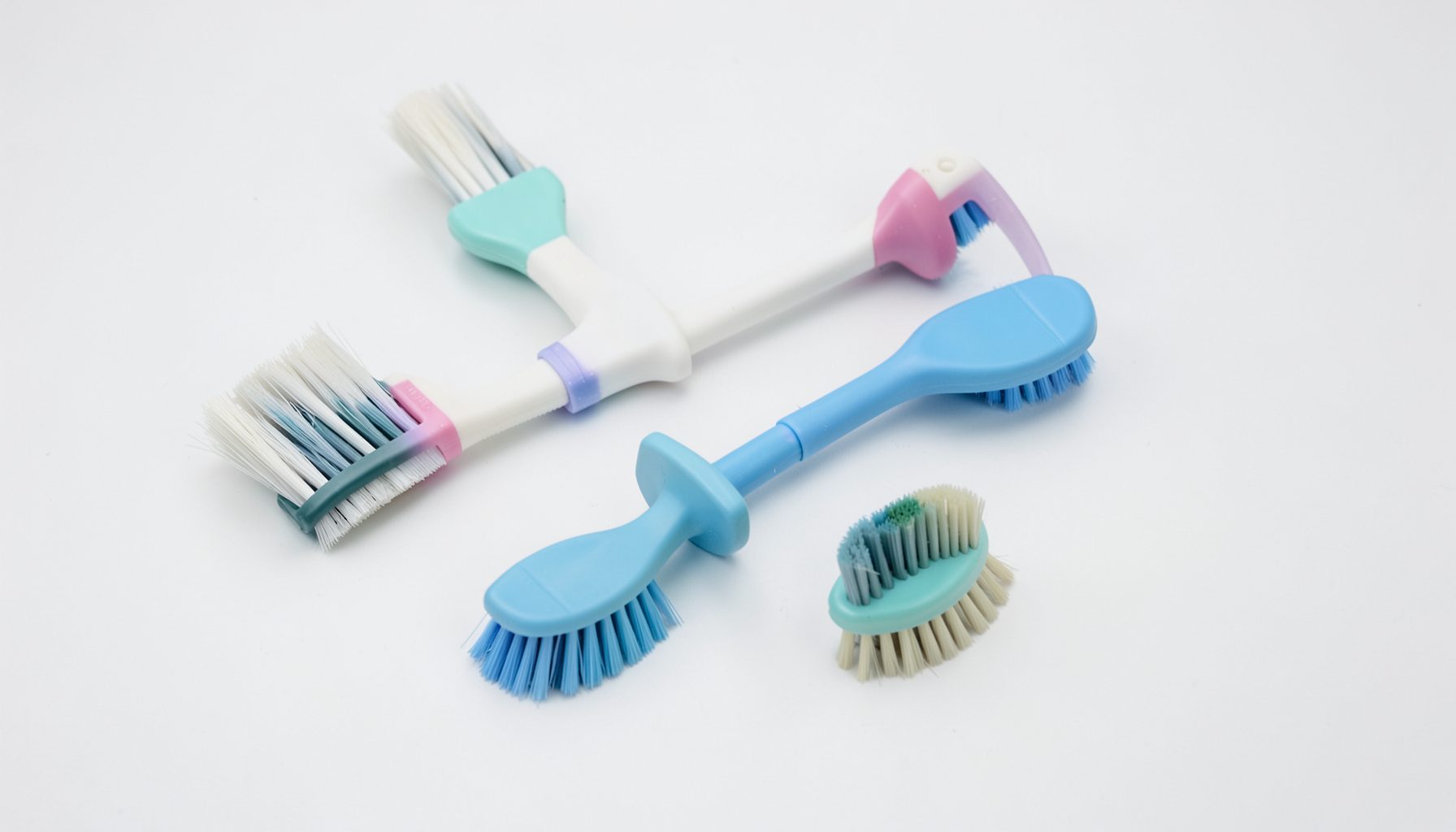
From the basic ResQRinse Nasal Rinse System ($19.99) to 90-day complete kits, saline packets, cleaning brushes, and Sinoptim Nasal Mist.
Browse all products →Get Started with ResQRinse
Ready to experience a better nasal rinse? Fill out the form below and we'll help you find the right product — or follow the simple steps to begin rinsing today.
Request More Information
How to Use ResQRinse
Fill the Bottle
Fill the ResQRinse squeeze bottle with distilled or previously boiled water and add one premixed saline packet.
Position the Tip
Place the comfort tip gently against one nostril. No head-tilting or awkward neck angles needed.
Squeeze & Breathe
Squeeze the bottle gently while breathing through your mouth. Nasal Lock™ keeps saline in your nasal passages and out of your throat.
Repeat & Clean
Switch nostrils and repeat. After use, rinse the bottle and let it air dry. Use ResQRinse Premium Cleaning Brushes for thorough cleaning.
Best Time Of Day To Flush Your Nasal Passages
Nasal irrigation can wash away mucus, pollen, dust, and other particles that collect inside the nose. The ideal time depends on your symptoms, schedule, and how your body responds to saline rinsing. A routine that feels comfortable and consistent is usually more useful than following a rigid clock.
Many people rinse in the morning to start the day with clearer nasal passages. Others prefer the evening, when irrigation can remove allergens gathered outdoors and help them breathe more comfortably before bed. Some people benefit from both times during periods of heavy congestion or seasonal allergies.
The method matters as much as the timing. Use sterile, distilled, or previously boiled and cooled water with the correct saline mixture, and follow the cleaning instructions for your nasal irrigation system. If you have severe pain, frequent nosebleeds, or symptoms that do not improve, consult a healthcare professional.
When Morning Rinsing Makes Sense
A morning nasal rinse can clear mucus that accumulated overnight. Lying down for several hours may allow drainage to settle in the nasal passages, particularly when you have a cold, sinus congestion, postnasal drip, or allergies. Rinsing after you wake up may make breathing through your nose feel easier as you begin work, school, exercise, or other activities.
Morning irrigation can also be useful before exposure to known triggers. If pollen, dust, or pet dander causes symptoms during the day, clearing the nasal passages early may help reduce the amount of irritant present before you leave home. It does not create a permanent barrier against allergens, but it can support a broader allergy-management routine.
Try to rinse after brushing your teeth and before breakfast if that schedule is comfortable. Give your nose a few minutes to drain afterward, and avoid rushing straight into strenuous activity if you still feel residual saline or drainage.
Why Evening Can Be Better
An evening rinse is often practical for people whose symptoms build throughout the day. Outdoor air, workplace dust, indoor heating, air conditioning, and animal allergens can all contribute to congestion. Irrigating after returning home may help wash away these materials before bedtime.
Nighttime nasal cleansing may also be helpful when congestion interferes with sleep. A clearer nasal passage can make it easier to breathe comfortably while lying down, although irrigation is not a cure for every cause of nighttime obstruction. Rinse early enough to allow complete drainage rather than using the system immediately before lying flat.
For some people, the best evening timing is after a shower. Warm, humid air may soften thick mucus, making the rinse more comfortable. Use saline at a comfortable temperature, never hot, and do not force the solution through a completely blocked passage.
Match The Schedule To Your Symptoms
There is no universal schedule for nasal irrigation. Once-daily use may be suitable for routine allergy care or occasional congestion, while temporary twice-daily use may provide more support during a cold, sinus flare, or high-pollen period. Follow the product directions and guidance from your clinician, especially if you have a chronic nasal condition.
Use the timing that fits the cause of your symptoms. Morning rinsing may suit overnight congestion, while an after-work or pre-bed rinse may be more useful when exposure during the day is the main problem. If symptoms occur at predictable times, place irrigation before that period when possible.
| Situation | Timing that may fit | Helpful consideration |
|---|---|---|
| Mucus or congestion on waking | After getting up | Allow time for drainage before leaving home |
| Outdoor or seasonal allergies | After outdoor exposure or in the evening | Rinse away pollen and airborne particles |
| Nighttime stuffiness | Early evening | Finish well before lying down |
| Exercise-related nasal discomfort | After activity | Rehydrate and rinse once breathing has settled |
| Thick mucus during a cold | Morning or evening, as directed | Use gentle pressure and comfortable saline |
| Occasional nasal dryness | Less frequent use | Ask a clinician whether irrigation is appropriate |
Build A Comfortable Daily Routine
A predictable routine makes nasal irrigation easier to remember and less likely to feel disruptive. Set up the bottle, saline packets, clean water, and drying area before you begin. Read the instructions for your specific system because bottle design, flow control, and cleaning steps vary.
A squeeze-bottle system may feel more controlled than a traditional neti pot for people who want to guide the flow. ResQRinse products use Nasal Lock technology to help create a comfortable seal during use, and the range includes adult and children’s systems, saline packets, cleaning brushes, complete kits, and nasal mist. Children should use nasal irrigation only with appropriate adult supervision and a product designed for their age.
Stand over a sink, lean slightly forward, and breathe through your mouth. Keep the pressure gentle; increased force does not mean increased benefit. Stop if you experience sharp pain, significant ear pressure, dizziness, or worsening discomfort.
Select The Right Saline And Equipment
The water used for nasal irrigation must be safe for nasal use. Choose distilled or sterile water, or use tap water that has been boiled and cooled according to public-health guidance. Never improvise with untreated water. Saline packets formulated for nasal rinsing help provide the right balance and are generally more comfortable than plain water.
A clean, well-maintained device supports safer, more consistent use. Rinse the bottle or pot as directed, wash removable parts, and let everything air-dry fully. A cleaning brush can help reach interior surfaces that are difficult to clean by hand. Replace components when the manufacturer recommends it or when they become cracked, worn, or difficult to clean.
For practical guidance on nasal care, device use, and symptom relief, browse the ResQRinse blog. Product instructions should remain the primary source for operating a particular irrigation system, while general educational material can help you understand how to fit it into your routine.
Keep Safety At The Center
Nasal irrigation should feel mild and controlled. A brief sensation of fullness, dripping, or mild stinging can occur, especially when the saline concentration or water temperature is not quite right. Persistent burning often indicates that the mixture needs attention or that the nasal lining is irritated.
Avoid sharing a nasal irrigation device, even among family members. Clean it after each use, store it dry, and prepare fresh saline solution as directed. People with recent nasal surgery, frequent nosebleeds, immune-system concerns, or significant structural problems should ask a healthcare professional for individualized advice before beginning.
Practical Timing Guidelines
- Rinse in the morning when overnight mucus or early-day congestion is your main concern.
- Rinse in the evening when allergens and dust accumulate during the day.
- Leave enough time afterward for drainage before sleep, travel, or exercise.
- Use a gentle flow and pause if you feel ear pressure, pain, or unusual discomfort.
- Follow the recommended frequency instead of increasing use whenever symptoms feel frustrating.
Adjust The Routine As Conditions Change
Your preferred time may change with the season, your environment, and the type of symptoms you experience. During spring pollen season, an evening rinse after outdoor exposure may be especially convenient. During a winter cold, morning and evening irrigation may feel more useful, provided the frequency is appropriate for you and the product instructions.
Travel, work shifts, and exercise can also affect the schedule. If you work nights, “morning” means the time after your main sleep period rather than a specific hour on the clock. If you exercise outdoors, wait until your breathing has returned to normal before rinsing, and keep the process gentle if your nasal lining feels dry.
Pay attention to how your nose responds over several days. A routine that leaves you more comfortable, supports clearer breathing, and fits naturally into your day is more sustainable than one chosen solely because it sounds ideal.
A well-timed saline rinse can become a simple part of everyday nasal care. Choose sterile or properly prepared water, use the correct saline mixture, clean the device carefully, and select morning or evening based on when your symptoms and exposure are greatest. Explore ResQRinse irrigation systems and nasal-care products through the brand’s online retail options, and use the directions supplied with your chosen system to begin comfortably and safely.