ResQRinse is the nasal irrigation squeeze bottle that eliminates head-tilting and awkward neck positions. Using proprietary Nasal Lock™ technology, it delivers a comfortable, gag-free sinus cleanse — no more saline dripping down your throat.

Relief From Fall Sneezes
Now sold on Walmart.com. Free shipping on orders $30+. Try ResQRinse today with your everyday purchases.
Shop at WalmartWhy ResQRinse?
Nasal rinsing helps relieve congestion from colds, allergies, sinusitis, hay fever, and environmental pollutants. ResQRinse makes it comfortable enough to become a daily habit.
Nasal Lock™ Technology
Isolates sinuses from the throat using natural choanal occlusion — like inflating a balloon — so saline stays where it belongs.
Learn more →
Drug-Free Relief
Uses premixed saline packets with distilled water. No medications, no preservatives — just a natural cleanse for your nasal passages.
How to rinse →
For Kids Too
ResQRinse for Kids features a comfort nasal tip right-sized for smaller nostril openings, making rinsing gentle and easy for children.
Shop kids' version →
Breath-Controlled Flow
You control the saline flow with your own breath pressure — high volume, low pressure irrigation that's comfortable and effective.
Watch how-to videos →
Better Compliance
Designed to overcome the gagging and discomfort that cause people to abandon traditional neti pots and nasal rinse systems.
Our story →
Complete Kits Available
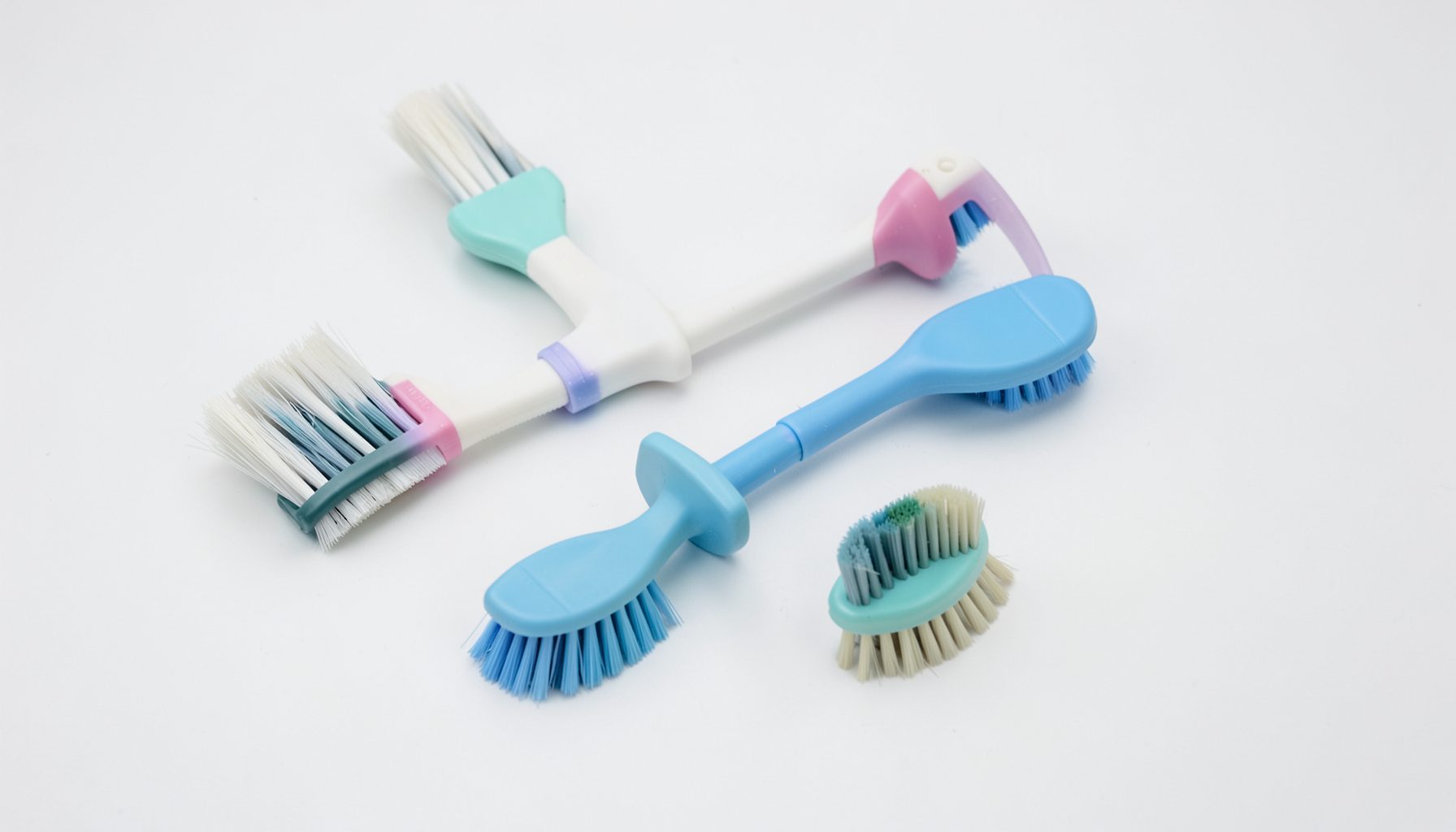
From the basic ResQRinse Nasal Rinse System ($19.99) to 90-day complete kits, saline packets, cleaning brushes, and Sinoptim Nasal Mist.
Browse all products →Get Started with ResQRinse
Ready to experience a better nasal rinse? Fill out the form below and we'll help you find the right product — or follow the simple steps to begin rinsing today.
Request More Information
How to Use ResQRinse
Fill the Bottle
Fill the ResQRinse squeeze bottle with distilled or previously boiled water and add one premixed saline packet.
Position the Tip
Place the comfort tip gently against one nostril. No head-tilting or awkward neck angles needed.
Squeeze & Breathe
Squeeze the bottle gently while breathing through your mouth. Nasal Lock™ keeps saline in your nasal passages and out of your throat.
Repeat & Clean
Switch nostrils and repeat. After use, rinse the bottle and let it air dry. Use ResQRinse Premium Cleaning Brushes for thorough cleaning.
How To Keep Nasal Rinse Solution From Reaching Your Throat
A nasal rinse should travel through one nostril, across the nasal passages, and out through the other nostril. When saline runs toward the back of your mouth instead, it can create an unpleasant salty taste, trigger coughing, or make the rinse feel less effective. This usually comes from positioning, breathing, water pressure, or using more liquid than the nose can comfortably manage.
A small amount of drainage can still happen because the nose, throat, and mouth are connected. The goal is to reduce unnecessary throat flow, not to force every drop through a single path. With the right technique and a comfortable saline concentration, most people can make nasal irrigation feel smoother and more controlled.
Why Saline Can Drain Into The Throat
Head position is one of the most common causes. Tilting backward allows liquid to move toward the nasopharynx, the area behind the nose that connects with the throat. Turning too far to either side can also direct the rinse away from the opposite nostril and toward the back of the mouth.
Pressure matters as well. A forceful squeeze can overwhelm the nasal passages, especially when congestion narrows the normal drainage route. The fluid may then seek another path, including the throat or the openings connected to the ears. Nasal rinsing should feel like a gentle flow rather than a high-pressure flush.
Breathing through the mouth during irrigation can make the experience easier, but it may also leave the soft palate relaxed. That can allow a little saline to pass backward. This is normal for some users, particularly when they are congested, have a deviated septum, or are still learning how to coordinate posture and breathing.
Adjust Your Position Before You Rinse
Start over a sink with your torso leaning forward. Keep your chin slightly tucked rather than lifted. Your forehead and chin should remain roughly level, creating a straight, downward path for the solution to exit instead of encouraging it to run toward your throat.
Turn your head gently to one side. Avoid tipping it backward or rotating it so far that one nostril sits noticeably higher than the other. The ideal position differs slightly from person to person, so begin with a small angle and adjust it until the saline exits easily through the opposite nostril.
Keep your mouth open and breathe calmly through it. This helps you avoid holding your breath or swallowing repeatedly while the bottle is in use. If solution starts collecting in your throat, pause, lean farther forward, and allow it to drain before continuing.
Use Gentle Pressure And The Right Amount
Place the bottle tip securely but comfortably at the nostril opening. A good seal helps direct the fluid through the nasal passage, while forcing the tip too far inside can cause discomfort and encourage excessive pressure. Squeeze slowly, using only enough force to create a steady stream.
Do not empty the bottle automatically if your nose feels full or blocked. Stop when the flow becomes uncomfortable, let the solution drain, and then resume with lighter pressure. A smaller volume can be more manageable during a particularly congested rinse, while a complete rinse may be suitable when both nasal passages are open.
Saline strength can affect comfort and drainage. A solution that is too weak may sting, while one that is too concentrated can feel harsh and draw moisture from the nasal lining. If regular saline no longer provides comfortable relief during significant congestion, review guidance on stronger saline concentration before changing the mixture.
Choose Safe Water And A Comfortable Saline Mix
Use distilled, sterile, or previously boiled and cooled water for nasal irrigation. Tap water may contain microorganisms that are safe to swallow but should not be introduced into the nasal passages. Follow the saline packet directions carefully, using the recommended volume of water rather than estimating the proportions.
Premeasured saline packets can make the mixture more consistent and convenient. They also reduce the risk of adding too much salt, which may cause burning or irritation. Never use plain water alone for a nasal rinse because it can feel painful and irritate sensitive nasal tissue.
The solution should be lukewarm or close to body temperature. Very cold or hot liquid can increase discomfort and make it harder to maintain a relaxed posture. Prepare only what you need, and discard leftover solution rather than storing it for later use.
| What You Notice | Likely Reason | Helpful Adjustment |
|---|---|---|
| Saline reaches the mouth immediately | Head is tilted back or pressure is too strong | Lean forward, tuck the chin, and squeeze more slowly |
| Little or no flow through the other nostril | Heavy congestion or an obstructed passage | Pause, clear the nose gently, and never force the bottle |
| Burning or sharp stinging | Incorrect saline concentration or water temperature | Use a properly mixed packet with lukewarm safe water |
| Ear fullness after rinsing | Excess pressure or forceful blowing afterward | Use gentler pressure and avoid hard nose blowing |
| Dripping after the rinse ends | Solution remains in the nasal passages | Lean forward, turn the head side to side, and exhale gently |
Avoid Habits That Increase Throat Drainage
Trying to breathe through the nose while the bottle is flowing can interfere with drainage and make you inhale or swallow saline. Mouth breathing is usually more comfortable. Keep your jaw relaxed and avoid talking, swallowing, or sniffing sharply during the active rinse.
Do not blow your nose forcefully as soon as you finish. Strong blowing can push fluid toward the ears and irritate swollen nasal tissue. Instead, lower the bottle, remain leaned forward, and let the remaining solution run out. Then blow gently through one nostril at a time if needed.
Equipment handling also affects the experience. A partially blocked tip, damaged valve, or poorly cleaned bottle can produce an uneven stream. Reviewing these common squeeze-bottle mistakes can help identify why a rinse suddenly feels too forceful or unpredictable.
Match The Rinse To Your Symptoms
Nasal irrigation may be especially useful when mucus, seasonal allergens, or airborne particles are contributing to congestion. Rinsing after outdoor exposure can help wash away material from the nasal passages, while a gentle routine may support comfort during recurring allergy symptoms. For practical guidance during outdoor work, see this resource on pollen and dust relief.
Children need extra care because they may squeeze too hard, tilt their heads incorrectly, or become anxious when fluid reaches the throat. Use a child-appropriate system, supervise closely, and stop if the child cannot remain calm or still. Never force a rinse through a completely blocked or painful nose.
For adults, a squeeze-bottle system with a comfortable seal can make it easier to control the direction and speed of the saline. Nasal Lock-style designs are intended to support a secure fit, but the user still needs to lean forward and apply gentle pressure. Product design can assist technique; it cannot replace it.
Recommendations For A Smoother Rinse
- Lean over the sink with your chin slightly tucked and your head turned only a little to one side.
- Breathe through your open mouth and pause immediately if saline begins pooling in your throat.
- Use lukewarm distilled, sterile, or boiled-and-cooled water with the correct saline packet ratio.
- Apply slow, light pressure instead of trying to push solution through a blocked passage.
- Clean and fully dry the bottle, tip, and accessories after each use according to the product directions.
When To Pause And Seek Medical Guidance
A mild salty taste or brief throat drainage is generally manageable, but persistent discomfort deserves attention. Stop the rinse if you experience significant ear pain, nosebleeding, severe burning, dizziness, or worsening pressure. Do not continue simply by increasing the squeeze force.
Speak with a healthcare professional if congestion lasts unusually long, symptoms repeatedly worsen after irrigation, or you have a history of nasal surgery, frequent ear problems, or structural blockage. Professional advice is also important when symptoms include high fever, facial swelling, severe one-sided pain, or thick discharge that does not improve.
With a forward-leaning posture, a gentle squeeze, and properly prepared saline, nasal irrigation can become much more comfortable. Explore ResQRinse rinse systems, saline packets, and accessories through the brand’s online retail partners, and use the product instructions to establish a calm routine that keeps the solution moving through the nose rather than down the throat.