ResQRinse is the nasal irrigation squeeze bottle that eliminates head-tilting and awkward neck positions. Using proprietary Nasal Lock™ technology, it delivers a comfortable, gag-free sinus cleanse — no more saline dripping down your throat.

Relief From Fall Sneezes
Now sold on Walmart.com. Free shipping on orders $30+. Try ResQRinse today with your everyday purchases.
Shop at WalmartWhy ResQRinse?
Nasal rinsing helps relieve congestion from colds, allergies, sinusitis, hay fever, and environmental pollutants. ResQRinse makes it comfortable enough to become a daily habit.
Nasal Lock™ Technology
Isolates sinuses from the throat using natural choanal occlusion — like inflating a balloon — so saline stays where it belongs.
Learn more →
Drug-Free Relief
Uses premixed saline packets with distilled water. No medications, no preservatives — just a natural cleanse for your nasal passages.
How to rinse →
For Kids Too
ResQRinse for Kids features a comfort nasal tip right-sized for smaller nostril openings, making rinsing gentle and easy for children.
Shop kids' version →
Breath-Controlled Flow
You control the saline flow with your own breath pressure — high volume, low pressure irrigation that's comfortable and effective.
Watch how-to videos →
Better Compliance
Designed to overcome the gagging and discomfort that cause people to abandon traditional neti pots and nasal rinse systems.
Our story →
Complete Kits Available
From the basic ResQRinse Nasal Rinse System ($19.99) to 90-day complete kits, saline packets, cleaning brushes, and Sinoptim Nasal Mist.
Browse all products →Get Started with ResQRinse
Ready to experience a better nasal rinse? Fill out the form below and we'll help you find the right product — or follow the simple steps to begin rinsing today.
Request More Information
How to Use ResQRinse
Fill the Bottle
Fill the ResQRinse squeeze bottle with distilled or previously boiled water and add one premixed saline packet.
Position the Tip
Place the comfort tip gently against one nostril. No head-tilting or awkward neck angles needed.
Squeeze & Breathe
Squeeze the bottle gently while breathing through your mouth. Nasal Lock™ keeps saline in your nasal passages and out of your throat.
Repeat & Clean
Switch nostrils and repeat. After use, rinse the bottle and let it air dry. Use ResQRinse Premium Cleaning Brushes for thorough cleaning.
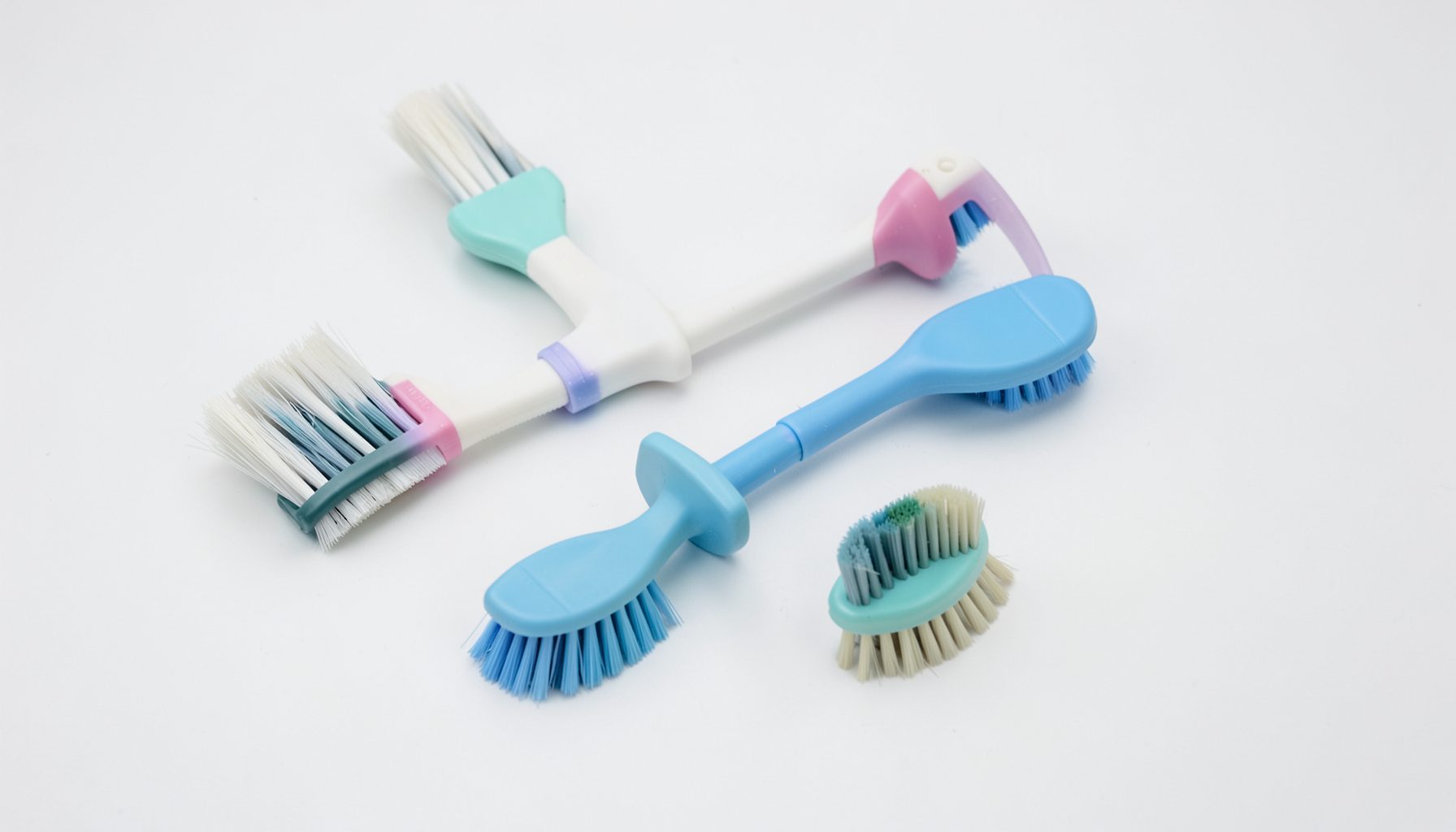
ResQRinse Cleaning Brush: A Small Tool With A Big Hygiene Role
A nasal rinse bottle can make congestion, seasonal allergies, and sinus discomfort easier to manage, but the bottle itself needs regular care. Saline solution passes through its opening, cap, and internal channel, leaving behind moisture that can support residue and unwanted microbial growth when the system is not cleaned properly.
That is where the ResQRinse cleaning brush earns its place. This simple accessory helps reach narrow areas that a sponge, cloth, or quick rinse may miss. Used as part of a consistent cleaning routine, it can help keep a squeeze-bottle nasal irrigation system fresh, functional, and ready for the next use.
Cleaning is especially important when several family members use nasal rinse products, when a bottle is used frequently, or when it is stored while damp. A brush does not replace safe water handling or thorough drying, but it makes the hands-on part of maintenance more practical.
Why Nasal Rinse Hygiene Matters
Nasal irrigation systems carry saline through a path that includes the bottle opening, cap, nozzle, and sometimes a narrow internal passage. Even when the bottle looks clean from the outside, small amounts of saline, mucus, or water can remain in less visible areas. Over time, residue may become harder to remove.
A clean device also supports a more comfortable experience. Dried saline crystals can affect how easily the bottle squeezes or how smoothly the solution flows. Buildup around the nozzle may interfere with the intended spray or rinse pattern, including the controlled delivery associated with ResQRinse Nasal Lock technology.
Proper cleaning begins with following the product instructions and using safe water for nasal rinsing. The brush is one part of that process. It helps physically loosen residue, while rinsing and complete air-drying help remove what the brush dislodges.
What A Cleaning Brush Can Reach
The main advantage of a dedicated nasal rinse brush is access. Its narrow shape can move into openings, channels, and corners that are difficult to clean with fingers. A standard kitchen brush may be too large, while a cotton swab can leave fibers behind or fail to scrub the surface effectively.
A brush also provides controlled pressure. You can work around the neck of the bottle, the inside of the cap, and the nozzle without aggressively bending or scraping the components. Gentle contact is usually preferable because excessive force can damage small parts or change the shape of a flexible opening.
The brush should be used after the bottle has been emptied and separated according to the manufacturer’s directions. It is most useful when residue is still soft. If saline has dried, a brief soak with appropriate warm water may loosen it before brushing, provided that the care instructions allow soaking.
Comparing Common Cleaning Methods
Different household cleaning methods have different strengths. A brush is valuable because it combines direct contact with access to narrow spaces, while rinsing and drying remain necessary for a complete routine.
| Cleaning method | Best use | Main limitation | Role in a rinse routine |
|---|---|---|---|
| Water rinse | Removing loose saline | May leave residue in hidden areas | First step after use |
| Dedicated cleaning brush | Scrubbing openings and narrow channels | Needs to be cleaned and dried too | Targeted physical cleaning |
| Soft cloth | Wiping exterior surfaces | Cannot reach internal passages | Exterior care |
| Cotton swab | Reaching a small shallow area | May shed fibers or compact residue | Occasional limited use |
| Air drying | Reducing lingering moisture | Does not remove existing buildup | Essential final step |
A cleaning brush is therefore not a substitute for rinsing, washing, or drying. It fills the gap between a basic flush and a detailed clean. The combination is more reliable than depending on a single method, particularly for users who rinse daily or during long allergy seasons.
Keeping the brush clean matters as well. After use, rinse it according to the accessory’s care instructions and place it somewhere ventilated. Storing a wet brush inside a closed pouch or container can defeat the purpose of cleaning by trapping moisture.
A Simple Routine For Everyday Care
Start by emptying any remaining saline and separating removable parts. Rinse the components with the type of water recommended in the product directions. Nasal irrigation should always use appropriately safe water, and the same attention to water quality is sensible when cleaning parts that will later contact the rinse solution.
Apply gentle brushing to the bottle opening, cap, nozzle, and other accessible channels. There is no need to scrub forcefully; several careful passes are usually more useful than heavy pressure. Pay particular attention to grooves and threaded areas where residue can collect.
After brushing, rinse away loosened material and inspect the parts under good light. If you see crystals, cloudiness, or visible buildup, repeat the cleaning step rather than putting the components away. Leave everything disassembled in a clean, open area so air can circulate through the bottle and smaller parts.
A daily quick clean can be paired with a more thorough periodic cleaning based on the manufacturer’s instructions. Replace any component that becomes cracked, persistently discolored, misshapen, or difficult to clean. A brush cannot restore damaged plastic or remove contamination from a part that should no longer be used.
Making Nasal Care Easier For Children
Children may need extra support with both nasal rinsing and cleaning. A child-friendly squeeze bottle, a calm explanation, and an unhurried routine can make the process more predictable. Parents and caregivers should supervise use and make sure the child understands that the bottle and brush are personal care items, not toys.
The cleaning brush can also become part of the child’s visual routine: empty, rinse, brush, rinse again, and air-dry. Adults should handle the detailed cleaning for younger children, while older children may participate under supervision. This helps build good habits without expecting a child to manage hygiene independently before they are ready.
For practical guidance on making the first experiences less intimidating, teach a child to use a squeeze-bottle rinse gradually and calmly. Comfort during use and consistency after use work together; a child is more likely to accept nasal care when the entire routine feels manageable.
If a rinse burns or stings, stop and assess the situation rather than trying to push through discomfort. Saline concentration, water temperature, technique, or nasal irritation may be involved. The rinse burning guide can help explain common causes and appropriate next steps.
Choosing And Caring For The Brush
A useful nasal irrigation cleaning brush should be slim enough to access the system’s narrow areas while remaining sturdy enough for gentle scrubbing. Soft or flexible bristles can help reduce the risk of scratching, but the brush still needs enough structure to loosen residue. The handle should be easy to hold, especially for caregivers cleaning several components.
Avoid forcing the brush into an opening that is too small. If the bristles catch, withdraw the brush carefully and check the product instructions. A tool that fits the ResQRinse system properly is preferable to improvising with sharp objects, rigid wires, or oversized household brushes.
Inspect the accessory periodically. Frayed bristles, a cracked handle, unpleasant odor, or visible residue that will not rinse away are reasons to replace it. The replacement schedule depends on frequency of use and cleaning conditions, but the general rule is straightforward: the brush should look and smell clean before it is used on the rinse system.
Keep the brush separate from bathroom surfaces that may be dirty or damp. A ventilated storage location protects the accessory between uses. If the entire nasal rinse kit is stored together, make sure the brush is dry before placing it near the bottle, saline packets, or nasal mist.
Practical Habits Worth Keeping
A small amount of organization can make equipment care easier during busy mornings or allergy flare-ups. Store the bottle, brush, and saline supplies in one clean area, but allow washed parts to dry separately before packing them away. This avoids rushing the drying stage.
Use a consistent order every time so no component is forgotten. It can also help to check the bottle before preparing a fresh saline solution. If any part looks damaged or has stubborn buildup, set it aside for replacement instead of relying on it for another rinse.
The most useful habits include:
- Empty and rinse the bottle immediately after each use.
- Use the cleaning brush gently on openings, caps, and narrow passages.
- Rinse the brush and let it air-dry in a ventilated location.
- Store the nasal irrigation system only after its parts are fully dry.
- Replace damaged, worn, or persistently unclean components.
These steps are simple, but they support dependable nasal care over time. A clean bottle is easier to inspect, easier to operate, and less likely to carry old residue into the next saline rinse.
Keep Your Rinse System Ready
The ResQRinse cleaning brush is a small addition to a nasal irrigation kit, yet it addresses an important part of product ownership: reaching the places that ordinary rinsing cannot. Regular brushing, safe rinsing, careful inspection, and complete drying create a practical maintenance routine for adults, children, and caregivers.
Add a dedicated brush to your ResQRinse supplies, follow the care directions for your specific system, and make cleaning part of every nasal rinse session. Keeping the equipment ready means relief-focused care can begin with a cleaner, better-maintained device whenever congestion or allergies return.