ResQRinse is the nasal irrigation squeeze bottle that eliminates head-tilting and awkward neck positions. Using proprietary Nasal Lock™ technology, it delivers a comfortable, gag-free sinus cleanse — no more saline dripping down your throat.

Relief From Fall Sneezes
Now sold on Walmart.com. Free shipping on orders $30+. Try ResQRinse today with your everyday purchases.
Shop at WalmartWhy ResQRinse?
Nasal rinsing helps relieve congestion from colds, allergies, sinusitis, hay fever, and environmental pollutants. ResQRinse makes it comfortable enough to become a daily habit.
Nasal Lock™ Technology
Isolates sinuses from the throat using natural choanal occlusion — like inflating a balloon — so saline stays where it belongs.
Learn more →
Drug-Free Relief
Uses premixed saline packets with distilled water. No medications, no preservatives — just a natural cleanse for your nasal passages.
How to rinse →
For Kids Too
ResQRinse for Kids features a comfort nasal tip right-sized for smaller nostril openings, making rinsing gentle and easy for children.
Shop kids' version →
Breath-Controlled Flow
You control the saline flow with your own breath pressure — high volume, low pressure irrigation that's comfortable and effective.
Watch how-to videos →
Better Compliance
Designed to overcome the gagging and discomfort that cause people to abandon traditional neti pots and nasal rinse systems.
Our story →
Complete Kits Available
From the basic ResQRinse Nasal Rinse System ($19.99) to 90-day complete kits, saline packets, cleaning brushes, and Sinoptim Nasal Mist.
Browse all products →Get Started with ResQRinse
Ready to experience a better nasal rinse? Fill out the form below and we'll help you find the right product — or follow the simple steps to begin rinsing today.
Request More Information
How to Use ResQRinse
Fill the Bottle
Fill the ResQRinse squeeze bottle with distilled or previously boiled water and add one premixed saline packet.
Position the Tip
Place the comfort tip gently against one nostril. No head-tilting or awkward neck angles needed.
Squeeze & Breathe
Squeeze the bottle gently while breathing through your mouth. Nasal Lock™ keeps saline in your nasal passages and out of your throat.
Repeat & Clean
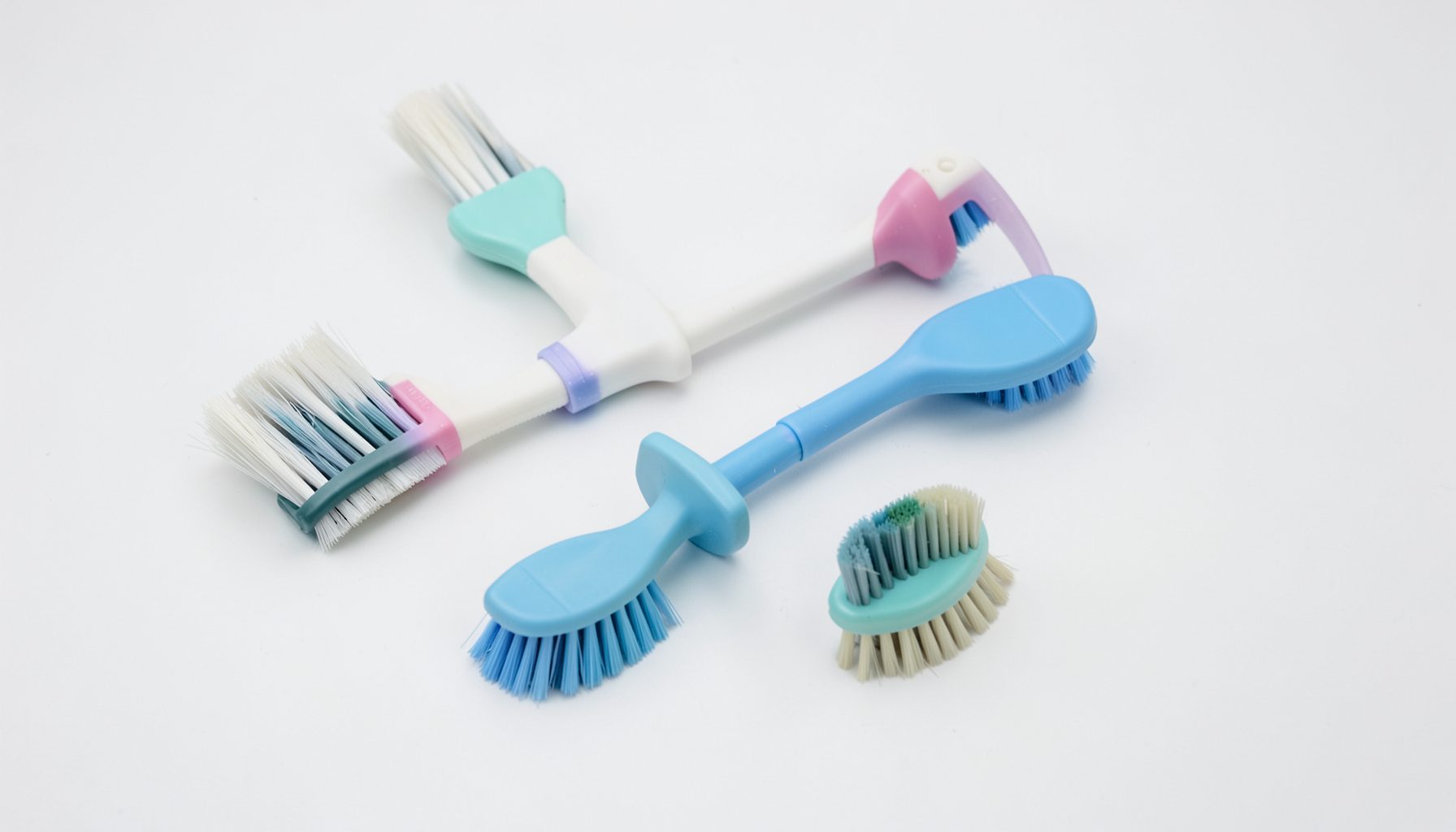
Switch nostrils and repeat. After use, rinse the bottle and let it air dry. Use ResQRinse Premium Cleaning Brushes for thorough cleaning.
How to Use a Nasal Rinse After Sinus Surgery
Nasal irrigation is often an important part of recovery after sinus surgery. A gentle saline rinse can help clear dried blood, mucus, crusting, and other debris while keeping the healing nasal passages moist. It may also support easier breathing and help prescribed medicines reach the areas your surgeon is treating.
Your surgeon’s instructions should always take priority. The timing, frequency, solution strength, and amount of pressure that are appropriate can vary after procedures such as septoplasty, turbinate reduction, polyp removal, or endoscopic sinus surgery. Some people begin rinsing within a day, while others need to wait longer.
Use only the technique and equipment approved by your surgical team. A nasal rinse is designed to flush the nose gently, not to force liquid through swollen passages. Stop if you experience sharp pain, heavy bleeding, severe pressure, or another unusual symptom.
When to start and why rinsing matters
Many sinus surgeons recommend saline irrigation soon after surgery because the nasal passages can collect clots, mucus, and crusts during the first stages of healing. Rinsing may soften this material and wash it away without picking or scraping inside the nose. It can also reduce dryness caused by breathing through the mouth or using prescribed sprays.
The first rinse may feel unfamiliar, especially when the nose is swollen or partially blocked. Mild stinging, fullness, or liquid draining into the throat can occur. These sensations should remain manageable. If the rinse causes increasing pain or significant bleeding, pause and contact the surgical office for advice.
Do not assume that more rinsing produces faster healing. Your surgeon may recommend a specific schedule, such as several gentle irrigations per day, and may adjust it during follow-up visits. Follow those instructions even if the product label suggests a different routine.
Prepare the solution and equipment
Wash your hands before preparing the rinse. Use distilled or sterile water, or tap water that has been boiled and cooled according to your clinician’s instructions. Ordinary untreated tap water should not be used for nasal irrigation because it may contain microorganisms that are unsafe inside the nasal passages.
Mix the saline packet with the exact amount of water specified for your device. Too little water can make the solution overly salty and irritating; too much can make it less comfortable and less effective. Do not substitute table salt, flavored salt, baking ingredients, or homemade mixtures unless your surgeon specifically provides a safe recipe.
Clean the bottle, cap, and nozzle before and after use as directed. A squeeze-bottle system, saline packets, and a cleaning brush can make postoperative care easier, but the most important features are clean equipment, a correctly mixed solution, and controlled pressure. If you use a ResQRinse device, learning about Nasal Lock technology can help you understand how its design is intended to support a comfortable seal during irrigation.
Use the rinse step by step
Stand over a sink and lean forward slightly. Keep your mouth open and breathe through it. Tilt your head to the side only as much as needed for the solution to travel through one nostril and drain from the other. Avoid leaning your head backward, which can cause more fluid to run into your throat.
Place the nozzle gently at the entrance of one nostril. Do not push it deeply into the nose, especially during the early healing period. Squeeze slowly and steadily, using only the amount of pressure recommended by your surgeon. The solution may flow out through the opposite nostril, the mouth, or the same nostril if swelling limits passage.
Release the pressure before removing the nozzle. Let the remaining fluid drain, then repeat on the other side if your instructions call for bilateral irrigation. When finished, allow the nose to drip naturally and dab the outside with a clean tissue. Avoid forceful nose blowing unless your surgeon has specifically cleared it.
A nasal mist may be useful between larger rinses when the goal is simply to add moisture, but it does not replace a full irrigation unless your care team says it does. Product demonstrations can clarify positioning and handling; ResQRinse provides rinse demonstrations for users who want to review the basic process.
Match the method to your recovery
Different devices can deliver saline effectively, but they do not all feel the same after surgery. A squeeze bottle gives you control over the flow, while a neti pot relies more on head position and gravity. Some patients prefer a bottle because it is easier to use when congestion makes precise positioning difficult.
| Option | Potential benefit after surgery | Important consideration |
|---|---|---|
| Squeeze-bottle rinse | Allows slow, controlled delivery and easy handling | Use gentle pressure and never force flow through a blocked passage |
| Neti pot | Uses gravity and may feel mild for some users | Requires careful head positioning and may be harder to control |
| Saline mist | Adds moisture between irrigations | Usually does not remove as much mucus or crusting as a full rinse |
| Child-sized system | Smaller design for supervised pediatric care | Use only with the surgeon’s approval and appropriate guidance |
| Premixed saline packets | Convenient and consistent when mixed correctly | Still require safe water and accurate dilution |
The best option is usually the one your surgeon approves and you can clean consistently. A nasal irrigation system with a comfortable seal may reduce leakage around the nostril, but comfort does not mean the device should be pressed tightly or used with force. Nasal Lock-style features should support positioning, not encourage stronger squeezing.
Ask whether your surgeon wants you to rinse before or after any medicated nasal spray. In many care plans, saline is used first so mucus and crusts are cleared before medication is applied, but the correct order depends on the prescription and procedure.
Build a gentle postoperative routine
Consistency is often easier when rinsing becomes part of an established routine. Prepare the water and saline before standing at the sink, keep the device in a clean drying area, and use a fresh solution for every session. Never store leftover saline for later use unless the product and your clinician specifically permit it.
After each use, disassemble the device as recommended, wash the parts, and let them air-dry completely. Moist, enclosed equipment can support microbial growth. Replace the bottle, nozzle, or other components at the interval stated by the manufacturer, or sooner if they become cracked, cloudy, damaged, or difficult to clean.
Keep a simple record during the first week if your surgeon has asked you to monitor symptoms. Note the number of rinses, discomfort, bleeding, drainage, and any changes in breathing. This information can help the clinical team decide whether your routine needs adjustment.
Recognize normal sensations and warning signs
A small amount of blood-tinged drainage, mild pressure, or temporary ear fullness may occur after surgery, but your surgeon should define what is expected for your procedure. Rinsing should not create intense facial pain, repeated heavy bleeding, worsening swelling, or a persistent severe headache.
Call the surgical office promptly if you develop fever, foul-smelling drainage, increasing redness or swelling, vision changes, significant dizziness, or symptoms that are getting worse rather than gradually improving. Seek urgent medical care for uncontrolled bleeding, trouble breathing, confusion, sudden vision loss, or severe swelling around the eyes.
Do not continue irrigating through a concerning symptom simply to complete a planned session. Stop, remain calm, and follow the postoperative contact instructions provided by your medical team. If fluid repeatedly causes choking, severe ear pain, or marked pressure, ask whether your technique, solution, or timing should be changed.
Practical habits for a smoother recovery
Small adjustments can make nasal irrigation more comfortable while preserving the purpose of postoperative care. Keep the flow slow, use lukewarm—not hot or cold—solution, and avoid trying to remove crusts with cotton swabs, fingers, or other objects. Attend every scheduled follow-up appointment so the surgeon can inspect healing passages and perform any needed cleaning.
Keep these habits in place:
- Use only sterile, distilled, or properly boiled and cooled water.
- Follow the prescribed rinse frequency rather than adding extra sessions.
- Keep the nozzle at the nostril opening and use light, steady pressure.
- Clean, rinse, and air-dry the device after every use.
- Contact the surgical team about heavy bleeding, fever, severe pain, vision changes, or worsening symptoms.
A properly performed rinse should feel controlled and purposeful, not forceful. If you are uncertain about the angle, pressure, solution, or cleaning process, bring the device to your next appointment or contact the surgeon’s office for individualized instruction. Follow your postoperative plan carefully, use a clean and comfortable system, and purchase approved saline supplies when you need to maintain the routine at home.