ResQRinse is the nasal irrigation squeeze bottle that eliminates head-tilting and awkward neck positions. Using proprietary Nasal Lock™ technology, it delivers a comfortable, gag-free sinus cleanse — no more saline dripping down your throat.

Relief From Fall Sneezes
Now sold on Walmart.com. Free shipping on orders $30+. Try ResQRinse today with your everyday purchases.
Shop at WalmartWhy ResQRinse?
Nasal rinsing helps relieve congestion from colds, allergies, sinusitis, hay fever, and environmental pollutants. ResQRinse makes it comfortable enough to become a daily habit.
Nasal Lock™ Technology
Isolates sinuses from the throat using natural choanal occlusion — like inflating a balloon — so saline stays where it belongs.
Learn more →
Drug-Free Relief
Uses premixed saline packets with distilled water. No medications, no preservatives — just a natural cleanse for your nasal passages.
How to rinse →
For Kids Too
ResQRinse for Kids features a comfort nasal tip right-sized for smaller nostril openings, making rinsing gentle and easy for children.
Shop kids' version →
Breath-Controlled Flow
You control the saline flow with your own breath pressure — high volume, low pressure irrigation that's comfortable and effective.
Watch how-to videos →
Better Compliance
Designed to overcome the gagging and discomfort that cause people to abandon traditional neti pots and nasal rinse systems.
Our story →
Complete Kits Available
From the basic ResQRinse Nasal Rinse System ($19.99) to 90-day complete kits, saline packets, cleaning brushes, and Sinoptim Nasal Mist.
Browse all products →Get Started with ResQRinse
Ready to experience a better nasal rinse? Fill out the form below and we'll help you find the right product — or follow the simple steps to begin rinsing today.
Request More Information
How to Use ResQRinse
Fill the Bottle
Fill the ResQRinse squeeze bottle with distilled or previously boiled water and add one premixed saline packet.
Position the Tip
Place the comfort tip gently against one nostril. No head-tilting or awkward neck angles needed.
Squeeze & Breathe
Squeeze the bottle gently while breathing through your mouth. Nasal Lock™ keeps saline in your nasal passages and out of your throat.
Repeat & Clean
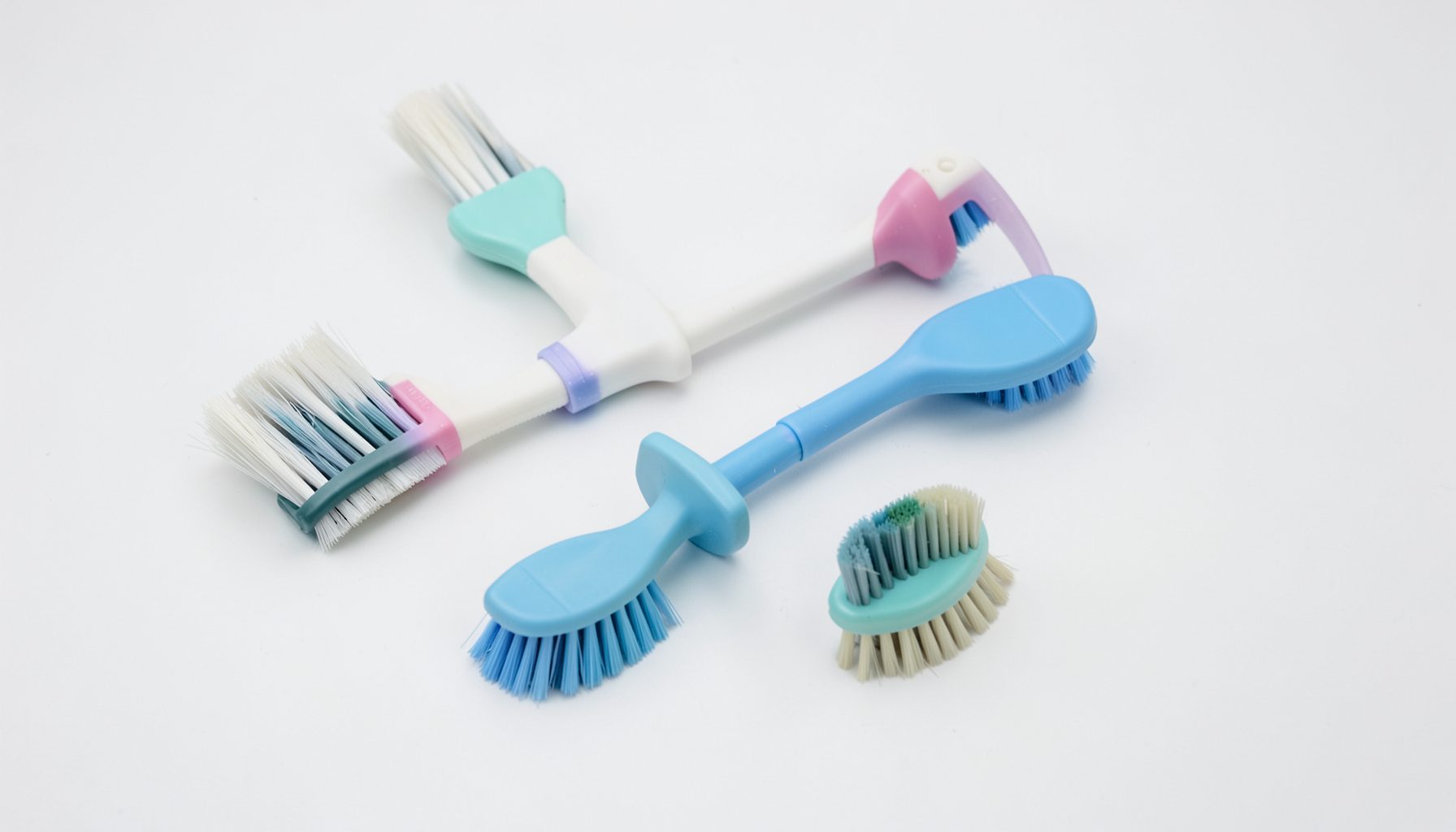
Switch nostrils and repeat. After use, rinse the bottle and let it air dry. Use ResQRinse Premium Cleaning Brushes for thorough cleaning.
How to Organise Your Nasal Rinse Kit Inside the Medicine Cabinet
A nasal rinse kit tends to arrive in a sleek box with the bottle, packets, and a brush tucked neatly together. Within a week of regular use, that neat arrangement starts to drift apart. Caps go missing, packets spill, brushes wander to a different shelf, and suddenly a simple morning rinse becomes a small treasure hunt inside the cabinet. Keeping everything in one designated zone restores the ease the product was designed for and keeps the routine stress-free.
In Australia, where pollen counts spike during the spring grass season in Melbourne and Canberra, and bushfire smoke drifts across Sydney and Brisbane every few summers, a reliable nasal rinse is more than a comfort. Many households keep the kit ready at all times, only to find the bottle half-empty, the cap in the wrong drawer, and the saline packets stuck to the bottom of a container. A few minutes spent arranging the kit now saves frustration when sinuses flare on a humid Darwin afternoon or a dry Perth evening.
This guide walks through seven practical ways to keep every part of your nasal rinse system tidy, dry, and easy to grab. The advice covers shelf choice, container types, cleaning habits, and small adjustments for the varied climate zones found across the country.
Pick a Stable, Easy-to-Reach Shelf
The first step is choosing where inside the cabinet the kit will live. A shelf that sits at eye level or just below is ideal because it removes the need to crouch or stretch, especially for older adults or anyone with back stiffness. Pick a spot away from the plumbing under the sink if the cabinet doubles as a vanity, since steam and stray splashes can encourage mould around seals and threads.
Reserve a section of the shelf for the kit rather than letting it mingle with shampoo bottles, makeup, and spare toothpaste. A clearly defined zone of about 20 by 30 centimetres is usually enough for a bottle, a small jar of packets, and a brush. In many Australian bathrooms, where vanity drawers are shared with hair tools and bathroom scales, dedicating a shelf layer to the rinse keeps it from sliding behind heavier items.
Make sure the chosen shelf is flat and dry. Tilted shelves cause bottles to lean and leak, and moisture encourages the saline residue to crust around the cap. If the bathroom is shared with younger children, choose a higher shelf that adults can still reach comfortably. The kit stays accessible during a sudden allergy flare without becoming a toy for curious hands.
Group Components by Function
Once the spot is chosen, gather every part of the kit and lay it out on the counter. The goal is to break the system into small functional groups rather than a single pile. A typical ResQRinse setup includes the squeeze bottle, the lid and nozzle assembly, saline packets, a cleaning brush, and sometimes a spare cap or travel pouch.
Keep the bottle in its own slot at the front of the zone so it is the first thing picked up during a rinse. Saline packets belong in a slim container next to the bottle, while brushes and spare parts sit behind them. This order mirrors the natural sequence of a rinse: open the cabinet, grab the bottle, grab a packet, rinse, return the bottle, brush it later.
Grouping by function also helps the rest of the household. Partners, housemates, and teenagers can return items to the right spot without thinking, which prevents the familiar scene of a stray packet tucked behind a hairdryer. In shared Australian homes where multiple family members use the same kit during spring, this consistency keeps everything hygienic and ready for the next user.
Use Small Containers and Labels
Open shelves tend to look messy the moment packets, brushes, and bottles share a flat surface. Small containers solve the visual chaos and protect contents from dust and bathroom humidity. A clear acrylic jar holds a stack of saline packets upright, a shallow tray catches the bottle drip, and a slim pencil cup keeps the cleaning brush standing on its handle.
Labels remove any guessing. A simple label on the front of the jar, such as "Saline Packets," and another on the tray, such as "Rinse Bottle," lets anyone in the household know where each item belongs. Adhesive labels available at any Australian office-supply store work well, or a strip of masking tape and a permanent marker does the same job for renters who prefer not to leave residue on cabinetry.
Containers should be food-grade plastic or glass so they can be wiped down with a damp cloth during the monthly bathroom clean. Avoid sealing the packets in an airtight container while they are still warm from a steamy bathroom, since trapped warmth shortens their shelf life. A loose-fitting lid or a small drilled hole is enough to keep moisture from settling on the packets while still letting the contents breathe.
Keep Saline Packets Dry and Fresh
Saline packets are the most sensitive part of the kit. Once a single packet is exposed to humidity, the salt crystals clump and become hard to dissolve. Australian bathrooms vary widely, from the dry, sun-warmed powder rooms of Adelaide to the damp, sea-air bathrooms of the Gold Coast, so the storage method matters even more here than in milder climates.
Store packets in their original foil sleeve inside the labelled jar, and add a small silica gel sachet if the bathroom runs damp. A silica sachet, the kind that ships with vitamins or shoes, absorbs any stray moisture and keeps the surrounding air dry. Replace the sachet every few months, or dry it in a low oven for ten minutes to reactivate it.
Keep the packet jar away from the front edge of the shelf where splash from the sink might reach it. A packet that gets wet through the foil should be discarded rather than used, since clumpy salt does not dissolve evenly and can leave residue in the bottle nozzle. A spare sleeve stored in the pantry means a quick swap when the bathroom supply runs low.
For households managing seasonal allergies, especially during the heavy pollen months in the southern capitals, having a fresh sleeve at hand matters more than usual. Those wanting a deeper look at how pollen levels shift between Hobart, Sydney, and Cairns can read a pollen season guide for practical timing tips.
Store Cleaning Tools Within Reach
The cleaning brush is the part that most often disappears. Tucked inside the cabinet door, tossed into a drawer, or simply forgotten on the bench, a wandering brush is one of the main reasons rinse bottles start to smell or clog. Giving the brush a permanent home next to the bottle solves the issue instantly.
A small ceramic or plastic cup, the kind sold for holding toothbrushes, works perfectly for the rinse brush. Stand the brush handle-down so the bristle end stays open to the air and dries fully between uses. If the brush sits in a closed drawer, the damp bristles stay wet and grow mildew within a week, which then transfers straight back into the freshly cleaned bottle.
Wipe the brush handle with a dry cloth once a week and replace it every three months, or sooner if the bristles start to bend. Australian households often keep a spare brush in the cleaning caddy under the kitchen sink, but it is far more practical to keep it next to the rinse kit. That way, cleaning happens at the same time as the rinse, not as a separate chore that gets postponed.
For a thorough clean without a dishwasher, the bottle and nozzle can be washed by hand with warm water and a small amount of unscented dish soap, then air-dried on a clean tea towel. The full method for cleaning the rinse bottle is covered for anyone who wants a deeper routine.
Prevent Clogged Nozzles Before They Happen
A blocked nozzle is the most common reason a rinse kit gets pushed to the back of the cabinet and forgotten. Salt crystals build up inside the spout, the flow becomes a slow trickle, and the user assumes the bottle is broken. A quick weekly check prevents this from ever happening.
After each rinse, flush the bottle with a small amount of warm tap water and shake gently to dislodge any remaining saline. Then store the bottle with the cap off so the inside dries fully. Leaving the cap on a damp bottle traps moisture and starts the very build-up that causes the clog in the first place.
If the flow ever does slow down, soak the nozzle in a cup of warm water for five minutes, then run a thin stream of water through it. A soft bristle brush from the kit can clear stubborn residue. Should the blockage persist, the walkthrough on fixing a clogged nozzle covers the safer steps for restoring flow without damaging the seal.
Storing the bottle upright rather than on its side also helps. A sideways bottle lets saline residue settle in the nozzle, where it dries and forms the hard crust that blocks flow. An upright bottle keeps the residue inside the main chamber, where it rinses away during the next use.
Adjust Your Storage for Australian Seasons
A fixed storage spot works for most of the year, but Australian seasons shift the way the kit is used. Spring across the southern states brings grass pollen, late summer carries dust and bushfire smoke, and tropical zones deal with high humidity year-round. A small seasonal tweak to the cabinet keeps the kit effective in every climate.
During spring, when pollen counts peak in Melbourne and parts of regional Victoria, keep an extra sleeve of saline packets within the kit and a spare bottle ready to go. Allergy sufferers often rinse twice a day during this period, and running out of packets mid-week leads to skipped rinses. In coastal Queensland, where sea air makes cabinet interiors salty, give the bottle a quick rinse with fresh water before each use to avoid extra mineral build-up.
Bushfire season, which can stretch from October through March in New South Wales and the ACT, brings smoke haze that lingers indoors for days. Keep the kit near the front of the shelf rather than behind heavy bottles so it can be grabbed quickly when the air turns thick. The same rule applies during dust storms in inland South Australia and Western Australia, when a fast rinse clears airways faster than waiting for the haze to settle.
For households in colder zones like Hobart or the alpine regions of Victoria, winter brings dry indoor air that thickens mucus overnight. A bottle warmed slightly by running it under the tap for a few seconds before use makes the morning rinse more comfortable. Keep a small hand towel folded next to the kit to catch drips, which matters more in winter when a wet bathroom floor becomes a slip hazard.
A well-organised nasal rinse kit turns a daily health habit into a simple, almost automatic gesture. The bottle sits where it should, the packets stay dry and counted, the brush stands ready, and the nozzle remains clear. Take ten minutes this weekend to set up the cabinet the right way, then enjoy easier rinses through every season that Australia sends your way.