ResQRinse is the nasal irrigation squeeze bottle that eliminates head-tilting and awkward neck positions. Using proprietary Nasal Lock™ technology, it delivers a comfortable, gag-free sinus cleanse — no more saline dripping down your throat.

Relief From Fall Sneezes
Now sold on Walmart.com. Free shipping on orders $30+. Try ResQRinse today with your everyday purchases.
Shop at WalmartWhy ResQRinse?
Nasal rinsing helps relieve congestion from colds, allergies, sinusitis, hay fever, and environmental pollutants. ResQRinse makes it comfortable enough to become a daily habit.
Nasal Lock™ Technology
Isolates sinuses from the throat using natural choanal occlusion — like inflating a balloon — so saline stays where it belongs.
Learn more →
Drug-Free Relief
Uses premixed saline packets with distilled water. No medications, no preservatives — just a natural cleanse for your nasal passages.
How to rinse →
For Kids Too
ResQRinse for Kids features a comfort nasal tip right-sized for smaller nostril openings, making rinsing gentle and easy for children.
Shop kids' version →
Breath-Controlled Flow
You control the saline flow with your own breath pressure — high volume, low pressure irrigation that's comfortable and effective.
Watch how-to videos →
Better Compliance
Designed to overcome the gagging and discomfort that cause people to abandon traditional neti pots and nasal rinse systems.
Our story →
Complete Kits Available
From the basic ResQRinse Nasal Rinse System ($19.99) to 90-day complete kits, saline packets, cleaning brushes, and Sinoptim Nasal Mist.
Browse all products →Get Started with ResQRinse
Ready to experience a better nasal rinse? Fill out the form below and we'll help you find the right product — or follow the simple steps to begin rinsing today.
Request More Information
How to Use ResQRinse
Fill the Bottle
Fill the ResQRinse squeeze bottle with distilled or previously boiled water and add one premixed saline packet.
Position the Tip
Place the comfort tip gently against one nostril. No head-tilting or awkward neck angles needed.
Squeeze & Breathe
Squeeze the bottle gently while breathing through your mouth. Nasal Lock™ keeps saline in your nasal passages and out of your throat.
Repeat & Clean
Switch nostrils and repeat. After use, rinse the bottle and let it air dry. Use ResQRinse Premium Cleaning Brushes for thorough cleaning.
How to Fix a Clogged Squeeze Bottle Nozzle
A clogged squeeze bottle nozzle can turn a quick nasal rinse into a frustrating cleanup task. The usual cause is dried saline, mineral residue from tap water, or material left around the spray opening after use. In some cases, the bottle is clear but the nozzle still will not deliver a steady stream because air is trapped inside or the cap is not seated correctly.
Clearing the opening safely matters because the nozzle comes into contact with the rinse solution and may be used near sensitive nasal tissue. Avoid sharp objects, harsh cleaners, and very hot water. A gentle cleaning routine usually restores the flow without damaging the tip or internal valve.
Squeeze-bottle systems are designed to make nasal irrigation easier to control than a traditional neti pot, but they still need regular rinsing and drying. ResQRinse systems, including child-friendly options, use features such as Nasal Lock technology to support a comfortable fit, so keeping the bottle and nozzle clean helps preserve the intended experience.
Identify What Is Blocking the Flow
Begin by checking whether the problem is truly a blocked nozzle. Fill the bottle with the appropriate amount of safe water and saline, close the cap firmly, and gently squeeze. If air escapes but no liquid comes out, the opening or inner channel may be obstructed. If the bottle collapses without producing much flow, inspect the cap, seal, and internal tube as well.
Dried salt crystals are especially common when a bottle is stored while damp. Look closely at the tip for a white, chalky film. A sticky or cloudy residue may indicate old saline or contamination. If the nozzle looks clean but the bottle has been used repeatedly without washing, clean the entire system rather than focusing only on the visible opening.
A nasal rinse should use distilled, sterile, or previously boiled and cooled water, according to the product directions. Do not test the nozzle with untreated tap water and then use that same solution for irrigation. Water safety is essential because the rinse enters the nasal passages.
Soften the Residue Before Cleaning
Empty any remaining solution from the bottle. Separate the removable cap, nozzle, valve, or straw components if the instructions allow it. Place the parts in warm water for several minutes to soften dried saline. Warm water is usually sufficient; boiling water may warp plastic, weaken seals, or alter the fit of the cap.
After soaking, run clean water through the nozzle from the wider opening toward the tip when possible. Gently squeeze and release the bottle several times to move water through the internal passage. Do not use excessive pressure, since a forceful surge can dislodge a small valve or damage the connection between the cap and bottle.
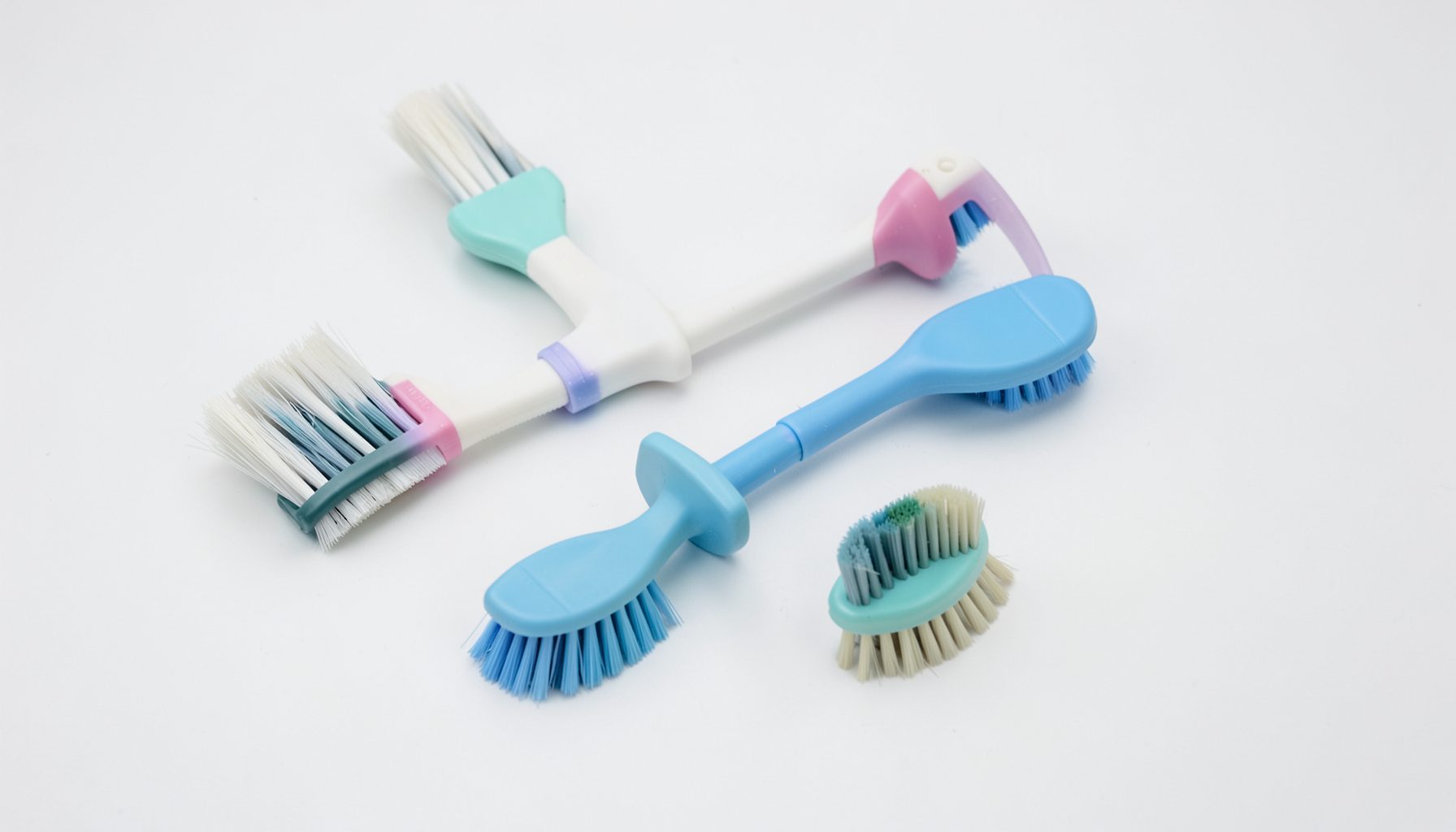
If the system includes a cleaning brush, use it only where the brush fits easily. ResQRinse cleaning brushes are intended to help reach narrow areas without requiring improvised tools. Never push a needle, pin, paper clip, or toothpick into the nozzle. These objects can scratch the plastic, widen the outlet, or leave behind fragments that affect the flow.
Rinse, Sanitize, and Dry Every Part
Once the residue has loosened, wash the bottle and removable components according to the manufacturer’s care instructions. Use mild dish soap if permitted, then rinse thoroughly until no soap smell or slippery film remains. Soap residue can irritate the nose and may also interfere with the taste and comfort of the saline solution.
Some systems can be cleaned in a dishwasher, while others should be washed by hand. Check the product directions before using heat. For a child’s nasal rinse bottle, pay special attention to the cap and nozzle because small amounts of residue can remain in hidden channels.
Allow every component to air-dry completely in a clean area before reassembly. Storing a wet bottle with the cap closed encourages microbial growth and makes saline deposits harder to remove. Keep the bottle uncapped or loosely separated while it dries, then reassemble it only when the parts are fully dry.
If you use nasal irrigation because of structural concerns, such as a deviated septum, product fit and technique may need extra attention. Guidance about rinsing with a deviated septum can help explain why flow may feel uneven and when professional advice is appropriate.
Check the Nozzle Without Damaging It
After cleaning, fill the bottle with water intended for cleaning or testing and gently squeeze it over a sink. A properly cleared nozzle should produce a consistent stream rather than a weak drip or a spray directed sideways. If the flow is uneven, remove and reseat the cap. A slightly crooked seal can allow air to escape around the threads instead of sending liquid through the outlet.
Inspect the nozzle for cracks, warping, discoloration, or a loose connection. A damaged tip cannot always be restored by cleaning. If the opening has become enlarged, the stream may be too forceful or poorly directed. If the plastic has split, replacing the cap or the entire bottle is safer than continuing to use it.
| Symptom | Likely cause | Appropriate action |
|---|---|---|
| No liquid exits, but air moves | Dried saline in the tip or inner channel | Soak in warm water and flush gently |
| Weak, irregular stream | Partially blocked opening or loose cap | Clean the nozzle and reseat the cap |
| Liquid leaks around the cap | Misaligned seal, worn gasket, or cross-threading | Remove, inspect, and reassemble carefully |
| Sideways spray | Damaged or warped outlet | Replace the nozzle or bottle |
| Bottle collapses with little flow | Blocked vent or internal tube | Clean the internal parts if removable |
| Unusual odor or cloudy residue | Inadequate cleaning or prolonged storage | Discontinue use, wash thoroughly, and replace if needed |
Do not use a nasal rinse if the bottle has visible mold, persistent odor, cracked plastic, or residue that will not wash away. A replacement component is usually inexpensive compared with the risk of putting a contaminated solution into the nose.
Prevent Future Nozzle Blockages
The simplest prevention is to empty and rinse the bottle immediately after each use. Flush the nozzle with clean water, shake out excess moisture, and leave the cap and bottle separated to dry. This prevents saline from crystallizing at the narrowest point, where even a small deposit can interrupt the stream.
Prepare each saline solution according to the packet directions. Too much powder can leave concentrated crystals behind, while too little may produce a solution that is uncomfortable. Avoid adding essential oils, medications, or other substances unless a healthcare professional specifically instructs you to do so.
Keep the bottle away from dusty bathroom surfaces and store it in a dry, ventilated location. Do not share a nasal rinse system, even within the same household. Replace saline packets that are torn, damp, or past their recommended use date, and replace the bottle or nozzle when cleaning no longer restores a clean, steady flow.
The ResQRinse blog includes additional guidance on nasal irrigation, saline preparation, and product care. Reviewing those instructions alongside the package directions can help you use the system consistently and comfortably.
Know When to Stop Using the Bottle
A blocked nozzle is usually a maintenance issue, but repeated obstruction can signal that the bottle is reaching the end of its useful life. Replace it if the plastic is cracked, the cap no longer seals, the valve stays stuck, or the nozzle continues to spray unpredictably after careful cleaning. A bottle that cannot be cleaned completely should not be used for nasal irrigation.
Stop rinsing and seek medical advice if you develop severe pain, persistent nosebleeds, fever, worsening facial swelling, or symptoms that do not improve as expected. People with recent nasal surgery, significant nasal obstruction, or other medical conditions may need individualized instructions before using an irrigation device.
Smoke exposure can leave the nasal passages irritated and congested, but a rinse should still be used gently and with safe water. Read the guidance on smoke inhalation relief before relying on irrigation after exposure, especially when breathing problems or serious symptoms are present.
Make Cleaning Part of the Routine
A few consistent habits keep a squeeze bottle nozzle working properly:
- Rinse the bottle and cap immediately after every use.
- Soak dried saline in warm water instead of scraping it with a sharp object.
- Use only distilled, sterile, or boiled-and-cooled water for nasal irrigation.
- Air-dry all parts completely before putting the system away.
- Replace damaged, contaminated, or persistently blocked components.
Clear the nozzle, inspect the seal, and test the bottle over a sink before your next rinse. When a replacement is needed, choose a complete ResQRinse kit or compatible accessory through the brand’s authorized Walmart or Amazon listings, then follow the included care instructions for dependable, comfortable nasal relief.