ResQRinse is the nasal irrigation squeeze bottle that eliminates head-tilting and awkward neck positions. Using proprietary Nasal Lock™ technology, it delivers a comfortable, gag-free sinus cleanse — no more saline dripping down your throat.
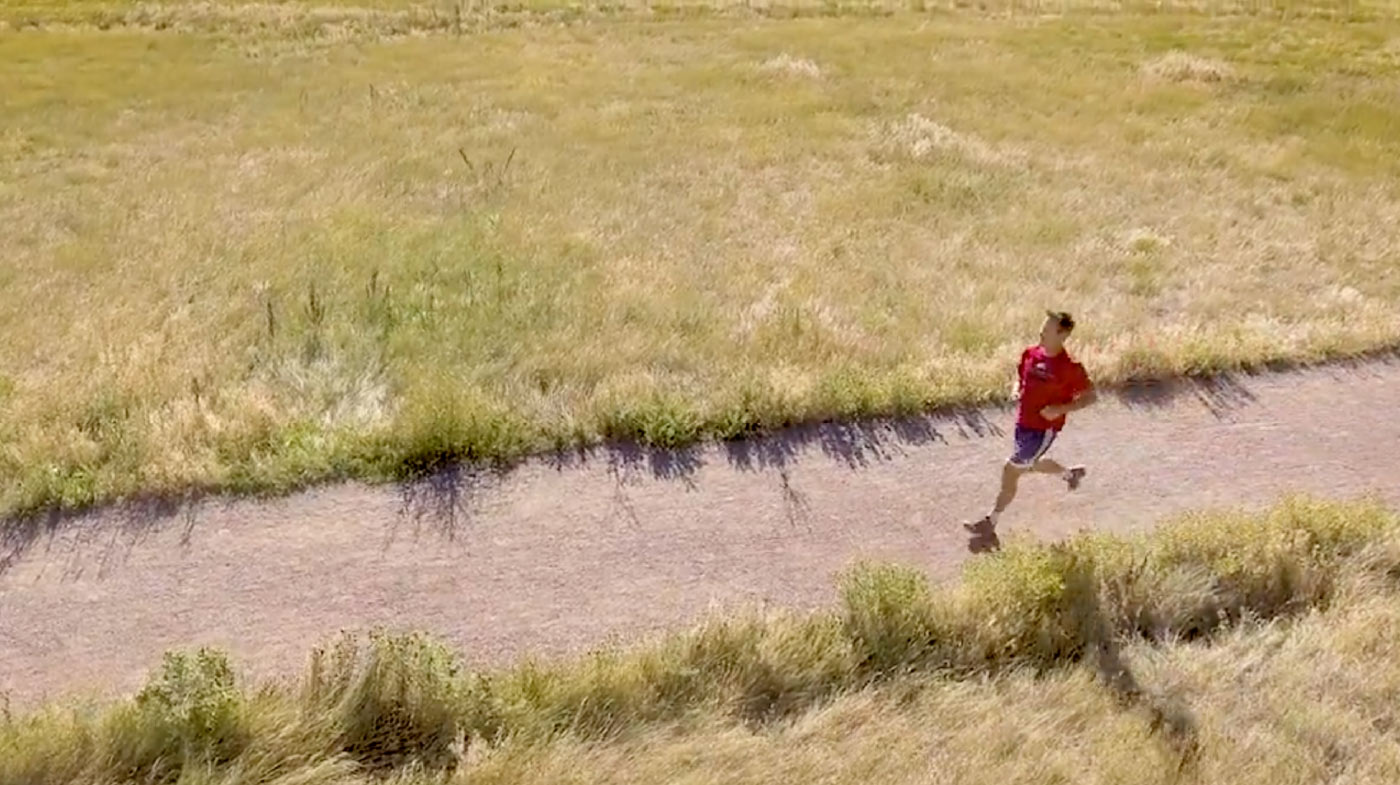
Relief From Fall Sneezes
Now sold on Walmart.com. Free shipping on orders $30+. Try ResQRinse today with your everyday purchases.
Shop at WalmartWhy ResQRinse?
Nasal rinsing helps relieve congestion from colds, allergies, sinusitis, hay fever, and environmental pollutants. ResQRinse makes it comfortable enough to become a daily habit.
Nasal Lock™ Technology
Isolates sinuses from the throat using natural choanal occlusion — like inflating a balloon — so saline stays where it belongs.
Learn more →
Drug-Free Relief
Uses premixed saline packets with distilled water. No medications, no preservatives — just a natural cleanse for your nasal passages.
How to rinse →
For Kids Too
ResQRinse for Kids features a comfort nasal tip right-sized for smaller nostril openings, making rinsing gentle and easy for children.
Shop kids' version →
Breath-Controlled Flow
You control the saline flow with your own breath pressure — high volume, low pressure irrigation that's comfortable and effective.
Watch how-to videos →
Better Compliance
Designed to overcome the gagging and discomfort that cause people to abandon traditional neti pots and nasal rinse systems.
Our story →
Complete Kits Available
From the basic ResQRinse Nasal Rinse System ($19.99) to 90-day complete kits, saline packets, cleaning brushes, and Sinoptim Nasal Mist.
Browse all products →Get Started with ResQRinse
Ready to experience a better nasal rinse? Fill out the form below and we'll help you find the right product — or follow the simple steps to begin rinsing today.
Request More Information
How to Use ResQRinse
Fill the Bottle
Fill the ResQRinse squeeze bottle with distilled or previously boiled water and add one premixed saline packet.
Position the Tip
Place the comfort tip gently against one nostril. No head-tilting or awkward neck angles needed.
Squeeze & Breathe
Squeeze the bottle gently while breathing through your mouth. Nasal Lock™ keeps saline in your nasal passages and out of your throat.
Repeat & Clean
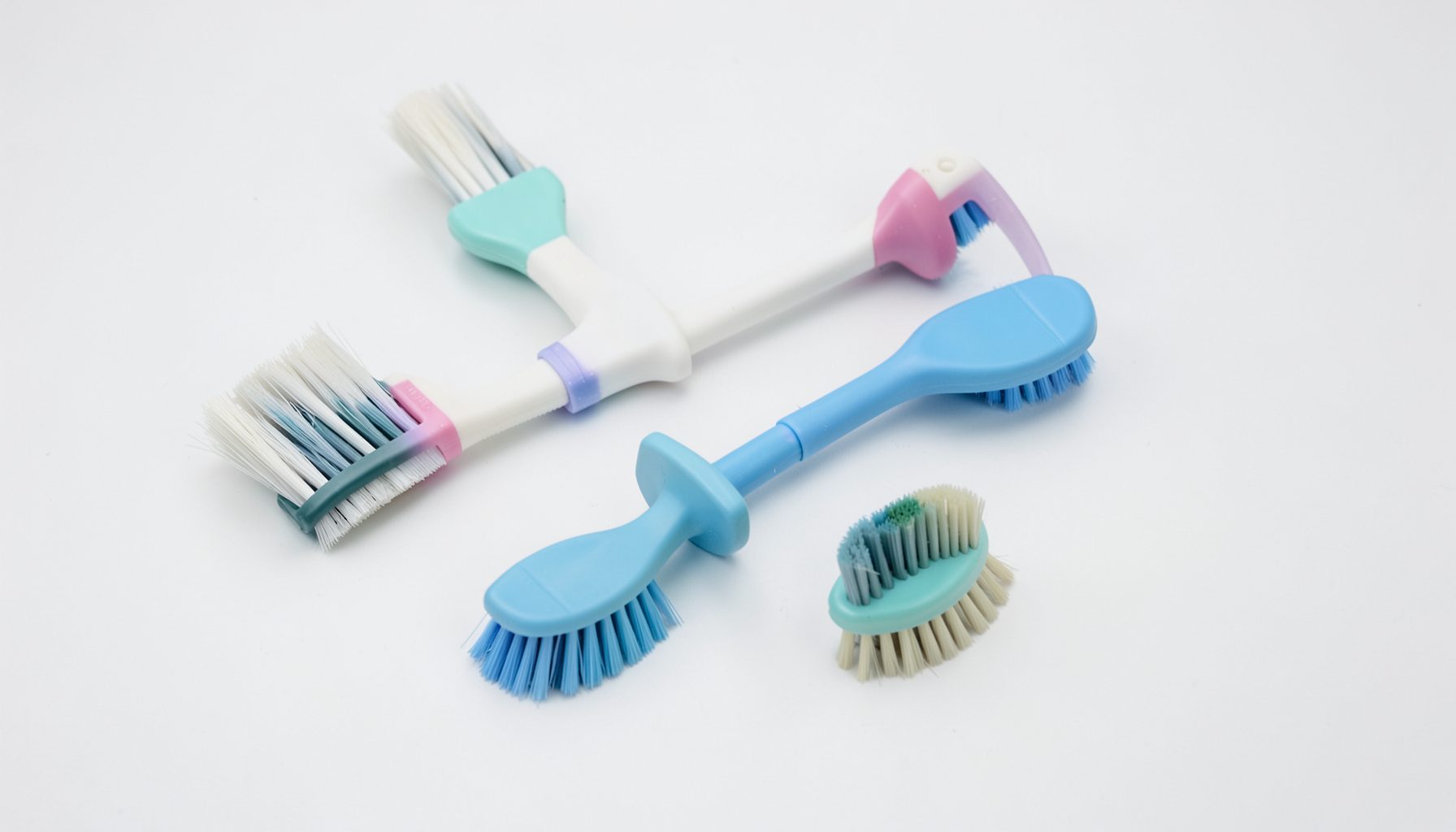
Switch nostrils and repeat. After use, rinse the bottle and let it air dry. Use ResQRinse Premium Cleaning Brushes for thorough cleaning.
How climate shapes your pollen-season nasal rinse routine
Pollen season does not feel the same everywhere. In a warm, humid region, tree and grass pollen may overlap for months while mold and dust mites add to the nasal burden. In a dry inland climate, wind can carry fine particles into the nose quickly, leaving the nasal lining irritated even when humidity is low. Temperature, rainfall, wind, and altitude all influence when symptoms appear and how often nasal cleansing may feel useful.
A saline nasal rinse can help wash away airborne allergens, mucus, and irritating particles before they remain in contact with nasal tissue. It may also loosen congestion and support a more comfortable breathing routine when used correctly. A rinse is not a cure for seasonal allergies, and severe or persistent symptoms should be discussed with a healthcare professional.
ResQRinse systems are designed for controlled, comfortable irrigation, with a squeeze bottle and Nasal Lock technology intended to help guide the saline solution through the nasal passages. Using the right water, the correct saline mixture, and a clean device matters in every climate zone.
Why pollen exposure varies by climate
In temperate regions, spring tree pollen is often followed by summer grass pollen and late-summer or autumn weed pollen. A person may have several distinct allergy periods, or symptoms may continue across seasons when different plants release pollen at different times. Cooler weather can briefly reduce exposure, but dry, windy days may still carry pollen over considerable distances.
Warm, humid climates often have a longer growing season. Rain can temporarily remove pollen from the air, yet thunderstorms and changing wind patterns may redistribute particles afterward. Humidity also encourages mold growth, which can create congestion that feels similar to a pollen response. A saline rinse may be useful after outdoor activity, gardening, or time spent near freshly cut grass.
Dry climates present a different combination of problems. Low humidity can dry and irritate the nasal lining, while wind, dust, and airborne pollen increase the amount of material entering the nose. In these conditions, a gentle saline rinse may provide cleansing and moisture support, although a nasal mist can be more convenient for mild dryness between full rinses.
Matching a rinse routine to your environment
The ideal frequency depends on symptoms, exposure, and comfort rather than a fixed calendar. Someone who works outdoors during a high-pollen week may choose a rinse after returning home, while a person with occasional symptoms may use one when congestion or postnasal drainage begins. Follow the product instructions and avoid forcing fluid through blocked passages.
Saline concentration affects comfort. A correctly prepared isotonic solution is generally gentle for routine use, while an improperly mixed solution may sting or increase irritation. Use the saline packets intended for the device, and prepare each rinse with distilled, sterile, or previously boiled and cooled water. Tap water should not be used unless it has been made safe according to public-health guidance.
Rinsing in the evening can remove pollen collected during the day and may help limit transfer to bedding. Morning use may be helpful after overnight congestion, particularly during periods of heavy tree or grass pollen. Clean and dry the bottle, cap, and accessories after every use, using a cleaning brush where appropriate.
Comparing pollen-season needs by climate zone
Climate zones are useful planning categories, but local pollen counts and personal triggers remain more important than a regional label. A coastal city, mountain town, and inland suburb at the same latitude can have very different exposure patterns. Weather apps, local allergy forecasts, and symptom tracking can help identify the most useful time for irrigation.
| Climate zone | Common nasal triggers | When a rinse may help | Practical focus |
|---|---|---|---|
| Temperate seasonal | Tree, grass, and weed pollen | After outdoor exposure or before bed | Prepare for several pollen peaks |
| Warm and humid | Long pollen seasons, mold, dust mites | During recurring congestion and after yard work | Combine cleansing with humidity and mold control |
| Dry or desert | Windblown pollen, dust, low humidity | After dusty activity or on windy days | Use gentle saline care and avoid over-rinsing |
| Coastal or maritime | Grass pollen, fluctuating mold, damp air | When humidity-related congestion increases | Watch local mold and pollen reports |
| High altitude | Pollen, dry air, cold air, lower humidity | After hiking, travel, or prolonged outdoor exposure | Increase attention to hydration and water safety |
| Tropical | Extended flowering seasons, mold, humidity | When symptoms recur across much of the year | Track triggers instead of relying on one season |
At higher elevations, the air is often cooler and drier, and physical activity may increase mouth breathing. These factors can make the nose feel dry or blocked even when pollen levels are moderate. Travelers can review this high-altitude travel guide before packing a rinse system, especially if they expect changes in altitude, temperature, or access to safe water.
Using nasal irrigation safely during allergy season
Before rinsing, wash your hands and check that the device is clean. Lean over a sink, keep your mouth open, and allow the saline to flow without creating excessive pressure. The solution may pass through one nostril and drain from the other, although the path can vary with congestion and anatomy. Stop if you experience sharp pain, significant ear pressure, bleeding, or worsening discomfort.
A squeeze bottle can make it easier to control the amount and speed of saline compared with a traditional neti pot. ResQRinse’s Nasal Lock design is intended to support a secure fit during use, which may help reduce mess for some people. Children should use an age-appropriate system with adult supervision, and they should never be pressured to continue if the process causes distress.
Nasal irrigation can complement other allergy measures, including keeping windows closed during peak pollen periods, showering after outdoor activities, and washing bedding regularly. It should not replace prescribed allergy treatment. If congestion lasts beyond the expected exposure, repeatedly affects sleep, or occurs with fever, facial swelling, severe facial pain, or breathing difficulty, seek medical care.
Adjusting care for travel and special circumstances
Travel can shift allergy symptoms quickly. Moving from a cool region into a humid one may increase exposure to mold and unfamiliar plants, while a flight or mountain trip can add dry cabin air and pressure changes. Pack saline packets in their original packaging and bring enough safe water or a practical way to obtain it. A compact nasal mist may be useful when a full irrigation setup is inconvenient.
Hormonal changes can also alter nasal sensitivity and congestion. Pregnancy-related rhinitis may occur with or without seasonal allergies, so a saline rinse can be considered as a non-drug comfort measure when used safely. Anyone who is pregnant should review treatments with a qualified clinician; ResQRinse provides further information on pregnancy nasal care, including the difference between hormonal congestion and allergy symptoms.
People with frequent nosebleeds, recent nasal surgery, structural blockage, or recurrent ear problems may need individualized advice before beginning irrigation. The same applies to young children who cannot reliably follow instructions. Safe water and careful device cleaning are essential regardless of age, location, or season.
Building a practical pollen-season routine
A simple routine is easier to maintain than frequent rinsing that causes irritation or becomes inconvenient. Start by observing when symptoms are strongest: after commuting, during morning gardening, after exercise, or at bedtime. Then choose the product format that fits the situation, such as a complete squeeze-bottle kit for home use, saline packets for consistent preparation, or nasal mist for quick moisture support.
Useful habits include:
- Check local pollen and mold levels before planning extended outdoor activities.
- Rinse after heavy exposure, such as mowing, hiking, gardening, or outdoor sports.
- Use only distilled, sterile, or properly boiled and cooled water.
- Wash and air-dry the device after each use, replacing parts as directed.
- Reduce indoor pollen by changing clothes, showering, and keeping outdoor gear away from the bed.
A rinse should feel comfortable rather than forceful. If the nose becomes increasingly dry or sore, reduce frequency and ask a healthcare professional whether another approach is appropriate. Keeping a brief symptom record can reveal whether pollen, dust, mold, dryness, or another trigger is driving the problem.
For households managing seasonal symptoms, a child-sized system and a separate adult device can make routines easier to supervise and more hygienic. ResQRinse products, saline supplies, cleaning brushes, and nasal mist options are available through major online retailers such as Walmart and Amazon, allowing families to select a format suited to their climate and daily schedule.
Make seasonal breathing care more consistent
Pollen exposure changes with geography, but safe nasal irrigation principles remain steady: use the correct saline mixture, choose safe water, clean the device, and rinse gently. A climate-aware routine can help remove irritants after outdoor exposure while supporting comfort during dry, humid, windy, or high-altitude conditions.
Explore the ResQRinse range and choose a nasal care option that fits your household’s needs. With a suitable system ready before pollen levels rise, seasonal congestion care can become a simple part of the daily routine.