ResQRinse is the nasal irrigation squeeze bottle that eliminates head-tilting and awkward neck positions. Using proprietary Nasal Lock™ technology, it delivers a comfortable, gag-free sinus cleanse — no more saline dripping down your throat.

Relief From Fall Sneezes
Now sold on Walmart.com. Free shipping on orders $30+. Try ResQRinse today with your everyday purchases.
Shop at WalmartWhy ResQRinse?
Nasal rinsing helps relieve congestion from colds, allergies, sinusitis, hay fever, and environmental pollutants. ResQRinse makes it comfortable enough to become a daily habit.
Nasal Lock™ Technology
Isolates sinuses from the throat using natural choanal occlusion — like inflating a balloon — so saline stays where it belongs.
Learn more →
Drug-Free Relief
Uses premixed saline packets with distilled water. No medications, no preservatives — just a natural cleanse for your nasal passages.
How to rinse →
For Kids Too
ResQRinse for Kids features a comfort nasal tip right-sized for smaller nostril openings, making rinsing gentle and easy for children.
Shop kids' version →
Breath-Controlled Flow
You control the saline flow with your own breath pressure — high volume, low pressure irrigation that's comfortable and effective.
Watch how-to videos →
Better Compliance
Designed to overcome the gagging and discomfort that cause people to abandon traditional neti pots and nasal rinse systems.
Our story →
Complete Kits Available
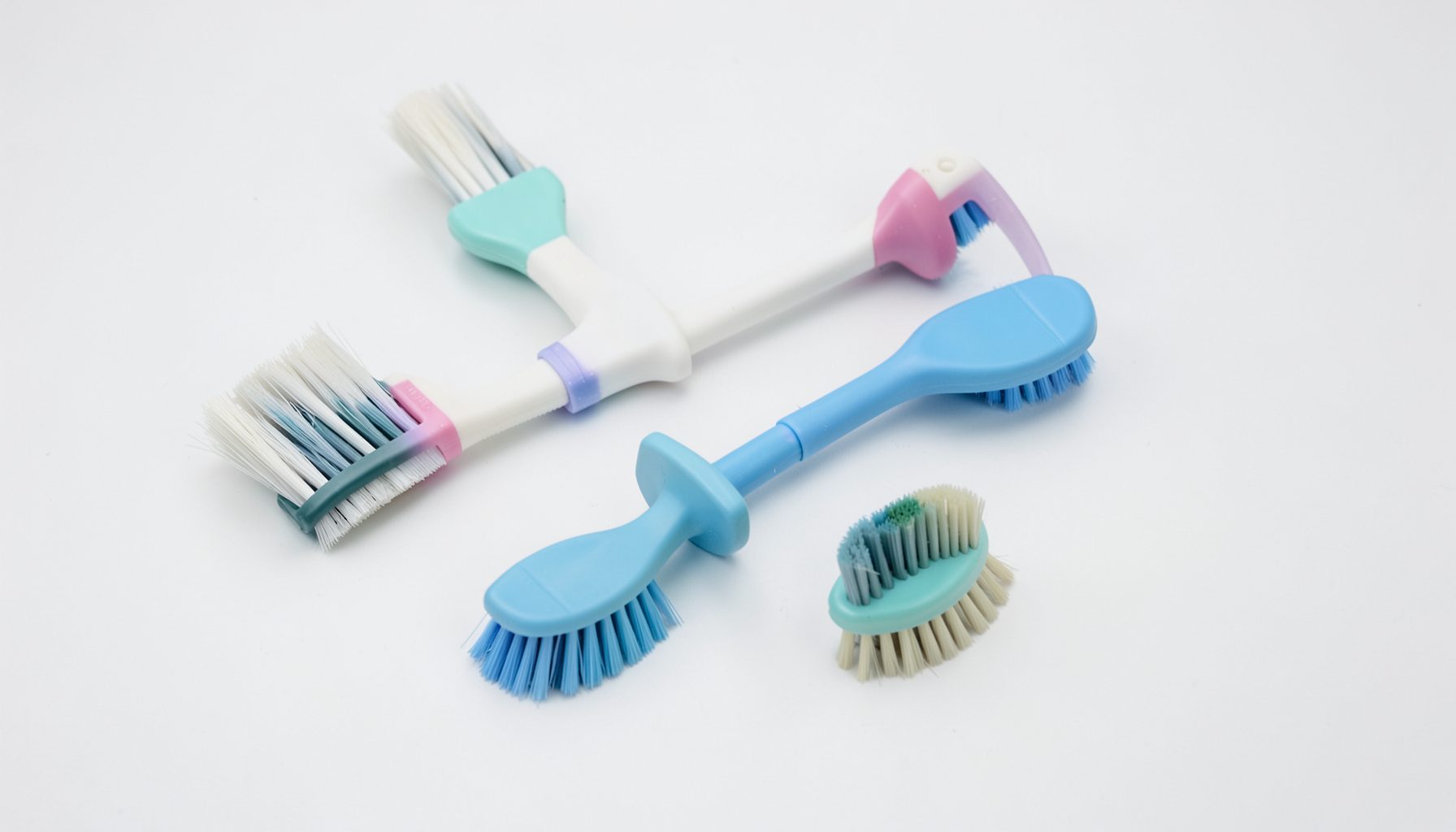
From the basic ResQRinse Nasal Rinse System ($19.99) to 90-day complete kits, saline packets, cleaning brushes, and Sinoptim Nasal Mist.
Browse all products →Get Started with ResQRinse
Ready to experience a better nasal rinse? Fill out the form below and we'll help you find the right product — or follow the simple steps to begin rinsing today.
Request More Information
How to Use ResQRinse
Fill the Bottle
Fill the ResQRinse squeeze bottle with distilled or previously boiled water and add one premixed saline packet.
Position the Tip
Place the comfort tip gently against one nostril. No head-tilting or awkward neck angles needed.
Squeeze & Breathe
Squeeze the bottle gently while breathing through your mouth. Nasal Lock™ keeps saline in your nasal passages and out of your throat.
Repeat & Clean
Switch nostrils and repeat. After use, rinse the bottle and let it air dry. Use ResQRinse Premium Cleaning Brushes for thorough cleaning.
Children’s nasal rinse: when to start and how to make it easy
A blocked nose can make sleep, meals, school, and play harder for children. Colds, seasonal allergies, dry air, and irritation may all cause mucus to build up, leaving a child breathing through the mouth or waking with congestion. A saline rinse can help wash away mucus and common irritants without adding medication.
The right time to begin depends on a child’s age, development, symptoms, and ability to cooperate. Nasal irrigation should feel gentle and controlled, never forced. Babies and very young children may need a different approach from older children who can follow instructions and spit out fluid reliably.
Parents can make the process less intimidating by choosing an age-appropriate device, demonstrating it first, and treating the rinse as a short part of a familiar routine. Medical advice is important when symptoms are severe, persistent, or unusual.
When a saline rinse may help
A saline rinse can be useful when congestion is caused by thick mucus, pollen, dust, or other nasal irritants. It may help clear the nasal passages before bedtime, after outdoor activities during allergy season, or before using a doctor-recommended nasal spray. Saline does not treat every cause of congestion, so the underlying problem still matters.
Children with occasional colds may only need rinsing for a few days. Those with recurring seasonal allergies or chronic nasal symptoms may use saline more regularly if a healthcare professional agrees. A step-by-step routine, such as this allergy season rinse plan, can help parents decide when rinsing fits into the day.
Do not use a rinse to delay medical care. Contact a pediatrician if a child has trouble breathing, swelling around the eyes, severe facial pain, dehydration, a high or persistent fever, repeated nosebleeds, or symptoms that continue longer than expected. Infants with breathing or feeding difficulties need prompt professional attention.
Choosing the right age and method
There is no single starting age that is safe and comfortable for every child. Infants generally cannot control the flow, spit on command, or cooperate with a squeeze-bottle rinse. For babies and toddlers, parents should ask a pediatrician about appropriate saline drops, spray, or suction methods instead of adapting an adult irrigation system.
Many older toddlers and preschoolers can begin learning with supervision, but readiness is more important than a specific birthday. A child may be ready when they can follow simple instructions, keep their mouth open while breathing, lean over a sink, and tolerate a small amount of fluid without panic. Some children develop these skills earlier, while others need more time.
School-age children often have the coordination to use a child-sized squeeze bottle with an adult nearby. They should still receive help preparing the solution, positioning the bottle, and cleaning the device. Independent use should wait until the child can consistently follow hygiene and safety steps.
Make the first experience comfortable
Begin by explaining what will happen in simple, neutral language. “The salty water will go in one side and come out the other” is usually clearer than promising that it will feel pleasant. Let the child examine the bottle, watch a parent demonstrate with water, or practice leaning over the sink before any saline is used.
Position matters. The child should lean forward over a sink, keep the mouth open, and turn the head slightly so fluid can pass through without being swallowed in large amounts. A gentle, steady squeeze is better than sudden pressure. If the child coughs, gags, feels pain, or becomes distressed, stop and reset rather than trying to finish quickly.
Temperature can affect comfort. Use saline close to body temperature, never hot. Have a towel ready and allow the child to blow the nose gently afterward. A short rinse followed by praise is more effective than a long session that becomes a struggle.
Compare options for children
Different nasal care products suit different ages and levels of cooperation. A saline mist may be a good choice for light dryness or for children who are not ready for irrigation. A squeeze bottle can deliver a more thorough flow, but it requires better positioning and supervision. Traditional neti pots also require careful technique and may be less convenient for young users.
ResQRinse offers nasal rinse systems in several formats, including children’s options, saline packets, cleaning accessories, and nasal mist. The best choice is the one the child can use calmly and safely, not necessarily the option that produces the strongest sensation.
| Option | Often suits | Main advantage | Parent considerations |
|---|---|---|---|
| Saline mist | Babies and children who resist irrigation | Quick and gentle moisture | May not remove thick mucus as thoroughly |
| Saline drops | Infants when advised by a clinician | Simple application | Follow pediatric guidance for suction and frequency |
| Child-sized squeeze bottle | Cooperative preschool and school-age children | Flushes mucus and irritants effectively | Requires supervision, correct positioning, and cleaning |
| Neti pot | Older, confident users | Controlled pouring action | Can be awkward for children and needs careful technique |
| Pre-measured saline packets | Families using a compatible rinse device | Consistent salt concentration | Must be mixed with safe water according to directions |
A device with a controlled seal can also reduce leaks and help children feel more secure. ResQRinse describes its Nasal Lock technology as a design feature intended to support a comfortable, contained flow. Regardless of the product, parents should follow the package instructions rather than changing the amount of saline or water.
Keep water and cleaning safe
Only use distilled or sterile water, or tap water that has been boiled and cooled as directed by a trusted health authority. Ordinary untreated tap water can contain organisms that are unsafe to introduce into the nasal passages. Use the correct saline packet or measured salt mixture so the solution is neither too concentrated nor too weak.
Prepare a fresh solution for each use unless the product instructions specifically state otherwise. Do not save leftover saline in the bottle. Check the water temperature before handing the device to a child, and keep packets and equipment out of reach of young children.
Cleaning is part of the treatment routine. Rinse the bottle and parts with safe water, wash them according to the manufacturer’s directions, and allow them to air-dry fully. A cleaning brush can help reach narrow areas, but replace the device or parts when they become cracked, cloudy, difficult to clean, or past their recommended service life.
Build a routine without pressure
Children are more likely to accept nasal care when it happens at a predictable time. Before bed can be helpful for nighttime congestion, while a rinse after outdoor play may suit children with pollen sensitivity. Avoid starting when the child is exhausted, rushed, or already upset.
Give limited choices that preserve the routine: which bathroom to use, whether to bring a favorite towel, or whether to rinse before or after pajamas. A sticker chart or brief praise can reinforce cooperation, but avoid presenting the rinse as punishment for being sick. The goal is to build confidence and body awareness.
A child may need several short attempts before the process feels normal. Keep the first session brief, stop if there is pain, and try again later when the child is calm. Never hold a child down to perform nasal irrigation. Fear can make future nasal care harder and may lead to unsafe movement during the rinse.
Practical habits for parents
The following habits can make a child’s nasal care more consistent and safer:
- Match the product and technique to the child’s age, size, and ability to cooperate.
- Use only distilled, sterile, or properly boiled and cooled water with the correct saline measure.
- Supervise every rinse until the child reliably follows positioning, flow, and cleaning instructions.
- Stop for pain, ear pressure, bleeding, severe coughing, or distress, and seek clinical advice when symptoms persist.
- Clean, dry, and replace the device according to the manufacturer’s instructions.
Parents should also tell a healthcare professional about frequent nosebleeds, ear problems, facial abnormalities, immune conditions, or previous nasal surgery before beginning regular irrigation. These circumstances may require a customized plan.
When used appropriately, saline rinsing can become a simple supportive habit rather than a stressful medical event. Start with comfort, use equipment designed for the child’s stage, and keep safety at the center of every session. Explore age-appropriate ResQRinse products and follow the included instructions to create a calmer congestion-care routine at home.