ResQRinse is the nasal irrigation squeeze bottle that eliminates head-tilting and awkward neck positions. Using proprietary Nasal Lock™ technology, it delivers a comfortable, gag-free sinus cleanse — no more saline dripping down your throat.

Relief From Fall Sneezes
Now sold on Walmart.com. Free shipping on orders $30+. Try ResQRinse today with your everyday purchases.
Shop at WalmartWhy ResQRinse?
Nasal rinsing helps relieve congestion from colds, allergies, sinusitis, hay fever, and environmental pollutants. ResQRinse makes it comfortable enough to become a daily habit.
Nasal Lock™ Technology
Isolates sinuses from the throat using natural choanal occlusion — like inflating a balloon — so saline stays where it belongs.
Learn more →
Drug-Free Relief
Uses premixed saline packets with distilled water. No medications, no preservatives — just a natural cleanse for your nasal passages.
How to rinse →
For Kids Too
ResQRinse for Kids features a comfort nasal tip right-sized for smaller nostril openings, making rinsing gentle and easy for children.
Shop kids' version →
Breath-Controlled Flow
You control the saline flow with your own breath pressure — high volume, low pressure irrigation that's comfortable and effective.
Watch how-to videos →
Better Compliance
Designed to overcome the gagging and discomfort that cause people to abandon traditional neti pots and nasal rinse systems.
Our story →
Complete Kits Available
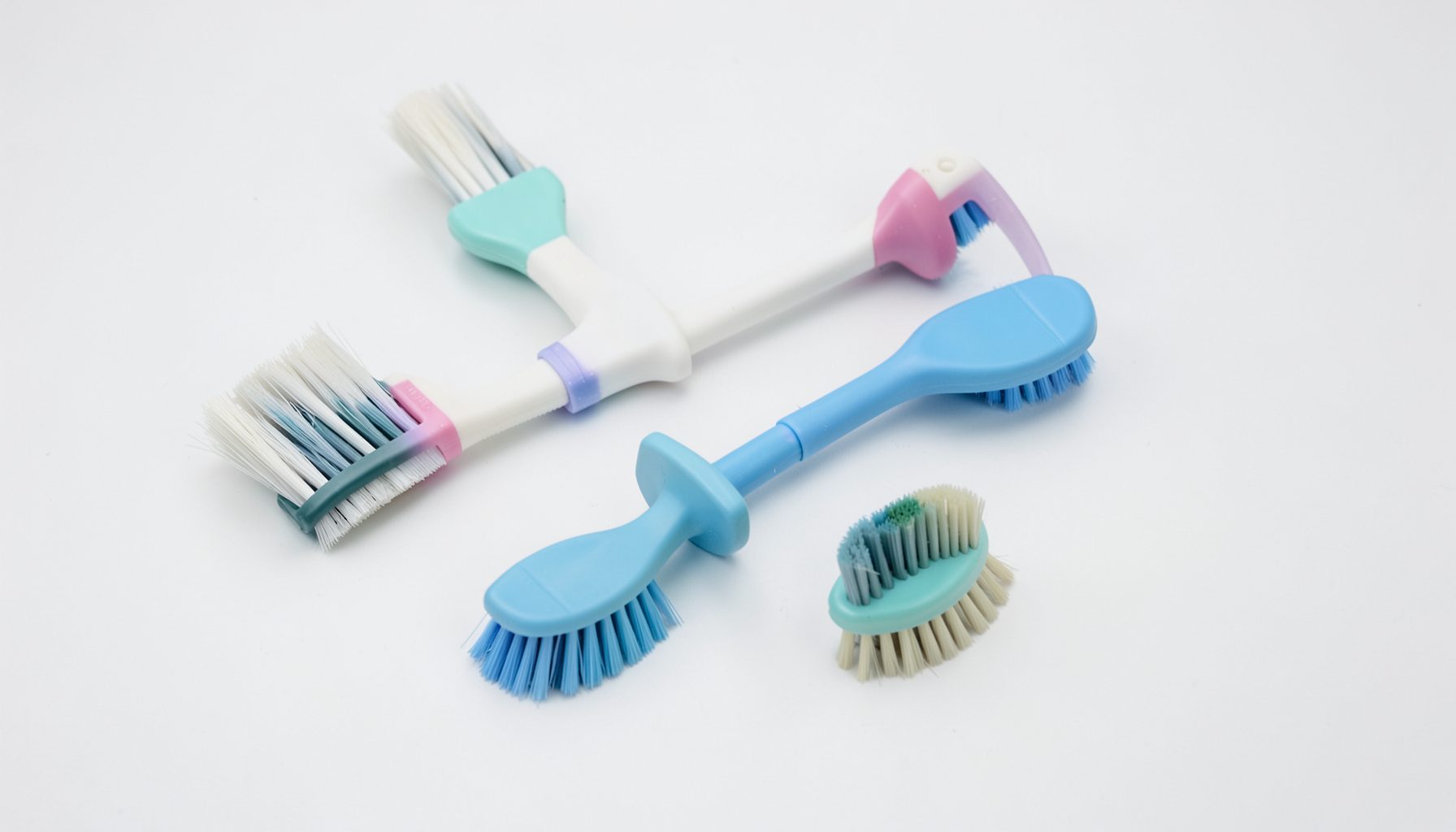
From the basic ResQRinse Nasal Rinse System ($19.99) to 90-day complete kits, saline packets, cleaning brushes, and Sinoptim Nasal Mist.
Browse all products →Get Started with ResQRinse
Ready to experience a better nasal rinse? Fill out the form below and we'll help you find the right product — or follow the simple steps to begin rinsing today.
Request More Information
How to Use ResQRinse
Fill the Bottle
Fill the ResQRinse squeeze bottle with distilled or previously boiled water and add one premixed saline packet.
Position the Tip
Place the comfort tip gently against one nostril. No head-tilting or awkward neck angles needed.
Squeeze & Breathe
Squeeze the bottle gently while breathing through your mouth. Nasal Lock™ keeps saline in your nasal passages and out of your throat.
Repeat & Clean
Switch nostrils and repeat. After use, rinse the bottle and let it air dry. Use ResQRinse Premium Cleaning Brushes for thorough cleaning.
Why Your Nasal Rinse Bottle Should Be Replaced Every Season
A nasal rinse bottle can become part of a daily routine during allergy season, a cold, dry winter, or a period of sinus discomfort. Because it is used inside the nose and regularly exposed to water, saline, mucus, and air, the bottle deserves the same attention as other personal-care items.
Replacing the container at the start of each season creates a simple safety checkpoint. It helps you begin with a clean, intact system before congestion and nasal irritation become frequent. The timing is also easy to remember, whether you use a squeeze bottle, a children’s nasal rinse system, or a complete sinus-care kit.
Seasonal replacement does not eliminate the need for cleaning after every use. Instead, it supports good hygiene by addressing the gradual wear and residue that routine washing may not fully solve. The right care habits can keep nasal irrigation comfortable, dependable, and easier to use.
Why a nasal rinse bottle needs regular attention
A rinse bottle comes into contact with saline solution and the inside of the nose. Even when it appears clean, small amounts of moisture can remain in the cap, nozzle, threads, or internal corners. Those damp areas may support unwanted microbial growth if the bottle is not rinsed, dried, and stored properly.
Repeated handling also transfers germs from hands, countertops, bathroom surfaces, and storage bags. A bottle used during a cold can carry more residue than one used occasionally for mild seasonal allergies. Children’s bottles may receive even heavier use because they are squeezed frequently, handled by small hands, or left in places where they are difficult to dry completely.
A fresh bottle provides a practical reset. It can reduce concern about hidden buildup, aging plastic, and an overworked nozzle. For an overview of the brand’s approach to comfortable nasal irrigation, explore the ResQRinse approach before selecting the system that fits your routine.
What changes over a season of use
Plastic and flexible components gradually experience mechanical stress. Each squeeze expands and compresses the bottle, while repeated opening and closing can wear down the cap threads or seal. Over time, the nozzle may become less secure, the bottle may feel softer or stiffer, and the stream may become inconsistent.
Saline residue is another consideration. If a bottle is not thoroughly rinsed after each use, salt can dry around the opening or inside the cap. This may leave a rough texture, restrict flow, or make the components harder to clean. A brush can help with accessible areas, but it cannot always reach every internal surface.
Storage conditions also influence longevity. A bottle kept damp in a closed cabinet, travel pouch, or shower area may remain wet for long periods. Heat and sunlight can affect plastic over time, while accidental drops can create tiny cracks that are difficult to see. Seasonal replacement addresses these gradual changes before they interfere with use.
Cleaning helps, but it does not make a bottle permanent
After each use, empty leftover solution and rinse the bottle and cap according to the product directions. Allow all parts to air-dry fully before reassembling or storing them. A cleaning brush can be useful for removing residue from the bottle opening and other reachable areas, but it should also be washed and dried between uses.
Use the water recommended by your healthcare professional and the product instructions. Nasal irrigation commonly requires distilled, sterile, or previously boiled and cooled water rather than untreated tap water. Prepare fresh saline solution as directed, and avoid storing mixed solution in the bottle for the next use unless the manufacturer specifically permits it.
Regular cleaning lowers the amount of residue and contamination, yet it cannot reverse material fatigue or guarantee that concealed areas are perfectly clean. That is why replacement remains sensible even for a bottle that appears serviceable. The goal is a layered routine: safe water, correct saline, careful cleaning, complete drying, and periodic renewal.
| Care factor | What it affects | Why seasonal replacement helps |
|---|---|---|
| Frequent squeezing | Bottle flexibility and seal performance | Restores predictable pressure and flow |
| Dried saline | Cap, nozzle, and opening cleanliness | Removes a source of residue that may be difficult to reach |
| Damp storage | Odor and microbial growth risk | Provides a clean starting point after repeated moisture exposure |
| Drops or heat | Cracks, warping, and weakened plastic | Replaces components that may fail without obvious warning |
| Shared or family use | Germ transfer and handling frequency | Gives each user a fresh, dedicated system when appropriate |
| Heavy illness or allergy use | Greater exposure to mucus and solution | Shortens the interval when the bottle has been heavily used |
Seasonal timing makes replacement easier to remember
The phrase “every season” is a useful maintenance schedule rather than a universal expiration rule. Some people may use a nasal rinse bottle daily for several months, while others may use it only during occasional congestion. Always follow the manufacturer’s replacement guidance and inspect the system regularly.
A seasonal schedule works because nasal symptoms often change throughout the year. Spring and fall may bring increased pollen exposure, winter can mean dry air and respiratory illness, and summer travel may introduce heat, humidity, or less controlled storage. Starting each period with a fresh bottle helps match the equipment to the intensity of use.
Replace the bottle sooner if it is shared, used during an infection, stored while wet, or handled by a child who may drop it. A bottle used by one person several times a week in a dry, clean environment may experience less stress, but it should still be inspected at every cleaning.
Signs your rinse system should be replaced now
A visible crack is an obvious reason to discard a nasal rinse bottle, but it is not the only warning sign. Look for cloudy plastic, discoloration, persistent odor, rough areas, or residue that remains after careful washing. These changes suggest the material or internal surfaces may no longer be easy to maintain.
Pay attention to function as well. A loose cap, leaking seal, blocked nozzle, uneven spray, or bottle that no longer returns to its normal shape can affect comfort and performance. If the bottle suddenly requires excessive pressure or sends solution in an unpredictable direction, replacing it is safer than trying to force it back into service.
Do not share a nasal irrigation bottle, even within a household. Each person should have a dedicated system, and children should use an age-appropriate product with supervision. If nasal bleeding, severe pain, fever, worsening symptoms, or persistent congestion occurs, pause use and seek advice from a qualified healthcare professional.
Choosing a fresh system for your routine
A squeeze-bottle rinse system can be convenient for controlled pressure and portability. Features such as Nasal Lock technology are designed to help create a comfortable seal and direct saline through the nasal passages with less mess. Comfort, grip, nozzle design, and the ability to clean each component all matter when choosing a replacement.
Some users may prefer a complete kit that includes saline packets, while others may need a smaller children’s version or a nasal mist for lighter moisture support. The best option depends on age, symptoms, frequency of use, and the instructions provided with the product. A replacement is more useful when the new system fits the way you actually care for your nose.
Keep replacement saline packets stored in a dry place and check their packaging before use. Do not use packets that are damaged, damp, or past their stated date. For additional practical information about nasal care, the ResQRinse nasal care guidance offers related education and product-use information.
A simple seasonal replacement routine
Build the change into an existing calendar habit, such as the first week of spring, summer, fall, and winter. Marking the date on a household health calendar can help families remember which bottle belongs to which person and when it was opened.
Use these steps to keep the process consistent:
- Inspect the bottle, cap, nozzle, seal, and any cleaning brush for cracks, residue, odor, or distortion.
- Discard the old system sooner if it has been shared, dropped, stored wet, or used heavily during an illness.
- Open a fresh bottle and confirm that its components are intact and compatible before the first use.
- Follow the directions for safe water, saline preparation, cleaning, drying, and storage.
- Keep each person’s nasal rinse system separate, especially in homes with children or frequent respiratory infections.
A seasonal reset also gives you an opportunity to replace worn brushes and replenish saline packets. Store the new bottle in a clean, dry location away from direct heat and sunlight. With these small habits, nasal irrigation can remain a more comfortable and dependable part of congestion and allergy care.
Choose a fresh nasal rinse system when the season changes, follow the cleaning instructions after every use, and replace it earlier whenever wear or heavy use raises concern. Keeping a new, well-maintained bottle ready can make relief easier to manage when nasal symptoms return.