ResQRinse is the nasal irrigation squeeze bottle that eliminates head-tilting and awkward neck positions. Using proprietary Nasal Lock™ technology, it delivers a comfortable, gag-free sinus cleanse — no more saline dripping down your throat.

Relief From Fall Sneezes
Now sold on Walmart.com. Free shipping on orders $30+. Try ResQRinse today with your everyday purchases.
Shop at WalmartWhy ResQRinse?
Nasal rinsing helps relieve congestion from colds, allergies, sinusitis, hay fever, and environmental pollutants. ResQRinse makes it comfortable enough to become a daily habit.
Nasal Lock™ Technology
Isolates sinuses from the throat using natural choanal occlusion — like inflating a balloon — so saline stays where it belongs.
Learn more →
Drug-Free Relief
Uses premixed saline packets with distilled water. No medications, no preservatives — just a natural cleanse for your nasal passages.
How to rinse →
For Kids Too
ResQRinse for Kids features a comfort nasal tip right-sized for smaller nostril openings, making rinsing gentle and easy for children.
Shop kids' version →
Breath-Controlled Flow
You control the saline flow with your own breath pressure — high volume, low pressure irrigation that's comfortable and effective.
Watch how-to videos →
Better Compliance
Designed to overcome the gagging and discomfort that cause people to abandon traditional neti pots and nasal rinse systems.
Our story →
Complete Kits Available
From the basic ResQRinse Nasal Rinse System ($19.99) to 90-day complete kits, saline packets, cleaning brushes, and Sinoptim Nasal Mist.
Browse all products →Get Started with ResQRinse
Ready to experience a better nasal rinse? Fill out the form below and we'll help you find the right product — or follow the simple steps to begin rinsing today.
Request More Information
How to Use ResQRinse
Fill the Bottle
Fill the ResQRinse squeeze bottle with distilled or previously boiled water and add one premixed saline packet.
Position the Tip
Place the comfort tip gently against one nostril. No head-tilting or awkward neck angles needed.
Squeeze & Breathe
Squeeze the bottle gently while breathing through your mouth. Nasal Lock™ keeps saline in your nasal passages and out of your throat.
Repeat & Clean
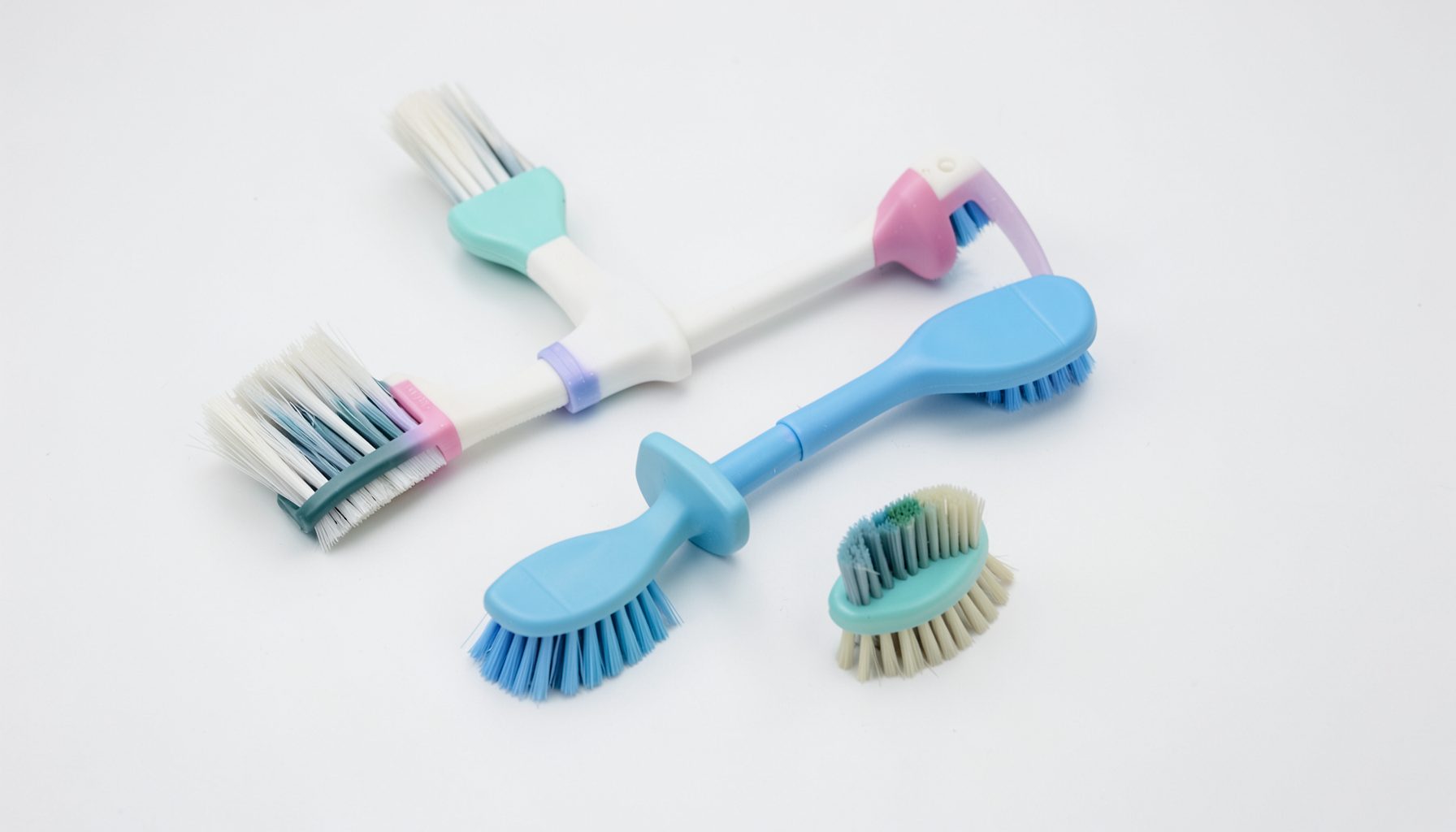
Switch nostrils and repeat. After use, rinse the bottle and let it air dry. Use ResQRinse Premium Cleaning Brushes for thorough cleaning.
Why nasal rinsing matters during peak pollen hours
Pollen exposure can rise quickly when grass, tree and weed particles are released into the air. A walk to work in Melbourne, a morning school run in Canberra or an afternoon outdoors in Brisbane may leave pollen clinging to the nose, even when symptoms have not appeared straight away. Rinsing at the right times can help clear those irritants before they remain in contact with the nasal lining for hours.
A saline rinse is a simple hygiene step for people who experience seasonal allergies, hay fever, congestion or sinus pressure. Frequency should reflect your exposure, symptoms and product instructions rather than a rigid schedule. During Australia’s high-pollen periods, a carefully timed rinse may provide more useful relief than waiting until the nose feels completely blocked.
Why pollen timing changes nasal comfort
Pollen levels are influenced by plant species, temperature, wind, rainfall and local weather patterns. Dry, breezy conditions can carry grass and tree pollen across suburbs, while a storm after a hot day may break pollen into smaller particles that are easier to inhale. Melbourne’s well-known thunderstorm asthma risk shows how quickly airborne irritants can become a serious concern for susceptible people.
Morning is often a high-exposure period because outdoor plants release pollen as temperatures rise. However, there is no universal “worst hour”. In some areas, wind and heat push levels higher later in the day. Checking local allergy forecasts, weather conditions and personal symptoms is more useful than assuming that every morning has the same risk. ResQRinse shares practical updates and product information through its latest health news.
Rinsing soon after outdoor exposure can remove particles before they settle deeper into mucus. A second rinse later may be reasonable after gardening, sport, mowing or a long commute, especially when the nose feels itchy or congested. People with frequent or severe symptoms should follow advice from a pharmacist, GP or allergy specialist.
How saline rinsing clears airborne irritants
A nasal irrigation system flushes the nasal passages with a saline solution. The flow can loosen pollen, dust, dried mucus and other particles, while saline helps make the process more comfortable than plain water. Clearing the passages may reduce the feeling of stuffiness and help the nose work more effectively as a filter.
A squeeze-bottle system gives users control over the pressure and duration of the rinse. ResQRinse’s Nasal Lock technology is designed to support a secure, comfortable fit, which can be helpful for people who find traditional neti pots awkward. Children need close supervision and an age-appropriate product, particularly when they are learning how to breathe and position the bottle.
The correct water matters. Use sterile or distilled water, or tap water that has been boiled and cooled according to trusted Australian health guidance. Do not use untreated water directly from the tap for nasal irrigation. Mix saline packets exactly as directed, because a solution that is too weak or too strong can cause stinging and irritation.
Adjusting your routine for Australian conditions
Australia’s climate varies widely, so an effective schedule in Hobart may feel inadequate in Adelaide or Perth. Dry inland air can thicken mucus, while coastal humidity in Sydney, Darwin or Brisbane may make congestion feel heavier. A guide to rinsing in different climates can help explain why the same symptoms may need different comfort measures.
During a high-pollen day, one rinse after outdoor activity may be enough for a person with mild symptoms. Someone who has spent hours outside, opened windows during a windy afternoon or worked with grass may prefer a rinse after returning indoors and another before bed. Rinsing too often can irritate the nasal lining, so follow the instructions supplied with the system and reduce frequency if burning, dryness or nosebleeds develop.
Air conditioning can also influence comfort. It may reduce indoor heat but circulate dry air or accumulated dust if filters are overdue for cleaning. Keeping bedroom surfaces clean, changing filters as recommended and showering after heavy outdoor exposure can support a rinse routine without relying on irrigation alone.
Fitting rinsing around sleep and daily activities
Nasal congestion can become more noticeable when lying down. A clear nasal passage may make it easier to settle at night, particularly after a day spent around flowering trees, lawns or airborne dust. A saline rinse before sleep should be gentle and completed with enough time for excess solution to drain rather than immediately lying flat.
Some people also benefit from rinsing before a long daytime rest, especially if nasal symptoms worsen in a warm room or after outdoor exercise. The guidance on saline before a nap explains how timing can fit around rest without turning the routine into an unnecessarily frequent treatment.
Avoid rinsing immediately before swimming, vigorous exercise or travelling if the nose still feels full of solution. Allow a few minutes for drainage, then clean the bottle and let it dry thoroughly. A clean device is essential because a damp, poorly maintained bottle can become a source of contamination.
A practical pollen-day routine
A predictable routine makes it easier to respond to exposure without overusing the rinse. Consider pollen forecasts alongside your own pattern of symptoms: itchy eyes after a park visit, sneezing during a school drop-off or congestion after mowing are useful clues. People using medicated nasal sprays should ask a pharmacist or doctor whether irrigation should come before the spray and how long to wait.
Keep saline sachets and the cleaning brush together with the bottle, rather than storing them separately in a bathroom drawer. Follow the manufacturer’s cleaning instructions and replace parts when they become cracked, cloudy or difficult to clean. Products sold through online marketplaces should have clear directions, safety information and a traceable seller.
Useful steps before and after exposure include:
- Check the weather and local pollen conditions before outdoor plans.
- Rinse after gardening, mowing, sport or extended time outside.
- Wash your face, hair and hands after heavy pollen exposure.
- Close windows during visibly windy or high-pollen periods.
A second list can help distinguish normal adjustment from a reason to pause. Nasal irrigation is supportive care, not a substitute for urgent treatment. Seek medical help for breathing difficulty, wheezing, facial swelling, high fever, severe one-sided pain or symptoms that persist or repeatedly interfere with daily life.
Stop and seek advice if you notice:
- Recurrent nosebleeds or significant nasal pain.
- Worsening pressure, fever or foul-smelling discharge.
- Severe ear discomfort after rinsing.
- Difficulty breathing or signs of asthma.
Choosing a safe system and saline supply
A squeeze bottle may suit people who want a quicker, more directed rinse, while a nasal mist can be convenient for mild dryness or travel. A complete kit can make regular use simpler by including saline packets and cleaning accessories. The best choice depends on age, dexterity, symptom severity and how often outdoor exposure occurs.
Australian shoppers should check shipping details, instructions and product claims before buying from an overseas marketplace. The Therapeutic Goods Administration regulates many therapeutic goods in Australia, but regulatory status can vary by product category and seller. Look for transparent labelling, batch information and directions that clearly explain water safety, cleaning and intended use.
Online health shopping also requires care with unrelated medicines and exaggerated promises. A short guide to brand medicine differences illustrates why buyers should compare active ingredients, instructions, packaging and seller credibility rather than relying on a familiar-looking name. For nasal irrigation, choose a saline product made for nasal use and avoid homemade mixtures with uncertain measurements.
Product information from a consumer health resource may offer additional general reading, but individual symptoms still deserve professional assessment. A pharmacist in Sydney, Perth or regional New South Wales can help review a routine, especially if allergies occur alongside asthma, recurrent sinus infections or regular medication use.
Making frequent rinsing comfortable and consistent
Comfort determines whether a pollen-season routine lasts. Use lukewarm prepared water, lean over a sink and breathe through the mouth while allowing the solution to pass gently through the nasal passages. Never force the flow if one side is completely blocked or if pressure causes pain. Pause, adjust your position and follow the product instructions.
After use, empty the bottle, wash it as directed and allow every component to air-dry. Do not share a nasal irrigation device, even within the same household. Children should use a suitable children’s version only with an adult’s supervision, and they should never be encouraged to squeeze forcefully.
The aim is timely clearance, not constant rinsing. On a low-exposure day, a single rinse or no rinse may be appropriate. On a windy, high-pollen day, rinsing after exposure and before sleep may provide better comfort. Monitor dryness and symptoms, then discuss persistent problems with a healthcare professional.
Make pollen-season relief part of your daily preparation with a properly maintained ResQRinse system, fresh saline packets and safe water. Browse the available rinse kits, children’s options, nasal mist and cleaning accessories through the brand’s authorised shopping channels, and use them according to the supplied instructions for comfortable, consistent nasal care.