ResQRinse is the nasal irrigation squeeze bottle that eliminates head-tilting and awkward neck positions. Using proprietary Nasal Lock™ technology, it delivers a comfortable, gag-free sinus cleanse — no more saline dripping down your throat.

Relief From Fall Sneezes
Now sold on Walmart.com. Free shipping on orders $30+. Try ResQRinse today with your everyday purchases.
Shop at WalmartWhy ResQRinse?
Nasal rinsing helps relieve congestion from colds, allergies, sinusitis, hay fever, and environmental pollutants. ResQRinse makes it comfortable enough to become a daily habit.
Nasal Lock™ Technology
Isolates sinuses from the throat using natural choanal occlusion — like inflating a balloon — so saline stays where it belongs.
Learn more →
Drug-Free Relief
Uses premixed saline packets with distilled water. No medications, no preservatives — just a natural cleanse for your nasal passages.
How to rinse →
For Kids Too
ResQRinse for Kids features a comfort nasal tip right-sized for smaller nostril openings, making rinsing gentle and easy for children.
Shop kids' version →
Breath-Controlled Flow
You control the saline flow with your own breath pressure — high volume, low pressure irrigation that's comfortable and effective.
Watch how-to videos →
Better Compliance
Designed to overcome the gagging and discomfort that cause people to abandon traditional neti pots and nasal rinse systems.
Our story →
Complete Kits Available
From the basic ResQRinse Nasal Rinse System ($19.99) to 90-day complete kits, saline packets, cleaning brushes, and Sinoptim Nasal Mist.
Browse all products →Get Started with ResQRinse
Ready to experience a better nasal rinse? Fill out the form below and we'll help you find the right product — or follow the simple steps to begin rinsing today.
Request More Information
How to Use ResQRinse
Fill the Bottle
Fill the ResQRinse squeeze bottle with distilled or previously boiled water and add one premixed saline packet.
Position the Tip
Place the comfort tip gently against one nostril. No head-tilting or awkward neck angles needed.
Squeeze & Breathe
Squeeze the bottle gently while breathing through your mouth. Nasal Lock™ keeps saline in your nasal passages and out of your throat.
Repeat & Clean
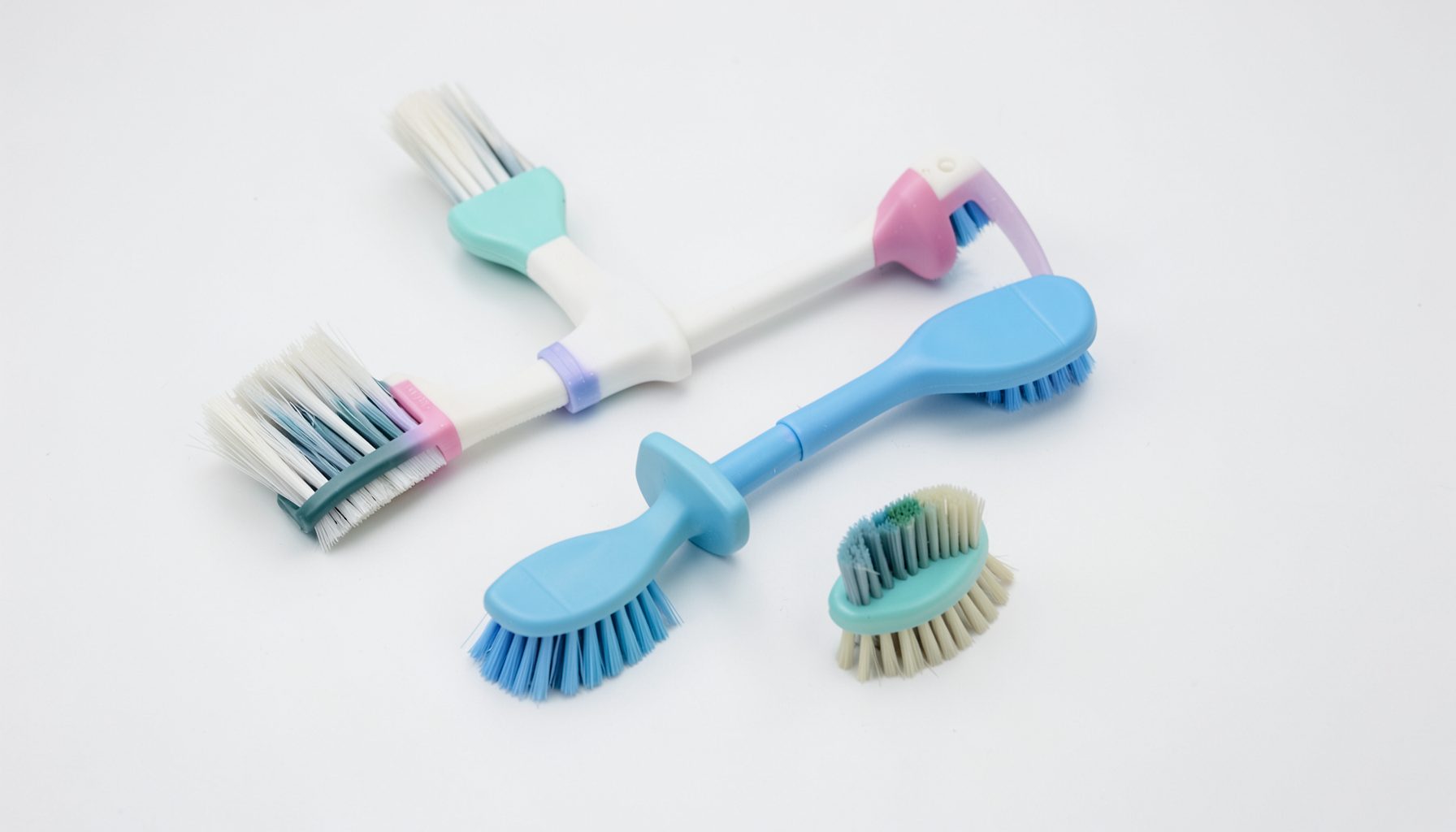
Switch nostrils and repeat. After use, rinse the bottle and let it air dry. Use ResQRinse Premium Cleaning Brushes for thorough cleaning.
Sinus Rinse for Sinusitis in Humid and Arid Climates
Sinusitis can feel different depending on the air around you. Humid weather may leave nasal passages swollen and congested, while arid conditions can strip moisture from the nose and make mucus thick, sticky, and difficult to clear. Indoor heating, air conditioning, dust, pollen, and sudden climate changes can add to the irritation.
A sinus rinse can help flush out mucus, allergens, and other particles while supporting a cleaner nasal environment. The best routine, however, depends on your surroundings, symptoms, water quality, and the way your nose responds to saline irrigation.
ResQRinse systems are designed to make nasal irrigation comfortable and controlled. Their squeeze-bottle format and Nasal Lock technology can help direct saline through the nasal passages with less mess than some traditional neti pots. Used correctly, a rinse may become a practical part of symptom care for people dealing with sinus pressure, seasonal allergies, or recurring nasal congestion.
How Climate Influences Sinus Symptoms
Climate affects the consistency of nasal mucus and the condition of the mucous membranes. In a humid environment, moisture in the air may prevent excessive dryness, but high humidity can also encourage a feeling of stuffiness. Mold spores, dust mites, and outdoor allergens may be more prevalent in damp areas, potentially aggravating allergic rhinitis and sinus inflammation.
Arid air creates a different set of problems. Low humidity can cause burning, crusting, minor nosebleeds, and a dry throat. When nasal secretions lose water, they may become more difficult to move naturally through the sinus passages. A saline rinse can help loosen that material, although an overly strong solution may sting already irritated tissue.
Travel can expose you to both patterns in a short time. Moving from a humid coastal region into a dry desert climate, or spending hours in air-conditioned transportation, may leave your nose feeling blocked and dry at the same time. Adjusting rinse frequency and saline comfort is often more useful than following a rigid schedule.
Rinsing in Humid Environments
People living in humid climates may benefit from rinsing after exposure to pollen, mold, pollution, or dusty outdoor conditions. A rinse can wash away particles before they remain in contact with the nasal lining for extended periods. This may be especially useful after gardening, hiking, cleaning damp areas, or spending time outdoors during a high-allergen season.
Humidity does not automatically mean that more frequent irrigation is better. If your nose feels comfortable and symptoms are mild, a once-daily or occasional rinse may be sufficient. Excessive rinsing can contribute to irritation, particularly when the saline mixture is too concentrated, the water is not prepared safely, or the bottle is pressed with excessive force.
Use a clean system and follow the product directions for mixing saline. Water should be distilled, sterile, or previously boiled and cooled as directed by public health guidance. After use, rinse the bottle and allow it to dry fully. A cleaning brush can help remove residue from hard-to-reach areas and support better device hygiene.
Managing Sinus Irrigation in Dry Air
In arid climates, the goal is often to clear thick secretions without removing more moisture than necessary. A comfortable isotonic saline solution is a sensible starting point for routine use. If congestion is intense, some people consider a hypertonic mixture, but stronger saline can cause temporary stinging or increased dryness. Guidance on saline concentration can help you understand when a different formulation may be appropriate.
A gentle rinse may be helpful after exposure to desert dust, wildfire smoke, workplace particles, or dry indoor heating. Allow the saline to flow naturally rather than forcing it through blocked passages. If the nose is severely obstructed, a mist may provide light moisture and comfort while you wait for the passages to open enough for irrigation.
Room humidity also matters. A properly maintained humidifier, adequate fluid intake, and avoidance of very hot, dry air may support nasal comfort. Humidifiers must be cleaned regularly because standing water can harbor microorganisms. If dryness leads to repeated bleeding, painful cracks, or persistent crusting, seek medical advice rather than increasing rinse pressure or frequency.
Choosing a Routine for Your Climate
The ideal approach depends on symptoms rather than geography alone. The comparison below provides a general starting point, but personal tolerance and advice from a healthcare professional should guide changes.
| Climate or condition | Common nasal concern | Potential rinse focus | Helpful precautions |
|---|---|---|---|
| Humid and mold-prone | Swelling, allergies, damp-environment particles | Rinse after outdoor or allergen exposure | Avoid over-rinsing and control indoor mold |
| Hot and arid | Thick mucus, crusting, dryness | Gentle saline irrigation and occasional mist | Use comfortable saline and avoid forceful squeezing |
| Cold and dry | Irritation, congestion, heated indoor air | Regular but moderate moisture support | Monitor for stinging or nosebleeds |
| Dusty or polluted | Particles and throat or nasal irritation | Rinse after exposure when appropriate | Wear protective equipment and use safe water |
| Frequently changing climates | Variable congestion and dryness | Adjust frequency based on symptoms | Pack saline packets and clean the device while traveling |
A squeeze-bottle system can be convenient when you need to control the flow and angle. A nasal mist may suit moments when the primary issue is dryness rather than heavy mucus. Families may prefer a child-specific system with age-appropriate instructions, while adults with recurring symptoms may value complete kits that include saline packets and cleaning accessories.
Technique, Comfort, and Safety
Wash your hands before preparing a rinse. Mix the saline packet with the recommended amount of safe water, then lean over a sink and keep your mouth open so you can breathe comfortably. Place the nozzle securely against one nostril without forcing it. A gentle squeeze should allow the solution to travel through the nasal passages and exit through the other side or mouth.
Do not share a nasal irrigation bottle, even within the same household. Replace components according to the manufacturer’s directions, and inspect the nozzle and bottle for cracks, cloudiness, or buildup. Tap water that has not been properly treated is unsuitable for nasal irrigation because it can contain organisms that are dangerous when introduced into the nasal passages.
Temporary fullness or mild drainage after a rinse can occur. Stop if you experience sharp pain, significant bleeding, severe ear pressure, or worsening symptoms. A rinse is supportive care, not a substitute for medical evaluation when sinusitis is persistent, recurrent, or accompanied by high fever, swelling around the eyes, vision changes, or severe facial pain.
Building a Sustainable Sinus Care Routine
Consistency is usually easier when irrigation fits naturally into your day. In a humid location, rinsing after allergen exposure may be more useful than automatically rinsing several times daily. In a dry location, a moderate routine combined with nasal moisture support may reduce discomfort without overworking sensitive tissue.
Track what triggers your symptoms. Note whether congestion worsens after sleeping with the heater on, visiting a dusty site, cleaning mold-prone spaces, or spending time outdoors during a pollen surge. This information can help you decide when a rinse is most valuable and when a nasal mist, environmental adjustment, or medical assessment is more appropriate.
Product design can also influence whether you maintain the routine. ResQRinse feedback describes how users experience the bottle, comfort, and ease of use in everyday settings; these customer experiences can offer practical context when comparing nasal irrigation options. Choose a system that is simple to prepare, easy to clean, and comfortable enough for regular use.
Practical Habits for Better Results
- Use distilled, sterile, or properly boiled and cooled water every time.
- Match the rinse frequency to congestion, allergen exposure, and dryness rather than following an excessive schedule.
- Start with the recommended saline concentration and adjust only with reliable guidance.
- Clean and dry the bottle, nozzle, and accessories after each use.
- Combine irrigation with sensible climate control, allergen reduction, and professional care when symptoms persist.
A sinus rinse for sinusitis can be useful in both humid and arid climates, but the surrounding air changes what your nose needs most. Damp conditions may call for allergen removal and moderation, while dry environments often require gentler irrigation and additional attention to moisture. Safe water, correct saline preparation, light pressure, and clean equipment remain essential in every setting.
Choose a ResQRinse system that matches your routine, prepare each rinse carefully, and use it as part of a broader approach to nasal comfort. Browse the available squeeze-bottle kits, child-friendly options, saline packets, cleaning tools, and nasal mist products through ResQRinse’s retail partners on Walmart or Amazon.