ResQRinse is the nasal irrigation squeeze bottle that eliminates head-tilting and awkward neck positions. Using proprietary Nasal Lock™ technology, it delivers a comfortable, gag-free sinus cleanse — no more saline dripping down your throat.

Relief From Fall Sneezes
Now sold on Walmart.com. Free shipping on orders $30+. Try ResQRinse today with your everyday purchases.
Shop at WalmartWhy ResQRinse?
Nasal rinsing helps relieve congestion from colds, allergies, sinusitis, hay fever, and environmental pollutants. ResQRinse makes it comfortable enough to become a daily habit.
Nasal Lock™ Technology
Isolates sinuses from the throat using natural choanal occlusion — like inflating a balloon — so saline stays where it belongs.
Learn more →
Drug-Free Relief
Uses premixed saline packets with distilled water. No medications, no preservatives — just a natural cleanse for your nasal passages.
How to rinse →
For Kids Too
ResQRinse for Kids features a comfort nasal tip right-sized for smaller nostril openings, making rinsing gentle and easy for children.
Shop kids' version →
Breath-Controlled Flow
You control the saline flow with your own breath pressure — high volume, low pressure irrigation that's comfortable and effective.
Watch how-to videos →
Better Compliance
Designed to overcome the gagging and discomfort that cause people to abandon traditional neti pots and nasal rinse systems.
Our story →
Complete Kits Available
From the basic ResQRinse Nasal Rinse System ($19.99) to 90-day complete kits, saline packets, cleaning brushes, and Sinoptim Nasal Mist.
Browse all products →Get Started with ResQRinse
Ready to experience a better nasal rinse? Fill out the form below and we'll help you find the right product — or follow the simple steps to begin rinsing today.
Request More Information
How to Use ResQRinse
Fill the Bottle
Fill the ResQRinse squeeze bottle with distilled or previously boiled water and add one premixed saline packet.
Position the Tip
Place the comfort tip gently against one nostril. No head-tilting or awkward neck angles needed.
Squeeze & Breathe
Squeeze the bottle gently while breathing through your mouth. Nasal Lock™ keeps saline in your nasal passages and out of your throat.
Repeat & Clean
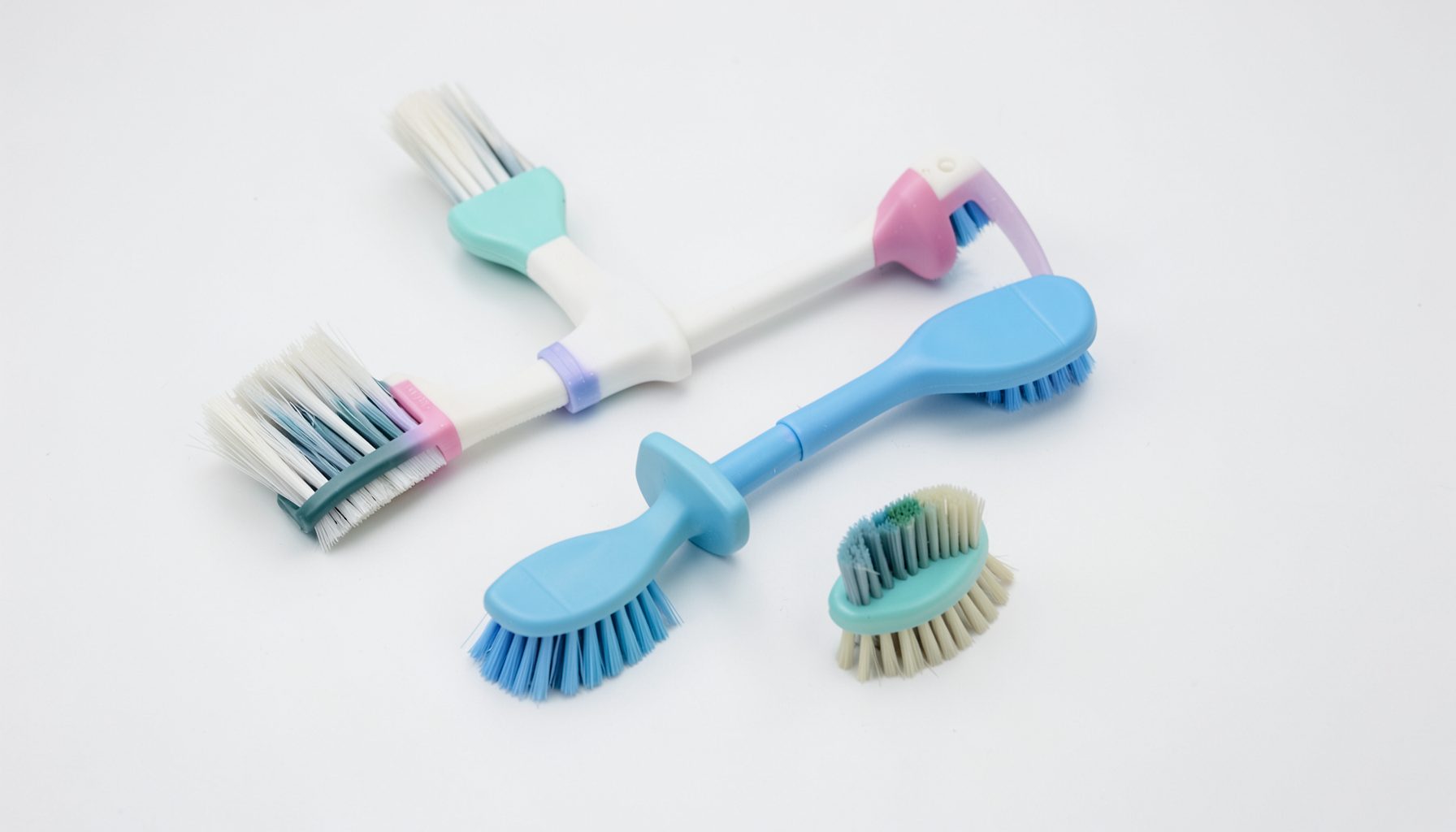
Switch nostrils and repeat. After use, rinse the bottle and let it air dry. Use ResQRinse Premium Cleaning Brushes for thorough cleaning.
Why Saline Rinsing Can Make a Long Nap More Restful
A long nap can be restorative when congestion, seasonal allergies, or dry nasal passages are not interfering with breathing. Blocked nasal tissue may make it harder to settle down, encourage mouth breathing, and contribute to a stuffy or heavy feeling when you wake. A gentle saline rinse before resting can help clear irritants and excess mucus so your quiet time begins with a more comfortable airway.
Nasal irrigation works by moving saline solution through the nasal passages and out again. The fluid can loosen thick mucus, wash away pollen and dust, and moisturize tissue irritated by dry air. It does not act as a sedative, and it cannot replace medical care for a serious sinus or respiratory condition, but it may support a calmer pre-nap routine.
Timing and technique matter. Rinsing several minutes before lying down gives the solution time to drain, while using safe water and a clean device protects against avoidable problems. With those basics in place, a saline wash can be a practical part of daytime rest.
Why congestion can disrupt daytime sleep
Nasal blockage can make it uncomfortable to breathe through the nose while reclining. Swollen tissue and trapped mucus may create pressure around the cheeks, forehead, or bridge of the nose. Someone trying to rest may shift positions repeatedly, breathe through the mouth, or wake with a dry throat.
Allergies can add another layer of discomfort. Pollen, pet dander, and indoor dust may remain in the nasal passages after exposure, especially during seasons when windows are open or air-conditioning circulates dry air. A rinse helps physically remove some of these particles instead of relying only on the body’s natural clearance.
Sinus pressure can also feel like a headache or facial heaviness, which may make falling asleep more difficult. The relationship between these symptoms is explained in this guide to sinus pressure and headaches. Relieving nasal irritation may make rest easier, although persistent or severe pain deserves professional evaluation.
How a saline rinse may support a better nap
Saline irrigation can thin and flush mucus before a person lies down. This may create a clearer nasal passage and reduce the sensation of pressure that becomes more noticeable in a quiet room. For people with mild allergy-related congestion, removing irritants before a nap can also reduce the urge to sneeze or wipe the nose while resting.
The moisturizing effect may be helpful when indoor heating, air conditioning, travel, or low humidity leaves nasal tissue feeling dry. Isotonic saline is designed to be gentle and similar in salt concentration to body fluids. Some people prefer hypertonic saline for a stronger decongesting effect, but it can feel more intense and may cause temporary stinging or dryness.
A rinse may also encourage nasal breathing, which many people find more comfortable than breathing through the mouth. It is useful to keep expectations realistic: saline does not guarantee deeper sleep, eliminate every cause of congestion, or shorten the time needed to recover from an infection. Its main role is simple cleansing and moisture support.
Choosing a comfortable rinse method
Squeeze-bottle systems allow users to control the pressure and volume of the wash. A design with a comfortable seal, such as ResQRinse’s Nasal Lock technology, can help direct the saline through the nasal passages with less leakage. The best system is one that feels manageable, can be cleaned properly, and matches the user’s age and comfort level.
A traditional neti pot uses gravity, while a squeeze bottle provides a more active flow. Neither approach is automatically right for everyone. People who dislike tipping their head or want more control may prefer a bottle, while others may appreciate the slower flow of a pot. Children need an appropriately sized product and supervision from an adult.
The differences below can help frame the choice for a pre-nap routine.
| Option | Potential benefit before resting | Points to consider |
|---|---|---|
| Squeeze-bottle rinse | Adjustable flow can help loosen mucus quickly | Use gentle pressure and follow the device directions |
| Neti pot | Slow, gravity-assisted irrigation | Requires comfortable head positioning and careful cleaning |
| Saline mist | Adds light moisture with minimal setup | Does not flush out mucus as thoroughly as irrigation |
| Premixed saline packet | Consistent salt concentration and convenience | Mix with the correct amount of safe water |
| Plain tap water | Readily available | Not appropriate for nasal irrigation unless treated as directed |
Regardless of the format, the solution should be made with distilled or sterile water, or tap water that has been boiled and cooled according to public health guidance. Never improvise with untreated water. Use the recommended saline packet or a precisely measured recipe, since an overly salty or weak solution may sting and discourage consistent use.
A safe pre-nap routine
Begin by washing your hands and preparing fresh saline. Check that the bottle, nozzle, or pot is clean and intact. Lean over a sink, tilt the head as directed, and breathe through the mouth while allowing the solution to flow gently through one nostril and out the other. Do not force the fluid if there is sharp pain or strong resistance.
After rinsing, blow the nose softly rather than forcefully. Some fluid may continue draining for a short time, particularly when the head is lowered or the person lies down soon afterward. Waiting about 10 to 15 minutes before settling into bed can reduce post-rinse dripping and give the nose time to clear remaining solution.
A long nap often lasts 60 to 90 minutes, so comfort at the beginning matters. Keep the head slightly elevated if drainage tends to bother you, and make sure the room is not excessively dry. A saline mist may be useful later for light moisture, but it does not replace the deeper cleansing action of a full irrigation when mucus and allergens are the main concern.
When to pause or seek medical advice
Saline rinsing is generally well tolerated when performed correctly, but it is not suitable for every situation. Pause the routine if it causes significant ear pressure, severe pain, nosebleeds, dizziness, or worsening symptoms. People with a completely blocked nasal passage may need medical guidance before attempting irrigation, since forcing fluid through resistance can increase discomfort.
A rinse should not be used as a substitute for evaluation when symptoms are severe or unusual. Seek medical advice for high fever, swelling around the eyes, vision changes, severe one-sided facial pain, recurring nosebleeds, or symptoms that persist or worsen. Infants and young children should use age-appropriate products only under suitable adult supervision and with advice when needed.
Temporary tingling or mild pressure can occur, especially for someone new to nasal irrigation. Adjusting the saline concentration, reducing the flow, and checking head position may help. Persistent burning can indicate incorrect mixing, contaminated equipment, or irritated tissue and should not be ignored.
Making the habit easy to maintain
The most effective pre-nap routine is one that takes little effort. Keep saline packets and the clean, dry device together, and prepare the solution shortly before use. Avoid storing leftover solution for the next session unless the product instructions specifically permit it; fresh preparation lowers the chance of contamination.
Cleaning is equally important. Rinse the device with safe water, wash it as directed, and allow every part to air-dry fully. Narrow passages can retain moisture, so a cleaning brush may help reach areas that are difficult to inspect. Replace the system when it becomes worn, cracked, or difficult to clean.
For practical product guidance, usage instructions, and nasal-care education, the ResQRinse health and sinus blog offers additional information. Reading instructions before the first use can make the process more comfortable and reduce common mistakes involving water safety, pressure, or storage.
Practical choices for a calmer rest period
A saline rinse can fit naturally between daily activities and sleep, especially when congestion is linked to allergies, dry air, or ordinary mucus buildup. These habits help keep the process comfortable and consistent:
- Rinse 10 to 15 minutes before lying down so excess solution can drain.
- Use distilled, sterile, or properly boiled and cooled water every time.
- Choose a gentle flow and stop if sharp pain, strong ear pressure, or bleeding occurs.
- Clean, dry, and inspect the irrigation device after each use.
- Keep a saline mist available when light moisture is needed without a full rinse.
The goal is a clearer, more comfortable starting point for rest rather than a promise of uninterrupted sleep. Pairing nasal care with a cool, quiet room and a slightly elevated head position may further reduce irritation for some people. If congestion repeatedly prevents sleep or accompanies severe symptoms, professional assessment is the appropriate next step.
For squeeze-bottle systems, saline packets, children’s options, cleaning accessories, and nasal mist, explore the products available from ResQRinse and follow the included directions. A carefully prepared rinse before a long nap can be a small, soothing step toward breathing more comfortably while the body rests.