ResQRinse is the nasal irrigation squeeze bottle that eliminates head-tilting and awkward neck positions. Using proprietary Nasal Lock™ technology, it delivers a comfortable, gag-free sinus cleanse — no more saline dripping down your throat.

Relief From Fall Sneezes
Now sold on Walmart.com. Free shipping on orders $30+. Try ResQRinse today with your everyday purchases.
Shop at WalmartWhy ResQRinse?
Nasal rinsing helps relieve congestion from colds, allergies, sinusitis, hay fever, and environmental pollutants. ResQRinse makes it comfortable enough to become a daily habit.
Nasal Lock™ Technology
Isolates sinuses from the throat using natural choanal occlusion — like inflating a balloon — so saline stays where it belongs.
Learn more →
Drug-Free Relief
Uses premixed saline packets with distilled water. No medications, no preservatives — just a natural cleanse for your nasal passages.
How to rinse →
For Kids Too
ResQRinse for Kids features a comfort nasal tip right-sized for smaller nostril openings, making rinsing gentle and easy for children.
Shop kids' version →
Breath-Controlled Flow
You control the saline flow with your own breath pressure — high volume, low pressure irrigation that's comfortable and effective.
Watch how-to videos →
Better Compliance
Designed to overcome the gagging and discomfort that cause people to abandon traditional neti pots and nasal rinse systems.
Our story →
Complete Kits Available
From the basic ResQRinse Nasal Rinse System ($19.99) to 90-day complete kits, saline packets, cleaning brushes, and Sinoptim Nasal Mist.
Browse all products →Get Started with ResQRinse
Ready to experience a better nasal rinse? Fill out the form below and we'll help you find the right product — or follow the simple steps to begin rinsing today.
Request More Information
How to Use ResQRinse
Fill the Bottle
Fill the ResQRinse squeeze bottle with distilled or previously boiled water and add one premixed saline packet.
Position the Tip
Place the comfort tip gently against one nostril. No head-tilting or awkward neck angles needed.
Squeeze & Breathe
Squeeze the bottle gently while breathing through your mouth. Nasal Lock™ keeps saline in your nasal passages and out of your throat.
Repeat & Clean
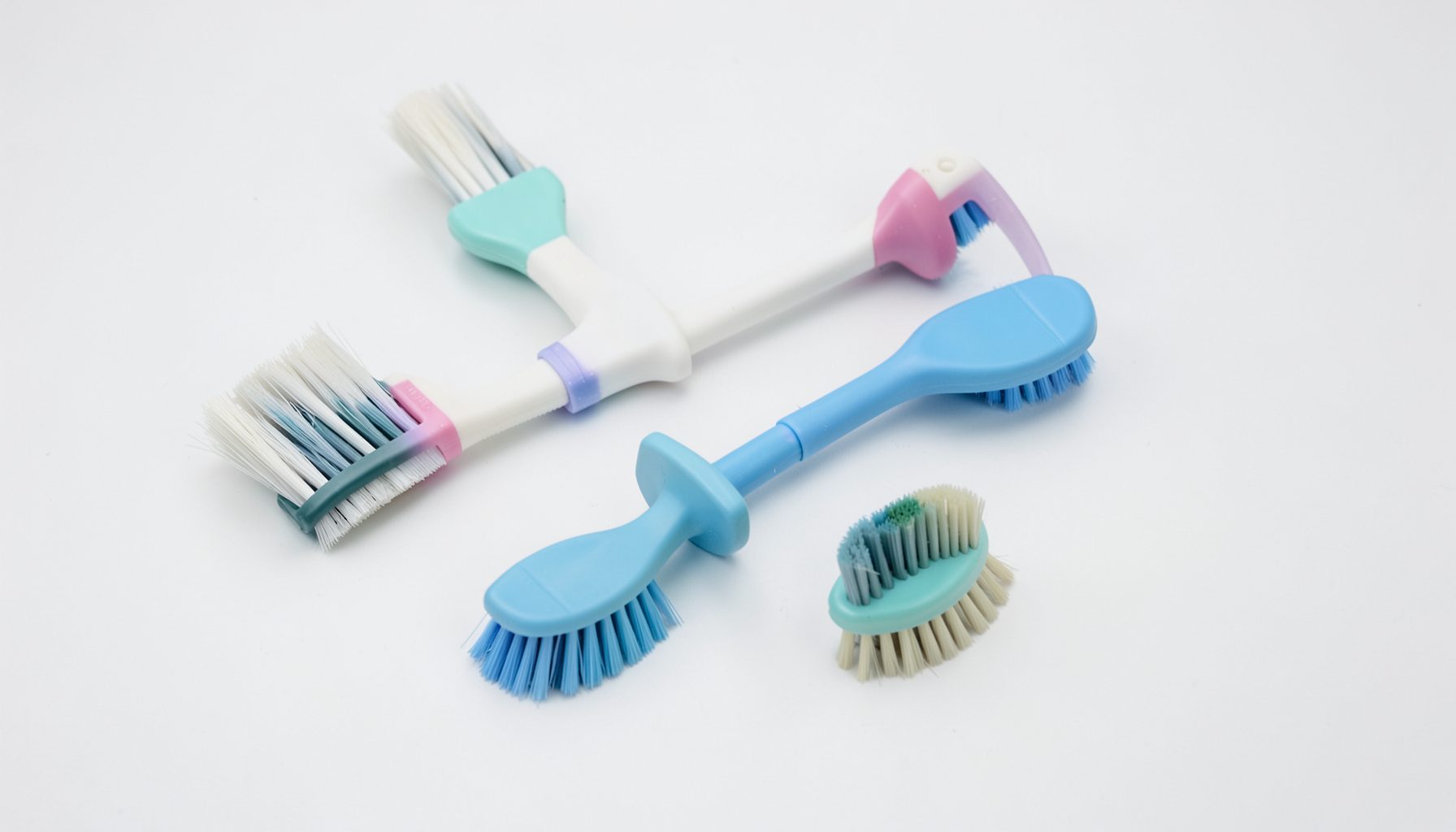
Switch nostrils and repeat. After use, rinse the bottle and let it air dry. Use ResQRinse Premium Cleaning Brushes for thorough cleaning.
Why saline rinse packets with xylitol may reduce bacterial growth
Blocked noses are common across Australia, from spring grass pollen in Melbourne and Canberra to dust, smoke and dry indoor air in Adelaide and Perth. Saline nasal irrigation can wash away mucus, allergens and irritating particles, while helping the nasal lining maintain a more comfortable moisture balance.
Some saline packets also contain xylitol, a naturally occurring sugar alcohol used in foods, oral-care products and nasal formulations. Research suggests that xylitol may make conditions less favourable for certain bacteria to attach or multiply. That does not make a rinse an antibiotic, but it may offer an additional benefit when used correctly with a suitable irrigation system.
How xylitol changes the nasal environment
Xylitol may reduce bacterial growth through several related effects. It can alter the concentration of dissolved particles in the rinse and may interfere with the way some bacteria adhere to moist surfaces. If organisms have more difficulty attaching to nasal tissue, they may be easier to remove when mucus and debris are flushed away.
This action is different from killing bacteria directly. A xylitol saline rinse is intended to support mechanical cleansing rather than sterilise the nose. The nasal passages naturally contain many microorganisms, and a healthy nasal microbiome should not be stripped away unnecessarily. The practical aim is to clear excess mucus, allergens and contaminants while creating a less favourable environment for some unwanted bacterial activity.
Xylitol may also help the rinse feel less drying for some people because the solution influences water movement across the nasal lining. Individual responses vary, and the overall formula matters. The salt balance, packet ingredients, water quality and irrigation pressure all affect comfort and usefulness.
What the evidence can and cannot show
Laboratory and clinical research has examined xylitol in oral and nasal care, including its possible effect on bacterial adhesion and upper-airway symptoms. Findings are encouraging, but they do not prove that every person using a xylitol packet will prevent a sinus infection. Studies may involve different concentrations, delivery methods and patient groups, so results cannot always be transferred directly to a particular product.
A rinse can help remove thick secretions and irritants, which may support normal clearance by the nose’s tiny hairs. It may be useful during allergy season, after exposure to dust or smoke, or when indoor heating and air conditioning leave the nose uncomfortable. For information about restoring moisture without a harsh sensation, ResQRinse explains how to rehydrate nasal mucus without relying on plain water alone.
People should treat the bacterial-growth claim as a possible supporting benefit, not a replacement for medical treatment. Persistent facial pain, fever, worsening symptoms or foul-smelling discharge may need assessment by an Australian GP or pharmacist, particularly when symptoms last longer than expected.
Why the packet formula matters
A pre-measured saline packet helps create a solution with a more predictable salt concentration than a casual homemade mixture. The correct balance can reduce stinging and limit the risk of making the nasal lining feel drier. Adding xylitol in a professionally formulated packet also avoids guessing how much is appropriate for nasal use.
Plain tap water should not be poured directly into a nasal irrigation bottle. In Australia, drinking-water standards are high, but tap water is not sterile, and local supply conditions can vary between metropolitan areas, regional towns and properties using rainwater tanks. Use distilled, sterile or appropriately boiled and cooled water according to the product directions.
The packet must be fully dissolved before irrigation, and the bottle should be used only with the recommended amount of water. A stronger solution is not automatically more effective. Excess salt or an incorrect xylitol concentration can cause burning, pressure or irritation rather than comfortable cleansing.
Practical habits for safer rinsing
A well-designed routine matters as much as the ingredient list. Adults in Sydney dealing with spring hay fever, or households affected by bushfire smoke, may rinse after exposure rather than repeatedly throughout the day. The right frequency depends on symptoms, comfort and professional advice.
Before and during use
- Wash hands and check that the bottle is clean.
- Use the packet’s specified water volume.
- Lean forward over a sink and breathe through the mouth.
- Stop if sharp pain, significant bleeding or severe ear pressure occurs.
After each rinse
- Empty leftover solution rather than storing it.
- Rinse the device with safe water and allow it to air-dry.
- Follow the manufacturer’s cleaning schedule and replace worn parts.
- Keep packets sealed and dry, away from children and pets.
The bottle should produce a steady, gentle flow rather than forceful pressure. ResQRinse’s Nasal Lock technology is designed to help create a controlled seal around the nostril, which can make the process feel more secure than balancing a traditional neti pot. Comfort encourages consistent use, and consistency is important when the goal is to remove mucus and particles.
Helping children accept nasal irrigation
Young children may resist anything unfamiliar near the nose. A calm explanation, a demonstration on a parent and a short routine can make the process easier. Never restrain a distressed child or continue when they are struggling to breathe comfortably. A child should be able to pause and signal discomfort.
Parents introducing irrigation to a toddler can follow this toddler nasal rinse guide, which focuses on gradual familiarisation. In Australia, parents may also ask a community pharmacist or child health nurse about age-appropriate use, especially if the child has recurrent ear problems, breathing difficulties or a chronic medical condition.
Keep xylitol packets and prepared rinse out of reach. Xylitol is generally used in small quantities in consumer products, but swallowing larger amounts may cause gastrointestinal upset. It is also highly toxic to dogs, so households with pets should store packets securely and clean up spills immediately.
When a rinse may be useful
Saline irrigation may be helpful for nasal congestion linked to seasonal allergic rhinitis, mild irritation, thick mucus and exposure to airborne particles. Melbourne’s grass-pollen season, Brisbane’s humid conditions and Perth’s dry, dusty weather can create different triggers, yet the basic purpose remains the same: loosen and remove material that is obstructing or irritating the nasal passages.
A rinse can also complement other treatment recommended by a clinician, such as an antihistamine or medicated nasal spray. If using a spray, ask a pharmacist or follow the product instructions about timing; clearing mucus first may help some sprays contact the nasal lining more evenly. Nasal irrigation should not be used as a substitute for prescribed treatment.
Seek medical advice for severe or one-sided facial pain, swelling around the eyes, repeated nosebleeds, high fever, breathing difficulty or symptoms that keep returning. People with recent nasal surgery, structural nasal problems or immune-system conditions should obtain clinical guidance before starting. A GP can also help distinguish allergy symptoms from infection or another cause of congestion.
Choosing a system for regular use
A squeeze-bottle system can offer more control over flow and may be easier to pack for travel between cities, work sites or school activities. A neti pot relies more on gravity and technique, while a bottle with a well-fitted nozzle may feel simpler for someone new to irrigation. Neither method is suitable if it causes pain or cannot be cleaned thoroughly.
Look for clear instructions, single-use packets, compatible replacement parts and a design that is easy to dry. ResQRinse offers complete kits, children’s options, saline packets, cleaning brushes and nasal mist through its nasal care products, with online purchasing options that may suit Australian shoppers checking marketplace availability.
For Australian customers, delivery times and product listings can differ between Amazon Australia, international sellers and other online channels. Check the packet ingredients, directions, expiry date and water requirements before ordering. A product that fits your routine and can be cleaned reliably is more useful than one chosen solely for an extra ingredient.
Used with safe water and sensible hygiene, a xylitol-containing saline rinse may help reduce bacterial adhesion while washing away mucus, allergens and airborne debris. It is a supportive nasal-care measure, not a cure for infection. Choose a correctly formulated packet, use gentle pressure, clean the device after every session and seek medical advice when symptoms are severe or persistent.