ResQRinse is the nasal irrigation squeeze bottle that eliminates head-tilting and awkward neck positions. Using proprietary Nasal Lock™ technology, it delivers a comfortable, gag-free sinus cleanse — no more saline dripping down your throat.

Relief From Fall Sneezes
Now sold on Walmart.com. Free shipping on orders $30+. Try ResQRinse today with your everyday purchases.
Shop at WalmartWhy ResQRinse?
Nasal rinsing helps relieve congestion from colds, allergies, sinusitis, hay fever, and environmental pollutants. ResQRinse makes it comfortable enough to become a daily habit.
Nasal Lock™ Technology
Isolates sinuses from the throat using natural choanal occlusion — like inflating a balloon — so saline stays where it belongs.
Learn more →
Drug-Free Relief
Uses premixed saline packets with distilled water. No medications, no preservatives — just a natural cleanse for your nasal passages.
How to rinse →
For Kids Too
ResQRinse for Kids features a comfort nasal tip right-sized for smaller nostril openings, making rinsing gentle and easy for children.
Shop kids' version →
Breath-Controlled Flow
You control the saline flow with your own breath pressure — high volume, low pressure irrigation that's comfortable and effective.
Watch how-to videos →
Better Compliance
Designed to overcome the gagging and discomfort that cause people to abandon traditional neti pots and nasal rinse systems.
Our story →
Complete Kits Available
From the basic ResQRinse Nasal Rinse System ($19.99) to 90-day complete kits, saline packets, cleaning brushes, and Sinoptim Nasal Mist.
Browse all products →Get Started with ResQRinse
Ready to experience a better nasal rinse? Fill out the form below and we'll help you find the right product — or follow the simple steps to begin rinsing today.
Request More Information
How to Use ResQRinse
Fill the Bottle
Fill the ResQRinse squeeze bottle with distilled or previously boiled water and add one premixed saline packet.
Position the Tip
Place the comfort tip gently against one nostril. No head-tilting or awkward neck angles needed.
Squeeze & Breathe
Squeeze the bottle gently while breathing through your mouth. Nasal Lock™ keeps saline in your nasal passages and out of your throat.
Repeat & Clean
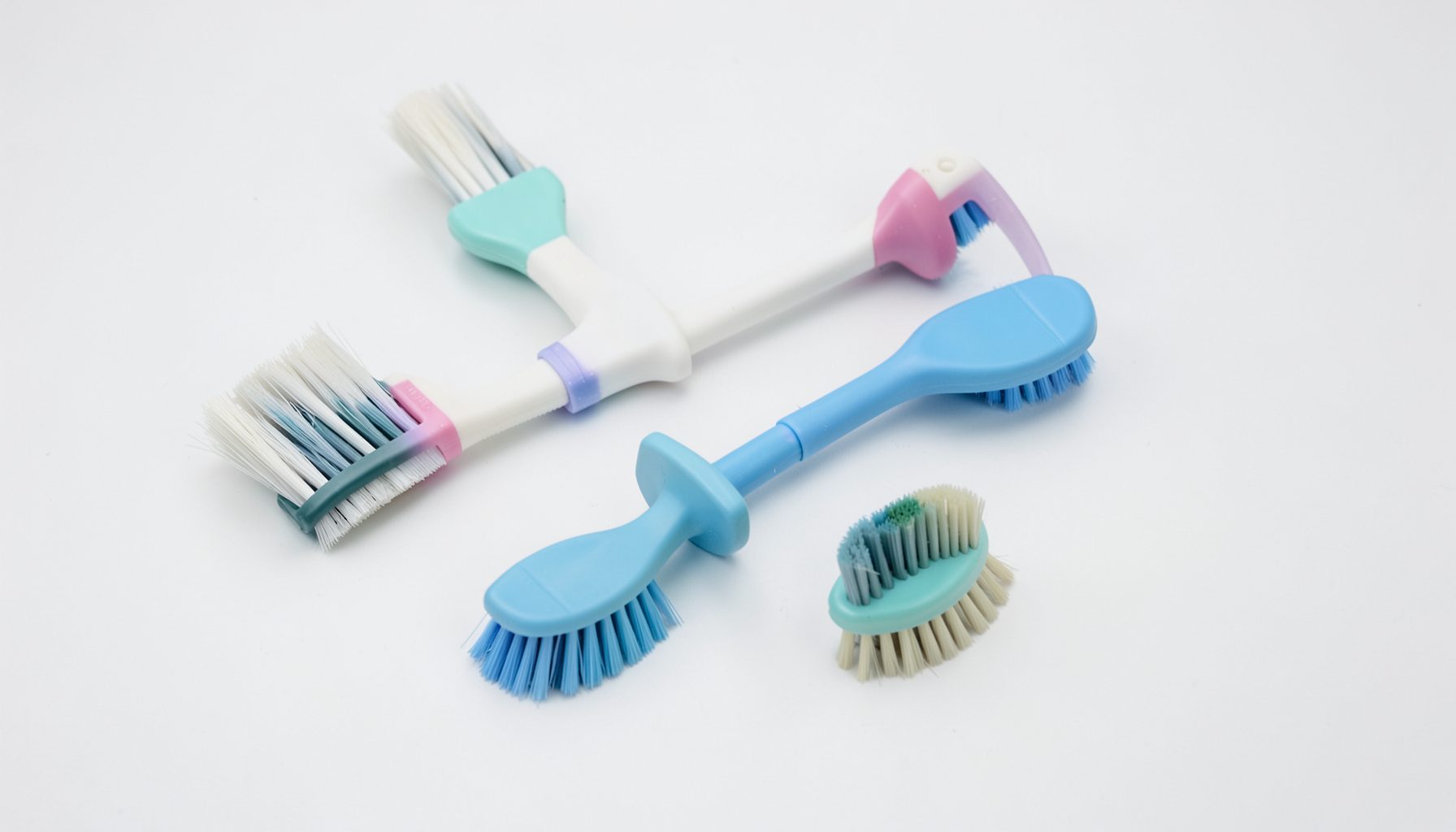
Switch nostrils and repeat. After use, rinse the bottle and let it air dry. Use ResQRinse Premium Cleaning Brushes for thorough cleaning.
How to Rehydrate Nasal Mucus Without Irritation
Nasal mucus is a protective layer, not a nuisance to remove completely. It traps dust, pollen, bacteria, and other particles before they travel deeper into the respiratory tract. When the mucus becomes thick, sticky, or crusted, the nose can feel blocked, dry, and uncomfortable.
Indoor heating, air conditioning, low humidity, dehydration, allergies, colds, and some medications can all reduce moisture in the nasal passages. Gentle hydration helps mucus move more easily while supporting the nose’s natural cleaning process.
The safest approach combines adequate fluids, humidified air, and properly prepared saline. A nasal rinse can loosen thick secretions, but the solution, water quality, pressure, and cleaning routine all affect whether the experience feels soothing or irritating.
Why nasal mucus becomes dry and thick
The nasal lining continuously produces mucus and uses tiny hair-like structures called cilia to move it toward the throat. When moisture evaporates faster than it is replaced, mucus becomes more concentrated. This can create a cycle of congestion: thick secretions are harder to clear, so people may blow their nose more forcefully or use products that further dry the tissue.
Environmental conditions are common contributors. Heated rooms, dry winter air, smoke, dust, and prolonged exposure to fans or air conditioners can reduce nasal moisture. Seasonal allergies may add another problem because inflammation narrows the nasal passages and increases the sensation of blockage.
Some medicines can also contribute to dryness. Antihistamines, decongestants, and certain prescription treatments may reduce secretions or irritate already sensitive tissue. If dryness begins after starting a medicine, speak with a healthcare professional before changing how you use it.
How moisture supports nasal comfort
Rehydrated mucus is usually thinner and easier for the nose to transport. That can reduce crusting and make gentle nose blowing more effective. Saline also helps rinse away allergens and particles that may contribute to irritation, especially after time outdoors or exposure to dust.
Nasal moisture does not require aggressive flushing. The goal is to support the natural mucus barrier rather than strip it away. A solution that feels excessively cold, salty, forceful, or frequent may leave the lining feeling sore even when the rinse is technically safe.
Hydration from within matters as well. Drinking fluids regularly supports normal secretions, although consuming extra water does not instantly correct nasal dryness. Pairing normal fluid intake with sensible humidity and saline care is more useful than relying on a single remedy.
Choose a saline solution that feels gentle
Saline nasal products are designed to add moisture without the sting that plain water can cause. Isotonic saline has a salt concentration close to that of body fluids and is often a comfortable starting point. Some products use a slightly stronger hypertonic solution, which may help draw fluid into swollen tissue but can feel more intense for people with sensitive noses.
Use only sterile, distilled, or previously boiled and cooled water in a nasal irrigation system. Tap water can contain microorganisms that are safe to swallow but unsafe to introduce into the nasal passages. Follow the packet directions carefully, because too much or too little salt can cause burning, pressure, or increased dryness.
| Option | Potential benefit | Irritation risk | Best practice |
|---|---|---|---|
| Isotonic saline rinse | Adds moisture and loosens mucus | Usually low when mixed correctly | Use the recommended packet and safe water |
| Hypertonic saline | May temporarily reduce swelling | More likely to sting or feel drying | Use according to product directions |
| Saline mist | Convenient surface moisture | May not clear thick congestion | Apply as directed throughout the day |
| Plain tap water | No reliable mucus benefit | Can burn and carries contamination risk | Do not use for nasal irrigation |
| Humidified air | Reduces environmental dryness | Excess humidity can encourage mold | Keep equipment clean and humidity moderate |
A squeeze-bottle rinse can deliver saline across more of the nasal passage than a simple spray. Products with a controlled flow and comfortable seal may help reduce leakage and the need to apply excessive pressure. Learn how different design features support a more comfortable rinse through Nasal Lock technology.
Use nasal irrigation without irritation
Start with a clean device, fresh saline, and water at a comfortably lukewarm temperature. Very cold water can feel unpleasant, while hot water can injure the nasal lining. Mix the saline completely before use so undissolved crystals do not contact sensitive tissue.
Lean over a sink and keep your mouth open while breathing gently through it. Place the nozzle securely at the nostril without forcing it upward. Use light, steady pressure rather than squeezing aggressively. The solution should flow through the nasal passage and out the other nostril or mouth; if it causes sharp pain, stop and reassess your position, solution, or technique.
After rinsing, allow the fluid to drain naturally and blow your nose softly, one side at a time. Do not immediately repeat the rinse because the nose still feels blocked. A short pause gives the saline time to loosen secretions and lets the tissue settle.
A complete care routine should include washing the bottle after every use and allowing it to dry fully. Use the manufacturer’s cleaning instructions, replace worn parts, and avoid sharing the device. ResQRinse provides product and usage guidance for selecting a suitable system and following safe care practices.
Support nasal hydration throughout the day
A saline mist can be useful when the nose feels dry between rinses. It is less intensive than irrigation and may be convenient at work, during travel, or in heated indoor spaces. Follow the label directions and avoid repeatedly applying products that contain ingredients intended to shrink blood vessels unless a clinician has advised their use.
Humidity can help, particularly in bedrooms during dry weather. A cool-mist humidifier should be cleaned according to its instructions and emptied regularly. Dirty water reservoirs can spread unwanted particles, while excessive indoor humidity may encourage mold and dust mites. A hygrometer can help monitor the room rather than relying on guesswork.
Allergy control also protects nasal moisture. Wash bedding regularly, reduce dust accumulation, and consider keeping windows closed during high-pollen periods. If pets trigger symptoms, rinsing after exposure may remove some particles from the nasal passages; this pet allergy guidance explains where nasal irrigation may fit into an allergy-care routine.
Build a gentle daily routine
Consistency is usually more comfortable than responding to severe dryness with an intense rinse. A simple routine can be adjusted around symptoms, climate, and professional advice:
- Drink fluids regularly and include water with meals and during outdoor activity.
- Use an isotonic saline mist or rinse when dryness, crusting, or thick mucus develops.
- Prepare every irrigation with sterile, distilled, or boiled-and-cooled water.
- Keep the device clean, dry, and reserved for one person.
- Reduce exposure to smoke, dusty air, and overly dry indoor conditions.
Avoid irrigating when one side is completely sealed, when you have severe ear pressure, or when the process produces persistent pain. A blocked passage may prevent proper drainage and increase pressure. Ask a healthcare professional about the right approach if you have had nasal surgery, frequent nosebleeds, immune-system concerns, or a chronic sinus condition.
Know when dryness needs medical attention
Occasional dryness and thick mucus often improve with gentle saline care and environmental changes. Persistent symptoms deserve closer attention, particularly when they interfere with sleep, breathing, exercise, or daily activities. A clinician can check for allergies, infection, medication effects, structural narrowing, or inflammatory conditions.
Seek medical advice for recurring nosebleeds, significant facial pain, fever, foul-smelling discharge, swelling around the eyes, or symptoms that worsen instead of improving. Children may need a specially sized system and direct adult supervision, especially when learning how to position the nozzle and control pressure.
Comfort should guide the routine. Mild moisture and easier mucus movement are reasonable goals; burning, sharp pressure, bleeding, or worsening congestion are signs to stop and reassess. With safe water, correctly mixed saline, clean equipment, and moderate technique, nasal hydration can become a practical part of everyday respiratory care.
Choose a comfortable saline system, prepare it safely, and use it gently when dry air, allergies, or congestion make mucus difficult to clear. Explore ResQRinse products through Walmart or Amazon and make consistent nasal moisture part of a cleaner, more comfortable routine.