ResQRinse is the nasal irrigation squeeze bottle that eliminates head-tilting and awkward neck positions. Using proprietary Nasal Lock™ technology, it delivers a comfortable, gag-free sinus cleanse — no more saline dripping down your throat.

Relief From Fall Sneezes
Now sold on Walmart.com. Free shipping on orders $30+. Try ResQRinse today with your everyday purchases.
Shop at WalmartWhy ResQRinse?
Nasal rinsing helps relieve congestion from colds, allergies, sinusitis, hay fever, and environmental pollutants. ResQRinse makes it comfortable enough to become a daily habit.
Nasal Lock™ Technology
Isolates sinuses from the throat using natural choanal occlusion — like inflating a balloon — so saline stays where it belongs.
Learn more →
Drug-Free Relief
Uses premixed saline packets with distilled water. No medications, no preservatives — just a natural cleanse for your nasal passages.
How to rinse →
For Kids Too
ResQRinse for Kids features a comfort nasal tip right-sized for smaller nostril openings, making rinsing gentle and easy for children.
Shop kids' version →
Breath-Controlled Flow
You control the saline flow with your own breath pressure — high volume, low pressure irrigation that's comfortable and effective.
Watch how-to videos →
Better Compliance
Designed to overcome the gagging and discomfort that cause people to abandon traditional neti pots and nasal rinse systems.
Our story →
Complete Kits Available
From the basic ResQRinse Nasal Rinse System ($19.99) to 90-day complete kits, saline packets, cleaning brushes, and Sinoptim Nasal Mist.
Browse all products →Get Started with ResQRinse
Ready to experience a better nasal rinse? Fill out the form below and we'll help you find the right product — or follow the simple steps to begin rinsing today.
Request More Information
How to Use ResQRinse
Fill the Bottle
Fill the ResQRinse squeeze bottle with distilled or previously boiled water and add one premixed saline packet.
Position the Tip
Place the comfort tip gently against one nostril. No head-tilting or awkward neck angles needed.
Squeeze & Breathe
Squeeze the bottle gently while breathing through your mouth. Nasal Lock™ keeps saline in your nasal passages and out of your throat.
Repeat & Clean
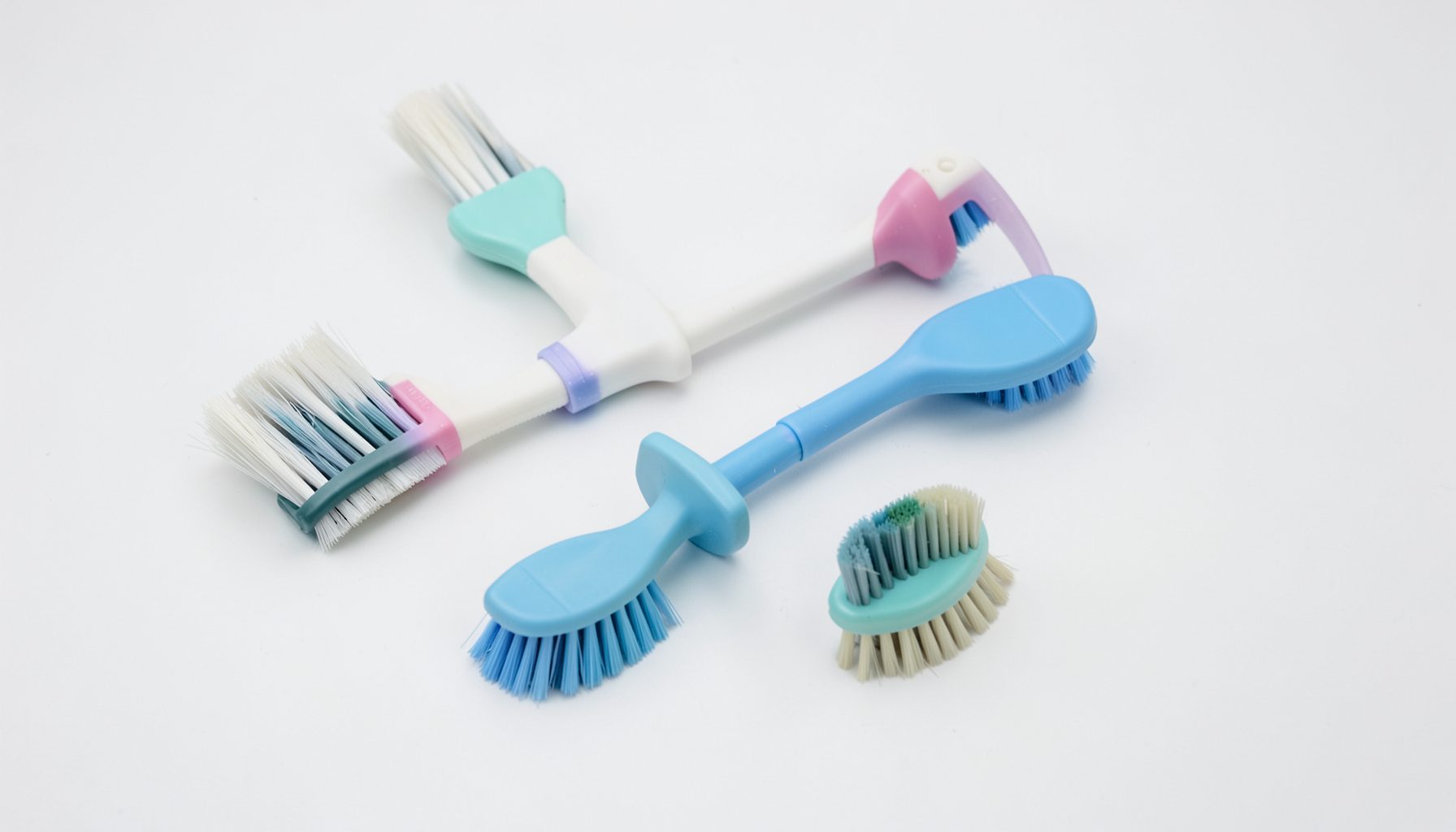
Switch nostrils and repeat. After use, rinse the bottle and let it air dry. Use ResQRinse Premium Cleaning Brushes for thorough cleaning.
Why a Gentle Nasal Stream Helps New Users
Nasal rinsing can feel unfamiliar at first. The idea of sending saline through your nose may sound uncomfortable, especially if you have never used a squeeze bottle or neti pot. A controlled, gentle stream makes the process easier to understand and helps new users build confidence without the sudden pressure that can make the first attempt unpleasant.
This matters in Australia, where congestion can flare during Melbourne’s spring pollen season, a dusty week in regional Queensland, or smoky conditions during bushfire season. A simple saline rinse may help wash away mucus, airborne particles and allergens, while a mild flow gives you a more comfortable way to start a regular nasal care routine.
Gentle Pressure Feels More Manageable
A strong burst of liquid can create pressure in the nose, ears or upper throat. New users may instinctively squeeze harder because they expect the rinse to work faster, but increased force does not necessarily mean better cleansing. It can instead lead to splashing, coughing or an unpleasant sensation behind the nose.
A gentle stream gives the saline time to move through the nasal passages at a steady pace. This can make it easier to breathe through your mouth, relax your face and follow the instructions carefully. The goal is a calm rinse rather than a forceful flush.
ResQRinse systems are designed to provide a controlled flow, so users can begin with light pressure and adjust gradually. The ResQRinse range includes squeeze-bottle systems, saline packets, children’s options and nasal mist for different household needs.
Comfort Helps You Use the Rinse Correctly
Technique is easier to learn when the experience feels predictable. New users should lean over a sink, tilt the head slightly and keep the mouth open while breathing normally. The bottle tip should rest gently at the nostril rather than being pushed deeply inside.
With a mild stream, you can notice how the saline moves and make small adjustments to your head angle. If fluid runs into the throat, changing posture and reducing pressure may help. A rushed or overly powerful squeeze can make it harder to work out whether the issue is your position, the seal or the amount of force.
Many Australians call a sink a “basin”, and either setup works as long as the area is clean and stable. A bathroom basin is convenient, while a kitchen sink may offer better elbow room. Keep a towel nearby, particularly during the first few uses.
A Controlled Flow Can Reduce the Startle Factor
The nose is sensitive, and a sudden rush can trigger a strong reaction. Some people sneeze, pull away or stop midway when the stream arrives too quickly. That does not mean nasal irrigation is unsuitable; it may simply indicate that the flow needs to be gentler.
Nasal Lock technology is intended to help create a secure, comfortable connection between the bottle and nostril. A better seal means less leakage around the tip and less temptation to increase pressure. The user can focus on a smooth movement rather than trying to force saline through.
This is particularly useful for people rinsing after outdoor activity. Dust from a country road, pollen after a walk through Adelaide’s parklands or fine particles carried by a dry westerly wind can leave the nose feeling blocked. A controlled rinse makes post-exposure care less intimidating.
Saline and Water Safety Still Matter
The stream should be gentle, but the water used in a nasal rinse must also be appropriate. Do not use untreated rainwater, dam water or water from an unreliable source. In Australia, household tap water is generally treated, but users should follow the product instructions and local health advice, especially if water quality is uncertain.
Many nasal irrigation instructions recommend sterile, distilled or previously boiled and cooled water. Saline packets should be mixed according to the stated amount rather than made stronger or weaker by guesswork. Correctly prepared saline is usually more comfortable than plain water, which can sting because it does not match the natural salt balance of nasal tissues.
Bottle hygiene is just as important as water choice. Rinse the system after use, allow it to dry fully and clean it as directed. For guidance on materials and cleaning suitability, read this advice on safe bottle material before choosing or replacing a nasal rinse container.
Beginners Benefit from Small, Calm Steps
A first rinse does not need to use the entire bottle. Starting with a small amount can help users become familiar with the sensation and identify the right head position. Once the process feels comfortable, they can follow the product instructions for the recommended volume and frequency.
The best time may be when you are not rushing out the door for work, school or a train at Parramatta. Evening can suit people who want to clear the nose after a day outdoors, while morning may be preferable during allergy season. Avoid using a rinse immediately before lying down if fluid tends to linger in the throat or nasal passages.
Parents should use extra care with children. A child may need a smaller bottle, a different tip and a slower approach. The comparison of child and adult designs explains why age-appropriate equipment can make the experience easier and safer.
A Gentle Rinse Suits Common Australian Triggers
Australia’s environments vary widely, so nasal symptoms can have different triggers. Grass pollen is a familiar problem in Victoria and New South Wales, while dust, dry air and seasonal weather changes can affect people in inland areas. Coastal residents may notice irritation after time around windblown sand, salt air or strong cleaning products.
Bushfire smoke adds another concern. A saline rinse is not a substitute for reducing smoke exposure, wearing suitable protective equipment or following official emergency advice, but some people use nasal care after spending time around airborne irritants. During severe fire conditions, check guidance from local authorities such as the NSW Rural Fire Service or your state emergency service.
A soft stream is also practical for everyday congestion linked with colds or allergies. It can help loosen and wash away mucus without the sharp sensation some beginners experience with an aggressive squeeze. People with recurring sinus problems, ear conditions, recent nasal surgery or significant pain should seek advice from a pharmacist, GP or specialist before irrigating.
Build a Simple Routine That Feels Comfortable
Consistency is easier when nasal rinsing fits naturally into daily life. Store the clean, dry bottle somewhere visible, keep saline packets together and use a sink where you can rinse away excess fluid easily. Australian households often have compact bathrooms, so a lightweight kit with a secure cap can be more convenient than a large, awkward device.
Do not share a nasal rinse bottle, even within the same family. Each person should have their own device and age-appropriate accessories. Replace parts when they show damage, persistent staining or signs that they can no longer be cleaned properly.
Helpful Habits Before You Begin
- Wash your hands and prepare the saline exactly as directed
- Use suitable sterile, distilled or boiled-and-cooled water
- Stand over a clean basin and keep your mouth open
- Start with light pressure rather than a hard squeeze
Signs to Pause and Seek Advice
- Persistent ear pressure or significant pain
- Frequent nosebleeds after rinsing
- Symptoms that worsen or fail to settle
- Difficulty using the device safely or comfortably
A gentle stream is better for new users because it supports control, comfort and confidence from the first attempt. Choose a suitable ResQRinse system, prepare the saline carefully and begin slowly over a clean basin. With the right technique and hygiene routine, nasal irrigation can become a straightforward part of managing congestion and everyday nasal discomfort.