ResQRinse is the nasal irrigation squeeze bottle that eliminates head-tilting and awkward neck positions. Using proprietary Nasal Lock™ technology, it delivers a comfortable, gag-free sinus cleanse — no more saline dripping down your throat.

Relief From Fall Sneezes
Now sold on Walmart.com. Free shipping on orders $30+. Try ResQRinse today with your everyday purchases.
Shop at WalmartWhy ResQRinse?
Nasal rinsing helps relieve congestion from colds, allergies, sinusitis, hay fever, and environmental pollutants. ResQRinse makes it comfortable enough to become a daily habit.
Nasal Lock™ Technology
Isolates sinuses from the throat using natural choanal occlusion — like inflating a balloon — so saline stays where it belongs.
Learn more →
Drug-Free Relief
Uses premixed saline packets with distilled water. No medications, no preservatives — just a natural cleanse for your nasal passages.
How to rinse →
For Kids Too
ResQRinse for Kids features a comfort nasal tip right-sized for smaller nostril openings, making rinsing gentle and easy for children.
Shop kids' version →
Breath-Controlled Flow
You control the saline flow with your own breath pressure — high volume, low pressure irrigation that's comfortable and effective.
Watch how-to videos →
Better Compliance
Designed to overcome the gagging and discomfort that cause people to abandon traditional neti pots and nasal rinse systems.
Our story →
Complete Kits Available
From the basic ResQRinse Nasal Rinse System ($19.99) to 90-day complete kits, saline packets, cleaning brushes, and Sinoptim Nasal Mist.
Browse all products →Get Started with ResQRinse
Ready to experience a better nasal rinse? Fill out the form below and we'll help you find the right product — or follow the simple steps to begin rinsing today.
Request More Information
How to Use ResQRinse
Fill the Bottle
Fill the ResQRinse squeeze bottle with distilled or previously boiled water and add one premixed saline packet.
Position the Tip
Place the comfort tip gently against one nostril. No head-tilting or awkward neck angles needed.
Squeeze & Breathe
Squeeze the bottle gently while breathing through your mouth. Nasal Lock™ keeps saline in your nasal passages and out of your throat.
Repeat & Clean
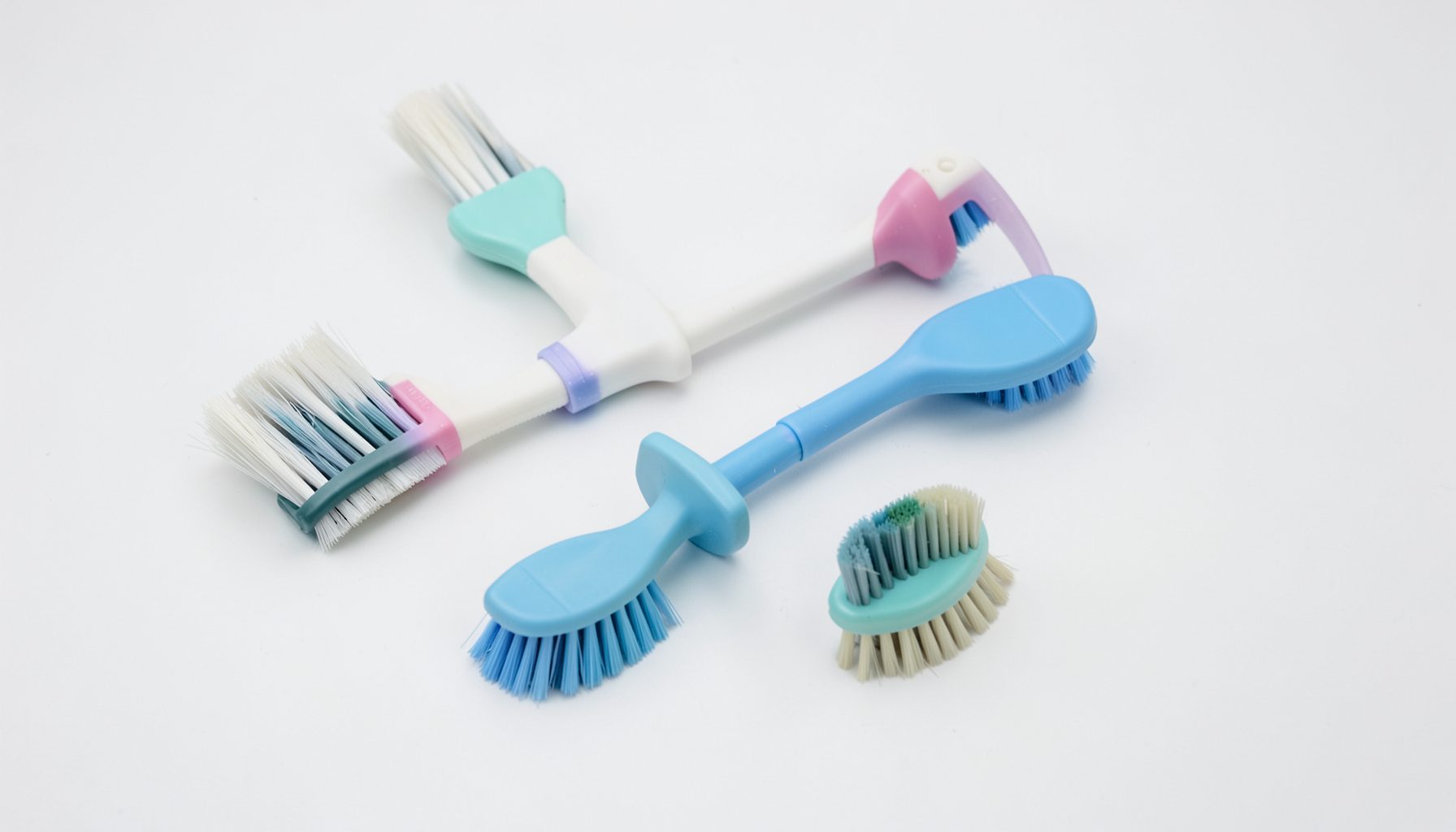
Switch nostrils and repeat. After use, rinse the bottle and let it air dry. Use ResQRinse Premium Cleaning Brushes for thorough cleaning.
How adult and child squeeze bottles differ
Nasal irrigation can help wash away mucus, allergens, and other irritants when congestion makes breathing uncomfortable. A squeeze bottle gives the user more control than a passive rinse because gentle hand pressure helps move saline through one nostril and out the other. However, a bottle designed for an adult should not automatically be treated as the best choice for a child.
The differences involve more than overall size. Grip shape, bottle capacity, nozzle dimensions, flow resistance, pressure control, and cleaning requirements all affect how comfortable and practical the rinse feels. Children also need an age-appropriate routine and close supervision, especially while they are learning how to position the bottle and breathe through their mouths.
ResQRinse offers nasal irrigation products for different household needs, including adult and child squeeze-bottle systems, saline packets, cleaning accessories, and nasal mist. Understanding the design choices can make it easier to select a system that fits the user rather than expecting every family member to share one bottle.
Designed around different users
An adult squeeze bottle is generally shaped for a larger hand and may hold more saline per rinse. Its body can require firmer compression, which is manageable for an adult but awkward for a young child. A child-sized bottle typically uses a smaller reservoir and a shape that is easier to stabilize with smaller fingers.
Capacity influences the entire experience. Adults may prefer enough solution for a complete rinse without stopping to refill, while children often benefit from a smaller amount that feels less intimidating. A compact bottle can also reduce spills when a child is still learning to coordinate the bottle, head angle, and breathing.
The nozzle is another important distinction. Adult models are usually proportioned for adult nostrils and facial anatomy. A child’s nozzle should be designed to make a comfortable seal without requiring excessive force. The correct fit supports a steady rinse while reducing the temptation to press the tip tightly against the nose.
Grip, pressure, and flow control
Squeeze bottles depend on controlled hand pressure. Adults can usually adjust compression by feel, but younger children may squeeze too hard, too quickly, or inconsistently. A child-focused design can make the bottle easier to hold and may encourage gentler pressure, although an adult should still control or closely supervise the rinse when needed.
The aim is a smooth saline flow rather than maximum force. Strong pressure does not make a rinse more effective and can make the process uncomfortable. It may also cause a child to resist future rinses. Caregivers should follow the product instructions, use the recommended saline mixture, and stop if the user experiences pain, ear pressure, or significant discomfort.
A well-designed system can help guide the flow through a shaped nozzle or sealing feature. ResQRinse’s product range includes Nasal Lock technology intended to support a secure, comfortable fit during use. The design does not remove the need for proper posture or supervision, but it can make the routine easier to manage.
Comfort and confidence during use
Children often respond to the sensory experience as much as to the physical design. A large bottle, unfamiliar nozzle, or sudden stream can seem overwhelming. A smaller bottle with a simple grip may help the child feel more involved and less concerned about losing control.
The user should lean over a sink, keep the mouth open, and breathe through the mouth while rinsing. The head should be tilted as directed by the manufacturer rather than tipped sharply backward. Adults can demonstrate the process first, explain each step in simple language, and allow the child to hold an empty bottle before saline is introduced.
Age and development matter more than a child’s ability to squeeze a bottle once. Some children can manage a rinse with guidance, while others need an adult to position the nozzle and apply the pressure. Parents and caregivers should follow the age recommendations on the specific product and consult a healthcare professional if the child has recurring symptoms, structural nasal problems, or unusual pain.
| Design feature | Adult squeeze bottle | Child squeeze bottle | Why it matters |
|---|---|---|---|
| Bottle capacity | Often larger for a complete rinse | Usually smaller and lighter | Reduces fatigue and makes handling easier |
| Grip | Sized for adult hands | Narrower or more compact | Helps smaller hands maintain control |
| Squeeze response | May require moderate compression | Intended to support gentler handling | Helps limit force during use |
| Nozzle fit | Proportioned for adult anatomy | Designed for a smaller nose | Supports comfort and a stable seal |
| Routine | Can often be self-directed | Usually needs supervision | Builds safe technique and confidence |
| Cleaning | Must be rinsed and dried after every use | Requires the same hygiene standards | Prevents residue and microbial growth |
Materials and cleaning considerations
Both adult and child bottles need careful hygiene. After each use, the bottle, cap, and nozzle should be rinsed according to the manufacturer’s directions, washed when specified, and allowed to dry fully. A damp, closed bottle can retain moisture and residue, creating an unsuitable environment for repeated use.
The material matters because it affects flexibility, durability, odor retention, and cleaning. Families comparing products can review guidance on safe bottle materials before choosing a system. A bottle should be replaced if it becomes cracked, cloudy, difficult to clean, or damaged around the nozzle.
Saline preparation also requires care. Use the packets and water type recommended by the manufacturer; do not use untreated tap water unless local instructions specifically confirm that it is safe for nasal irrigation. Water should be prepared correctly, and leftover saline should not be stored for later use unless the product instructions explicitly allow it.
Children may be more likely to touch the nozzle, drop the bottle, or share it with a sibling. Each person should have their own bottle and nozzle where possible. Keeping child and adult systems separate makes it easier to monitor cleaning and prevents accidental sharing during cold and allergy seasons.
Choosing for allergies and congestion
The basic purpose of both designs is similar: saline can loosen thick mucus and help rinse away airborne particles. The right bottle is determined by the user’s anatomy, comfort, technique, and consistency rather than by the severity of congestion alone.
Families dealing with seasonal allergies may use irrigation as part of a broader symptom-management routine. For households affected by pet dander, this guide to pet allergies explains how nasal rinsing may help remove irritants from the nasal passages. It should be viewed as supportive care, not a replacement for advice from a qualified clinician.
A child’s symptoms should be monitored carefully. Seek medical guidance for persistent congestion, repeated nosebleeds, fever, facial swelling, severe headache, breathing difficulty, or symptoms that worsen after rinsing. Stop the process if the child reports sharp pain or strong ear pressure.
Practical recommendations for families
Selecting separate designs for adults and children can simplify the routine and improve comfort. A child may be more willing to rinse when the bottle feels manageable and belongs to them. Adults can then focus on teaching technique instead of compensating for an oversized bottle or excessive flow.
A useful family setup should also include the right saline packets and cleaning tools. A small brush can help clean narrow areas, while a drying location keeps the bottle open and separated from bathroom surfaces. Keep all components together so the rinse can be prepared correctly when symptoms appear.
- Choose a child-sized system when the adult bottle feels difficult to grip, position, or compress.
- Use age guidance and supervise children until they can follow every step reliably.
- Apply gentle pressure and never force saline through a blocked or painful passage.
- Use the recommended water and saline combination for every rinse.
- Clean, dry, and inspect each bottle after use; never share personal nozzles.
Building a routine that feels manageable
Consistency is easier when rinsing takes place at a predictable time, such as after outdoor activity or before bed during an allergy flare. Children can participate by opening the saline packet, filling the bottle with help, or placing it in its drying area. These small responsibilities can make the process feel familiar without leaving safety decisions to the child.
Adults should model calm technique and avoid presenting the rinse as a punishment. A child does not need to use the same pressure, volume, or nozzle as an adult. Separate designs acknowledge those differences and allow each user to follow a more comfortable routine.
An adult bottle may be the practical option for a capable teenager or older child, but the transition should be based on fit and control rather than age alone. If the nozzle feels too large, the bottle is difficult to compress, or the user cannot maintain the recommended posture, a child or smaller-volume design remains the better choice.
Explore the ResQRinse nasal rinse range to compare adult and child systems, saline accessories, and cleaning options, then choose the bottle that supports comfortable, well-supervised use for each member of the household.