ResQRinse is the nasal irrigation squeeze bottle that eliminates head-tilting and awkward neck positions. Using proprietary Nasal Lock™ technology, it delivers a comfortable, gag-free sinus cleanse — no more saline dripping down your throat.

Relief From Fall Sneezes
Now sold on Walmart.com. Free shipping on orders $30+. Try ResQRinse today with your everyday purchases.
Shop at WalmartWhy ResQRinse?
Nasal rinsing helps relieve congestion from colds, allergies, sinusitis, hay fever, and environmental pollutants. ResQRinse makes it comfortable enough to become a daily habit.
Nasal Lock™ Technology
Isolates sinuses from the throat using natural choanal occlusion — like inflating a balloon — so saline stays where it belongs.
Learn more →
Drug-Free Relief
Uses premixed saline packets with distilled water. No medications, no preservatives — just a natural cleanse for your nasal passages.
How to rinse →
For Kids Too
ResQRinse for Kids features a comfort nasal tip right-sized for smaller nostril openings, making rinsing gentle and easy for children.
Shop kids' version →
Breath-Controlled Flow
You control the saline flow with your own breath pressure — high volume, low pressure irrigation that's comfortable and effective.
Watch how-to videos →
Better Compliance
Designed to overcome the gagging and discomfort that cause people to abandon traditional neti pots and nasal rinse systems.
Our story →
Complete Kits Available
From the basic ResQRinse Nasal Rinse System ($19.99) to 90-day complete kits, saline packets, cleaning brushes, and Sinoptim Nasal Mist.
Browse all products →Get Started with ResQRinse
Ready to experience a better nasal rinse? Fill out the form below and we'll help you find the right product — or follow the simple steps to begin rinsing today.
Request More Information
How to Use ResQRinse
Fill the Bottle
Fill the ResQRinse squeeze bottle with distilled or previously boiled water and add one premixed saline packet.
Position the Tip
Place the comfort tip gently against one nostril. No head-tilting or awkward neck angles needed.
Squeeze & Breathe
Squeeze the bottle gently while breathing through your mouth. Nasal Lock™ keeps saline in your nasal passages and out of your throat.
Repeat & Clean
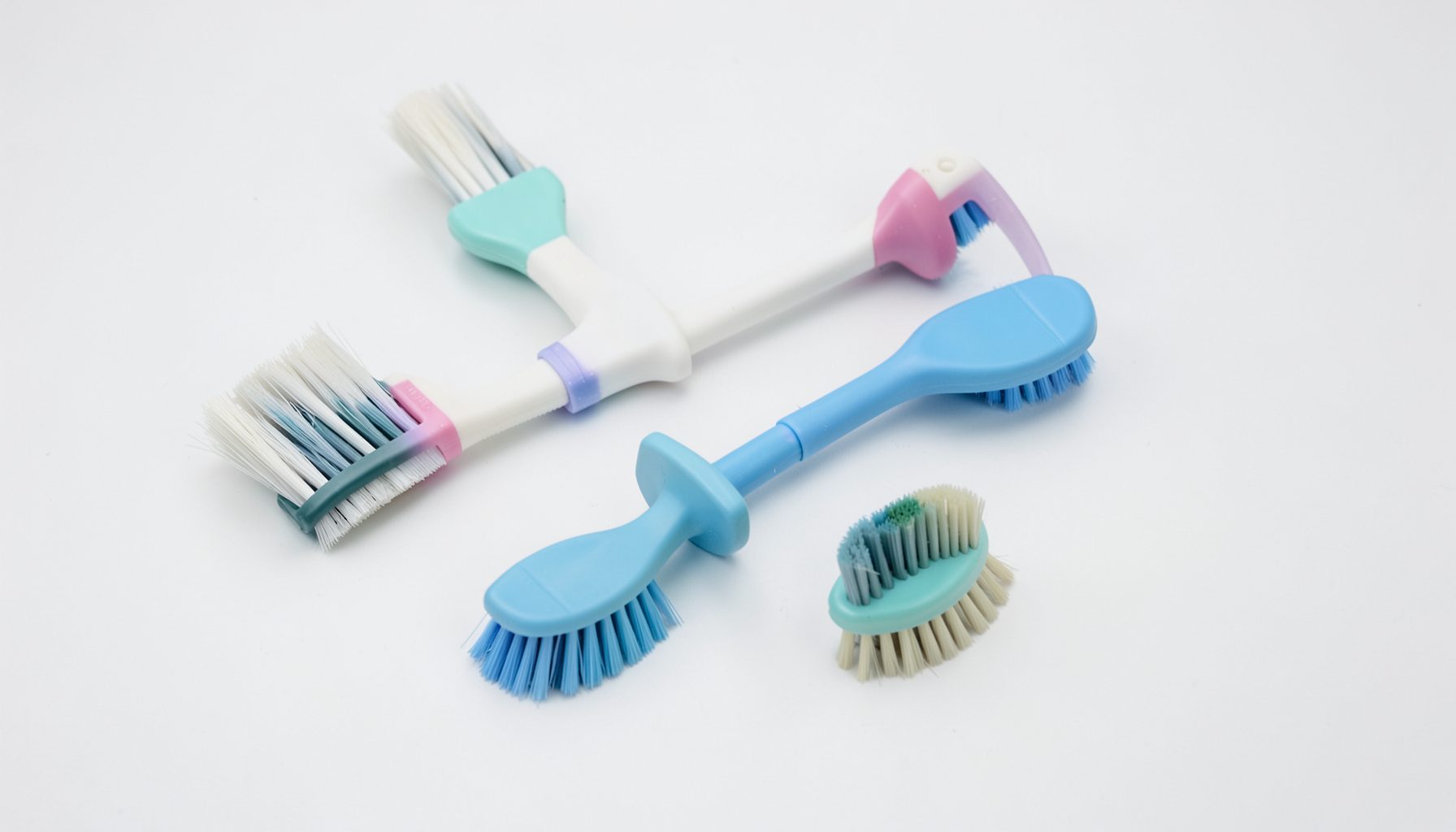
Switch nostrils and repeat. After use, rinse the bottle and let it air dry. Use ResQRinse Premium Cleaning Brushes for thorough cleaning.
Why Twice-Daily Nasal Rinsing Can Support Sinus Recovery
A sinus infection can leave the nasal passages swollen, congested, and coated with thick mucus. Breathing may feel difficult, pressure can build around the cheeks or forehead, and drainage may become uncomfortable when mucus cannot move freely. A saline nasal rinse can help clear the passages while the irritated tissue recovers.
Using a rinse in the morning and again later in the day gives temporary congestion relief at two useful points: after mucus has collected overnight and before accumulated secretions interfere with sleep. This routine does not cure every sinus infection, but it can support comfortable nasal hygiene and make recovery easier to manage.
The reason why rinsing twice a day helps during sinus infection recovery is largely practical. Regular irrigation can loosen mucus, wash away irritants, and keep saline in contact with the nasal lining without requiring constant use. Safe water, correct technique, and appropriate medical care remain essential.
How Saline Rinsing Supports Clearer Nasal Passages
A saline solution works by contacting the nasal lining and helping loosen thick secretions. The fluid can carry mucus, pollen, dust, and other particles out of the nose when it drains through the opposite nostril. This may reduce the feeling of blockage and make it easier to breathe through the nose.
Rinsing can also help remove crusting caused by dry air, frequent nose blowing, or inflamed nasal tissue. When mucus is less sticky, the body’s normal clearance system can move it more effectively toward the throat, where it can be swallowed naturally. Saline does not act as an antibiotic, but it can improve the local conditions in which recovery takes place.
The benefit is usually temporary rather than permanent. A rinse may provide several hours of improved comfort, so repeating it later can be more useful than doing a single rinse and expecting all-day relief.
Why Morning and Evening Timing Makes Sense
The morning rinse can clear mucus and drainage that collected while lying down. It may also remove bedroom allergens, dust, or dry secretions that contribute to stuffiness after waking. Some people find that nasal breathing feels easier shortly after this first rinse.
An evening rinse can clear material gathered throughout the day and help reduce congestion before bedtime. It may be especially helpful for people who notice postnasal drainage, facial pressure, or a blocked nose becoming more noticeable at night. Allow enough time for the solution to drain before lying down.
Twice daily is a common routine, but the best frequency depends on symptoms, nasal sensitivity, and medical advice. More frequent rinsing is not automatically better. Excessive use, overly strong saline, contaminated water, or poor device cleaning can irritate the nasal lining.
What Twice-Daily Irrigation Can and Cannot Do
A nasal rinse may help with thick mucus, stuffiness, postnasal drainage, and exposure to allergens during sinus infection recovery. It can support comfort while other treatments take effect, including medication prescribed by a healthcare professional. It may also make it easier to blow the nose gently rather than repeatedly forcing air through swollen passages.
However, irrigation does not replace an evaluation when symptoms are severe, prolonged, or worsening. A bacterial sinus infection may require prescription treatment, while viral infections often improve with time and supportive care. A rinse cannot determine which type of infection is present.
Seek medical guidance for severe facial swelling, vision changes, intense headache, confusion, neck stiffness, dehydration, or a high or persistent fever. Contact a clinician if symptoms last longer than expected, improve and then worsen, or repeatedly return. Children, people with immune-system problems, and anyone recovering from nasal surgery should receive individualized advice.
Safe Technique Makes the Routine More Comfortable
Use distilled or sterile water, or water that has been boiled and cooled according to public-health guidance. Ordinary tap water may contain organisms that are safe to drink but unsafe to introduce into the nasal passages. Prepare the saline packet exactly as directed rather than improvising the salt concentration.
Lukewarm water is generally more comfortable than very cold or hot water. Guidance on how to warm the rinse water can help reduce stinging and make the process easier to tolerate. Test the temperature carefully before use.
Lean over a sink, keep the mouth open, and allow the solution to flow gently. Do not squeeze forcefully, especially when the nose is very swollen or the ears feel blocked. Stop if there is sharp pain, significant ear pressure, persistent burning, or worsening bleeding. Afterward, let the nose drain and blow gently if needed.
Choosing a Device for Consistent Use
The device matters because comfort and control influence whether a person can maintain a twice-daily routine. A squeeze bottle can provide a steady flow with less tipping than a traditional neti pot. ResQRinse systems use Nasal Lock technology to help create a comfortable seal around the nostril, which may make positioning simpler for some users.
A child-sized system can be more appropriate for younger users, provided a parent or caregiver follows the instructions and supervises the process. Saline packets simplify preparation by providing a measured blend, while a nasal mist may be useful for lighter moisture support between full rinses. These options serve different needs and are not interchangeable in every situation.
Clean the bottle and accessories after each use according to the manufacturer’s instructions. Allow components to dry completely, and replace parts when they become worn, cloudy, cracked, or difficult to clean. A well-maintained system helps prevent the rinse itself from introducing unwanted contamination.
| Consideration | Morning Rinse | Evening Rinse |
|---|---|---|
| Main purpose | Clears overnight mucus and allergens | Removes daytime buildup before rest |
| Typical benefit | Easier nasal breathing after waking | Less congestion and drainage at bedtime |
| Best timing | After getting up and before other nasal products, when advised | Several minutes before lying down |
| Comfort focus | Use lukewarm solution and gentle pressure | Allow enough drainage time before sleep |
| Important caution | Avoid rinsing immediately after a procedure unless cleared | Stop if ear pressure, pain, or bleeding develops |
Adjusting the Routine for Sensitive Symptoms
A history of nosebleeds does not always rule out nasal irrigation, but the technique may need to be gentler. Dryness, forceful squeezing, and overly concentrated saline can irritate delicate tissue. Anyone with frequent or unexplained nosebleeds should ask a clinician before beginning regular rinsing; guidance for people with a nosebleed history can help address common precautions.
Nasal rinsing can also be useful after exposure to irritants or when crying has caused temporary stuffiness. Tears drain into the nasal passages and can contribute to swelling, though the symptoms are usually short-lived. If congestion follows crying, advice on rinsing after crying may help distinguish gentle comfort care from treatment that requires medical attention.
If the nose feels raw after a rinse, reduce pressure, check the water temperature, and confirm that the saline mixture is prepared correctly. A clinician may recommend a different frequency or another product if symptoms continue. Persistent one-sided blockage, repeated bloody drainage, or severe tenderness deserves evaluation rather than repeated home treatment.
A Practical Routine for Recovery
A simple routine can make nasal irrigation easier to remember and less disruptive. Use a clean device with properly prepared saline, rinse gently over a sink, and allow the nose to drain before using any clinician-recommended nasal spray. When a medicated spray is prescribed, ask whether irrigation should come before it so the medicine is not immediately washed away.
- Rinse once after waking to clear overnight mucus and environmental particles.
- Rinse again in the evening, leaving time for drainage before bed.
- Use only distilled, sterile, or properly boiled and cooled water.
- Clean and air-dry the device after every use.
- Stop and seek medical advice for severe pain, worsening symptoms, significant bleeding, or unusual pressure.
Consistency is more important than force. A comfortable, gentle rinse performed twice daily may provide steadier symptom support than an occasional aggressive rinse. Keep expectations realistic: the goal is to clear secretions and improve comfort while the underlying inflammation resolves or receives appropriate treatment.
When congestion is interfering with sleep, work, or daily activities, a complete saline rinse kit can make the routine easier to follow. ResQRinse offers squeeze-bottle systems, children’s options, saline packets, cleaning accessories, and nasal mist products available through Walmart and Amazon. Choose the format that fits the user’s age, symptoms, and ability to follow safe preparation and cleaning instructions.