ResQRinse is the nasal irrigation squeeze bottle that eliminates head-tilting and awkward neck positions. Using proprietary Nasal Lock™ technology, it delivers a comfortable, gag-free sinus cleanse — no more saline dripping down your throat.

Relief From Fall Sneezes
Now sold on Walmart.com. Free shipping on orders $30+. Try ResQRinse today with your everyday purchases.
Shop at WalmartWhy ResQRinse?
Nasal rinsing helps relieve congestion from colds, allergies, sinusitis, hay fever, and environmental pollutants. ResQRinse makes it comfortable enough to become a daily habit.
Nasal Lock™ Technology
Isolates sinuses from the throat using natural choanal occlusion — like inflating a balloon — so saline stays where it belongs.
Learn more →
Drug-Free Relief
Uses premixed saline packets with distilled water. No medications, no preservatives — just a natural cleanse for your nasal passages.
How to rinse →
For Kids Too
ResQRinse for Kids features a comfort nasal tip right-sized for smaller nostril openings, making rinsing gentle and easy for children.
Shop kids' version →
Breath-Controlled Flow
You control the saline flow with your own breath pressure — high volume, low pressure irrigation that's comfortable and effective.
Watch how-to videos →
Better Compliance
Designed to overcome the gagging and discomfort that cause people to abandon traditional neti pots and nasal rinse systems.
Our story →
Complete Kits Available
From the basic ResQRinse Nasal Rinse System ($19.99) to 90-day complete kits, saline packets, cleaning brushes, and Sinoptim Nasal Mist.
Browse all products →Get Started with ResQRinse
Ready to experience a better nasal rinse? Fill out the form below and we'll help you find the right product — or follow the simple steps to begin rinsing today.
Request More Information
How to Use ResQRinse
Fill the Bottle
Fill the ResQRinse squeeze bottle with distilled or previously boiled water and add one premixed saline packet.
Position the Tip
Place the comfort tip gently against one nostril. No head-tilting or awkward neck angles needed.
Squeeze & Breathe
Squeeze the bottle gently while breathing through your mouth. Nasal Lock™ keeps saline in your nasal passages and out of your throat.
Repeat & Clean
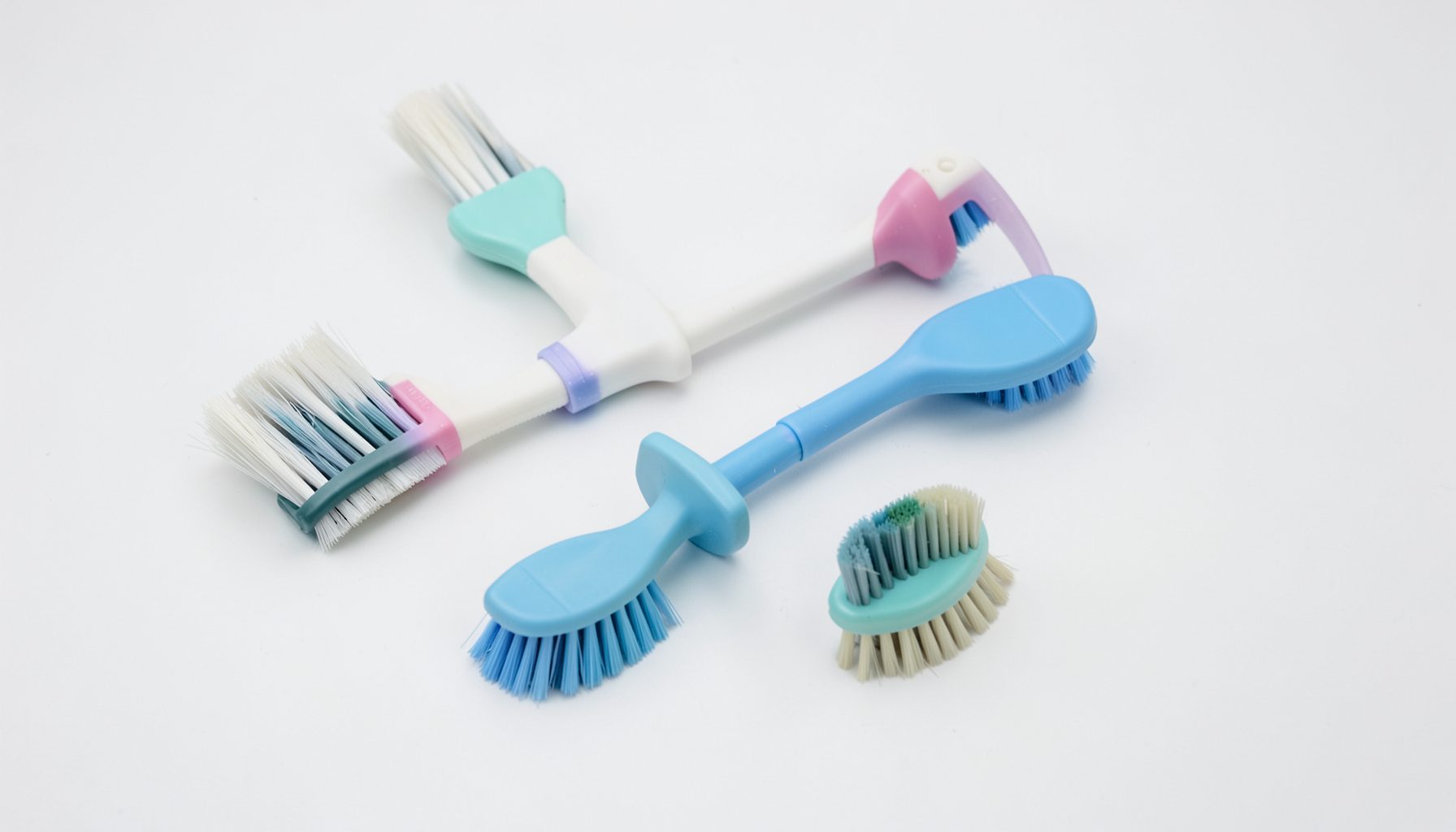
Switch nostrils and repeat. After use, rinse the bottle and let it air dry. Use ResQRinse Premium Cleaning Brushes for thorough cleaning.
How To Use Nasal Rinse For Relief After Crying
Crying can leave more than red, puffy eyes. Tears drain through small channels into the nose, where they can mix with mucus and create a stuffy, runny, or irritated feeling. Breathing through the nose may become uncomfortable even after the emotional moment has passed.
A gentle saline rinse can help flush away excess mucus and soothe nasal tissues. It does not stop tears or treat the reason you were crying, but it may ease the congestion, post-cry nasal drip, and blocked sensation that follow.
The safest results come from using the right water, the correct saline concentration, and light pressure. A rinse should feel comfortable rather than forceful. If your symptoms are severe, unusual, or persistent, consider speaking with a healthcare professional.
Why Crying Can Make Your Nose Feel Blocked
Tears normally drain into the nasal cavity through the nasolacrimal ducts. When you cry, the increased tear flow can make your nose run. Emotional crying may also cause nasal tissues to swell, especially when you sniff repeatedly or wipe your nose often.
Frequent sniffing can draw mucus backward and increase pressure around the nose and sinuses. Rubbing the nose may add irritation, while mouth breathing can leave the throat dry. These effects are usually temporary, but they can make it harder to settle down and breathe comfortably.
Saline irrigation helps by moistening the nasal lining and loosening thin mucus. It can also rinse away irritants that may be present if crying occurred during an allergy flare, in a dusty room, or around fragrances. The goal is gentle cleansing, not deep or aggressive flushing.
Prepare The Rinse Safely
Use a nasal irrigation bottle or another device made for sinus rinsing. Squeeze-bottle systems can be easier to control than an open neti pot because the flow and direction are more predictable. A child should use an age-appropriate product with adult supervision and guidance from a healthcare provider when needed.
Always use distilled or sterile water, or tap water that has been boiled and cooled according to public health guidance. Do not fill a nasal rinse device with untreated tap water. The water should be lukewarm, never hot, because nasal tissues are sensitive after crying and wiping.
Mix the water with a prepared saline packet designed for nasal irrigation. Plain water may sting, while an incorrect salt concentration can cause burning or dryness. Follow the instructions supplied with the device and packet rather than estimating the ingredients.
Wash your hands before preparing the rinse. Make sure the bottle, cap, and nozzle are clean and dry before use. Afterward, rinse the components as directed and allow them to air-dry fully. A cleaning brush can help reach areas where residue may collect.
A Gentle Method For Clearing Nasal Congestion
Before beginning, blow your nose softly if mucus is dripping freely. Do not pinch both nostrils shut and blow hard, since force can increase pressure in the ears or sinuses. Take a few slow breaths and let your face relax.
Lean over a sink and tilt your head slightly to one side. Keep your mouth open so you can breathe through it. Place the nozzle securely against the upper nostril without pushing it deeply inside. Use gentle pressure so the saline flows through the nasal passage and exits the other nostril or the mouth.
If the solution does not flow easily, stop rather than squeezing harder. A severely swollen or blocked nasal passage may need time to open. You can pause, adjust your head position slightly, and try again with less pressure. Pain, strong ear pressure, or burning is a signal to stop.
When finished, let the remaining liquid drain naturally. Blow your nose gently, one side at a time, and wipe the skin rather than rubbing it. A light nasal mist or moisturizer made for the nose may help with dryness, but avoid adding products unless they are intended for nasal use.
| Situation | Helpful approach | Avoid |
|---|---|---|
| Runny nose after crying | Use a lukewarm saline rinse with gentle flow | Repeated hard nose blowing |
| Mild nasal blockage | Relax, tilt the head, and use controlled pressure | Forcing fluid through a fully blocked passage |
| Tender skin around the nose | Pat dry and apply appropriate external skin care | Rubbing with tissues |
| A child with congestion | Use a child-specific system with supervision | Allowing unsupervised irrigation |
| Burning during the rinse | Stop and check the water and saline mixture | Continuing through significant discomfort |
Adjust The Technique To Your Symptoms
A post-cry rinse may only require a small amount of saline. Using more solution does not necessarily provide more relief, and repeated irrigation can leave the nose dry or irritated. Follow the product directions and use the lowest comfortable flow.
If both nostrils feel congested, rinse one side, pause, and assess how you feel before continuing. Mild pressure may occur, but sharp pain, ear fullness, dizziness, or worsening discomfort should not be ignored. Stop the session if any of these symptoms develop.
Some people prefer rinsing after washing their face, while others find it more comfortable before bed. Give the nose a few minutes to drain before lying down. Keeping tissues nearby and drinking water can also make the recovery period more comfortable.
For a visual guide to positioning, flow, and cleaning, ResQRinse provides rinse demonstrations that can help you review the basic technique before using a system.
Know What Relief To Expect
Saline irrigation may reduce the sensation of blockage, wash away mucus, and make nasal breathing easier. It can be especially useful when crying occurs alongside seasonal allergies or exposure to airborne irritants. Relief may be noticeable soon after rinsing, though the response differs from person to person.
The rinse will not remove eye redness immediately, prevent future crying, or address emotional distress. It also cannot diagnose an infection or replace treatment for ongoing sinus disease. Think of it as a supportive hygiene step for temporary nasal symptoms.
If your nose feels dry afterward, reduce the frequency and confirm that the saline mixture is prepared correctly. A ready-to-use nasal mist can be a gentler option when you only need moisture rather than a full irrigation. Product experiences can vary, so reviewing customer experiences may provide practical context without replacing medical advice.
Make Post-Crying Care More Comfortable
A nasal rinse works best as part of a calm, low-pressure routine. Give yourself time to sit upright, breathe slowly, and allow the nasal passages to drain. Cool compresses over closed eyes may help with puffiness, while hydration supports general comfort.
Keep a clean rinse system and fresh saline packets available if post-cry congestion happens often. Avoid sharing a nasal device, and replace or clean components according to the manufacturer’s instructions. A well-maintained system is more comfortable and lowers the chance of reintroducing residue into the nose.
Helpful habits include:
- Use lukewarm sterile, distilled, or properly boiled water every time.
- Choose saline packets made for nasal irrigation instead of household salt mixtures.
- Apply gentle pressure and stop if you feel pain, ear pressure, or dizziness.
- Clean and air-dry the device after each use.
- Use children’s products only with appropriate adult supervision.
When To Seek Medical Advice
Temporary congestion after crying generally improves as the nasal tissues settle. Contact a healthcare professional if blockage lasts for several days, keeps returning without an obvious trigger, or occurs with fever, facial swelling, severe facial pain, thick foul-smelling discharge, or breathing difficulty.
Do not irrigate through severe nasal obstruction, recent nasal surgery, frequent unexplained nosebleeds, or significant ear problems without medical guidance. People with immune system conditions or other health concerns should ask a clinician whether nasal irrigation is appropriate.
For most people, a properly prepared saline rinse offers a simple way to freshen the nose after tears, sniffing, and temporary swelling. Choose a comfortable system, follow safe water practices, and let gentle flow do the work. Explore a ResQRinse nasal rinse kit through the brand’s available retail options to create a practical part of your personal comfort routine.