ResQRinse is the nasal irrigation squeeze bottle that eliminates head-tilting and awkward neck positions. Using proprietary Nasal Lock™ technology, it delivers a comfortable, gag-free sinus cleanse — no more saline dripping down your throat.

Relief From Fall Sneezes
Now sold on Walmart.com. Free shipping on orders $30+. Try ResQRinse today with your everyday purchases.
Shop at WalmartWhy ResQRinse?
Nasal rinsing helps relieve congestion from colds, allergies, sinusitis, hay fever, and environmental pollutants. ResQRinse makes it comfortable enough to become a daily habit.
Nasal Lock™ Technology
Isolates sinuses from the throat using natural choanal occlusion — like inflating a balloon — so saline stays where it belongs.
Learn more →
Drug-Free Relief
Uses premixed saline packets with distilled water. No medications, no preservatives — just a natural cleanse for your nasal passages.
How to rinse →
For Kids Too
ResQRinse for Kids features a comfort nasal tip right-sized for smaller nostril openings, making rinsing gentle and easy for children.
Shop kids' version →
Breath-Controlled Flow
You control the saline flow with your own breath pressure — high volume, low pressure irrigation that's comfortable and effective.
Watch how-to videos →
Better Compliance
Designed to overcome the gagging and discomfort that cause people to abandon traditional neti pots and nasal rinse systems.
Our story →
Complete Kits Available
From the basic ResQRinse Nasal Rinse System ($19.99) to 90-day complete kits, saline packets, cleaning brushes, and Sinoptim Nasal Mist.
Browse all products →Get Started with ResQRinse
Ready to experience a better nasal rinse? Fill out the form below and we'll help you find the right product — or follow the simple steps to begin rinsing today.
Request More Information
How to Use ResQRinse
Fill the Bottle
Fill the ResQRinse squeeze bottle with distilled or previously boiled water and add one premixed saline packet.
Position the Tip
Place the comfort tip gently against one nostril. No head-tilting or awkward neck angles needed.
Squeeze & Breathe
Squeeze the bottle gently while breathing through your mouth. Nasal Lock™ keeps saline in your nasal passages and out of your throat.
Repeat & Clean
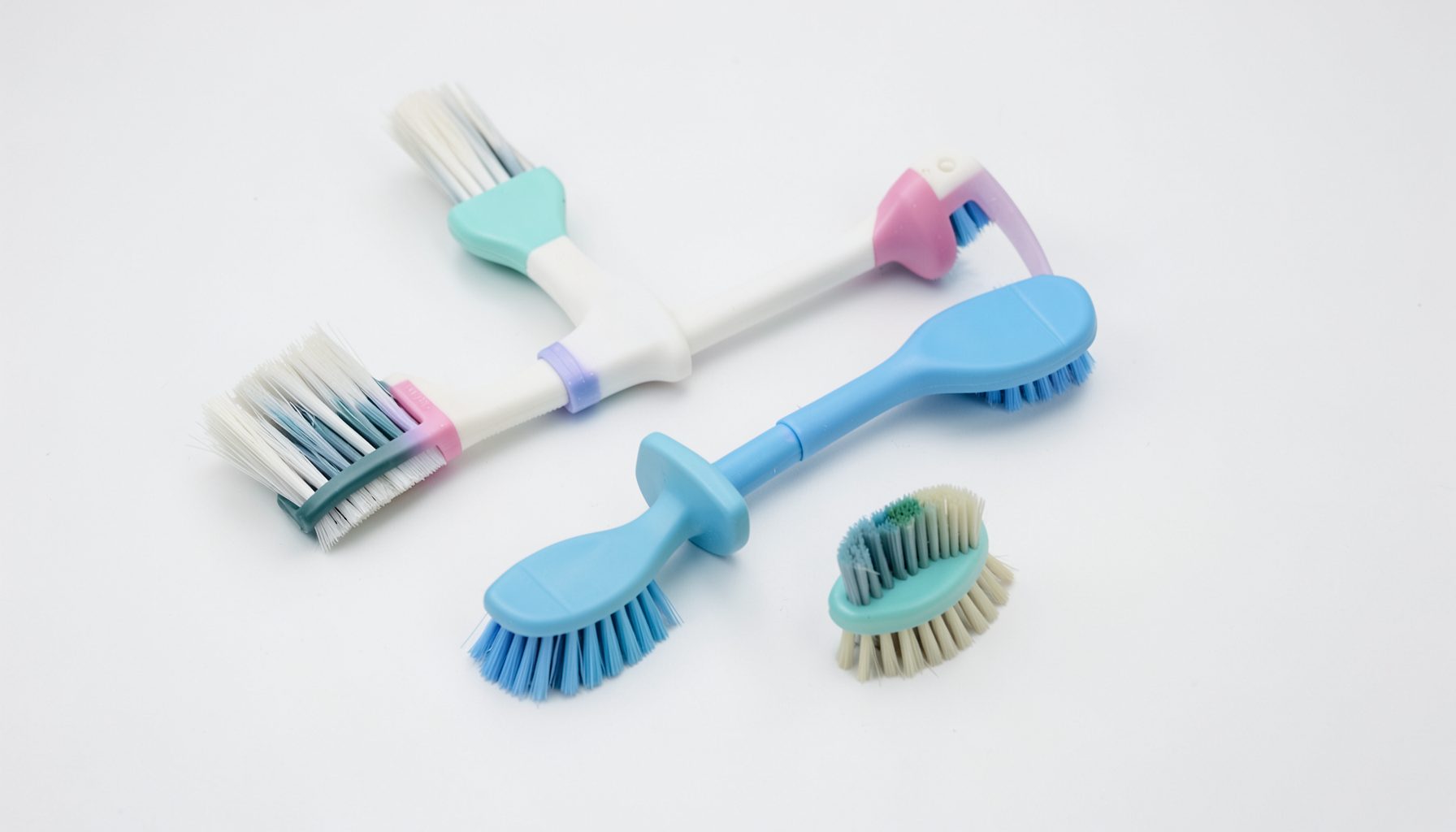
Switch nostrils and repeat. After use, rinse the bottle and let it air dry. Use ResQRinse Premium Cleaning Brushes for thorough cleaning.
Why Gentle Nasal Rinsing Matters for Young Users
Nasal irrigation can help wash away mucus, allergens, dust, and other irritants when a child has congestion or nasal discomfort. However, a rinse that feels manageable for an adult may feel too forceful for a young user. Comfort, control, and an age-appropriate routine all influence whether a child can use a nasal rinse calmly and consistently.
A lower flow rate gives water and saline more time to move through the nasal passages without creating an abrupt sensation. This matters for children because their nasal anatomy is smaller, their tissues may be more sensitive, and an unexpected rush can make them anxious about trying the process again.
The goal is not to use the strongest stream possible. A gentle, controlled flow can provide effective cleansing while helping young users feel secure. With suitable equipment, proper positioning, and safe water preparation, nasal irrigation can become a simple part of seasonal allergy or congestion care.
Smaller Nasal Passages Need Gentle Pressure
Children generally have narrower nasal passages than adults. When a rinse moves too quickly, the pressure may feel intense, especially if the nose is already swollen from a cold, allergies, or dry air. A lower flow rate helps reduce that sudden sensation and supports a more comfortable passage of saline.
Gentle flow may also help limit the feeling of water moving toward the ears or throat. Nasal irrigation should never be forced through significant blockage. If a child experiences sharp pain, ear pressure, nosebleeds, or persistent discomfort, stop the rinse and consult a healthcare professional.
A comfortable experience is especially important for first-time users. Young children may not understand that mild pressure can be normal, so a strong stream can quickly become frightening. Starting slowly allows them to learn the sensation and communicate how it feels.
Comfort Builds Better Rinsing Habits
Children often respond to the emotional side of a health routine as much as the physical sensation. If the rinse feels harsh, they may pull away, squeeze the bottle too firmly, or refuse future use. A controlled, lower-volume stream gives caregivers more opportunity to guide the process without turning it into a struggle.
A child-friendly nasal rinse should be introduced when the child is calm rather than during a rushed bedtime routine or at the peak of distress. Explain that the saline is designed to rinse the nose, demonstrate the bottle if appropriate, and let the child hold the device before use.
The surrounding environment can affect comfort as well. Dry indoor air may contribute to irritation and congestion, especially during winter or in heated buildings. Families looking for practical ways to manage nasal discomfort away from home can review these dry-air rinse tips and adapt the same principles to school-age routines.
Control Matters More Than Maximum Force
A squeeze-bottle system can give caregivers control over the speed and amount of saline used. For a young user, that control is valuable because the rinse can begin with light pressure and pause whenever needed. The child can gradually become familiar with the sensation instead of receiving a full-strength stream immediately.
Features designed to help maintain a secure seal may also improve the experience. ResQRinse Nasal Lock technology is intended to help position the bottle at the nostril, which can make it easier to direct saline through the nasal passages. A stable fit may reduce leakage and help caregivers avoid squeezing harder than necessary.
The bottle should be used according to its age guidance and instructions. Children should be supervised, and they should not be encouraged to force the rinse if one side feels completely blocked. A lower flow rate is useful because it supports control, but it does not replace correct posture, safe water, or professional advice when symptoms are severe.
Choosing A Flow That Fits The User
Different nasal irrigation devices create different sensations. A traditional neti pot usually relies on gravity, while a squeeze bottle allows more direct control over flow. A nasal mist delivers a much lighter application and may be useful when the goal is moisture rather than a full wash of the nasal passages.
| Rinse option | Flow control | Comfort considerations for young users | Typical role |
|---|---|---|---|
| Child-size squeeze bottle | Caregiver controls pressure | Can begin gently and pause easily | Congestion and allergen rinsing |
| Standard squeeze bottle | Moderate to high control | Requires careful, light squeezing | Family use when age appropriate |
| Neti pot | Mostly gravity controlled | May feel unfamiliar and spill more easily | Gentle rinse for users who can position it well |
| Nasal mist | Very low flow | Usually easy to tolerate | Moisture and light nasal support |
The right choice depends on the child’s age, cooperation, symptoms, and ability to follow directions. A smaller bottle or child-specific system may be easier to manage because it fits the user’s hands and encourages a less forceful application. Older children may be able to participate more actively, but supervision remains important.
A caregiver should also consider how easy the device is to clean. Residue inside a cap or nozzle can affect hygiene and performance. These steps for cleaning the rinse nozzle can help families keep the device ready for its next use.
Safe Preparation Supports A Better Experience
Saline should be mixed with water that is safe for nasal use. Tap water should not be used unless it has been treated according to appropriate public health guidance. Distilled or sterile water is a convenient option, while previously boiled water that has cooled may be suitable when prepared correctly.
Water temperature also influences how a child experiences the rinse. Water that is too cold can feel startling, while water that is too hot can irritate or injure delicate tissue. Lukewarm saline is generally more comfortable. Families can learn more about why distilled water matters before establishing a regular routine.
Use the correct saline packet or measured salt mixture rather than guessing. Plain water can sting, and an overly concentrated solution may also be uncomfortable. Follow the product directions, wash hands before preparation, and rinse and dry the device after use.
Signs The Routine Needs Adjustment
Some children may need several brief sessions before they accept nasal irrigation. A caregiver can reduce the pressure, use less saline, or practice positioning without turning on the flow. Bending slightly forward over a sink and breathing through the mouth may help saline exit comfortably.
Stop if the child reports pain, dizziness, significant ear fullness, or burning that does not quickly settle. Repeated nosebleeds, worsening symptoms, fever, facial swelling, or difficulty breathing should be discussed with a clinician. Children with certain ear, nasal, or immune conditions may need individualized instructions before using irrigation.
A rinse should support comfort rather than become a test of endurance. If a child is upset, forcing the process can create lasting resistance. Waiting and trying again later with a gentler approach is often more productive than increasing pressure.
Practical Ways To Keep Rinsing Gentle
- Choose a child-appropriate bottle or nasal mist with a controllable, comfortable output.
- Begin with light pressure and increase only if the product instructions and the child’s comfort allow it.
- Use lukewarm saline made with distilled, sterile, or appropriately treated water.
- Supervise every rinse and stop immediately if pain, ear pressure, or bleeding occurs.
- Clean, rinse, and fully dry the device after each use so it remains hygienic and ready.
Make A Calm Routine Easier To Follow
A lower flow rate can make nasal irrigation feel less surprising, helping young users tolerate the process and giving caregivers better control. The benefit is practical: when a child feels comfortable, the rinse is more likely to be performed correctly and used when needed.
Select an age-appropriate ResQRinse system, prepare the saline safely, and introduce the process gradually. Explore the available child-friendly rinse products, saline packets, and nasal mist options through Walmart or Amazon, and make gentle control the starting point for a more reassuring nasal-care routine.