ResQRinse is the nasal irrigation squeeze bottle that eliminates head-tilting and awkward neck positions. Using proprietary Nasal Lock™ technology, it delivers a comfortable, gag-free sinus cleanse — no more saline dripping down your throat.

Relief From Fall Sneezes
Now sold on Walmart.com. Free shipping on orders $30+. Try ResQRinse today with your everyday purchases.
Shop at WalmartWhy ResQRinse?
Nasal rinsing helps relieve congestion from colds, allergies, sinusitis, hay fever, and environmental pollutants. ResQRinse makes it comfortable enough to become a daily habit.
Nasal Lock™ Technology
Isolates sinuses from the throat using natural choanal occlusion — like inflating a balloon — so saline stays where it belongs.
Learn more →
Drug-Free Relief
Uses premixed saline packets with distilled water. No medications, no preservatives — just a natural cleanse for your nasal passages.
How to rinse →
For Kids Too
ResQRinse for Kids features a comfort nasal tip right-sized for smaller nostril openings, making rinsing gentle and easy for children.
Shop kids' version →
Breath-Controlled Flow
You control the saline flow with your own breath pressure — high volume, low pressure irrigation that's comfortable and effective.
Watch how-to videos →
Better Compliance
Designed to overcome the gagging and discomfort that cause people to abandon traditional neti pots and nasal rinse systems.
Our story →
Complete Kits Available
From the basic ResQRinse Nasal Rinse System ($19.99) to 90-day complete kits, saline packets, cleaning brushes, and Sinoptim Nasal Mist.
Browse all products →Get Started with ResQRinse
Ready to experience a better nasal rinse? Fill out the form below and we'll help you find the right product — or follow the simple steps to begin rinsing today.
Request More Information
How to Use ResQRinse
Fill the Bottle
Fill the ResQRinse squeeze bottle with distilled or previously boiled water and add one premixed saline packet.
Position the Tip
Place the comfort tip gently against one nostril. No head-tilting or awkward neck angles needed.
Squeeze & Breathe
Squeeze the bottle gently while breathing through your mouth. Nasal Lock™ keeps saline in your nasal passages and out of your throat.
Repeat & Clean
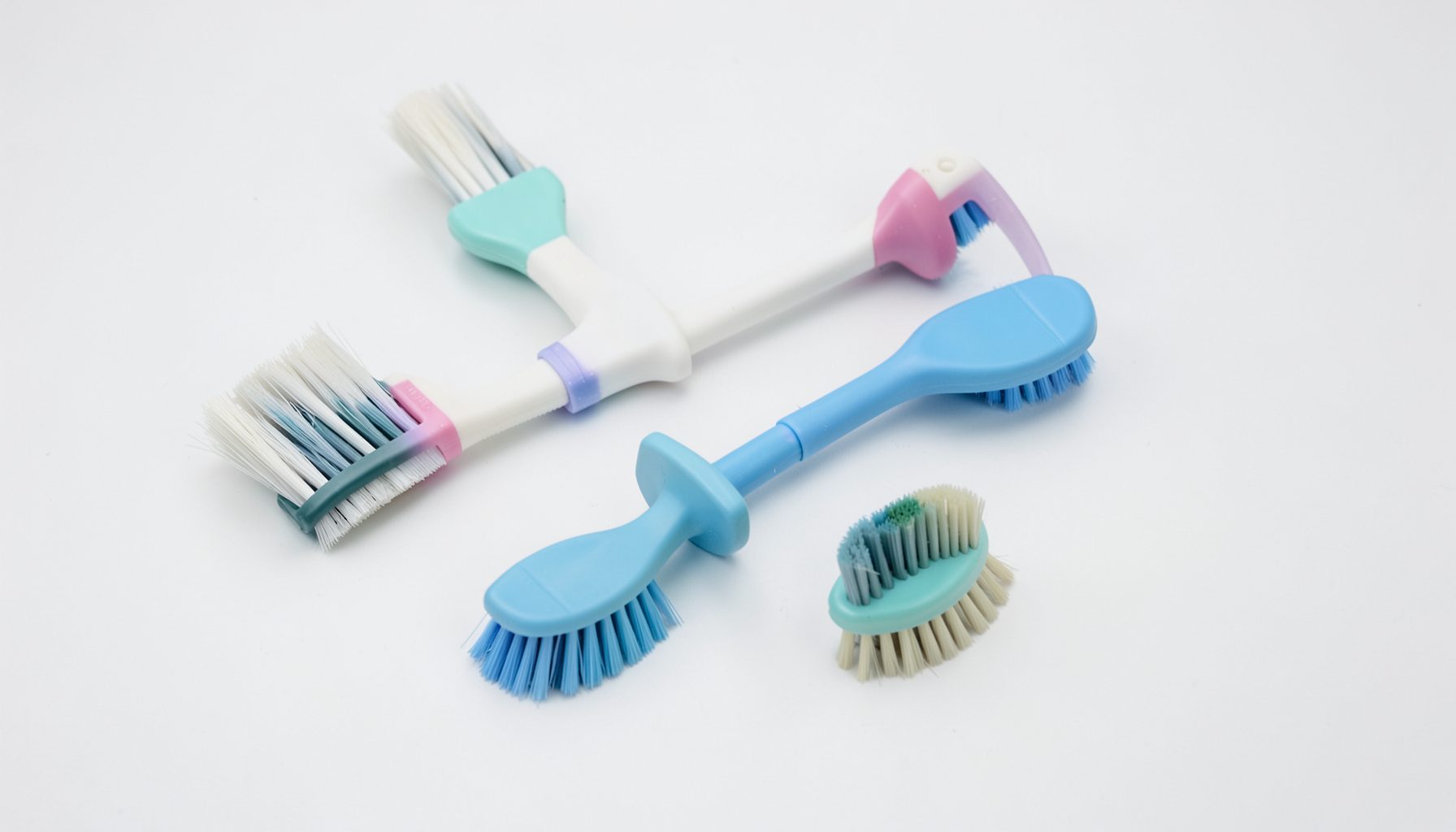
Switch nostrils and repeat. After use, rinse the bottle and let it air dry. Use ResQRinse Premium Cleaning Brushes for thorough cleaning.
The Benefits of Using Distilled Water for Nasal Irrigation
Nasal irrigation can help wash away mucus, allergens, dust, and other irritants from the nasal passages. The water used in a rinse is an important part of that routine. Choosing an appropriate water source supports both comfort and hygiene while helping saline solution work as intended.
Distilled water is a practical option because it has been processed to remove many minerals and impurities found in untreated water. When combined with a properly measured saline packet, it can create a gentle rinse for temporary relief from congestion, dryness, seasonal allergies, and sinus pressure.
Water quality is only one part of safe nasal irrigation. The device, saline concentration, cleaning routine, and technique also matter. A squeeze-bottle system such as ResQRinse can make the process easier to control, especially when its bottle and Nasal Lock technology are used according to the product instructions.
Why Water Quality Matters
Tap water may look clean, but it can contain microorganisms that are safe to swallow in small amounts yet unsuitable for nasal passages. The nose provides a direct pathway to sensitive tissue, so water intended for irrigation should be distilled, sterile, or boiled and cooled before use. Untreated water from a faucet, well, stream, or other source should not be used.
Distilled water undergoes a purification process that removes many dissolved minerals and other substances. This gives users a consistent base for mixing saline. Consistency is valuable because the final solution depends on both the water volume and the amount of salt included in the packet.
Using the right water can also make a rinse feel more comfortable. Plain water does not match the natural salt concentration of nasal tissues and may sting or create a burning sensation. A premeasured saline packet mixed with distilled water helps produce a more balanced solution than water alone.
How Distilled Water Compares With Other Options
Several water sources may be suitable for nasal irrigation when handled correctly, but they are not equally convenient. Commercial distilled water is ready to use when the container is sealed and stored properly. Sterile water labeled for the intended purpose may also be appropriate, while tap water requires boiling and cooling before it can be used.
Boiling is an alternative when distilled water is unavailable. Water should be boiled for the period recommended by public health guidance, then cooled to a comfortably warm temperature in a clean, covered container. Never pour boiling water into a nasal rinse device, and avoid guessing whether water is safe based only on its appearance.
| Water source | Suitable for nasal irrigation? | Important considerations |
|---|---|---|
| Distilled water | Yes, when sealed and properly stored | Convenient, consistent, and ready to use |
| Sterile water | Yes, if labeled appropriately | Follow the package directions and expiration date |
| Boiled and cooled water | Yes | Boil as directed by health guidance and cool in a clean container |
| Untreated tap water | No | May contain organisms unsuitable for nasal passages |
| Bottled drinking water | Not automatically | “Bottled” does not always mean distilled or sterile |
The label matters. Spring water, purified drinking water, and filtered water are not automatically interchangeable with distilled or sterile water. Filtration may improve taste or reduce some contaminants, but it does not necessarily provide the level of protection recommended for nasal irrigation.
Comfort and Consistency During a Rinse
Distilled water has a neutral, predictable quality that can make it easier to prepare a comfortable rinse. When users measure the water accurately and add the recommended saline packet, the resulting solution is less likely to vary from one use to the next. This can be especially helpful for people who irrigate regularly during allergy season.
Water temperature also affects comfort. Cool water may feel unpleasant, while hot water can irritate delicate tissue and cause burns. Lukewarm water is generally more comfortable. Test a small amount on the inside of the wrist before using it, and follow the instructions supplied with the irrigation system.
A consistent rinse may help remove thick mucus, pollen, pet dander, dust, and environmental particles. It does not cure the underlying cause of congestion, but it can provide temporary cleansing and moisture. People with recurring or severe symptoms should discuss persistent problems with a qualified healthcare professional.
Situations That May Call for Extra Care
People with seasonal allergies often use nasal irrigation to clear allergens after spending time outdoors. Distilled water can make this routine simpler because it is readily available and does not require last-minute boiling. Those dealing with pregnancy-related congestion can review guidance on a nasal rinse during pregnancy and speak with a healthcare professional about persistent or severe symptoms.
Children require additional attention to fit, pressure, and supervision. A child-sized system may be easier to handle, but caregivers should follow the age guidance and teach children not to share bottles or accessories. Nasal irrigation may not be appropriate for every child, particularly if the child cannot follow directions or has certain ear, nasal, or developmental conditions.
Anyone with frequent nosebleeds, recent nasal surgery, a completely blocked nasal passage, severe facial pain, or an active ear problem should seek medical advice before irrigating. Stop if the rinse causes intense pain, bleeding, worsening symptoms, or unusual pressure. A clinician can help determine whether another approach is more suitable.
Safe Preparation and Device Care
Wash your hands before preparing a rinse. Use the amount of distilled or sterile water specified by the product instructions, then add the correct saline packet. Do not substitute table salt, baking soda, or other ingredients unless a healthcare professional or the product manufacturer provides a precise, appropriate formula.
Lean over a sink and keep the mouth open while irrigating. This position allows the solution to flow through the nasal passages and out of the opposite nostril or mouth. Use gentle, controlled pressure rather than forcing the bottle. A device with a well-designed seal can help direct the flow while reducing leakage around the nostril.
After use, empty the bottle and rinse each removable part as directed. Cleaning brushes can help reach internal surfaces, but they should also be rinsed and allowed to dry. Moisture left inside a closed bottle can support microbial growth. Replace the device or parts according to the manufacturer’s care instructions, and never share a nasal irrigation bottle.
Habits That Support a Safer Routine
- Keep a dedicated supply of sealed distilled water and check the container before use.
- Mix each rinse fresh with the recommended saline packet rather than saving leftover solution.
- Use lukewarm water and gentle pressure to reduce stinging and irritation.
- Clean, rinse, and air-dry the bottle and accessories after every use.
- Stop and seek medical advice if symptoms become severe, unusual, or persistent.
Choosing a Practical Nasal Irrigation System
A squeeze-bottle system can be useful for people who want a portable, repeatable method for nasal cleansing. ResQRinse offers complete rinse kits, saline packets, children’s options, cleaning brushes, and nasal mist products, allowing users to select supplies that fit their routine. Reading the directions before the first use helps ensure the bottle, saline, and water are used together correctly.
People exposed to smoke, workplace dust, or other airborne irritants may also value a consistent cleansing routine. Guidance about clearing nasal irritants can provide additional context for smokers and others who experience regular exposure. Nasal irrigation cannot undo the effects of smoke exposure, but it may help remove some surface irritants and mucus.
The benefits of using distilled water for nasal irrigation come from its predictable purity, convenience, and compatibility with properly prepared saline. Combined with clean equipment, safe technique, and sensible medical guidance, it can make nasal irrigation a more dependable part of personal care. Select the ResQRinse system and supplies that match your needs, prepare each rinse carefully, and make distilled water part of a consistent routine.