ResQRinse is the nasal irrigation squeeze bottle that eliminates head-tilting and awkward neck positions. Using proprietary Nasal Lock™ technology, it delivers a comfortable, gag-free sinus cleanse — no more saline dripping down your throat.

Relief From Fall Sneezes
Now sold on Walmart.com. Free shipping on orders $30+. Try ResQRinse today with your everyday purchases.
Shop at WalmartWhy ResQRinse?
Nasal rinsing helps relieve congestion from colds, allergies, sinusitis, hay fever, and environmental pollutants. ResQRinse makes it comfortable enough to become a daily habit.
Nasal Lock™ Technology
Isolates sinuses from the throat using natural choanal occlusion — like inflating a balloon — so saline stays where it belongs.
Learn more →
Drug-Free Relief
Uses premixed saline packets with distilled water. No medications, no preservatives — just a natural cleanse for your nasal passages.
How to rinse →
For Kids Too
ResQRinse for Kids features a comfort nasal tip right-sized for smaller nostril openings, making rinsing gentle and easy for children.
Shop kids' version →
Breath-Controlled Flow
You control the saline flow with your own breath pressure — high volume, low pressure irrigation that's comfortable and effective.
Watch how-to videos →
Better Compliance
Designed to overcome the gagging and discomfort that cause people to abandon traditional neti pots and nasal rinse systems.
Our story →
Complete Kits Available
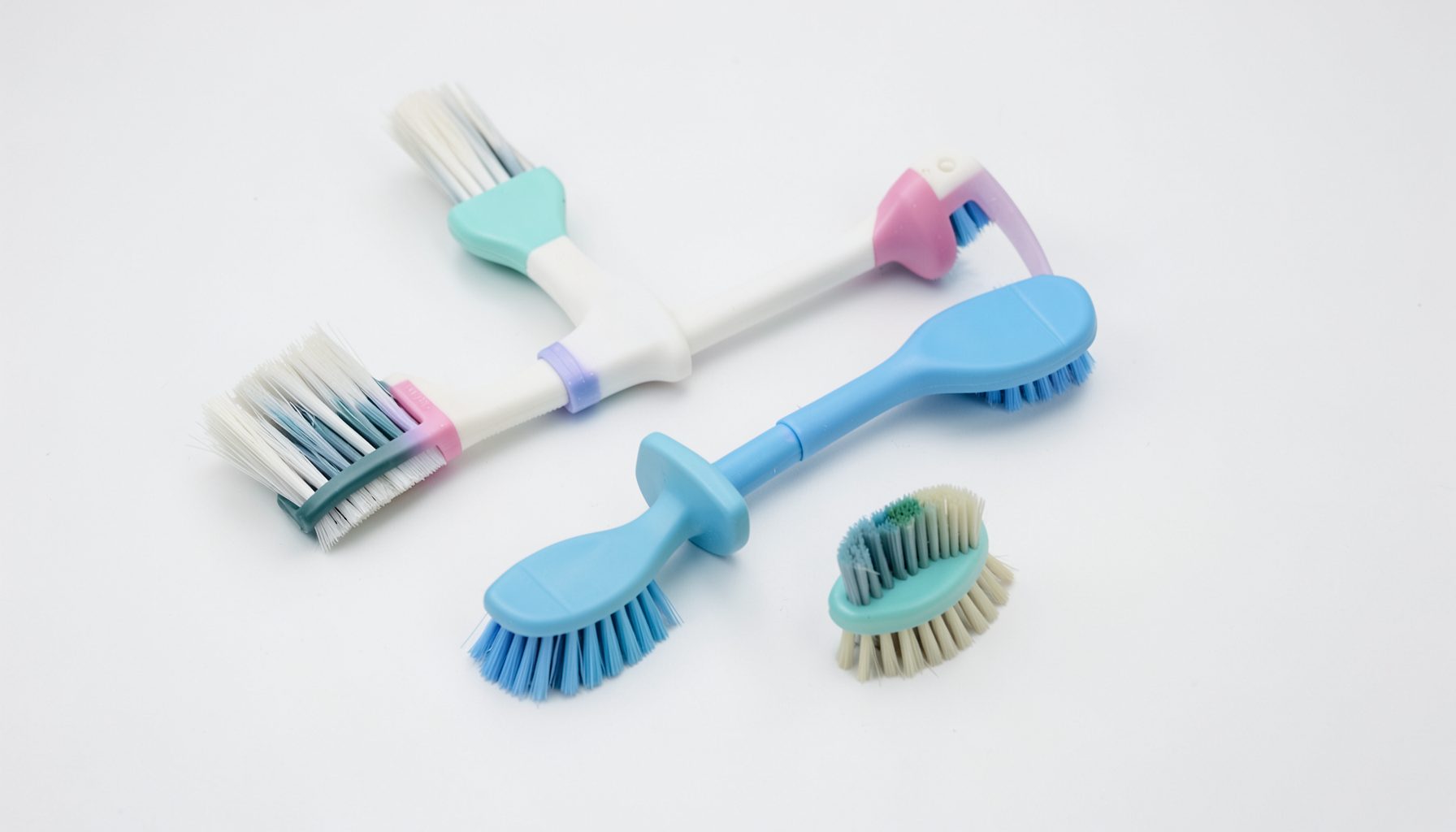
From the basic ResQRinse Nasal Rinse System ($19.99) to 90-day complete kits, saline packets, cleaning brushes, and Sinoptim Nasal Mist.
Browse all products →Get Started with ResQRinse
Ready to experience a better nasal rinse? Fill out the form below and we'll help you find the right product — or follow the simple steps to begin rinsing today.
Request More Information
How to Use ResQRinse
Fill the Bottle
Fill the ResQRinse squeeze bottle with distilled or previously boiled water and add one premixed saline packet.
Position the Tip
Place the comfort tip gently against one nostril. No head-tilting or awkward neck angles needed.
Squeeze & Breathe
Squeeze the bottle gently while breathing through your mouth. Nasal Lock™ keeps saline in your nasal passages and out of your throat.
Repeat & Clean
Switch nostrils and repeat. After use, rinse the bottle and let it air dry. Use ResQRinse Premium Cleaning Brushes for thorough cleaning.
Why Gentle Nasal Rinsing Can Be Safer for Children
Children often experience stuffy noses during colds, seasonal allergies, dry weather, or exposure to household irritants. Congestion can make sleep, eating, and breathing through the nose more difficult. A saline rinse may help wash away mucus, pollen, and other particles without relying on medicated decongestants.
The key is using a method suited to a child’s smaller nasal passages and lower tolerance for pressure. A gentle stream can be more comfortable than a forceful flush, making it easier for children to relax and cooperate. Comfort matters because a child who resists or moves suddenly may be more likely to have an unpleasant experience.
Nasal irrigation should always be performed with safe water, the correct saline mixture, and close adult supervision. It is also a supportive hygiene practice rather than a replacement for medical care. Persistent symptoms, breathing problems, fever, facial swelling, or significant pain deserve advice from a pediatrician or other qualified healthcare professional.
Why Pressure Matters For Young Sinuses
Children’s nasal passages are smaller and more sensitive than those of adults. Excessive pressure may cause discomfort, a sensation of fullness, coughing, or fluid reaching the throat. When a rinse feels harsh, a child may tense the face, hold the breath, or pull away from the bottle, making the process less controlled.
A low-pressure rinse allows saline to move through the nasal cavity at a steadier pace. This can help loosen thick mucus and rinse away allergens while reducing the force placed on delicate nasal tissues. The goal is a calm, comfortable flow rather than speed or volume.
Gentleness also supports better technique. A child who remains relaxed is more likely to keep the mouth open, breathe through the mouth, and maintain the recommended head position. Parents should stop if there is sharp pain, ear pressure, bleeding, or distress instead of trying to push through the discomfort.
How A Controlled Rinse Supports Comfort
A squeeze-bottle system gives the supervising adult control over the pace and amount of saline. The bottle should be compressed gradually, never sharply, and the child should be encouraged to breathe normally through the mouth. For younger children, an adult should handle the device unless a healthcare professional has advised otherwise.
ResQRinse systems use Nasal Lock technology to help create a controlled seal around the nostril. A secure, comfortable fit can reduce leakage and help direct saline where it is intended to go. The design is meant to make rinsing more predictable than pouring water from an open vessel, such as a traditional neti pot.
A predictable routine can also reduce anxiety. Letting a child see the bottle, practice breathing, and understand that the rinse will be brief may improve cooperation. Never force a rinse when a child is frightened, struggling, or unable to follow basic instructions.
Water Quality And Saline Make A Difference
Safe water is essential for nasal irrigation. Use distilled or sterile water, or tap water that has been boiled and cooled according to public health guidance. Ordinary untreated tap water is not appropriate for inserting into the nose because it can contain organisms that are harmless when swallowed but potentially dangerous in nasal passages.
Premeasured saline packets help maintain the intended salt concentration. Plain water can sting, while an overly concentrated mixture may irritate the lining of the nose. Follow the product directions carefully, use a fresh mixture, and discard leftover solution rather than storing it for another day.
Clean the bottle and its removable parts after each use and allow them to dry fully. A clean device reduces the chance of reintroducing bacteria during the next rinse. Parents who want more background on contamination concerns can review information about nasal rinse hygiene, including why water safety and equipment cleaning deserve attention.
Comparing Gentle Rinsing Methods
The right approach depends on the child’s age, symptoms, ability to cooperate, and guidance from a healthcare professional. A nasal mist may be suitable when a child cannot manage a full rinse, while a children’s squeeze bottle may be useful for an older child who can follow directions.
| Method | How It Delivers Saline | Comfort Considerations | Adult Supervision |
|---|---|---|---|
| Children’s squeeze bottle | Controlled, low-pressure flow | Useful for mucus and allergens when used gently | Required for young children |
| Traditional neti pot | Gravity-fed stream from a spout | Can feel unfamiliar and may be harder to control | Required, especially for beginners |
| Nasal mist | Fine spray or light coating | Often well tolerated for dryness and mild congestion | Recommended for younger users |
| Saline drops | Small amount placed in the nostril | Simple option for infants when advised | Required |
| Adult rinse bottle | Larger volume and fit | May be too large or forceful for children | Should not be adapted without guidance |
A device made for children should fit comfortably and allow the adult to regulate the flow. The equipment should also be easy to clean, because complicated parts may be neglected between uses. Product instructions should take priority over general advice, particularly for age recommendations and assembly.
When A Saline Rinse May Help
A gentle nasal wash can help remove thick mucus during a cold and clear airborne allergens during allergy season. It may also moisturize dry nasal tissue caused by indoor heating, low humidity, or exposure to dust. Rinsing before bedtime can be useful for some children because easier nasal breathing may support more comfortable sleep.
Saline irrigation does not treat every cause of congestion. It should not be used to delay care for suspected bacterial infection, asthma-related breathing trouble, an object lodged in the nose, or symptoms that continue or worsen. Seek professional advice for severe headache, swelling around the eyes, repeated nosebleeds, high fever, or difficulty breathing.
The timing and frequency should remain reasonable. More rinsing is not automatically better, and irritated tissue may need a break. Follow the directions for the specific product and ask a pediatric healthcare provider about an appropriate routine for a child with recurrent sinus symptoms, allergies, or a known structural issue.
Building A Calm Child-Friendly Routine
Choose a quiet time when the child is not rushed, overtired, or already upset. Wash your hands, prepare the saline with approved water, and check that the bottle is clean and intact. Explain the steps in simple language, then demonstrate with the bottle away from the child’s face if that helps reduce uncertainty.
The child can lean slightly forward over a sink while keeping the mouth open and breathing gently through it. Avoid tilting the head too far backward, which may encourage saline to run into the throat. Use a light squeeze and pause immediately if the child reports pain or pressure.
Afterward, encourage gentle nose blowing rather than forceful blowing. Wipe the nose, rinse the device as directed, and leave the parts open to air-dry. Families can also read real-world experiences in the customer testimonials to understand how different households incorporate nasal care, while remembering that individual experiences do not replace medical advice.
Practical Habits That Protect Sensitive Noses
Small details can make nasal irrigation safer and more comfortable. Parents should supervise every use, especially with preschool-age children, and should avoid sharing bottles or tips between family members. Each child should have a properly cleaned device or a dedicated set of components.
Keep saline packets dry and sealed until they are needed. Humidity, heat, and moisture can affect packet condition over time, so follow storage guidance and check packaging before use. This saline storage guide explains practical ways to protect unopened packets and preserve their usefulness.
- Use only distilled, sterile, or properly boiled and cooled water.
- Mix saline exactly as directed and prepare a fresh solution for each use.
- Apply slow, comfortable pressure rather than squeezing forcefully.
- Stop for pain, ear fullness, bleeding, coughing, or significant distress.
- Clean, dry, and store the device according to its instructions.
A child’s response is an important guide. Mild awareness of fluid movement can be normal, but sharp discomfort is a reason to stop and reassess the fit, position, water temperature, or saline concentration. If symptoms or reactions remain concerning, contact a healthcare professional before trying again.
For families seeking a gentler approach to everyday congestion care, a properly sized ResQRinse system, children’s saline packets, or nasal mist can support a simple routine when used as directed. Review the instructions, choose the option that matches the child’s age and comfort level, and keep safe water and careful supervision at the center of every rinse.