ResQRinse is the nasal irrigation squeeze bottle that eliminates head-tilting and awkward neck positions. Using proprietary Nasal Lock™ technology, it delivers a comfortable, gag-free sinus cleanse — no more saline dripping down your throat.

Relief From Fall Sneezes
Now sold on Walmart.com. Free shipping on orders $30+. Try ResQRinse today with your everyday purchases.
Shop at WalmartWhy ResQRinse?
Nasal rinsing helps relieve congestion from colds, allergies, sinusitis, hay fever, and environmental pollutants. ResQRinse makes it comfortable enough to become a daily habit.
Nasal Lock™ Technology
Isolates sinuses from the throat using natural choanal occlusion — like inflating a balloon — so saline stays where it belongs.
Learn more →
Drug-Free Relief
Uses premixed saline packets with distilled water. No medications, no preservatives — just a natural cleanse for your nasal passages.
How to rinse →
For Kids Too
ResQRinse for Kids features a comfort nasal tip right-sized for smaller nostril openings, making rinsing gentle and easy for children.
Shop kids' version →
Breath-Controlled Flow
You control the saline flow with your own breath pressure — high volume, low pressure irrigation that's comfortable and effective.
Watch how-to videos →
Better Compliance
Designed to overcome the gagging and discomfort that cause people to abandon traditional neti pots and nasal rinse systems.
Our story →
Complete Kits Available
From the basic ResQRinse Nasal Rinse System ($19.99) to 90-day complete kits, saline packets, cleaning brushes, and Sinoptim Nasal Mist.
Browse all products →Get Started with ResQRinse
Ready to experience a better nasal rinse? Fill out the form below and we'll help you find the right product — or follow the simple steps to begin rinsing today.
Request More Information
How to Use ResQRinse
Fill the Bottle
Fill the ResQRinse squeeze bottle with distilled or previously boiled water and add one premixed saline packet.
Position the Tip
Place the comfort tip gently against one nostril. No head-tilting or awkward neck angles needed.
Squeeze & Breathe
Squeeze the bottle gently while breathing through your mouth. Nasal Lock™ keeps saline in your nasal passages and out of your throat.
Repeat & Clean
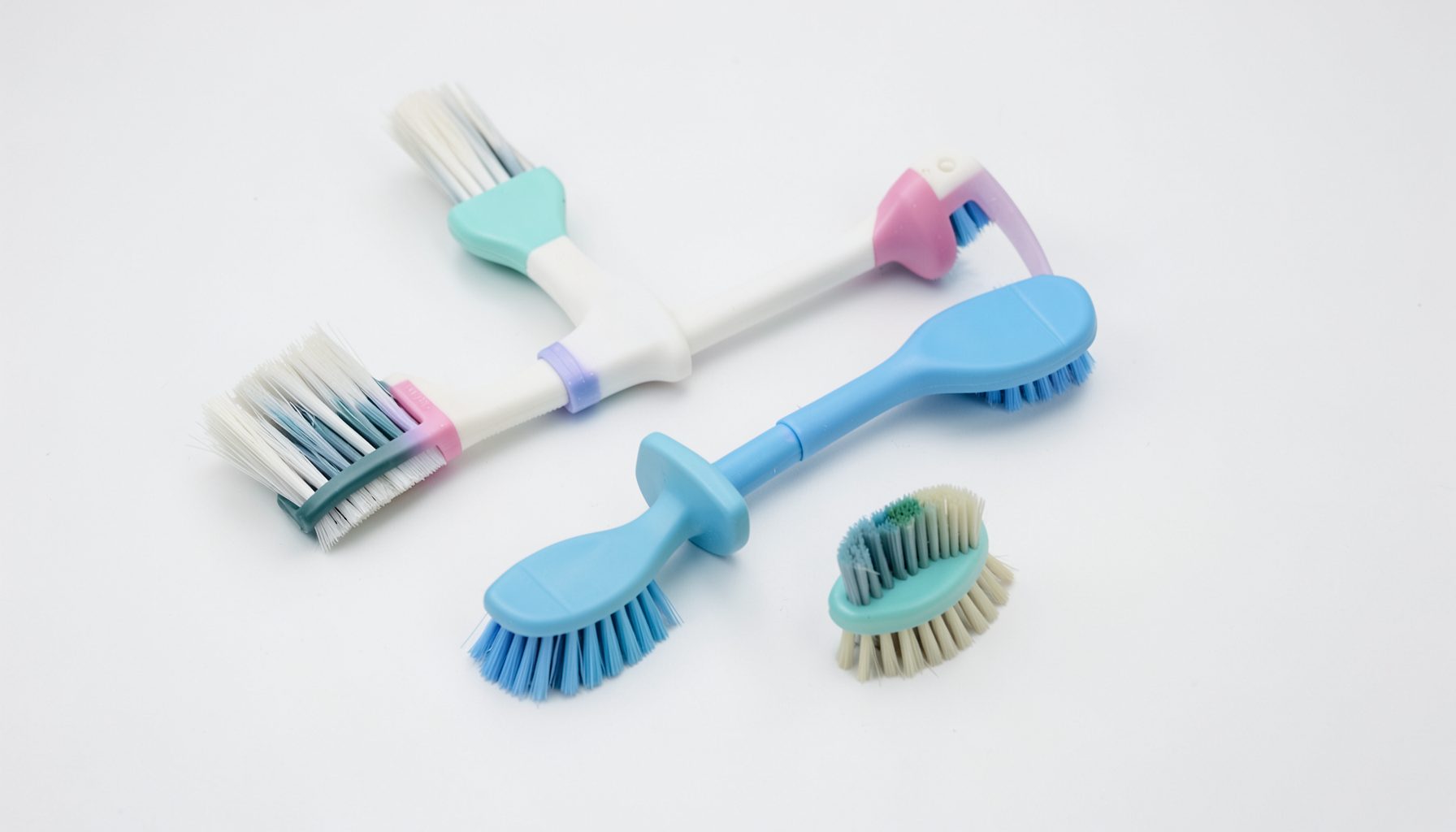
Switch nostrils and repeat. After use, rinse the bottle and let it air dry. Use ResQRinse Premium Cleaning Brushes for thorough cleaning.
How to Store Saline Packets for Maximum Shelf Life
Saline packets are small, convenient, and easy to overlook when organizing a bathroom cabinet. Yet proper storage matters because the powder must remain dry, clean, and stable until it is mixed with water for nasal irrigation. Heat, humidity, spills, and damaged packaging can all affect the packet before its printed expiration date.
A well-stored packet dissolves more predictably and helps you prepare a comfortable saline rinse when congestion, seasonal allergies, sinus pressure, or nasal dryness appears. Good storage also reduces waste, especially if you keep individual packets in a family-sized supply or use a rinse system regularly.
The same principles apply to standard saline packets, refill packs, and packets included with a squeeze-bottle kit. Always follow the instructions supplied with your specific product, and use the recommended water source and mixing volume.
Why Saline Packet Storage Matters
A saline packet contains measured ingredients intended to create a balanced solution when combined with the correct amount of water. The dry powder is generally stable inside its sealed wrapper, but exposure to moisture can cause clumping, hardening, or gradual changes in the contents. A compromised packet may no longer pour or dissolve as intended.
Keeping packets dry also protects the wrapper from weakening. A packet stored beside a sink, shower, or humidifier may experience repeated changes in temperature and moisture. Even if the outside looks acceptable, a tiny puncture or softened seam can allow humidity inside.
Storage cannot extend a product beyond its labeled shelf life. Instead, it helps preserve the packet’s original quality until that date. Before use, inspect the expiration date and the wrapper, and set aside anything that looks swollen, torn, damp, stained, or unusually discolored.
Choose A Cool, Dry Location
The best place for saline packets is a clean cabinet or drawer away from direct sunlight and sources of heat. A bedroom closet, hallway cupboard, or dry medicine cabinet may work better than a bathroom shelf. Choose a location with a fairly stable room temperature rather than one that becomes hot during the day.
Avoid placing packets near radiators, heating vents, hot water pipes, ovens, or sunny windows. High temperatures can accelerate the aging of packaging materials and may expose the powder to conditions outside the manufacturer’s storage recommendations. Do not leave packets in a car, where temperatures can rise sharply even on a mild day.
Humidity is just as important as temperature. Keep saline packets away from the shower area, bathtub, sink splash zone, and damp laundry spaces. If the bathroom is the most convenient location, use a closed cabinet well away from water and move the supply to a drier room when possible.
Protect The Original Packaging
Leave each packet sealed until you are ready to prepare a rinse. Do not cut open several packets in advance or transfer the powder into a jar. The original wrapper provides a measured, hygienic barrier and helps identify the product, lot information, and expiration date.
Store packets in a secondary container if you want extra protection from spills or household humidity. A clean, dry, airtight storage box can keep the individual wrappers organized. The container should be completely dry before use, and it should not previously have held food, cleaning chemicals, cosmetics, or other substances that could contaminate the packets.
Keep the packets flat or loosely arranged rather than tightly compressed under heavy objects. Crushing can damage the seals. If a packet falls into water, becomes sticky, develops a hole, or has a broken seal, discard it instead of trying to dry and use it.
Organize Supplies For Easy Rotation
A simple rotation system helps ensure that older packets are used first. When buying a new supply, place the newer box behind the older one. Keep packets together with the corresponding rinse bottle, measuring instructions, or cleaning brush so that the complete routine remains easy to follow.
Write the purchase month on the outer container if you regularly buy refills. This does not replace checking the printed expiration date, but it provides a quick way to identify forgotten supplies. If you keep different saline formulas or packet sizes, store them in clearly separated groups to prevent accidental mixing.
The packet should be used with the device and water volume specified by the manufacturer. ResQRinse systems are designed to make nasal irrigation straightforward, while features such as Nasal Lock technology are intended to support a controlled, comfortable rinse. Proper packet storage complements the design by helping preserve the dry formula before use.
Storage Choices At A Glance
Different storage locations can appear convenient but offer very different levels of protection. A dry indoor cabinet is usually preferable to a bathroom counter, even if the counter is where you normally prepare the rinse. You can keep a small working supply nearby and store the rest in a cooler, drier place.
| Storage Location | Suitability | Main Concern | Better Practice |
|---|---|---|---|
| Bedroom or hallway cabinet | Excellent | Limited airflow if overcrowded | Use a clean, dry, closed space |
| Bathroom cabinet away from the shower | Acceptable | Humidity and occasional splashes | Keep packets in a sealed secondary container |
| Bathroom counter | Poor | Steam, water, and temperature changes | Move packets to a cabinet or dry room |
| Kitchen drawer | Acceptable | Heat, grease, and food spills | Keep away from the stove and sink |
| Car glove compartment | Poor | Extreme temperature fluctuations | Carry only what you will use promptly |
| Refrigerator or freezer | Usually unnecessary | Condensation during removal | Follow the label rather than chilling packets |
Refrigeration is generally not needed for unopened dry saline packets unless the product instructions specifically say otherwise. Moving packets between cold and warm environments may create condensation, and moisture is exactly what should be avoided. A stable, dry room-temperature location is usually the simplest choice.
Check Packets Before Mixing
Make a quick inspection part of every rinse routine. Confirm that the expiration date has not passed, then examine the wrapper for punctures, loose seams, damp spots, or unusual swelling. The powder should look and behave as expected when poured; hard clumps or residue inside a damaged wrapper are reasons to discard it.
Do not attempt to rescue a packet by heating it, drying it with a hair dryer, or scraping powder from a torn wrapper. These actions cannot confirm that the contents remain suitable for nasal use. Discard questionable packets and use an intact replacement.
If several packets in the same box appear damaged, stop using that supply and contact the retailer or manufacturer with the product details. Consumer experiences can also provide practical context about comfort and routine use; ResQRinse shares customer testimonials from people using its nasal rinse products.
Prepare And Store Rinses Safely
Saline packets are intended to be mixed when needed, not prepared in advance for storage. Use the water type and temperature recommended in the instructions. Many nasal irrigation products call for distilled, sterile, or previously boiled and cooled water, since ordinary tap water may not be appropriate for nasal rinsing.
Use the full packet with the specified amount of water rather than dividing the powder by eye. An incorrect concentration may feel unpleasant and can make the rinse too weak or too strong. If the solution burns sharply, stop and review the water source, packet amount, device cleanliness, and preparation instructions.
After use, follow the device’s cleaning and drying directions. Do not pour leftover saline back into a storage bottle or reuse it later. A clean, dry rinse system and properly stored unopened packets make it easier to prepare a fresh solution each time. For practical guidance when one nostril is blocked, review how to rinse with one-sided congestion.
Build A Reliable Saline Routine
Good organization makes safe storage easier to maintain. Keep the main supply in a dry cabinet, place the next few packets where they are visible, and check dates during regular household medicine reviews. Families may also benefit from keeping children’s saline products separate from adult supplies and storing all items out of young children’s reach.
Use these habits to protect packet quality:
- Store unopened packets in their original wrappers inside a cool, dry cabinet.
- Keep them away from steam, sinks, direct sunlight, heaters, and car interiors.
- Rotate older packets forward and check expiration dates before mixing.
- Discard wrappers that are wet, torn, swollen, stained, or poorly sealed.
- Prepare only the amount of saline needed for the current rinse and clean the device afterward.
When saline packets remain dry and intact, they are ready to perform as intended when congestion or nasal discomfort calls for relief. Add a refill pack, cleaning supplies, or a suitable rinse system to your regular health-care organization, and purchase replacement packets through the retailer that best fits your routine.