ResQRinse is the nasal irrigation squeeze bottle that eliminates head-tilting and awkward neck positions. Using proprietary Nasal Lock™ technology, it delivers a comfortable, gag-free sinus cleanse — no more saline dripping down your throat.

Relief From Fall Sneezes
Now sold on Walmart.com. Free shipping on orders $30+. Try ResQRinse today with your everyday purchases.
Shop at WalmartWhy ResQRinse?
Nasal rinsing helps relieve congestion from colds, allergies, sinusitis, hay fever, and environmental pollutants. ResQRinse makes it comfortable enough to become a daily habit.
Nasal Lock™ Technology
Isolates sinuses from the throat using natural choanal occlusion — like inflating a balloon — so saline stays where it belongs.
Learn more →
Drug-Free Relief
Uses premixed saline packets with distilled water. No medications, no preservatives — just a natural cleanse for your nasal passages.
How to rinse →
For Kids Too
ResQRinse for Kids features a comfort nasal tip right-sized for smaller nostril openings, making rinsing gentle and easy for children.
Shop kids' version →
Breath-Controlled Flow
You control the saline flow with your own breath pressure — high volume, low pressure irrigation that's comfortable and effective.
Watch how-to videos →
Better Compliance
Designed to overcome the gagging and discomfort that cause people to abandon traditional neti pots and nasal rinse systems.
Our story →
Complete Kits Available
From the basic ResQRinse Nasal Rinse System ($19.99) to 90-day complete kits, saline packets, cleaning brushes, and Sinoptim Nasal Mist.
Browse all products →Get Started with ResQRinse
Ready to experience a better nasal rinse? Fill out the form below and we'll help you find the right product — or follow the simple steps to begin rinsing today.
Request More Information
How to Use ResQRinse
Fill the Bottle
Fill the ResQRinse squeeze bottle with distilled or previously boiled water and add one premixed saline packet.
Position the Tip
Place the comfort tip gently against one nostril. No head-tilting or awkward neck angles needed.
Squeeze & Breathe
Squeeze the bottle gently while breathing through your mouth. Nasal Lock™ keeps saline in your nasal passages and out of your throat.
Repeat & Clean
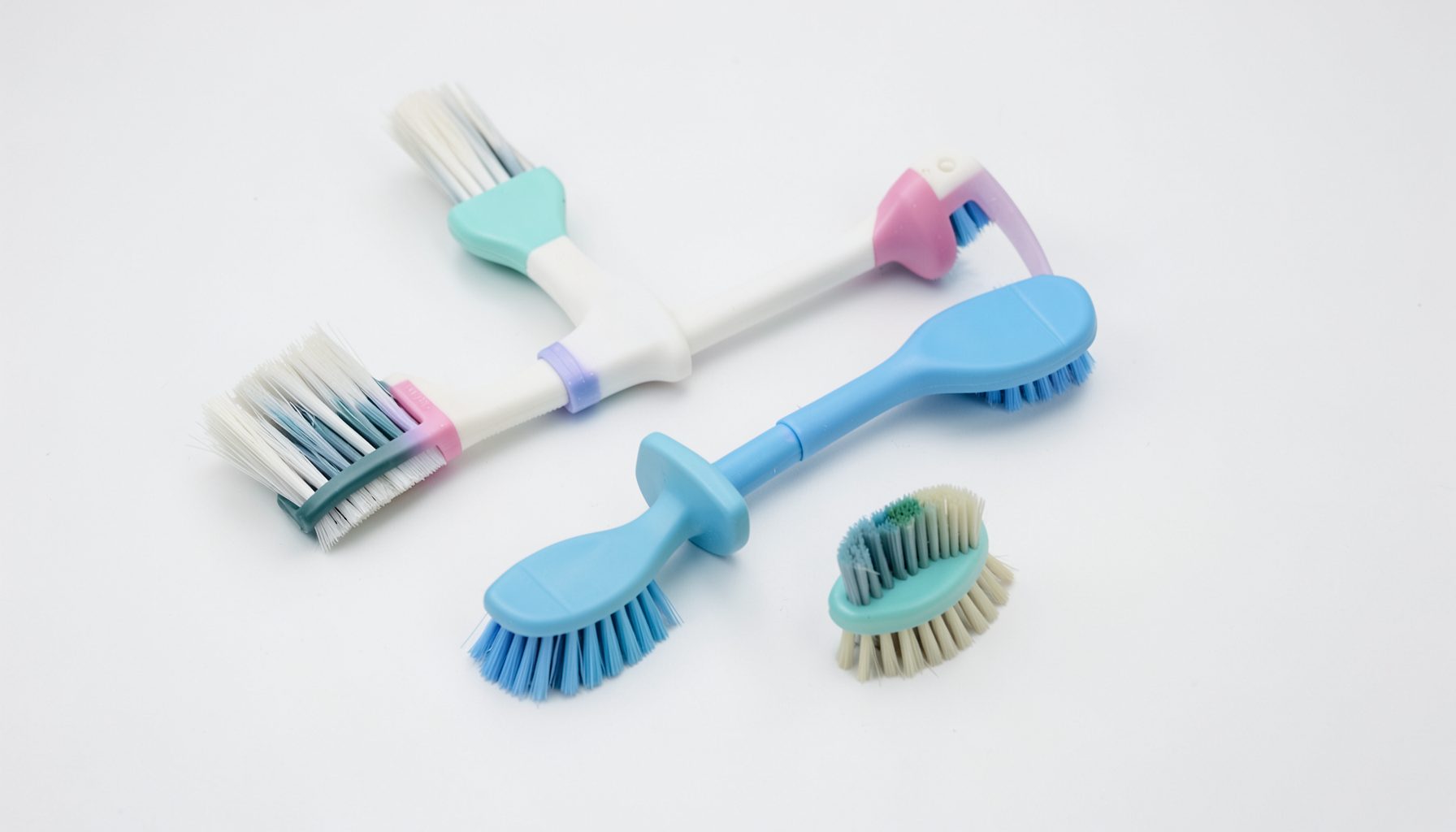
Switch nostrils and repeat. After use, rinse the bottle and let it air dry. Use ResQRinse Premium Cleaning Brushes for thorough cleaning.
Nasal Rinse and Sinus Staph Infections: Safe Use Guide
Nasal irrigation can loosen thick mucus, wash away allergens, and moisturize irritated nasal passages. For people with congestion or recurring sinus symptoms, a saline rinse may make breathing more comfortable. It is a supportive hygiene practice, however, rather than a treatment for a bacterial infection.
Staphylococcus bacteria, commonly called staph, can live harmlessly on the skin or inside the nose. In some circumstances, staph can contribute to infected sores, inflamed nasal tissue, or a sinus infection. Recognizing the difference between ordinary congestion and a condition needing medical attention is important before starting or continuing a rinse routine.
A properly prepared rinse is generally intended to flow through the nasal passages and drain out of the opposite nostril or mouth. Safe water, clean equipment, and correct technique matter because contaminated water or a poorly maintained bottle can introduce unwanted organisms into the nose.
How Staph Can Affect The Nose And Sinuses
Staph colonization does not automatically mean infection. Many healthy people carry Staphylococcus aureus in their nostrils without symptoms. Infection is more likely when bacteria enter damaged skin, irritated tissue, surgical sites, or areas affected by chronic inflammation.
A localized nasal infection may cause tenderness, redness, crusting, small sores, swelling, or drainage near the nostril. A deeper sinus infection can involve facial pressure, blocked drainage, thick discolored mucus, fever, worsening headache, or symptoms that persist after a viral cold should have improved. These signs can overlap with other conditions, so appearance alone cannot identify staph.
Some staph strains are resistant to commonly used antibiotics. A clinician may need to examine the nose, assess the sinuses, or collect a culture before choosing treatment. Avoid using leftover antibiotics or inserting medicated products into the nose without professional direction.
What A Saline Rinse Can And Cannot Do
Saline irrigation can clear mucus and reduce exposure to airborne particles trapped in nasal secretions. It may also soften crusting and support the normal movement of mucus toward the throat. A squeeze-bottle system can provide controlled pressure, while a nasal mist may offer lighter moisturizing for dryness.
These effects can ease congestion associated with allergies, a cold, or some sinus conditions. They do not prove that bacteria have been eliminated, and a rinse cannot replace antibiotics, drainage procedures, or other care prescribed for a confirmed infection. Strong pressure may also aggravate pain or push fluid toward the ears if the nose is completely blocked.
ResQRinse explains its squeeze-bottle design and Nasal Lock technology, which is intended to support a controlled, comfortable rinse. Regardless of the device, stop if irrigation causes sharp pain, ear pressure, bleeding, or a clear worsening of symptoms.
Water Quality And Equipment Hygiene
Only use distilled or sterile water, or tap water that has been boiled and cooled according to public-health guidance. Ordinary unboiled tap water can contain microorganisms that are safe to swallow in small amounts but unsafe to introduce into the nasal passages. Follow the water instructions supplied with the saline packets and device.
Mix saline with the correct amount of safe water. A solution that is too concentrated may sting and dry the tissue; one that is too weak may feel uncomfortable. Packaged nasal-rinse salts are useful because they are measured for the intended volume and usually contain buffering ingredients.
The bottle should be emptied after use, washed as directed, and allowed to air-dry fully. Do not share a nasal irrigation device. Replace it when it becomes cracked, cloudy, difficult to clean, or past its recommended service period. Material choice matters as well; this guide to safe squeeze-bottle materials can help explain what to look for when choosing or replacing equipment.
| Situation | Possible role of saline irrigation | Important limitation |
|---|---|---|
| Seasonal allergies | Washes away pollen and thins mucus | Does not replace allergy treatment when symptoms are persistent |
| Common-cold congestion | May improve comfort and drainage | Does not shorten every infection or prevent complications |
| Suspected bacterial sinusitis | May clear secretions while awaiting care | Cannot confirm or cure a bacterial cause |
| Nasal crusting or dryness | Adds moisture and softens buildup | Stop if bleeding or significant irritation develops |
| Diagnosed staph infection | May be permitted as supportive cleansing if a clinician agrees | Prescribed treatment and follow-up remain primary |
| Recent nasal surgery | Use only according to the surgeon’s instructions | Pressure and timing may need special adjustment |
When Rinsing May Be Unsafe
Avoid nasal irrigation during a complete blockage that prevents fluid from passing, or when severe ear pain, active nosebleeding, or significant facial swelling is present. People with swallowing problems, reduced immune function, or certain structural issues should ask a healthcare professional for individualized instructions.
A staph-related sore or abscess around the nostril may need targeted treatment rather than repeated flushing. Do not force saline across a painful lesion, pick at crusts, or use household disinfectants, essential oils, hydrogen peroxide, or undiluted antiseptics in the nose. These substances can damage delicate tissue.
If symptoms become worse after a rinse, discontinue the device and seek medical advice. A rare but serious concern with unsafe water is infection from environmental organisms, which is why water preparation is a fundamental part of nasal-rinse safety rather than a minor convenience.
Symptoms That Need Medical Evaluation
Contact a clinician for fever, increasing facial pain, swelling around the eyes, severe headache, vision changes, confusion, or a stiff neck. Urgent assessment is especially important when swelling spreads quickly, the person appears very ill, or symptoms occur after surgery or an injury.
Also arrange medical care for recurring bloody crusts, pus-like drainage from a sore, worsening symptoms after initial improvement, or congestion that continues for an unusually long period. Children may need evaluation sooner because they can have difficulty describing pressure, pain, or changes in smell.
A healthcare professional can distinguish a staph infection from viral sinusitis, allergic rhinitis, fungal disease, an irritated nasal vestibule, or a dental source of facial pain. Depending on the findings, treatment could include topical medicine, oral antibiotics, a culture, imaging, or a different approach to nasal care.
A Safer Routine For Everyday Relief
For routine congestion without warning signs, a simple process can reduce avoidable problems:
- Wash hands before preparing saline or handling the bottle.
- Use sterile, distilled, or properly boiled and cooled water every time.
- Check that the saline packet and device are intended to be used together.
- Lean over a sink, breathe through the mouth, and use gentle pressure rather than forcing the rinse.
- Wash, rinse, and air-dry the bottle after each use, following the manufacturer’s directions.
Start with the frequency recommended on the product instructions or by a healthcare professional. More frequent rinsing is not automatically better, particularly when the nasal lining is dry or inflamed. Keep the bottle personal, and store it dry rather than sealed while damp.
A child’s rinse system requires extra attention to positioning, supervision, and cooperation. Never restrain a frightened child to perform irrigation. A mist may be more acceptable for mild dryness, while a clinician can advise whether a squeeze rinse is appropriate for a child with persistent symptoms.
Choosing A Device And Knowing When To Stop
A squeeze bottle can be convenient for people who want a portable system with measured saline packets and a repeatable routine. A neti pot uses gravity and may feel gentler to some users, but it still requires safe water and thorough cleaning. The best option is one that the user can operate comfortably and maintain consistently.
Design features such as a soft tip, controlled flow, clear instructions, and easy-to-clean construction can support proper use. User experiences may offer practical perspective, although testimonials should not be treated as medical evidence; ResQRinse shares customer usage experiences alongside its product information.
Stop irrigation and seek guidance if symptoms repeatedly return, the rinse causes ear discomfort, or the nose becomes increasingly sore. A product can support daily comfort, but persistent or infected symptoms deserve a clinical assessment rather than progressively more frequent rinsing.
Safe saline irrigation begins with the right water, a clean device, and realistic expectations. If you have signs of a sinus or nasal staph infection, speak with a healthcare professional before relying on a rinse. For uncomplicated congestion, choose a suitable ResQRinse system, follow its instructions carefully, and make clean preparation part of every use.