ResQRinse is the nasal irrigation squeeze bottle that eliminates head-tilting and awkward neck positions. Using proprietary Nasal Lock™ technology, it delivers a comfortable, gag-free sinus cleanse — no more saline dripping down your throat.

Relief From Fall Sneezes
Now sold on Walmart.com. Free shipping on orders $30+. Try ResQRinse today with your everyday purchases.
Shop at WalmartWhy ResQRinse?
Nasal rinsing helps relieve congestion from colds, allergies, sinusitis, hay fever, and environmental pollutants. ResQRinse makes it comfortable enough to become a daily habit.
Nasal Lock™ Technology
Isolates sinuses from the throat using natural choanal occlusion — like inflating a balloon — so saline stays where it belongs.
Learn more →
Drug-Free Relief
Uses premixed saline packets with distilled water. No medications, no preservatives — just a natural cleanse for your nasal passages.
How to rinse →
For Kids Too
ResQRinse for Kids features a comfort nasal tip right-sized for smaller nostril openings, making rinsing gentle and easy for children.
Shop kids' version →
Breath-Controlled Flow
You control the saline flow with your own breath pressure — high volume, low pressure irrigation that's comfortable and effective.
Watch how-to videos →
Better Compliance
Designed to overcome the gagging and discomfort that cause people to abandon traditional neti pots and nasal rinse systems.
Our story →
Complete Kits Available
From the basic ResQRinse Nasal Rinse System ($19.99) to 90-day complete kits, saline packets, cleaning brushes, and Sinoptim Nasal Mist.
Browse all products →Get Started with ResQRinse
Ready to experience a better nasal rinse? Fill out the form below and we'll help you find the right product — or follow the simple steps to begin rinsing today.
Request More Information
How to Use ResQRinse
Fill the Bottle
Fill the ResQRinse squeeze bottle with distilled or previously boiled water and add one premixed saline packet.
Position the Tip
Place the comfort tip gently against one nostril. No head-tilting or awkward neck angles needed.
Squeeze & Breathe
Squeeze the bottle gently while breathing through your mouth. Nasal Lock™ keeps saline in your nasal passages and out of your throat.
Repeat & Clean
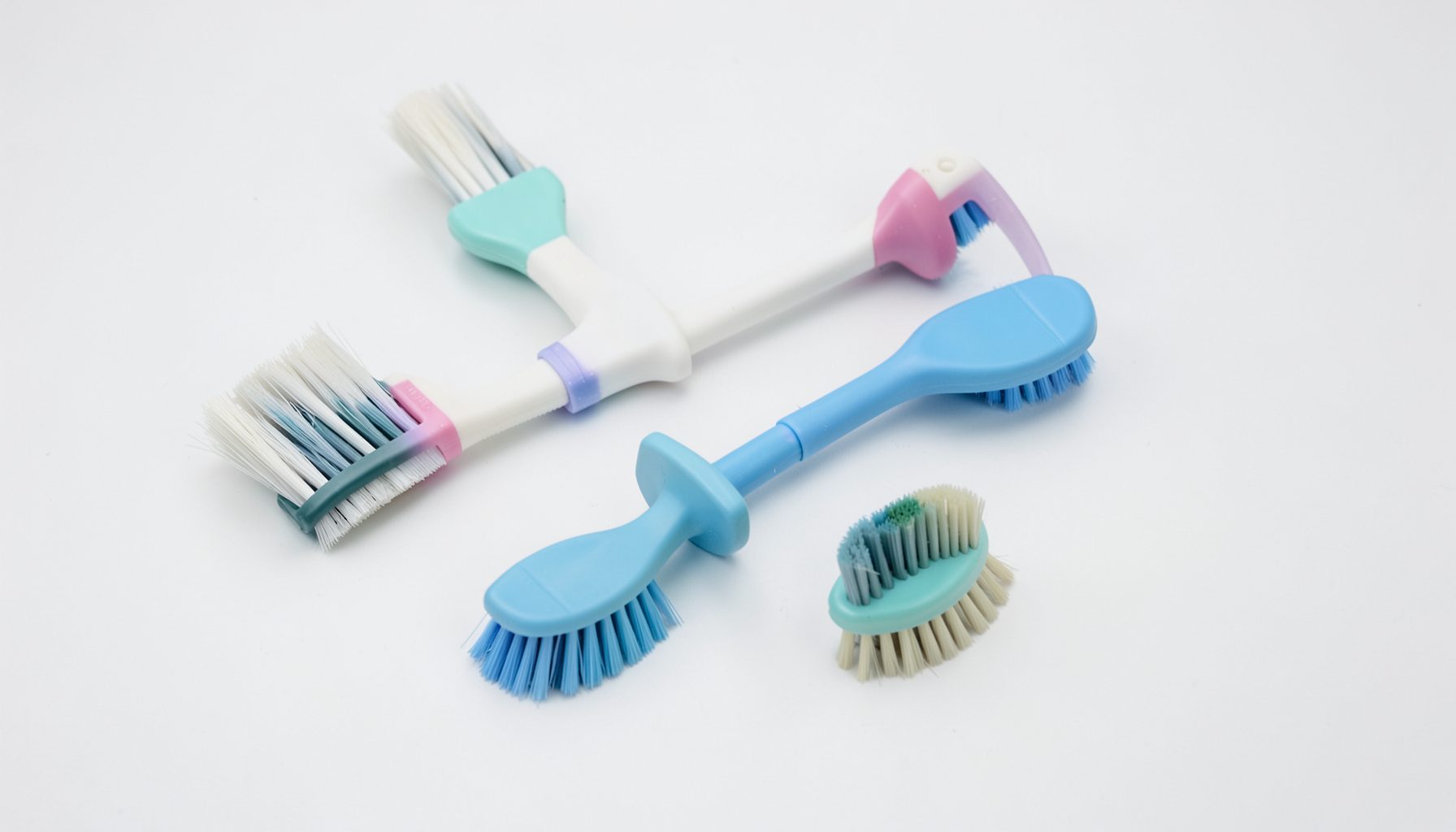
Switch nostrils and repeat. After use, rinse the bottle and let it air dry. Use ResQRinse Premium Cleaning Brushes for thorough cleaning.
What To Do When Saline Powder Does Not Fully Dissolve
A saline packet should usually blend into the water quickly when used with the correct amount of clean, lukewarm water. If grains remain at the bottom of the bottle or float in the solution, pause before rinsing. Incomplete dissolving can change the salt concentration and may make the rinse feel unpleasant or irritating.
The issue is often simple: water that is too cold, too little water, a packet that is not intended for the bottle, or powder that has clumped because of moisture. A few careful checks can help you prepare a more comfortable nasal irrigation solution without guessing.
Do not use the rinse if you are unsure what is in the bottle, if the packet is damaged, or if the mixture looks contaminated. Nasal rinsing should be soothing and predictable, so discard a questionable solution and start again with fresh water and a new packet.
Check The Water And Packet First
Begin by checking the water volume. Saline packets are measured for a specific amount of water, and using less than directed creates a stronger solution. That can cause stinging, dryness, or pressure in the nose even if the powder appears to dissolve. Use the fill line on your rinse bottle or follow the instructions supplied with the product.
Water temperature also matters. Very cold water can slow the dissolving process, while hot water can damage the nasal lining and make the rinse uncomfortable. Lukewarm water is generally the most practical choice. Test it on the inside of your wrist before filling the bottle; it should feel comfortably warm, never hot.
Confirm that the packet matches the nasal irrigation system. Packets from different brands may contain different amounts of sodium chloride, bicarbonate, or other ingredients. A packet designed for a larger bottle can leave the solution too weak in a smaller container, while a packet intended for a smaller volume can produce an overly concentrated rinse.
Use Safe Water And A Clean Bottle
Use distilled or sterile water, or tap water that has been boiled and cooled according to reliable medical guidance and the product instructions. Water safety is especially important because nasal irrigation sends water beyond the normal protective barriers of the nose. Do not assume that water safe to drink is automatically suitable for sinus rinsing.
The bottle should be clean and dry before you add the water and packet. Moisture left inside the container can cause saline powder to stick to the walls or form clumps. A bottle with old residue may also make a fresh packet seem unable to dissolve.
If the packet itself feels lumpy, damp, torn, or unusually hard, do not try to break it apart and use it anyway. The ingredients may have absorbed moisture, and the measured ratio may no longer be reliable. A fresh, intact packet is the safer choice.
How To Correct A Partly Mixed Solution
If the water is safe, the packet is fresh, and the volume is correct, close the bottle firmly and gently swirl or shake it. Look for powder trapped in a bottom corner, around the cap, or along the bottle seam. A rinse bottle with a wide opening may make it easier to see whether the contents have blended.
Do not add extra salt by guesswork, and do not dilute the solution with an unmeasured amount of water. Either change can produce an uncomfortable concentration. Do not microwave the bottle or heat the prepared solution directly. If gentle mixing does not clear the grains, discard the solution and prepare another one.
Rinse only when the liquid looks evenly mixed and feels comfortable. A mild salty taste or a brief sensation of pressure can occur, but sharp burning is a reason to stop. A nasal irrigation system with a secure seal, such as a design using Nasal Lock technology, may also help limit leaks while you use a properly prepared solution.
| What You Notice | Common Reason | Safer Response |
|---|---|---|
| Powder settles at the bottom | Water is too cold or the bottle was not mixed | Swirl gently; if particles remain, discard and remake |
| The solution burns | Too little water or an incorrect packet | Stop using it and prepare the correct concentration |
| A packet is hard or clumped | Moisture entered the packet | Replace it with a dry, intact packet |
| The liquid looks cloudy with debris | Bottle residue or contamination | Discard the mixture and clean the bottle thoroughly |
| The rinse feels unusually weak | Too much water or the wrong packet size | Check the fill line and packet directions before remaking |
Make Dissolving Easier Next Time
A consistent preparation routine prevents most problems. Fill the bottle to the marked line first, then empty the complete packet into the water. Adding only part of a packet or estimating the water level can disrupt the intended saline balance. Keep packets sealed until you are ready to prepare the rinse.
Store saline packets in a cool, dry place away from the bathroom sink, shower steam, and other sources of humidity. Do not keep loose packets in a bag where they can be crushed or exposed to water. Check the expiration date and inspect the wrapper before opening it.
After rinsing, empty the bottle completely and clean it according to the manufacturer’s directions. Many systems benefit from a cleaning brush that reaches the inside surfaces, followed by thorough air-drying with the bottle open. A clean, dry bottle is less likely to harbor residue that interferes with the next preparation.
- Use the exact water volume shown on the bottle or instructions.
- Choose lukewarm, safe water rather than very hot or cold water.
- Mix the full packet instead of dividing it by eye.
- Replace damp, damaged, expired, or clumped packets.
- Clean and air-dry the rinse bottle after every use.
Avoid Adding Unapproved Ingredients
A partly dissolved packet is not a good time to add extra ingredients. Oils, essential oils, medications, homemade salt, and other substances may irritate the nasal lining or change the solution’s concentration. Use only products specifically labeled for nasal irrigation and approved for your system.
Some people experience nasal dryness after frequent rinsing, especially in heated or dry indoor air. A product designed to moisturize the nose may be appropriate for certain users, but it should be used only as directed. Before changing your routine, review moisturizer in a rinse guidance and follow the instructions for the specific product.
Nasal mist is another option for occasional moisture between rinses, but it does not replace a properly prepared irrigation solution when the goal is to wash away mucus, allergens, or irritants. Keeping these purposes separate helps you avoid overloading the rinse bottle with unnecessary ingredients.
Know When To Stop Rinsing
Do not continue if the solution causes strong burning, nosebleeds, worsening pain, ear pressure, dizziness, or significant irritation. Stop and discard the mixture. Minor discomfort can result from a concentration problem, inflamed tissue, forceful squeezing, or water that is too hot or cold.
Persistent symptoms deserve medical attention rather than repeated adjustments to the saline. Contact a healthcare professional if congestion, facial pain, fever, foul-smelling drainage, or bleeding continues, or if symptoms are getting worse. Seek prompt care for severe headache, swelling around the eyes, vision changes, or serious breathing difficulty.
If post-nasal drainage is most troublesome at bedtime, preparation and technique may be only part of the solution. Position, timing, hydration, and the cause of the drainage can all matter; these nighttime post-nasal drip tips can help place nasal irrigation in a more comfortable evening routine.
Build A Reliable Rinse Routine
When saline powder does not dissolve fully, the safest approach is simple: check the packet, verify the water, gently mix once, and discard the solution if particles remain. Avoid trying to rescue an uncertain mixture with extra water, salt, heat, or household additives.
A reliable routine makes nasal irrigation easier to use during allergy season, colds, sinus congestion, and dry-weather discomfort. Keep fresh packets and clean equipment together, follow the fill line, and use a gentle flow rather than forcing the bottle.
Prepare your next rinse with safe lukewarm water and an intact saline packet, then use a ResQRinse system according to its instructions for comfortable, consistent nasal care.