ResQRinse is the nasal irrigation squeeze bottle that eliminates head-tilting and awkward neck positions. Using proprietary Nasal Lock™ technology, it delivers a comfortable, gag-free sinus cleanse — no more saline dripping down your throat.

Relief From Fall Sneezes
Now sold on Walmart.com. Free shipping on orders $30+. Try ResQRinse today with your everyday purchases.
Shop at WalmartWhy ResQRinse?
Nasal rinsing helps relieve congestion from colds, allergies, sinusitis, hay fever, and environmental pollutants. ResQRinse makes it comfortable enough to become a daily habit.
Nasal Lock™ Technology
Isolates sinuses from the throat using natural choanal occlusion — like inflating a balloon — so saline stays where it belongs.
Learn more →
Drug-Free Relief
Uses premixed saline packets with distilled water. No medications, no preservatives — just a natural cleanse for your nasal passages.
How to rinse →
For Kids Too
ResQRinse for Kids features a comfort nasal tip right-sized for smaller nostril openings, making rinsing gentle and easy for children.
Shop kids' version →
Breath-Controlled Flow
You control the saline flow with your own breath pressure — high volume, low pressure irrigation that's comfortable and effective.
Watch how-to videos →
Better Compliance
Designed to overcome the gagging and discomfort that cause people to abandon traditional neti pots and nasal rinse systems.
Our story →
Complete Kits Available
From the basic ResQRinse Nasal Rinse System ($19.99) to 90-day complete kits, saline packets, cleaning brushes, and Sinoptim Nasal Mist.
Browse all products →Get Started with ResQRinse
Ready to experience a better nasal rinse? Fill out the form below and we'll help you find the right product — or follow the simple steps to begin rinsing today.
Request More Information
How to Use ResQRinse
Fill the Bottle
Fill the ResQRinse squeeze bottle with distilled or previously boiled water and add one premixed saline packet.
Position the Tip
Place the comfort tip gently against one nostril. No head-tilting or awkward neck angles needed.
Squeeze & Breathe
Squeeze the bottle gently while breathing through your mouth. Nasal Lock™ keeps saline in your nasal passages and out of your throat.
Repeat & Clean
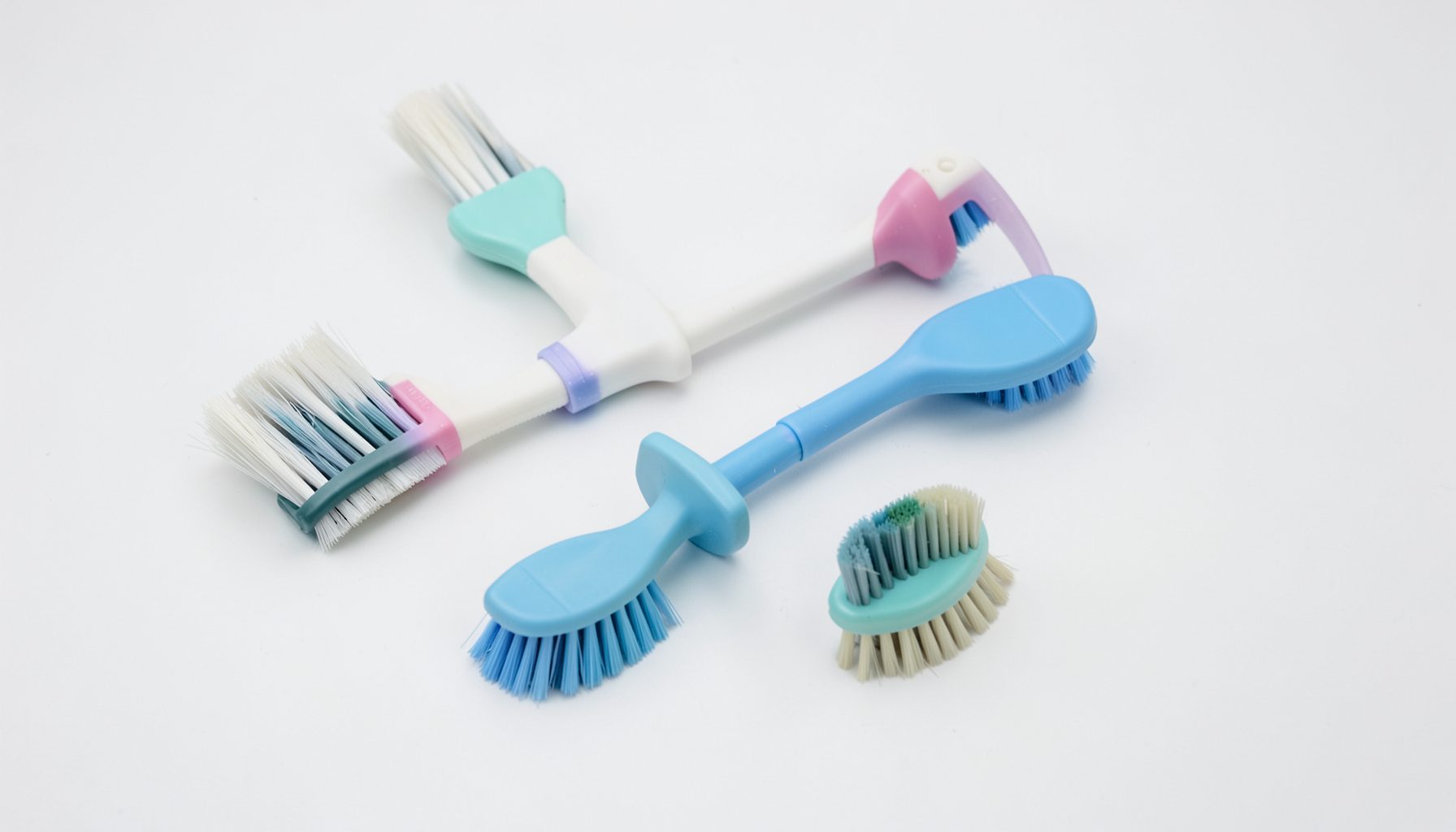
Switch nostrils and repeat. After use, rinse the bottle and let it air dry. Use ResQRinse Premium Cleaning Brushes for thorough cleaning.
Why a Moisturizer Can Enhance Your Sinus Rinse Routine
A sinus rinse is widely used to wash away mucus, pollen, dust, and other irritants. Saline solution also helps hydrate the nasal lining, which can feel dry or irritated during winter, allergy season, travel, or time spent in heated or air-conditioned rooms. For some people, however, saline alone may not provide lasting comfort.
Adding moisture to a nasal care routine can help reduce that tight, dry sensation after congestion begins to ease. The key is choosing a safe, nasal-use product rather than treating the rinse bottle like a general-purpose mixing container. Ingredients, water quality, concentration, and cleaning habits all matter.
A moisturizer may mean a properly formulated nasal mist, a clinician-approved saline additive, or a separate moisturizing product used after irrigation. Understanding the difference can help you support comfortable breathing without interfering with the rinse process or exposing sensitive tissue to unsuitable ingredients.
How Moisture Supports The Nasal Lining
The inside of the nose is covered by a delicate mucous membrane. Its natural mucus layer traps particles and helps move them toward the throat, where they can be cleared. When that layer becomes too dry, mucus may turn thicker and harder to move, while the tissue may feel sore, itchy, or prone to minor bleeding.
A moisturizing component can help retain water on the nasal surface for longer than a quick rinse alone. Humectants, such as certain medically formulated moisture-supporting ingredients, attract and hold water. This may improve comfort for people who experience dryness alongside sinus pressure, seasonal allergies, frequent air travel, or exposure to dry indoor air.
Moisture does not replace the cleansing action of saline. Irrigation physically flushes out unwanted material, while a moisturizer supports the condition of the nasal tissue. Used appropriately, the two functions can complement each other: rinse away irritants first, then preserve a more comfortable environment.
When A Moisturizing Step May Help
Dryness is especially common when indoor humidity falls. Furnaces and space heaters warm air while reducing the relative humidity around you, and prolonged exposure can leave the nose feeling raw. This guide to dry air explains why environmental conditions can contribute to sinus discomfort and why humidity management belongs in a broader care routine.
People who use decongestant sprays may also notice dryness, particularly when products are used too frequently or for longer than directed. A moisturizing nasal mist can provide comfort without adding another decongestant. Those with recurring crusting, mild irritation, or a dry sensation after rinsing may likewise benefit from a separate hydration step.
The timing can make a difference. Rinsing first clears mucus and allergens from the nasal passages, allowing a post-rinse mist or approved moisturizing product to contact the tissue more evenly. If a moisturizer is placed into a congested, mucus-filled nose without cleansing, it may have less opportunity to reach the surface.
Choosing A Safe Moisturizing Formula
A product intended for nasal use is the safest starting point. Nasal mists and irrigation additives should be labeled for intranasal application and used according to their instructions. A formula designed for skin, hair, or general household use may contain fragrances, preservatives, oils, or other substances that can sting or irritate nasal tissue.
Do not add essential oils, liquid soap, lotion, petroleum jelly, or homemade mixtures to a sinus rinse. Oil-based substances can be difficult for the lungs to clear if accidentally inhaled, and unapproved ingredients may alter the solution’s salt balance. A thick product can also interfere with the bottle’s flow or leave residue that is harder to remove.
Water safety remains essential. Use distilled, sterile, or appropriately boiled and cooled water for nasal irrigation, following public health guidance and the product directions. Tap water that is safe to drink is not automatically suitable for sinus rinsing. Clean and air-dry the bottle, cap, and nozzle after every use, and replace components as recommended.
| Option | Primary purpose | Best use | Important consideration |
|---|---|---|---|
| Buffered saline rinse | Flushes mucus, allergens, and particles | Regular nasal irrigation | Use the correct packet-to-water ratio |
| Moisturizing nasal mist | Adds surface hydration | After rinsing or between rinses | Choose a product labeled for nasal use |
| Approved moisturizing additive | Combines irrigation with added comfort | When specifically designed for the rinse system | Follow the manufacturer’s directions |
| Humidifier | Raises moisture in surrounding air | Dry bedrooms, offices, or heated rooms | Clean regularly to prevent microbial growth |
| Oil-based household product | Coats tissue but is not made for nasal irrigation | Not recommended for rinse bottles | May irritate tissue or create inhalation concerns |
Using A Rinse And Moisturizer Together
Begin with a freshly prepared saline solution and a clean squeeze bottle. Lean over a sink, keep your mouth open, and let the solution pass gently through the nasal passages. A system with a comfortable seal or nasal lock can help direct the flow while limiting leakage around the nostril. Avoid forcing the bottle if the nose is completely blocked or if the pressure causes pain.
After irrigation, allow excess solution to drain before using a nasal moisturizer. A few minutes may be enough, although the product label should guide the exact timing. Applying a mist while the nose is still dripping can dilute it and make the experience less comfortable. If you use a separate spray, aim according to its instructions rather than directing a forceful stream deep into the nose.
Frequency depends on symptoms and the product. Some people rinse once daily during allergy season, while others use irrigation only after exposure to dust or pollen. Overuse, overly concentrated saline, or excessive pressure can worsen irritation. If the tissue becomes increasingly sore, reduce use and seek professional advice.
Comfort Benefits Without Overpromising
A moisturizer may make nasal irrigation feel gentler by reducing the dry or tight sensation that can follow repeated cleansing. It may also help loosen stubborn crusts and support smoother mucus movement. These effects are most relevant when dryness is contributing to discomfort; a moisturizer is not a cure for infection, structural blockage, or chronic inflammatory disease.
Sinus rinsing can support symptom relief by clearing irritants, but it does not diagnose the cause of congestion. Facial pain, fever, foul-smelling drainage, symptoms that persist, or repeated nosebleeds deserve medical attention. Anyone with recent nasal surgery, frequent ear problems, immune-system concerns, or significant nasal obstruction should ask a healthcare professional before irrigating.
Individual experiences vary, and comfort depends on solution temperature, salt concentration, technique, and the condition of the nasal passages. Reading customer experiences can offer practical context, but personal testimonials should complement—not replace—product instructions and clinical guidance.
Building A Gentle Daily Routine
A consistent routine can be more useful than adding several products at once. Start with the saline rinse alone and observe how your nose feels during and after use. If dryness remains, consider a nasal-use moisturizer as a separate step or select a rinse product that expressly includes a compatible moisturizing feature.
Room humidity can support the same goal. A clean cool-mist humidifier, adequate hydration, and avoiding direct airflow from fans or vents may help reduce environmental dryness. Humidifiers require frequent cleaning because stagnant water can support mold and bacteria. Keeping indoor humidity moderate is preferable to creating a damp environment.
For more guidance on saline irrigation, nasal care, and product use, explore the ResQRinse blog. A squeeze-bottle system, child-friendly design, saline packets, cleaning brush, or nasal mist can fit different household needs, but each product should be used for its intended purpose.
Practical Ways To Protect Nasal Moisture
- Use distilled, sterile, or properly boiled and cooled water in every rinse.
- Choose buffered saline packets and measure the water accurately to avoid a burning or overly salty solution.
- Add only a moisturizer or additive specifically labeled for nasal use and compatible with the irrigation system.
- Apply a nasal mist after rinsing if dryness continues, following the package directions.
- Stop and seek medical advice if irrigation causes persistent pain, bleeding, ear pressure, or worsening symptoms.
A moisturizer can be a useful addition to sinus care when it is formulated for nasal use and introduced thoughtfully. Rinse first to clear irritants, moisturize afterward when needed, and keep every component clean. Shop ResQRinse systems, saline supplies, and nasal moisture products through the available Walmart and Amazon options to create a comfortable routine suited to your household.