ResQRinse is the nasal irrigation squeeze bottle that eliminates head-tilting and awkward neck positions. Using proprietary Nasal Lock™ technology, it delivers a comfortable, gag-free sinus cleanse — no more saline dripping down your throat.

Relief From Fall Sneezes
Now sold on Walmart.com. Free shipping on orders $30+. Try ResQRinse today with your everyday purchases.
Shop at WalmartWhy ResQRinse?
Nasal rinsing helps relieve congestion from colds, allergies, sinusitis, hay fever, and environmental pollutants. ResQRinse makes it comfortable enough to become a daily habit.
Nasal Lock™ Technology
Isolates sinuses from the throat using natural choanal occlusion — like inflating a balloon — so saline stays where it belongs.
Learn more →
Drug-Free Relief
Uses premixed saline packets with distilled water. No medications, no preservatives — just a natural cleanse for your nasal passages.
How to rinse →
For Kids Too
ResQRinse for Kids features a comfort nasal tip right-sized for smaller nostril openings, making rinsing gentle and easy for children.
Shop kids' version →
Breath-Controlled Flow
You control the saline flow with your own breath pressure — high volume, low pressure irrigation that's comfortable and effective.
Watch how-to videos →
Better Compliance
Designed to overcome the gagging and discomfort that cause people to abandon traditional neti pots and nasal rinse systems.
Our story →
Complete Kits Available
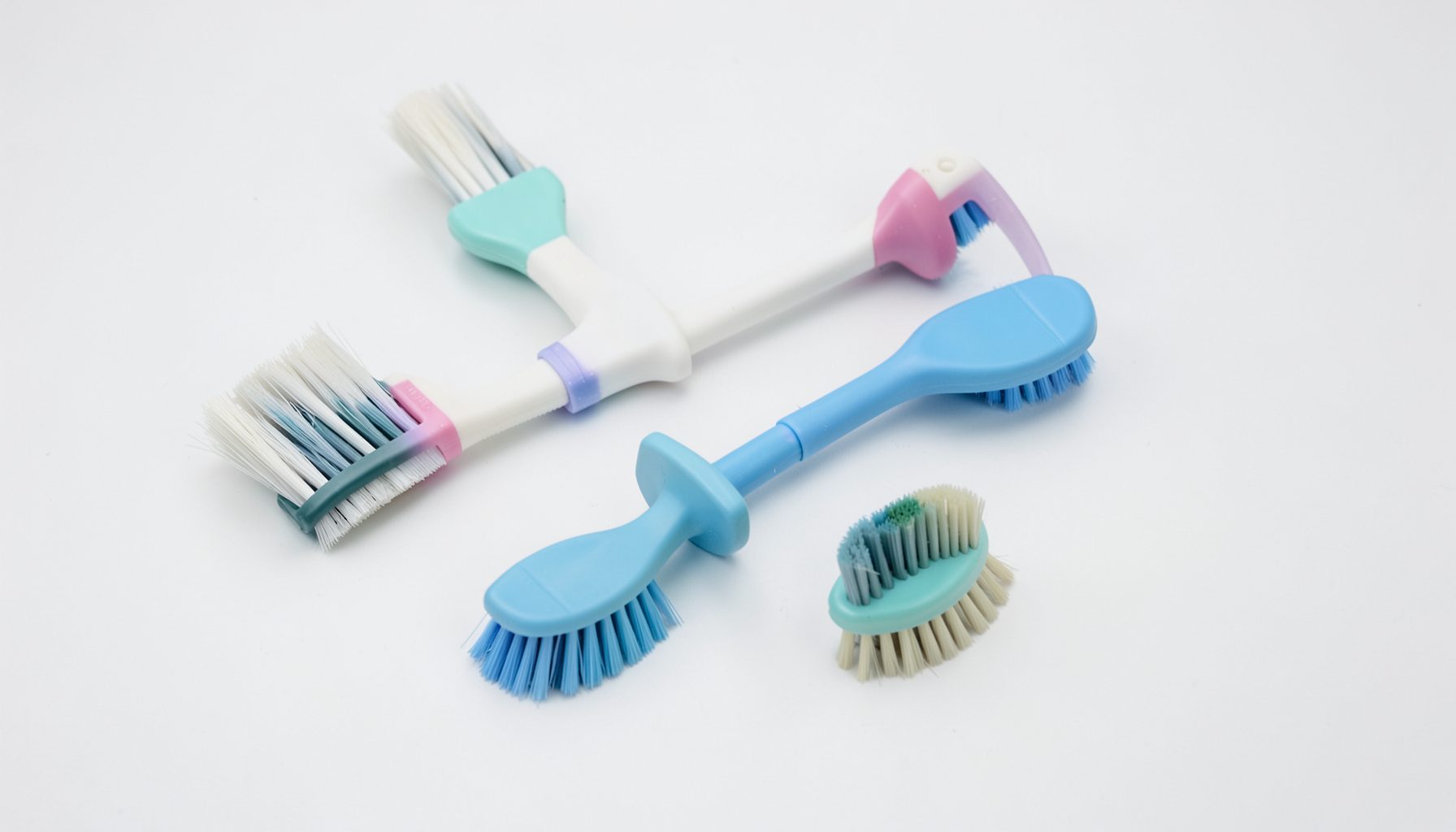
From the basic ResQRinse Nasal Rinse System ($19.99) to 90-day complete kits, saline packets, cleaning brushes, and Sinoptim Nasal Mist.
Browse all products →Get Started with ResQRinse
Ready to experience a better nasal rinse? Fill out the form below and we'll help you find the right product — or follow the simple steps to begin rinsing today.
Request More Information
How to Use ResQRinse
Fill the Bottle
Fill the ResQRinse squeeze bottle with distilled or previously boiled water and add one premixed saline packet.
Position the Tip
Place the comfort tip gently against one nostril. No head-tilting or awkward neck angles needed.
Squeeze & Breathe
Squeeze the bottle gently while breathing through your mouth. Nasal Lock™ keeps saline in your nasal passages and out of your throat.
Repeat & Clean
Switch nostrils and repeat. After use, rinse the bottle and let it air dry. Use ResQRinse Premium Cleaning Brushes for thorough cleaning.
Sinus Rinse for Comfortable Post-Nasal Drip Relief at Night
Post-nasal drip can become especially disruptive after bedtime. When you lie down, mucus may collect at the back of the throat instead of draining naturally, leading to coughing, throat clearing, a hoarse voice, or a sensation of choking. Nasal congestion can make the problem feel even worse by forcing you to breathe through your mouth.
A saline nasal rinse may help wash away excess mucus, pollen, dust, and other irritants before sleep. It can also add moisture to dry nasal passages, helping create a cleaner, more comfortable airway during the night. The goal is gentle cleansing rather than forceful pressure or a harsh sensation.
A consistent bedtime routine can make nasal irrigation easier to tolerate. Using the right water, preparing the device correctly, and allowing enough time for drainage are important parts of safe, effective use.
Why post-nasal drip often worsens at night
Gravity influences how mucus moves through the nose and throat. While upright during the day, secretions may drain forward or clear through normal swallowing. Lying flat can slow that movement, allowing mucus to sit near the throat and trigger coughing or repeated swallowing.
Bedroom conditions may add to the irritation. Dry air from heating or air conditioning can thicken mucus, while dust, pet dander, and seasonal allergens may continue irritating the nasal lining. Reflux, colds, sinus inflammation, and allergies can also contribute to nighttime throat drainage.
A rinse cannot treat every cause of post-nasal drip, but it can reduce the amount of material remaining in the nasal passages. If symptoms continue for several weeks, occur with facial pain or fever, or interfere with sleep every night, an appropriate medical evaluation is important.
How saline irrigation can help before sleep
A saline solution gently flushes the nasal passages. This may loosen thick mucus and remove allergens or environmental particles that contribute to congestion. Because the solution is designed to match the salt balance of the nasal tissues, it is generally more comfortable than plain water.
Rinsing in the evening may be useful for people whose symptoms build throughout the day. A squeeze-bottle system can direct saline through one nostril and out the other, helping clear areas that are difficult to reach by simply blowing the nose. Use light, steady pressure; squeezing too forcefully can create ear pressure or discomfort.
For a more comfortable experience, rinse about 30 to 60 minutes before going to bed rather than immediately before lying down. This gives residual solution time to drain. Blow your nose gently afterward, one side at a time, without straining.
Selecting a system for nighttime use
The device should be easy to hold, simple to clean, and comfortable to control when you are tired. Squeeze bottles allow users to adjust the flow and pressure, while child-sized versions can make nasal care less intimidating for younger users. Premixed saline packets also help maintain a consistent solution without measuring several ingredients.
Some people prefer a nasal mist for light moisture during the day, while a full rinse is more suitable when mucus, allergens, or congestion are the primary concerns. ResQRinse offers ResQRinse rinse systems in several formats, including complete kits, saline packets, cleaning brushes, and options intended for children.
Look for a system with clear instructions and a design that can be taken apart for thorough cleaning. A comfortable fit around the nostril can reduce leaking and help prevent the need to increase pressure. Personal preference matters, since a device that is convenient and reassuring is more likely to become part of a regular routine.
Comparing common nasal-clearing options
Different products serve different needs. A neti pot relies on gravity and may appeal to people who prefer a slow stream, while a squeeze bottle offers more control over the direction and pace of the rinse. A mist can moisturize but usually does not provide the same flushing action as an irrigation system.
The right choice depends on symptom severity, dexterity, age, and how often nasal care is needed. The comparison below describes general characteristics rather than medical guarantees.
| Option | Best suited for | Main benefit | Points to consider |
|---|---|---|---|
| Squeeze-bottle rinse | Congestion, thick mucus, allergy exposure | Adjustable flow and targeted flushing | Requires cleaning after each use |
| Neti pot | Users who prefer gravity-fed irrigation | Gentle, low-pressure stream | Can be slower and less convenient to position |
| Nasal mist | Dryness or mild irritation | Quick moisture without a full rinse | Usually does not remove as much mucus |
| Saline packets | Regular preparation of rinse solution | Convenient, measured ingredients | Must be mixed with safe water |
| Children’s rinse system | Supervised nasal care for children | Smaller design and simpler handling | Adult supervision and pediatric guidance may be needed |
A safe bedtime rinsing routine
Always use distilled or sterile water for nasal irrigation. If those are unavailable, use water that has been boiled and cooled according to public health guidance. Tap water can contain organisms that are safe to swallow but unsafe in the nasal passages. Use the saline packet and water amount recommended for the device rather than making a concentrated mixture.
Wash your hands before preparing the rinse. Lean over a sink, tilt your head slightly forward and to the side, and breathe through your mouth. Keep the mouth open while rinsing, and stop if you experience sharp pain, significant ear pressure, or severe burning. Mild tingling can occur, but persistent discomfort may indicate an incorrect mixture or technique.
After use, empty the bottle, rinse it with safe water as directed, and allow all components to air-dry completely. Follow the manufacturer’s cleaning schedule, including the use of a cleaning brush when appropriate. Replace the device when it becomes damaged, cloudy, cracked, or difficult to clean.
When nighttime drainage needs more attention
Post-nasal drip associated with a brief cold or seasonal allergies may improve with hydration, humidified air, allergen reduction, and saline irrigation. However, persistent symptoms can have several causes, including chronic rhinosinusitis, nasal polyps, medication effects, asthma, or acid reflux. A rinse may support comfort without addressing the underlying trigger.
Do not force irrigation through a completely blocked nose. People with recent nasal surgery, frequent nosebleeds, significant immune suppression, or unusual ear symptoms should ask a healthcare professional whether irrigation is appropriate. Children should use a suitable product with close adult supervision.
Seek medical advice for high fever, severe facial swelling, intense one-sided pain, vision changes, confusion, breathing difficulty, or symptoms that rapidly worsen. Product-specific questions about preparation, cleaning, and proper use can be reviewed in the rinse safety FAQs.
Habits that support clearer nights
A saline rinse works best as part of a broader routine rather than as the only response to throat drainage. Consider these practical steps:
- Rinse 30 to 60 minutes before bedtime so excess solution can drain naturally.
- Keep the bedroom free of avoidable triggers by washing bedding regularly and limiting dust or pet dander.
- Drink enough fluids during the day to help prevent mucus from becoming overly thick.
- Use a humidifier when indoor air is dry, and clean it frequently according to its instructions.
- Elevate the head slightly if lying flat consistently worsens drainage or coughing.
Try one change at a time when possible, so you can recognize what improves your symptoms. Keeping a brief record of congestion, nighttime coughing, allergy exposure, and rinse timing may help identify patterns.
Consistency and gentle technique are more useful than force. A comfortable saline rinse before bed can clear irritants and loosen mucus, giving the nose and throat a better chance to settle overnight. Explore a suitable ResQRinse system, follow the preparation guidance carefully, and make evening nasal care a simple part of your sleep routine.