ResQRinse is the nasal irrigation squeeze bottle that eliminates head-tilting and awkward neck positions. Using proprietary Nasal Lock™ technology, it delivers a comfortable, gag-free sinus cleanse — no more saline dripping down your throat.

Relief From Fall Sneezes
Now sold on Walmart.com. Free shipping on orders $30+. Try ResQRinse today with your everyday purchases.
Shop at WalmartWhy ResQRinse?
Nasal rinsing helps relieve congestion from colds, allergies, sinusitis, hay fever, and environmental pollutants. ResQRinse makes it comfortable enough to become a daily habit.
Nasal Lock™ Technology
Isolates sinuses from the throat using natural choanal occlusion — like inflating a balloon — so saline stays where it belongs.
Learn more →
Drug-Free Relief
Uses premixed saline packets with distilled water. No medications, no preservatives — just a natural cleanse for your nasal passages.
How to rinse →
For Kids Too
ResQRinse for Kids features a comfort nasal tip right-sized for smaller nostril openings, making rinsing gentle and easy for children.
Shop kids' version →
Breath-Controlled Flow
You control the saline flow with your own breath pressure — high volume, low pressure irrigation that's comfortable and effective.
Watch how-to videos →
Better Compliance
Designed to overcome the gagging and discomfort that cause people to abandon traditional neti pots and nasal rinse systems.
Our story →
Complete Kits Available
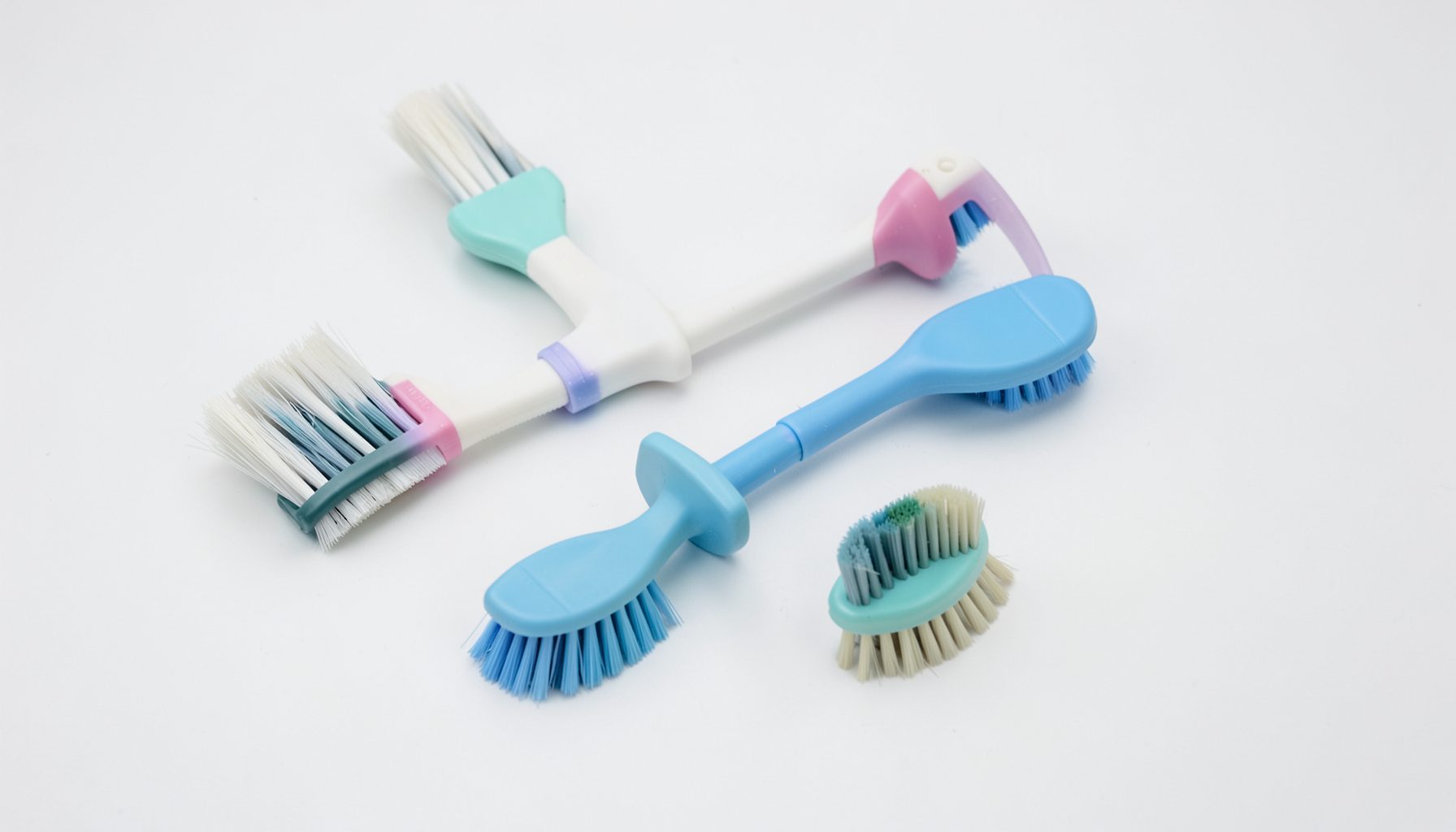
From the basic ResQRinse Nasal Rinse System ($19.99) to 90-day complete kits, saline packets, cleaning brushes, and Sinoptim Nasal Mist.
Browse all products →Get Started with ResQRinse
Ready to experience a better nasal rinse? Fill out the form below and we'll help you find the right product — or follow the simple steps to begin rinsing today.
Request More Information
How to Use ResQRinse
Fill the Bottle
Fill the ResQRinse squeeze bottle with distilled or previously boiled water and add one premixed saline packet.
Position the Tip
Place the comfort tip gently against one nostril. No head-tilting or awkward neck angles needed.
Squeeze & Breathe
Squeeze the bottle gently while breathing through your mouth. Nasal Lock™ keeps saline in your nasal passages and out of your throat.
Repeat & Clean
Switch nostrils and repeat. After use, rinse the bottle and let it air dry. Use ResQRinse Premium Cleaning Brushes for thorough cleaning.
Can Nasal Rinse Help With Snoring?
Snoring often begins with restricted airflow through the nose. When congestion, seasonal allergies, a cold, or dry nasal passages make breathing difficult, you may start breathing through your mouth during sleep. Air moving through relaxed throat tissues can then create the familiar vibration of snoring.
A nasal rinse may help when nasal blockage is part of the problem. Saline irrigation washes away mucus, pollen, dust, and other irritants while adding moisture to the nasal passages. This can make nighttime breathing feel easier and may reduce snoring related to temporary congestion.
The effect is not universal. Snoring can also result from throat anatomy, sleep position, alcohol, certain medications, weight changes, or obstructive sleep apnea. Understanding what a rinse can and cannot do helps you use it as a sensible part of a broader sleep and nasal-care routine.
Why Nasal Congestion Affects Snoring
The nose filters, warms, and humidifies air before it reaches the throat and lungs. If swollen tissues or thick mucus narrow the nasal airway, breathing through the nose requires more effort. Many people naturally compensate by opening their mouths, particularly after falling asleep.
Mouth breathing can dry the throat and increase vibration in the soft palate and surrounding tissues. Nasal obstruction may also encourage turbulent airflow, which can make snoring louder. Congestion from allergic rhinitis, sinus irritation, a respiratory infection, or indoor dryness may therefore contribute to nighttime noise.
This connection explains why some people notice quieter sleep after treating nasal symptoms. It also explains why results may vary from night to night. A rinse can improve airflow through the nose, but it does not change the structure of the throat or eliminate every cause of snoring.
When Saline Irrigation May Help
A nasal rinse can be useful when mucus or inflammation is narrowing the nasal passages. A properly prepared saline solution can flush out airborne allergens, loosen secretions, and relieve the heavy, blocked feeling associated with congestion. For people whose snoring appears alongside a stuffy nose, that improved nasal airflow may reduce mouth breathing.
Rinsing may be especially helpful during pollen seasons or after exposure to dust and other environmental irritants. It can also support comfort when indoor heating or air conditioning leaves the nose feeling dry. A squeeze-bottle system, such as the options described by ResQRinse, can provide controlled flow and may feel easier to manage than a traditional neti pot.
The best time to rinse is usually earlier in the evening, allowing excess fluid and loosened mucus to clear before bed. Some people prefer a rinse as part of their morning and evening routine, while others use it only when congestion develops. Consistency matters more than forcing a large volume or using the device more often than directed.
What A Nasal Rinse Cannot Fix
Nasal irrigation does not treat the underlying causes of every type of snoring. If the sound comes mainly from relaxed tissues in the throat, enlarged tonsils, a recessed jaw, or another structural factor, opening the nose may provide little change. A clear nose does not guarantee silent breathing.
Snoring accompanied by pauses in breathing, gasping, choking, morning headaches, severe daytime tiredness, or difficulty concentrating deserves medical attention. These signs can occur with obstructive sleep apnea, a condition that may require a sleep evaluation and targeted treatment. Loudness alone does not determine severity, so persistent snoring should not be dismissed simply because it is familiar.
A rinse also should not replace prescribed allergy treatment or medical care for chronic sinus problems. Seek professional advice for repeated nosebleeds, significant facial pain, fever, symptoms lasting unusually long, or congestion that repeatedly returns without an obvious trigger.
| Approach | May support | Main limitation | Best use |
|---|---|---|---|
| Saline nasal rinse | Clears mucus and allergens; moisturizes nasal passages | Does not correct throat-based snoring or sleep apnea | Congestion-related nighttime breathing |
| Saline nasal mist | Adds light moisture and comfort | Usually provides less flushing action | Dryness or mild irritation |
| Steam or humidified air | May ease a dry, stuffy feeling | Relief can be temporary; does not remove mucus as effectively | Dry indoor environments |
| Side sleeping | Can reduce airway collapse for some people | May not help if congestion is the main trigger | Position-related snoring |
| Medical evaluation | Identifies persistent or serious causes | Requires professional assessment | Snoring with warning signs or daytime symptoms |
Choosing A Comfortable Rinse System
Comfort and correct technique affect whether nasal irrigation becomes a useful habit. A squeeze bottle lets you control pressure and direction, while a well-designed nasal tip can help create a secure seal. Features such as a nasal lock or comfortable fit may reduce leaking and make the process less awkward for first-time users.
Saline packets are convenient because they provide a measured blend intended for nasal use. Follow the product directions rather than mixing salt by guesswork. A solution that is too concentrated may sting, while one that is too weak may feel uncomfortable. Use only distilled, sterile, or previously boiled and cooled water as specified by health authorities and the product instructions.
Clean the bottle and components after each use and let them dry completely. Cleaning brushes can help reach internal surfaces where residue might remain. Replace the device or parts according to the manufacturer’s guidance, particularly if the bottle becomes damaged, cloudy, or difficult to clean. Product education and care information can be found in the ResQRinse news resources.
How To Use A Nasal Rinse Before Bed
Begin over a sink and prepare the solution exactly as directed. Lean forward slightly, keep your mouth open, and turn your head to one side. Place the nasal tip gently against the nostril without forcing it. Squeeze steadily so the saline can flow through one side and exit through the other.
Avoid creating excessive pressure. If the solution does not flow freely, pause and adjust your head position rather than pushing harder. Blow your nose gently afterward to clear remaining fluid, but do not forcefully blow, as this can increase pressure in the ears or sinuses.
A rinse can be performed before brushing your teeth or several minutes before bedtime. If you experience ear fullness, pain, repeated nosebleeds, or worsening irritation, stop and consult a healthcare professional. Children should use an age-appropriate system with adult supervision and instructions designed for their developmental stage.
Building A Nighttime Routine For Better Breathing
Nasal irrigation works best as one element of a routine that supports open airways. Keep the bedroom free of avoidable allergens, wash bedding regularly, and consider whether pets, dust, or seasonal pollen coincide with worsening symptoms. Maintaining comfortable humidity may also help if dry air causes nasal irritation.
Sleep position can influence airflow. Side sleeping may reduce snoring for some people compared with lying flat on the back. Limiting alcohol close to bedtime is another practical step, because alcohol can relax throat muscles and make airway vibration more likely. Review sedating medicines with a clinician rather than changing any prescription independently.
Use these habits to make nasal care more consistent:
- Rinse with safe water and a correctly prepared saline solution.
- Choose a comfortable device that is easy to clean and use as directed.
- Track whether snoring improves when congestion and allergy symptoms are controlled.
- Combine nasal care with side sleeping, allergen reduction, and a regular sleep schedule.
- Arrange a medical evaluation if snoring persists or includes breathing pauses and daytime fatigue.
A nasal rinse may help reduce snoring when a blocked, dry, or irritated nose is limiting airflow. It is a simple way to remove mucus and allergens, but its benefits depend on the reason for the snoring and on safe, consistent use. Explore a suitable rinse system and make nasal comfort part of your evening routine through ResQRinse products.