ResQRinse is the nasal irrigation squeeze bottle that eliminates head-tilting and awkward neck positions. Using proprietary Nasal Lock™ technology, it delivers a comfortable, gag-free sinus cleanse — no more saline dripping down your throat.

Relief From Fall Sneezes
Now sold on Walmart.com. Free shipping on orders $30+. Try ResQRinse today with your everyday purchases.
Shop at WalmartWhy ResQRinse?
Nasal rinsing helps relieve congestion from colds, allergies, sinusitis, hay fever, and environmental pollutants. ResQRinse makes it comfortable enough to become a daily habit.
Nasal Lock™ Technology
Isolates sinuses from the throat using natural choanal occlusion — like inflating a balloon — so saline stays where it belongs.
Learn more →
Drug-Free Relief
Uses premixed saline packets with distilled water. No medications, no preservatives — just a natural cleanse for your nasal passages.
How to rinse →
For Kids Too
ResQRinse for Kids features a comfort nasal tip right-sized for smaller nostril openings, making rinsing gentle and easy for children.
Shop kids' version →
Breath-Controlled Flow
You control the saline flow with your own breath pressure — high volume, low pressure irrigation that's comfortable and effective.
Watch how-to videos →
Better Compliance
Designed to overcome the gagging and discomfort that cause people to abandon traditional neti pots and nasal rinse systems.
Our story →
Complete Kits Available
From the basic ResQRinse Nasal Rinse System ($19.99) to 90-day complete kits, saline packets, cleaning brushes, and Sinoptim Nasal Mist.
Browse all products →Get Started with ResQRinse
Ready to experience a better nasal rinse? Fill out the form below and we'll help you find the right product — or follow the simple steps to begin rinsing today.
Request More Information
How to Use ResQRinse
Fill the Bottle
Fill the ResQRinse squeeze bottle with distilled or previously boiled water and add one premixed saline packet.
Position the Tip
Place the comfort tip gently against one nostril. No head-tilting or awkward neck angles needed.
Squeeze & Breathe
Squeeze the bottle gently while breathing through your mouth. Nasal Lock™ keeps saline in your nasal passages and out of your throat.
Repeat & Clean
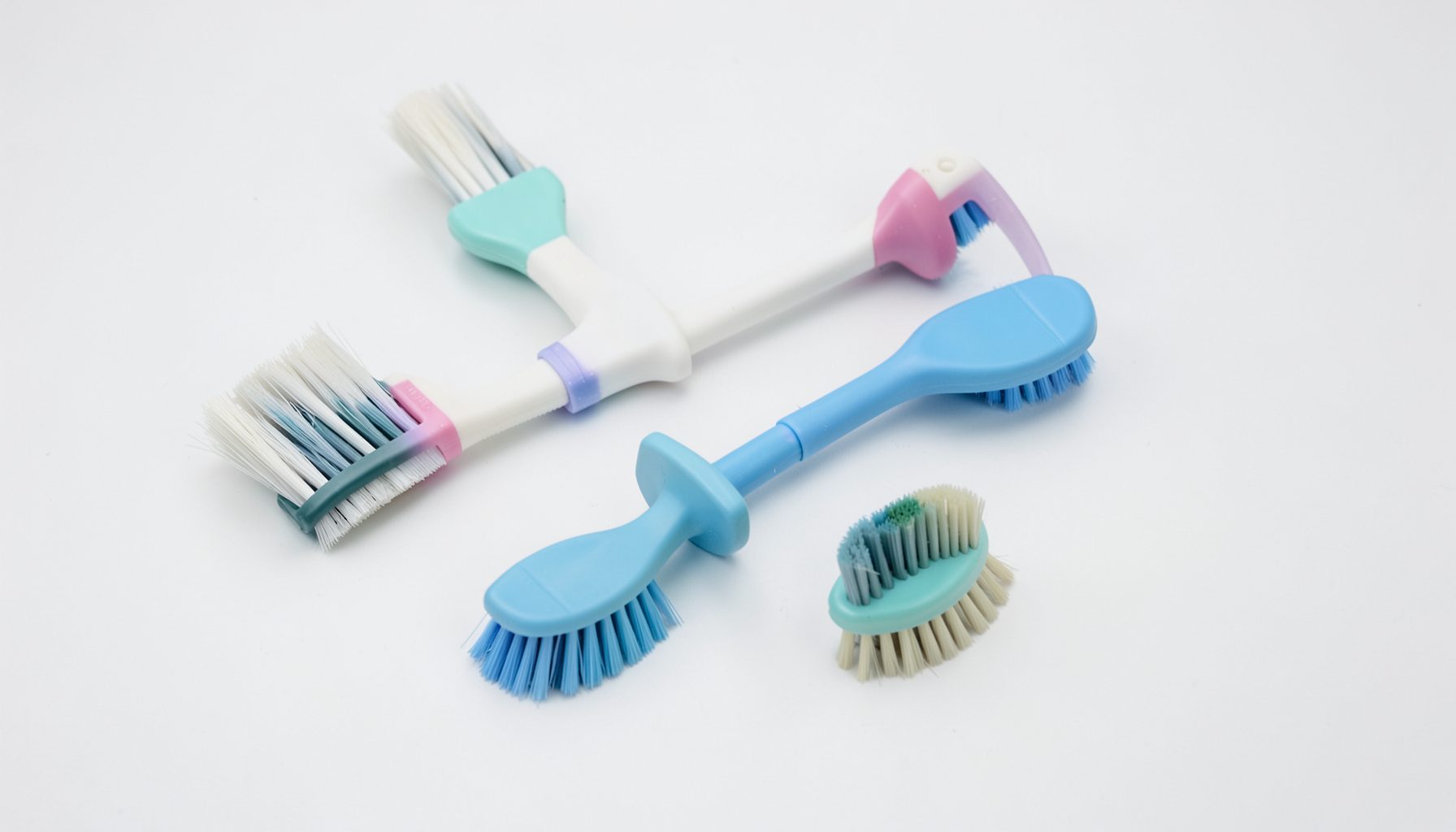
Switch nostrils and repeat. After use, rinse the bottle and let it air dry. Use ResQRinse Premium Cleaning Brushes for thorough cleaning.
Hypertonic Vs Isotonic Saline Rinses Explained
Saline rinses are a simple way to wash mucus, pollen, dust, and other irritants from the nasal passages. They can help relieve congestion, support comfortable breathing, and moisturize tissue affected by dry air or seasonal allergies. Although all saline solutions contain salt and water, their concentration changes how they interact with the nose.
The two main options are isotonic and hypertonic saline. Isotonic saline has a salt concentration similar to the body’s natural fluids, while hypertonic saline contains more salt. That difference may affect comfort, the movement of excess fluid, and which symptoms a person prefers to address.
Choosing between them is usually a matter of symptoms, sensitivity, and personal response. A properly prepared rinse should feel comfortable enough to use consistently, and safe water handling is essential for any nasal irrigation system.
What Salinity Means In A Nasal Rinse
Isotonic saline is generally formulated at approximately 0.9% sodium chloride, a concentration close to the salt level in human body fluids. Because it is balanced with the nasal tissues, it tends to feel gentle and familiar. Many people choose isotonic irrigation for routine nasal hygiene, mild congestion, dryness, or regular allergy care.
Hypertonic saline has a higher salt concentration than body fluids. Common formulations may contain 1.5%, 2%, or 3% sodium chloride, depending on the product. The stronger solution creates an osmotic effect: it can draw some water out of swollen nasal tissue, potentially helping reduce the feeling of blockage.
The concentration is different from the volume or delivery method. A squeeze bottle, spray, or nasal mist may use isotonic or hypertonic saline. The same concentration can feel different depending on pressure, temperature, nozzle design, and whether the product is intended for a full rinse or light moisturizing.
How Each Solution Affects Congestion
An isotonic rinse primarily works by flushing the nasal passages. It loosens thick mucus, removes airborne particles, and adds moisture without creating a strong difference in salt concentration across the nasal lining. This makes it a practical everyday choice for people who want regular cleansing with minimal sensation.
A hypertonic rinse combines flushing with a stronger osmotic action. By drawing water toward the more concentrated solution, it may temporarily reduce tissue swelling and help mucus move more freely. Some people find this especially useful during a period of pronounced stuffiness, seasonal allergy symptoms, or a cold.
The stronger formula can produce a brief tingling, burning, or stinging sensation, particularly when the nasal lining is already irritated. It may also leave the nose feeling dry if used too often or if the formulation is not well tolerated. More concentrated does not automatically mean better; comfort and consistent use are important parts of effective nasal care.
Isotonic And Hypertonic Saline Compared
Both types of saline can support nasal cleansing when used as directed. Neither should be treated as a cure for every cause of congestion, and neither replaces medical evaluation when symptoms are severe, persistent, or unusual. The most suitable option depends on the goal of irrigation and the user’s tolerance.
The following comparison provides a general guide. Product labels can differ, so follow the instructions supplied with the saline packets or irrigation system rather than changing the concentration independently.
| Feature | Isotonic Saline | Hypertonic Saline |
|---|---|---|
| Typical salt level | About 0.9% | Higher than 0.9%, often 1.5%–3% |
| Main action | Cleanses and moisturizes nasal passages | Cleanses and may help draw fluid from swollen tissue |
| Typical sensation | Mild and generally comfortable | More noticeable; may sting or tingle |
| Common use | Daily hygiene, dryness, mild congestion, allergies | Temporary support during heavier congestion or swelling |
| Potential drawback | May feel less effective during severe blockage | Can cause dryness or irritation in sensitive noses |
| Best starting point | People new to nasal irrigation or prone to sensitivity | People who tolerate saline well and need stronger decongesting support |
Matching The Rinse To Your Symptoms
Isotonic saline is often the better starting point for a first-time user, a child using an age-appropriate system, or anyone with easily irritated nasal tissue. It can be used to rinse away pollen after outdoor exposure, clear everyday mucus, or add moisture during dry seasons. A gentle formula may also be preferable when irrigation is part of a regular routine.
Hypertonic saline may be worth considering when swelling is the dominant problem. A blocked nose caused by allergies, a respiratory infection, or sinus pressure can sometimes respond to the fluid-shifting effect of a higher-salt solution. However, the response varies, and an uncomfortable rinse is unlikely to become a sustainable habit.
If hypertonic saline burns strongly, causes lingering dryness, or makes symptoms feel worse, returning to isotonic saline is sensible. People with frequent nosebleeds, recent nasal surgery, significant nasal injury, or ongoing sinus problems should ask a healthcare professional which formulation and technique are appropriate.
Safe Preparation And Comfortable Technique
Water safety is a central part of nasal irrigation. Use distilled, sterile, or appropriately boiled and cooled water, never ordinary tap water unless a qualified authority specifically confirms it is safe for this purpose. ResQRinse explains the reasoning and practical steps in its water safety guide. Saline packets should be mixed according to their directions, using the stated water volume.
Wash your hands before preparing the rinse, and clean the bottle or device after each use. Allow components to dry fully in a clean place. A squeeze-bottle system with a well-designed seal can help direct saline through one nostril and out the other while reducing spills, but pressure should remain gentle. Forceful squeezing can increase discomfort, especially when the passages are highly blocked.
Use lukewarm solution rather than very cold or hot water. Lean over a sink, breathe through the mouth, and keep the mouth open while rinsing. If the solution enters the throat, spitting it out is usually more comfortable than swallowing it. Stop if you experience severe pain, significant bleeding, marked dizziness, or symptoms that do not settle after use.
Making A Practical Choice
The best saline concentration can change over time. Someone may use isotonic saline for routine maintenance and choose a hypertonic packet during a short period of heavier congestion, provided the product instructions and personal tolerance support that approach. Nasal mist may be more convenient for quick moisturizing, while a full-volume rinse is better suited to physically washing away mucus and allergens.
Children need special attention because the device, volume, pressure, and formulation should be age-appropriate. A child should be supervised and taught to remain relaxed rather than sniffing forcefully during the rinse. If a child has recurring congestion, breathing difficulty, ear pain, or frequent sinus complaints, professional advice is appropriate.
When comparing products, consider the complete system rather than salt concentration alone. Bottle shape, Nasal Lock or similar sealing features, packet instructions, cleaning tools, and replacement availability can influence whether the routine is comfortable and hygienic. Product updates and brand information are available through the ResQRinse news section.
Recommendations For Choosing Saline
- Start with isotonic saline if you are new to nasal irrigation, have dry nasal passages, or are sensitive to stinging.
- Consider hypertonic saline for short-term support when nasal swelling and heavy congestion are the main concerns.
- Follow the packet’s mixing directions precisely instead of adding extra salt to make a stronger solution.
- Use distilled, sterile, or properly boiled and cooled water, and clean the irrigation device after every use.
- Stop and seek medical guidance for severe pain, recurrent nosebleeds, worsening symptoms, or congestion that persists.
Saline irrigation works best as a consistent, carefully performed part of nasal care. Isotonic saline emphasizes gentle cleansing and moisture, while hypertonic saline offers a more concentrated option that may help with swollen tissue but can be more irritating. Selecting the formula that feels effective and comfortable makes it easier to maintain good technique and regular use.
Explore ResQRinse irrigation systems, saline packets, children’s options, cleaning accessories, and nasal mist products through the brand’s online retail listings at Walmart and Amazon. Use the appropriate saline concentration, prepare it safely, and follow the product directions for a more comfortable rinse.