ResQRinse is the nasal irrigation squeeze bottle that eliminates head-tilting and awkward neck positions. Using proprietary Nasal Lock™ technology, it delivers a comfortable, gag-free sinus cleanse — no more saline dripping down your throat.

Relief From Fall Sneezes
Now sold on Walmart.com. Free shipping on orders $30+. Try ResQRinse today with your everyday purchases.
Shop at WalmartWhy ResQRinse?
Nasal rinsing helps relieve congestion from colds, allergies, sinusitis, hay fever, and environmental pollutants. ResQRinse makes it comfortable enough to become a daily habit.
Nasal Lock™ Technology
Isolates sinuses from the throat using natural choanal occlusion — like inflating a balloon — so saline stays where it belongs.
Learn more →
Drug-Free Relief
Uses premixed saline packets with distilled water. No medications, no preservatives — just a natural cleanse for your nasal passages.
How to rinse →
For Kids Too
ResQRinse for Kids features a comfort nasal tip right-sized for smaller nostril openings, making rinsing gentle and easy for children.
Shop kids' version →
Breath-Controlled Flow
You control the saline flow with your own breath pressure — high volume, low pressure irrigation that's comfortable and effective.
Watch how-to videos →
Better Compliance
Designed to overcome the gagging and discomfort that cause people to abandon traditional neti pots and nasal rinse systems.
Our story →
Complete Kits Available
From the basic ResQRinse Nasal Rinse System ($19.99) to 90-day complete kits, saline packets, cleaning brushes, and Sinoptim Nasal Mist.
Browse all products →Get Started with ResQRinse
Ready to experience a better nasal rinse? Fill out the form below and we'll help you find the right product — or follow the simple steps to begin rinsing today.
Request More Information
How to Use ResQRinse
Fill the Bottle
Fill the ResQRinse squeeze bottle with distilled or previously boiled water and add one premixed saline packet.
Position the Tip
Place the comfort tip gently against one nostril. No head-tilting or awkward neck angles needed.
Squeeze & Breathe
Squeeze the bottle gently while breathing through your mouth. Nasal Lock™ keeps saline in your nasal passages and out of your throat.
Repeat & Clean
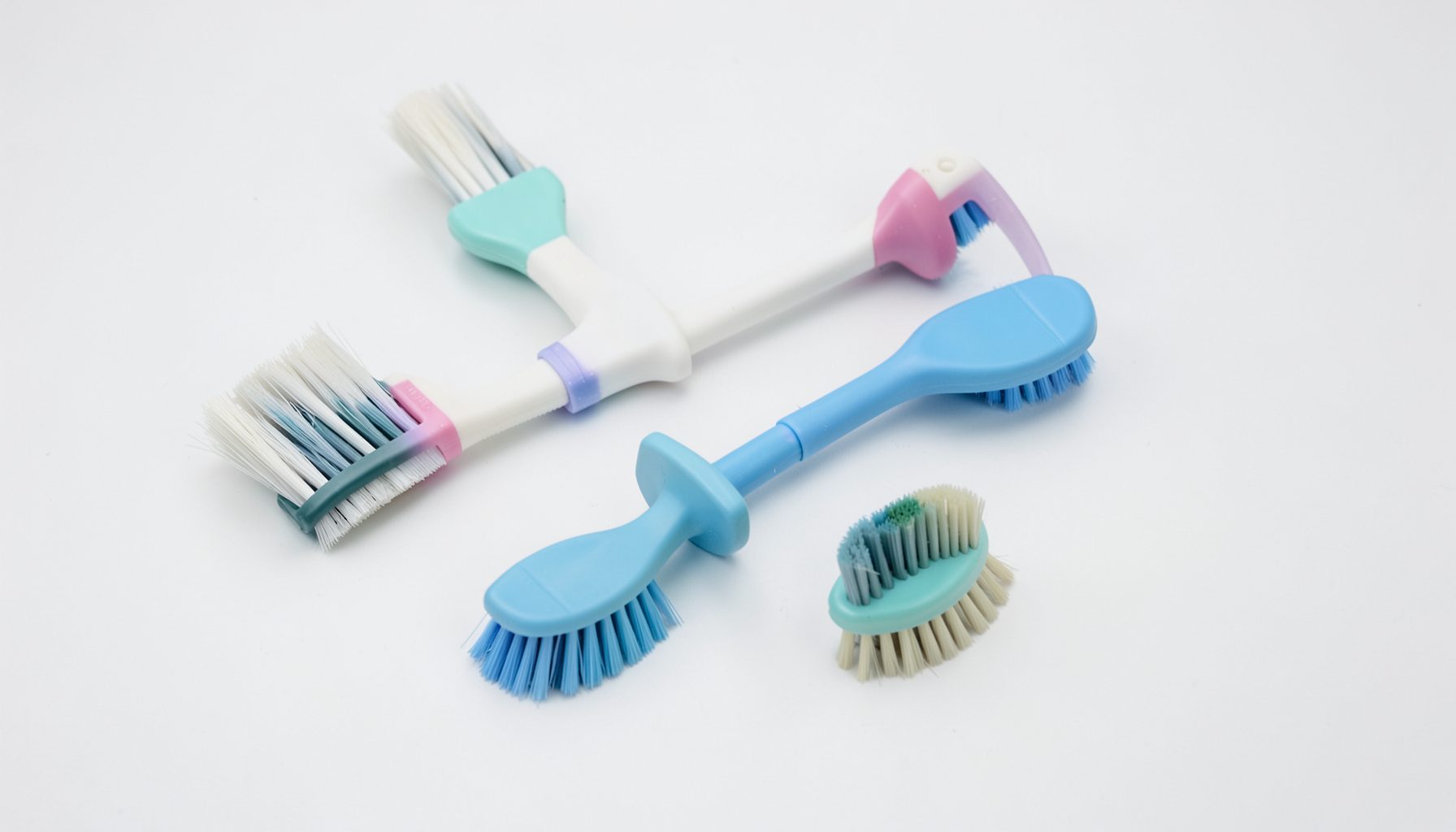
Switch nostrils and repeat. After use, rinse the bottle and let it air dry. Use ResQRinse Premium Cleaning Brushes for thorough cleaning.
Can Nasal Rinse Help Reduce Cold Duration?
A common cold can leave the nose blocked, runny, irritated, and difficult to breathe through for several days. While there is no rinse that eliminates a cold virus, nasal irrigation can make symptoms easier to manage and may support a quicker return to comfortable breathing.
Nasal rinse systems flush mucus, allergens, and other irritants from the nasal passages. Used correctly, they can reduce congestion and improve nasal airflow while the immune system handles the infection. The effect is usually supportive rather than curative, so expectations should remain realistic.
Research on nasal irrigation for viral colds suggests that it may reduce symptom severity and the need for some over-the-counter treatments. Evidence that it consistently shortens the overall illness is more limited. Still, clearing secretions can make rest, hydration, and everyday activities more manageable.
How nasal irrigation works during a cold
A cold causes inflammation in the lining of the nose. Blood vessels swell, mucus production increases, and secretions can become thicker as the illness progresses. This combination narrows the nasal airway and may cause pressure around the nose and face.
A saline rinse delivers a gentle flow of salt water through one nostril and out the other. The solution loosens thick mucus and carries it away, helping clear material that may otherwise remain in the nasal passages. It also washes away particles such as dust, pollen, and smoke that can prolong irritation.
Saline is important because plain water can sting and may disturb the natural balance of nasal tissues. A properly prepared isotonic solution, similar in salt concentration to body fluids, is generally comfortable for routine use. Some people prefer a slightly hypertonic solution when congestion is especially heavy, although it may feel more drying.
Can a rinse shorten a cold?
Nasal irrigation is best viewed as a symptom-support measure, not an antiviral treatment. It does not directly destroy the virus responsible for a cold, and it cannot guarantee that an illness will end sooner. The body still needs time to develop an immune response.
Even so, reducing congestion can have indirect benefits. Better nasal airflow may support sleep, and improved sleep helps the body recover. Removing excess mucus can also reduce mouth breathing, throat dryness, and the uncomfortable sensation of drainage down the back of the throat.
Some studies have found that people using saline irrigation experience less severe or shorter-lasting nasal symptoms. Results vary according to the type of device, frequency of use, timing, and the cause of the symptoms. A cold complicated by allergies, dry air, or sinus inflammation may respond differently from a mild infection.
For practical guidance on timing, water safety, and technique, review this guide to rinsing with a cold. Consistent, comfortable use is generally more useful than forcing a large volume of solution through an irritated nose.
Comparing common nasal rinse options
Different systems provide the same basic goal—delivering saline through the nasal passages—but they do not feel identical. A squeeze bottle gives the user control over pressure and volume. A neti pot relies more on gravity and can be gentle, though some users find the positioning less convenient.
Children need equipment designed for their age and cooperation level. A smaller system, clear instructions, and adult supervision can make the process less intimidating. Nasal mist products deliver moisture and a light saline coating, but they do not provide the same flushing action as a full irrigation system.
| Option | Main action | Useful for | Important consideration |
|---|---|---|---|
| Squeeze bottle | Saline flows with controlled pressure | Heavy congestion and thick mucus | Use gentle pressure and the correct tip |
| Neti pot | Gravity-fed rinsing | Users comfortable with careful positioning | Requires steady head position |
| Nasal mist | Moisturizes and lightly coats tissue | Dryness and mild irritation | Does not deeply flush mucus |
| Child-sized rinse | Lower-volume, easier-to-handle irrigation | Supervised use by children | Choose an age-appropriate design |
| Saline packets | Provide measured ingredients | Convenient solution preparation | Mix only with safe water |
A system with a comfortable seal can help prevent leakage and make breathing during the rinse easier. ResQRinse’s Nasal Lock technology is designed to support a more secure fit around the nostril, which may be helpful for users who find traditional designs awkward. Comfort matters because a system that feels manageable is more likely to be used properly.
Safe preparation makes a difference
Water safety is essential. Use distilled or sterile water, or tap water that has been boiled and cooled according to public health guidance. Do not use untreated tap water in a nasal rinse, even if it is safe to drink, because the nasal passages provide a different route into the body.
Prepare the saline exactly as directed on the packet or product instructions. Too little salt can cause stinging, while too much may feel harsh and dry. Fresh solution should generally be prepared for each use rather than stored for extended periods.
Clean the bottle, cap, nozzle, and other reusable parts after every session. Rinse them with safe water, wash them as directed, and allow them to dry completely in a clean area. Replace parts when they become cracked, cloudy, or difficult to clean. Sharing a nasal rinse device can spread germs and should be avoided.
When to rinse and when to pause
Many people find a morning rinse useful for clearing overnight mucus. An evening session may help improve breathing before sleep. During the day, a rinse can be considered when congestion interferes with work, exercise, or hydration. Following the product’s recommended frequency is preferable to repeating it excessively.
Use a relaxed posture, lean forward over a sink, and breathe through the mouth. The solution should flow gently rather than forcefully. Stop if there is sharp pain, significant pressure, bleeding, or a worsening blocked sensation. Temporary mild fullness can occur, but persistent discomfort is a reason to reassess the technique.
Ear symptoms deserve particular attention. Fluid or pressure may move toward the openings that connect the nose and ears, especially when the nose is very swollen or the device is used with excessive force. Read this explanation of sinus rinses and ear pain before continuing if ear pressure or pain develops.
Recognizing helpful limits
A nasal rinse may be useful for a cold with congestion, thick mucus, postnasal drainage, or nasal dryness. It may also provide relief when a viral infection overlaps with seasonal allergies. However, it should complement basic care rather than replace rest, fluids, and medical advice when symptoms are severe.
A rinse cannot treat every cause of nasal blockage. Bacterial sinus infections, asthma symptoms, structural problems, and medication-related congestion may require different evaluation. Decongestant sprays can also cause rebound congestion when used longer than recommended, so product directions matter.
Consider contacting a healthcare professional for trouble breathing, dehydration, severe facial pain, swelling around the eyes, confusion, a high or persistent fever, or symptoms that improve and then become significantly worse. Medical advice is also appropriate when congestion lasts unusually long or when a child is too young or distressed to use irrigation safely.
Building a comfortable routine
The best routine is simple, hygienic, and easy to repeat. Start with a correctly mixed saline solution and a clean device. Use gentle pressure, avoid rushing, and allow the nose to drain naturally afterward. Blowing the nose softly can remove remaining fluid, but forceful blowing may increase pressure.
A few practical habits can make nasal care more consistent:
- Rinse when congestion interferes with sleep or comfortable breathing.
- Use distilled, sterile, or properly boiled and cooled water every time.
- Clean and air-dry reusable parts after each session.
- Stop if pain, bleeding, or ear pressure appears.
- Pair irrigation with rest, fluids, and professional care when warning signs occur.
The goal is relief while the cold runs its normal course. For some people, that relief may make the illness feel shorter because breathing and sleep improve, even when the infection itself has not been dramatically reduced. A well-designed squeeze-bottle system, measured saline packets, or a gentle nasal mist can help match nasal care to the severity of symptoms.
Choose a ResQRinse nasal irrigation system that fits your needs, follow the preparation instructions carefully, and use it as part of a safe routine for clearer, more comfortable breathing during cold season.