ResQRinse is the nasal irrigation squeeze bottle that eliminates head-tilting and awkward neck positions. Using proprietary Nasal Lock™ technology, it delivers a comfortable, gag-free sinus cleanse — no more saline dripping down your throat.

Relief From Fall Sneezes
Now sold on Walmart.com. Free shipping on orders $30+. Try ResQRinse today with your everyday purchases.
Shop at WalmartWhy ResQRinse?
Nasal rinsing helps relieve congestion from colds, allergies, sinusitis, hay fever, and environmental pollutants. ResQRinse makes it comfortable enough to become a daily habit.
Nasal Lock™ Technology
Isolates sinuses from the throat using natural choanal occlusion — like inflating a balloon — so saline stays where it belongs.
Learn more →
Drug-Free Relief
Uses premixed saline packets with distilled water. No medications, no preservatives — just a natural cleanse for your nasal passages.
How to rinse →
For Kids Too
ResQRinse for Kids features a comfort nasal tip right-sized for smaller nostril openings, making rinsing gentle and easy for children.
Shop kids' version →
Breath-Controlled Flow
You control the saline flow with your own breath pressure — high volume, low pressure irrigation that's comfortable and effective.
Watch how-to videos →
Better Compliance
Designed to overcome the gagging and discomfort that cause people to abandon traditional neti pots and nasal rinse systems.
Our story →
Complete Kits Available
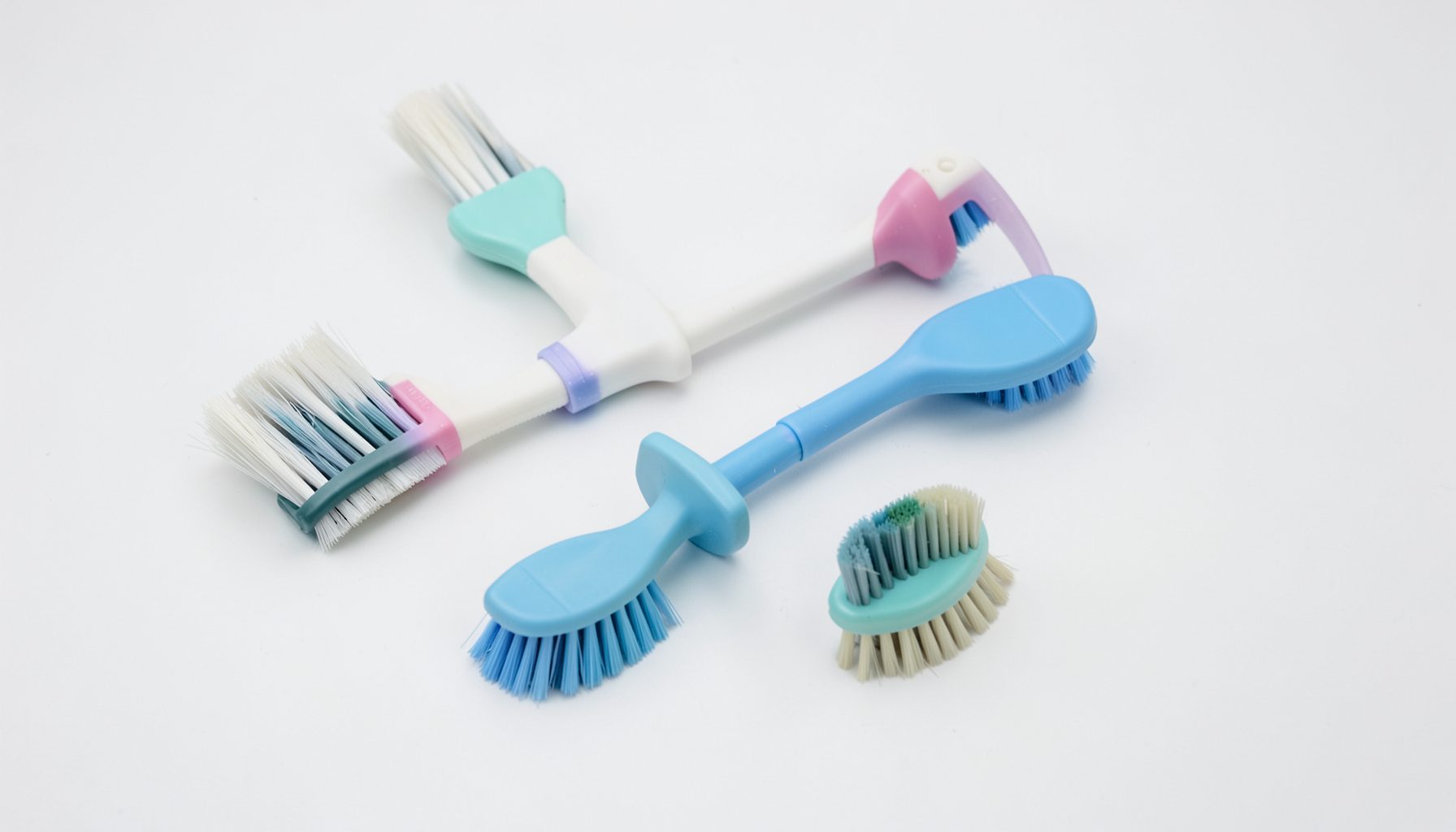
From the basic ResQRinse Nasal Rinse System ($19.99) to 90-day complete kits, saline packets, cleaning brushes, and Sinoptim Nasal Mist.
Browse all products →Get Started with ResQRinse
Ready to experience a better nasal rinse? Fill out the form below and we'll help you find the right product — or follow the simple steps to begin rinsing today.
Request More Information
How to Use ResQRinse
Fill the Bottle
Fill the ResQRinse squeeze bottle with distilled or previously boiled water and add one premixed saline packet.
Position the Tip
Place the comfort tip gently against one nostril. No head-tilting or awkward neck angles needed.
Squeeze & Breathe
Squeeze the bottle gently while breathing through your mouth. Nasal Lock™ keeps saline in your nasal passages and out of your throat.
Repeat & Clean
Switch nostrils and repeat. After use, rinse the bottle and let it air dry. Use ResQRinse Premium Cleaning Brushes for thorough cleaning.
Nasal Irrigation and Post-Nasal Drip: A Practical Guide to Lasting Relief
Most Australians recognise that stubborn trickle at the back of the throat that no amount of clearing seems to shift. In Melbourne and Canberra, post-nasal drip tends to flare alongside ryegrass pollen each spring, while Hobart and Adelaide residents often blame the temperature swings of early autumn. The discomfort lingers long after the original cold or sinus infection has technically passed, and shelves at Chemist Warehouse and Priceline are lined with decongestants, antihistamines, and saline sprays promising relief. A growing number of people are turning instead to a tool with a longer track record: nasal irrigation.
The technique involves flushing a saline rinse through the nasal passages using a controlled stream of water. It is not new, yet modern squeeze-bottle designs have made it far more comfortable than the traditional neti pot. Used correctly, irrigation can thin thickened mucus, calm irritated tissue, and reduce the throat-clearing and coughing that comes with chronic drainage. What follows is a practical guide to how it works, how to do it safely, and where it fits alongside other steps Australians can take.
What post-nasal drip actually feels like
Post-nasal drip describes mucus accumulating at the back of the nose and throat, often without any visible discharge from the nostrils. People describe it as a constant need to clear the throat, a tickle that triggers coughing at night, or fullness that worsens when lying down. In Brisbane's humid months the mucus stays thin, while the dry, heated air of a Canberra winter office thickens it into something far more stubborn.
Triggers vary widely across the country. Melburnians know ryegrass pollen well, and Canberrans recognise birch and plane tree pollen each October. Along the Gold Coast, year-round mould spores and dust mites in older fibro homes keep symptoms simmering. Air-conditioning in Perth offices and Sydney shopping centres dries out nasal tissue, slowing natural clearance. Long regional drives along dusty roads, weekend gardening in spring, and indoor fires on cold Adelaide nights all stir up particles that settle in the upper airways.
Differentiating post-nasal drip from a cold matters because management differs. A viral cold usually resolves within a week, while allergy-driven drip can persist for months. Thick yellow or green discharge, facial pain, or fever suggests a bacterial sinus infection that needs a GP rather than home irrigation alone.
How saline flushing changes the equation
Nasal irrigation works through mechanical washing and osmotic balance. The saline stream physically lifts mucus, allergens, and trapped particles out of the cavity before they drain down the throat. It also rehydrates the mucosal lining, which matters because dry tissue produces thicker, more irritating secretions.
Saline concentration matters too. An isotonic solution matches body fluid concentration and feels gentle, while a hypertonic mix draws fluid out of swollen tissue and can feel more powerful during a flare, though it may briefly sting sensitive users. Most people start with isotonic rinses daily and switch to hypertonic mixes during peak allergy weeks.
Regular irrigation also restores mucociliary clearance, the wave-like motion of tiny hairs that move debris out of the sinuses. When cilia are coated in thick mucus or inflammation, they slow down. A well-timed rinse restores their rhythm, which is why users often report clearer breathing within minutes rather than hours.
Getting the saline mix right
The standard homemade recipe is roughly a quarter teaspoon of non-iodised salt per 250 ml of water, sometimes with a small pinch of bicarbonate to buffer the sting. Pre-mixed saline sachets take the guesswork out and are regulated as medical devices by the Therapeutic Goods Administration, which means they meet local standards for composition and sterility.
Water quality is the other half of the equation. Boiled and cooled tap water, filtered water from a reputable home filter, or distilled water from the supermarket are all suitable. Untreated tap water carries a small contamination risk, particularly for immunocompromised users, so the extra step is worth it. In regional South Australia and Western Australia where bore water is sometimes used, bottled or filtered water is strongly preferred.
Lukewarm water, close to body temperature, feels gentler than cold and avoids the brief head-rush some people experience. A quick touch test with the inside of the wrist before each rinse prevents surprises.
Choosing a squeeze bottle over a neti pot
The traditional neti pot relies on gravity, so flow is gentle but slow and the head must tilt at an awkward angle. A squeeze bottle lets the user control pressure with a gentle squeeze, directing a steady stream through one nostril and out the other. For Australians with thicker mucus during pollen season or after long-haul flights from Singapore or Los Angeles, that extra pressure makes a noticeable difference.
Seal and valve design matter as much as the bottle itself. A well-designed system prevents backflow and reduces the gagging sensation that puts people off the practice entirely. Material safety is another consideration, particularly for daily rinsers. Knowing how to identify a safe squeeze bottle material helps avoid plastics that can degrade with regular warm-water use, which is relevant for anyone who boils their bottle or runs it through the dishwasher.
For children, smaller bottles with softer tips reduce discomfort and make the routine easier to teach. The same pressure control that helps adults with stubborn congestion also reassures parents introducing a child to the technique.
Frequency and timing that works
There is no single correct frequency, and the answer depends on what drives symptoms. During heavy pollen weeks in Melbourne or Canberra, twice-daily rinsing — once in the morning and once in the evening — tends to work well. Outside allergy season, a single daily rinse or even every second day often keeps things comfortable.
Timing relative to other treatments also matters. Rinsing before applying a medicated nasal spray clears the way for better absorption. After a dusty commute along Sydney's coastal paths or a windy walk on the Mornington Peninsula, rinsing within an hour of coming indoors prevents allergens from sitting in tissue overnight.
A sustainable habit is to keep the rinse bottle next to the toothbrush. Brushing teeth and rinsing sinuses become a paired routine, and the visual cue is hard to forget. A phone reminder for the evening rinse helps during the first few weeks until the habit sticks.
Households with pets and shared spaces
Pet ownership is high across Australia, and so is sensitivity to animal dander. Cats produce a protein that lingers on soft furnishings long after the cat has left the room, while dog dander collects on carpets and bedding. For households where one member suffers from post-nasal drip triggered by these allergens, rinsing becomes part of a broader approach that includes regular vacuuming and washing pet bedding weekly.
For those wondering whether irrigation can ease the scratchy throat and congestion that follow exposure to a furry friend, the rinsing routine is well worth trying. The same logic applies to people whose symptoms flare after visiting friends with pets or spending time at shelters, both common across suburban Sydney and Melbourne. Those curious about broader benefits can also explore flushing for pet allergies more generally.
Hygiene matters in shared households. Each family member should have their own bottle, tip, and saline supply, and bottles should be rinsed with hot water and air-dried after each use. Replacing bottles every few months prevents biofilm buildup and keeps rinses genuinely clean.
When professional care is the right step
Nasal irrigation is a self-care tool, not a cure-all. Symptoms lasting longer than ten days without improvement, or worsening after an initial period of relief, deserve a closer look. Australians can book a GP appointment through Medicare bulk-billing clinics in most capital cities, with same-day appointments often available for acute concerns. GPs can assess for chronic rhinitis, deviated septum, nasal polyps, or sinus infection, all of which may need prescription treatment.
ENT specialists become relevant when symptoms persist despite medication or when structural issues are suspected. Referrals require a GP letter, and waiting times in public hospitals vary from weeks in metropolitan Perth and Brisbane to several months in regional Tasmania. Private coverage through funds such as Bupa or Medibank can shorten the wait for those who can afford it.
If post-nasal drip is accompanied by wheezing, chest tightness, or recurring sinus pain, a broader allergy workup is worth discussing. Skin-prick testing and IgE blood panels identify specific triggers, and knowing the culprit makes avoidance strategies far more targeted.
If daily congestion, that constant throat-clearing, or allergy-driven drainage is wearing you down, a simple squeeze-bottle rinse used consistently could change the way your nose feels within a week. ResQRinse systems are designed for comfort, with Nasal Lock technology that keeps the rinse where it belongs and a bottle material chosen for repeated warm-water use. Browse the full range online and have it delivered anywhere from Perth to Port Macquarie, so relief is never far from reach.