ResQRinse is the nasal irrigation squeeze bottle that eliminates head-tilting and awkward neck positions. Using proprietary Nasal Lock™ technology, it delivers a comfortable, gag-free sinus cleanse — no more saline dripping down your throat.

Relief From Fall Sneezes
Now sold on Walmart.com. Free shipping on orders $30+. Try ResQRinse today with your everyday purchases.
Shop at WalmartWhy ResQRinse?
Nasal rinsing helps relieve congestion from colds, allergies, sinusitis, hay fever, and environmental pollutants. ResQRinse makes it comfortable enough to become a daily habit.
Nasal Lock™ Technology
Isolates sinuses from the throat using natural choanal occlusion — like inflating a balloon — so saline stays where it belongs.
Learn more →
Drug-Free Relief
Uses premixed saline packets with distilled water. No medications, no preservatives — just a natural cleanse for your nasal passages.
How to rinse →
For Kids Too
ResQRinse for Kids features a comfort nasal tip right-sized for smaller nostril openings, making rinsing gentle and easy for children.
Shop kids' version →
Breath-Controlled Flow
You control the saline flow with your own breath pressure — high volume, low pressure irrigation that's comfortable and effective.
Watch how-to videos →
Better Compliance
Designed to overcome the gagging and discomfort that cause people to abandon traditional neti pots and nasal rinse systems.
Our story →
Complete Kits Available
From the basic ResQRinse Nasal Rinse System ($19.99) to 90-day complete kits, saline packets, cleaning brushes, and Sinoptim Nasal Mist.
Browse all products →Get Started with ResQRinse
Ready to experience a better nasal rinse? Fill out the form below and we'll help you find the right product — or follow the simple steps to begin rinsing today.
Request More Information
How to Use ResQRinse
Fill the Bottle
Fill the ResQRinse squeeze bottle with distilled or previously boiled water and add one premixed saline packet.
Position the Tip
Place the comfort tip gently against one nostril. No head-tilting or awkward neck angles needed.
Squeeze & Breathe
Squeeze the bottle gently while breathing through your mouth. Nasal Lock™ keeps saline in your nasal passages and out of your throat.
Repeat & Clean
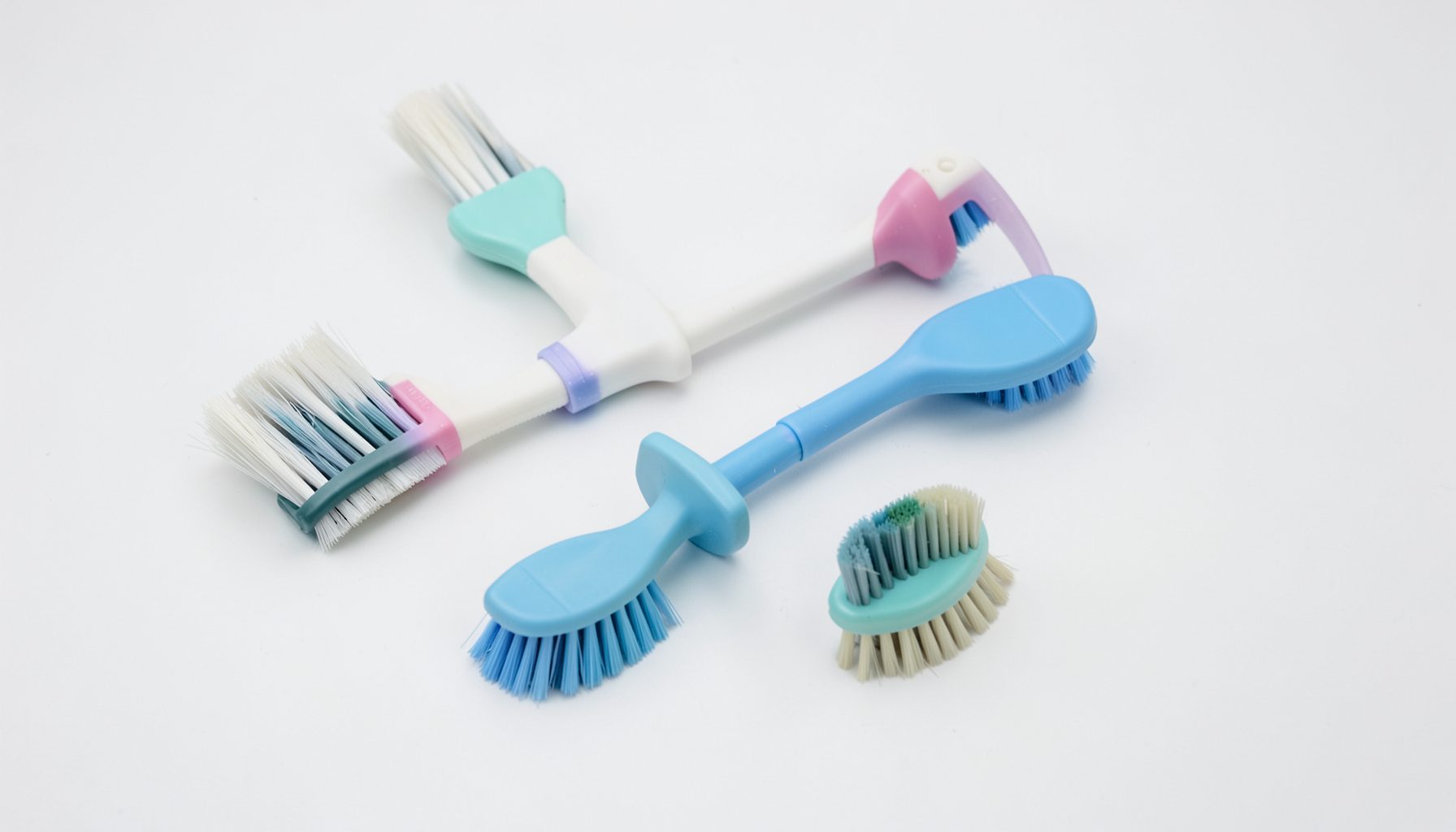
Switch nostrils and repeat. After use, rinse the bottle and let it air dry. Use ResQRinse Premium Cleaning Brushes for thorough cleaning.
Nasal Relief When Cats And Dogs Trigger Allergy Symptoms
Living with a cat or dog can bring comfort, companionship, and unwanted nasal symptoms for people with pet allergies. Sneezing, congestion, a runny nose, postnasal drip, and itchy eyes may appear after direct contact or simply from sharing indoor air with an animal.
A nasal rinse can help wash away allergens from the nasal passages before they remain in contact with sensitive tissue. It may be especially useful after cleaning, grooming, petting, or spending time in rooms where dander collects. Rinsing does not remove the underlying allergy, but it can become one practical part of a broader symptom-management routine.
ResQRinse offers squeeze-bottle systems, saline packets, children’s products, cleaning brushes, complete kits, and nasal mist for different household needs. Understanding how pet allergens behave and how to rinse safely can help you choose an approach that feels comfortable and easy to maintain.
Why Cats And Dogs Cause Nasal Symptoms
People with pet allergies usually react to proteins found in an animal’s dander, saliva, and urine rather than to the fur itself. When a cat or dog grooms, saliva dries on the coat and becomes part of household dust. Tiny particles can become airborne, settle on furniture, or cling to clothing and bedding.
These allergens can remain in a home even when the animal is in another room. Carpets, upholstered furniture, curtains, and fabric pet beds may collect particles over time. A person may therefore experience congestion or sneezing after entering a room where a pet was present, even without touching the animal.
Symptoms can range from mild stuffiness to persistent inflammation, sinus pressure, coughing, or wheezing. People with asthma or severe reactions should follow an individualized plan from a qualified healthcare professional. Nasal irrigation may support comfort, but it should not replace prescribed allergy or asthma treatment.
How A Nasal Rinse May Help
A saline rinse gently moves fluid through the nasal passages, helping loosen and flush out mucus, dust, pollen, and other irritants. After exposure to a cat or dog, this cleansing action may reduce the amount of allergen left inside the nose. Many people use a rinse when congestion makes breathing through the nose difficult or when mucus feels thick.
Saline is designed to be gentler than plain water. A correctly mixed solution can moisturize irritated nasal tissue while supporting the natural clearance process. It may also help remove multiple indoor irritants at once, including dust mites and cleaning particles that can worsen allergy symptoms.
Results vary from person to person. A rinse may provide temporary relief, but symptoms can return if exposure continues. Combining nasal irrigation with strategies such as washing hands after pet contact, keeping animals away from the bedroom, laundering bedding, and using suitable air filtration may offer more consistent control.
Selecting A Comfortable Rinse System
A squeeze bottle gives the user control over the pressure and flow, which can make it easier to adjust the rinse to personal comfort. ResQRinse systems use Nasal Lock technology to help create a secure fit around the nostrils and direct the saline through the nasal passages. A well-fitting design can help reduce leaking and make the process feel more predictable than using an open neti pot.
Choose a system that matches the needs of everyone who may use it. Adults may prefer a complete bottle-and-saline kit, while families may want a child-sized option and separate cleaning accessories. Saline packets can simplify preparation by providing a measured blend, and nasal mist can be useful when a full rinse is inconvenient or when light moisture is preferred.
The most important feature is a routine you can follow comfortably. If pressure feels painful, stop and reassess the technique. Nasal rinsing should feel gentle rather than forceful, and persistent pain, bleeding, fever, or worsening symptoms should be discussed with a healthcare professional.
| Consideration | Why It Matters | Practical Choice |
|---|---|---|
| Allergen exposure | Pet proteins can remain in the air and on surfaces | Rinse after heavy exposure or cleaning |
| Nasal comfort | Irritated tissue may react to excessive pressure | Use gentle, controlled squeezing |
| Water safety | Unsafe water can introduce harmful organisms | Use distilled, sterile, or properly boiled and cooled water |
| Solution balance | Incorrect salt concentration may sting | Use prepared saline packets or follow instructions precisely |
| Household hygiene | Bottles can retain moisture and residue | Wash, dry, and replace parts as directed |
| Convenience | Complicated routines are harder to maintain | Keep a complete kit available at home |
Safe Nasal Irrigation Practices
Water safety is essential. Use distilled or sterile water, or tap water that has been boiled and cooled according to reliable public health guidance. Do not use untreated water directly from the tap. Prepare the saline solution as directed, since too little or too much salt can cause burning, discomfort, or additional irritation.
Wash the bottle and its components after every use. A cleaning brush can help reach areas where saline residue or mucus may collect. Allow parts to air-dry completely before storing them, and follow the manufacturer’s replacement recommendations. Sharing a nasal rinse bottle can spread germs, so each person should have their own device.
Lean over a sink, breathe through your mouth, and keep the flow gentle. If one side is completely blocked, forcing fluid may increase discomfort. Stop if you develop significant ear pressure, sharp pain, repeated nosebleeds, or other unusual symptoms. People with recent nasal surgery or certain medical conditions should ask their clinician about irrigation before beginning.
Making Rinsing Easier For Children
Children may resist anything unfamiliar near the nose, especially if they have already experienced congestion or discomfort. Demonstrating the process calmly, allowing the child to handle an empty bottle, and explaining each step in simple language can make the routine less intimidating. Never force a child to continue if they are distressed.
Families introducing nasal care to a young child can review this guide on introducing nasal rinse to a toddler for age-appropriate ideas. A child-specific system may provide a better fit and a more manageable flow than an adult bottle.
Use supervision every time, and keep saline packets and equipment out of reach when they are not being used. A child should not operate the device independently until a responsible adult is confident that the child understands water safety, cleaning, and gentle pressure.
Reducing Pet Allergen Exposure At Home
Nasal irrigation works best alongside environmental changes. Keep pets out of the sleeping area, wash hands after handling them, and change clothes if intense symptoms follow close contact. Regularly washing pet bedding and vacuuming with a suitable filter can help reduce the allergen load on floors and fabrics.
Grooming practices also matter. Having a non-allergic household member brush or bathe the animal, preferably outdoors or in a well-ventilated area, may limit the amount of dander released indoors. No breed is completely allergy-free, and shaving a pet does not eliminate the proteins that trigger reactions.
For a clearer picture of the brand’s purpose, materials, and product approach, visit about ResQRinse. Product selection should still be based on comfort, age, frequency of use, and any advice provided by a medical professional.
Building A Reliable Allergy-Care Routine
A rinse may fit naturally into the parts of the day when exposure is most likely. Some people use it after cleaning a pet’s area, returning from a home with animals, or spending time cuddling a cat or dog. Others prefer an evening rinse to clear indoor particles before sleep. Use the product directions as the primary guide for frequency.
Keep the bottle, saline packets, and cleaning supplies together in a dry, accessible location. Tracking which activities trigger symptoms can also reveal patterns, such as worse congestion after vacuuming or during visits to homes with multiple pets. This information can help a clinician recommend additional options if needed.
Practical habits worth adding to a pet-allergy plan include:
- Use a gentle saline rinse after substantial exposure to cat or dog allergens.
- Choose distilled, sterile, or properly boiled and cooled water every time.
- Clean and fully dry the irrigation bottle after each use.
- Keep pets, bedding, and grooming activity away from the sleeping area when possible.
- Seek medical advice for persistent congestion, breathing difficulty, recurrent nosebleeds, or severe reactions.
A thoughtfully chosen nasal rinse can help clear irritants while fitting into everyday life with pets. Explore ResQRinse rinse systems, saline supplies, and child-friendly options through the brand’s available Walmart and Amazon purchasing channels, and use them as directed to support cleaner, more comfortable nasal breathing.