ResQRinse is the nasal irrigation squeeze bottle that eliminates head-tilting and awkward neck positions. Using proprietary Nasal Lock™ technology, it delivers a comfortable, gag-free sinus cleanse — no more saline dripping down your throat.

Relief From Fall Sneezes
Now sold on Walmart.com. Free shipping on orders $30+. Try ResQRinse today with your everyday purchases.
Shop at WalmartWhy ResQRinse?
Nasal rinsing helps relieve congestion from colds, allergies, sinusitis, hay fever, and environmental pollutants. ResQRinse makes it comfortable enough to become a daily habit.
Nasal Lock™ Technology
Isolates sinuses from the throat using natural choanal occlusion — like inflating a balloon — so saline stays where it belongs.
Learn more →
Drug-Free Relief
Uses premixed saline packets with distilled water. No medications, no preservatives — just a natural cleanse for your nasal passages.
How to rinse →
For Kids Too
ResQRinse for Kids features a comfort nasal tip right-sized for smaller nostril openings, making rinsing gentle and easy for children.
Shop kids' version →
Breath-Controlled Flow
You control the saline flow with your own breath pressure — high volume, low pressure irrigation that's comfortable and effective.
Watch how-to videos →
Better Compliance
Designed to overcome the gagging and discomfort that cause people to abandon traditional neti pots and nasal rinse systems.
Our story →
Complete Kits Available
From the basic ResQRinse Nasal Rinse System ($19.99) to 90-day complete kits, saline packets, cleaning brushes, and Sinoptim Nasal Mist.
Browse all products →Get Started with ResQRinse
Ready to experience a better nasal rinse? Fill out the form below and we'll help you find the right product — or follow the simple steps to begin rinsing today.
Request More Information
How to Use ResQRinse
Fill the Bottle
Fill the ResQRinse squeeze bottle with distilled or previously boiled water and add one premixed saline packet.
Position the Tip
Place the comfort tip gently against one nostril. No head-tilting or awkward neck angles needed.
Squeeze & Breathe
Squeeze the bottle gently while breathing through your mouth. Nasal Lock™ keeps saline in your nasal passages and out of your throat.
Repeat & Clean
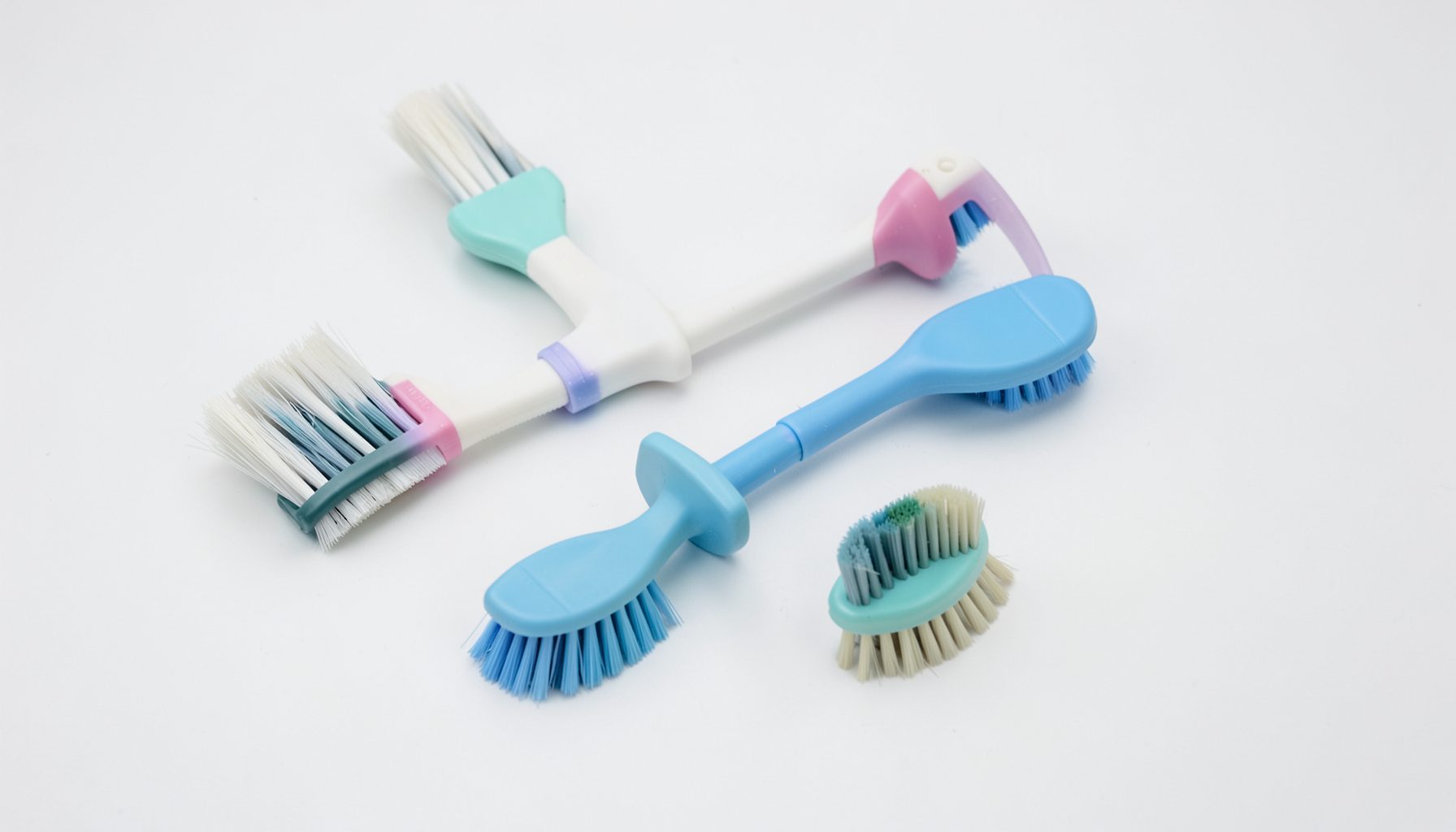
Switch nostrils and repeat. After use, rinse the bottle and let it air dry. Use ResQRinse Premium Cleaning Brushes for thorough cleaning.
Can a nasal rinse help with COVID-19 congestion?
COVID-19 can cause a blocked or runny nose, postnasal drip, facial pressure, sneezing, and thick mucus. For some people, nasal symptoms are mild and short-lived; for others, congestion can make sleeping, breathing through the nose, and staying hydrated more difficult.
A saline nasal rinse may help wash away mucus, allergens, and other irritants while moistening irritated nasal passages. It can provide temporary comfort during a respiratory infection, including COVID-19, but it does not eliminate the virus or replace medical treatment.
The safest approach is to use a properly prepared saline solution with clean equipment and realistic expectations. Rinsing should support symptom management, not serve as a substitute for testing, isolation guidance, prescribed medication, or urgent care when serious symptoms develop.
How saline irrigation may ease congestion
A nasal rinse uses a saltwater solution to flow through one nostril and out the other. This process can loosen thick mucus and help clear material from the nasal passages. Saline also adds moisture to tissues that may feel dry, swollen, or irritated during an infection.
When mucus is less sticky, it may be easier to blow the nose gently. Clearing the nasal passages can make nasal breathing more comfortable and may reduce the sensation of pressure caused by blocked drainage. Some people also find that rinsing before bedtime helps them rest more easily.
The effect is temporary and varies from person to person. A rinse may reduce congestion and improve comfort, but it cannot guarantee faster recovery from COVID-19. It also cannot remove infection from the body or prevent the virus from affecting the lower airways.
What a rinse cannot do for COVID-19
Nasal irrigation is a supportive hygiene measure, not an antiviral treatment. It should not be promoted as a way to cure COVID-19, stop transmission, or replace vaccination and other public health measures. Continue following current guidance about testing, staying home when sick, ventilation, and protecting people at higher risk.
A rinse also does not treat symptoms such as significant shortness of breath, chest pain, confusion, blue or gray lips, or severe weakness. These symptoms require prompt medical attention. People at increased risk of severe illness may benefit from time-sensitive COVID-19 treatment, so contacting a healthcare professional early can be important.
Some congestion may result from allergies, a common cold, sinus inflammation, or more than one condition at the same time. If symptoms persist, worsen after initial improvement, or include severe facial pain, high fever, or swelling around the eyes, seek clinical advice rather than relying on repeated irrigation.
For background on saline systems, nasal irrigation methods, and product features, review this nasal rinse guidance before choosing a device.
Using a nasal rinse safely
Water safety is the most important consideration. Use distilled or sterile water, or tap water that has been boiled and cooled according to public health instructions. Ordinary untreated tap water can contain organisms that are safe to swallow but unsafe when introduced into the nasal passages.
Prepare the saline solution exactly as directed. Packets made for nasal irrigation are useful because they contain measured ingredients intended to create an appropriate concentration. Homemade mixtures can be incorrectly salted, causing burning, dryness, or additional irritation.
Wash your hands before handling the bottle and rinse device. Clean the container after each use, allow it to dry completely, and follow the manufacturer’s instructions for disinfection. Do not share a nasal rinse bottle, even with a family member. Replace parts when they become cracked, cloudy, difficult to clean, or past their recommended service life.
Use gentle pressure. Lean over a sink, keep the mouth open, and allow the solution to flow without forcing it. Stop if you experience intense pain, bleeding, ear pressure, dizziness, or worsening symptoms. A child should use a product designed for their age and should be supervised by an adult.
Choosing a comfortable system
Traditional neti pots and squeeze-bottle systems both deliver saline, but they feel different in use. A neti pot relies on gravity and controlled head positioning. A squeeze bottle gives the user more control over flow and may be easier for people who prefer a familiar hand-held format.
A well-designed bottle should be easy to grip, simple to clean, and able to create a comfortable seal without excessive pressure. ResQRinse systems feature Nasal Lock technology, which is designed to help position the nozzle and support a controlled rinse. Comfort still depends on correct posture, solution temperature, nasal sensitivity, and how forcefully the bottle is squeezed.
Children’s nasal symptoms need extra care. Young users may not understand how to breathe normally during a rinse or may squeeze too forcefully. Choose an age-appropriate system, follow the instructions, and supervise the process. A nasal mist may be a better option for simple moisture when a full rinse is unsuitable, although it will not flush out mucus in the same way.
| Option | How it works | Potential role during congestion | Key considerations |
|---|---|---|---|
| Squeeze-bottle rinse | Saline is gently pushed through the nasal passages | Helps loosen mucus and rinse away irritants | Use safe water, gentle pressure, and careful cleaning |
| Neti pot | Saline flows by gravity through the nose | Provides a low-pressure irrigation option | Requires comfortable positioning and steady control |
| Nasal mist | Fine saline droplets moisturize nasal tissue | Useful for dryness and mild irritation | Does not provide the same flushing action as irrigation |
| Saline packets | Premeasured ingredients are mixed with safe water | Helps prepare a consistent rinse solution | Follow the packet ratio and do not use expired contents |
| Children’s system | Designed around a smaller user and supervised use | May support age-appropriate nasal comfort | Adult guidance and manufacturer age limits are essential |
Practical ways to use a rinse during recovery
Timing and technique can make nasal irrigation more comfortable. Many people prefer to rinse over a sink when mucus feels thick or before sleep. Avoid rinsing immediately before going outdoors in cold air, swimming, or lying down if residual fluid tends to bother you.
- Use a fresh saline solution for every session rather than storing leftover liquid.
- Keep the water lukewarm, since very hot or cold solution can increase discomfort.
- Blow your nose gently afterward instead of creating strong pressure.
- Pause if your ears feel blocked or if fluid does not pass easily.
- Clean and dry the device after use, and keep it separate from shared bathroom items.
Do not use a rinse when the nostrils are completely blocked and fluid cannot move through, unless a clinician has advised you otherwise. People with frequent nosebleeds, recent nasal surgery, structural nasal problems, or severe ear disease should ask a healthcare professional whether irrigation is appropriate.
If you are unsure about preparation, cleaning, or which ResQRinse product fits your needs, the brand’s product FAQs provide additional usage and care information.
When congestion needs medical attention
Most uncomplicated COVID-19 congestion can be managed with rest, fluids, humidity, and other appropriate comfort measures. However, symptoms should be monitored over time. A blocked nose that steadily worsens, lasts longer than expected, or returns after improvement may point to a secondary issue that needs evaluation.
Seek urgent help for trouble breathing, persistent chest pressure, new confusion, inability to stay awake, or pale, gray, or blue skin, lips, or nail beds. Emergency symptoms can look different across skin tones, so changes in breathing, alertness, and overall function matter.
Contact a healthcare professional promptly if you have a weakened immune system, are pregnant, are an older adult, or have conditions such as chronic lung disease, heart disease, diabetes, or kidney disease. Early advice may be especially valuable because some COVID-19 therapies work best when started soon after symptoms begin.
A saline rinse can be a useful part of a comfort routine when COVID-19 causes nasal blockage or thick mucus. Use safe water, a clean device, gentle pressure, and an age-appropriate method. Pair symptom relief with appropriate testing and medical guidance, and choose a reliable nasal irrigation system when you are ready to make rinsing part of your at-home care routine.