ResQRinse is the nasal irrigation squeeze bottle that eliminates head-tilting and awkward neck positions. Using proprietary Nasal Lock™ technology, it delivers a comfortable, gag-free sinus cleanse — no more saline dripping down your throat.

Relief From Fall Sneezes
Now sold on Walmart.com. Free shipping on orders $30+. Try ResQRinse today with your everyday purchases.
Shop at WalmartWhy ResQRinse?
Nasal rinsing helps relieve congestion from colds, allergies, sinusitis, hay fever, and environmental pollutants. ResQRinse makes it comfortable enough to become a daily habit.
Nasal Lock™ Technology
Isolates sinuses from the throat using natural choanal occlusion — like inflating a balloon — so saline stays where it belongs.
Learn more →
Drug-Free Relief
Uses premixed saline packets with distilled water. No medications, no preservatives — just a natural cleanse for your nasal passages.
How to rinse →
For Kids Too
ResQRinse for Kids features a comfort nasal tip right-sized for smaller nostril openings, making rinsing gentle and easy for children.
Shop kids' version →
Breath-Controlled Flow
You control the saline flow with your own breath pressure — high volume, low pressure irrigation that's comfortable and effective.
Watch how-to videos →
Better Compliance
Designed to overcome the gagging and discomfort that cause people to abandon traditional neti pots and nasal rinse systems.
Our story →
Complete Kits Available
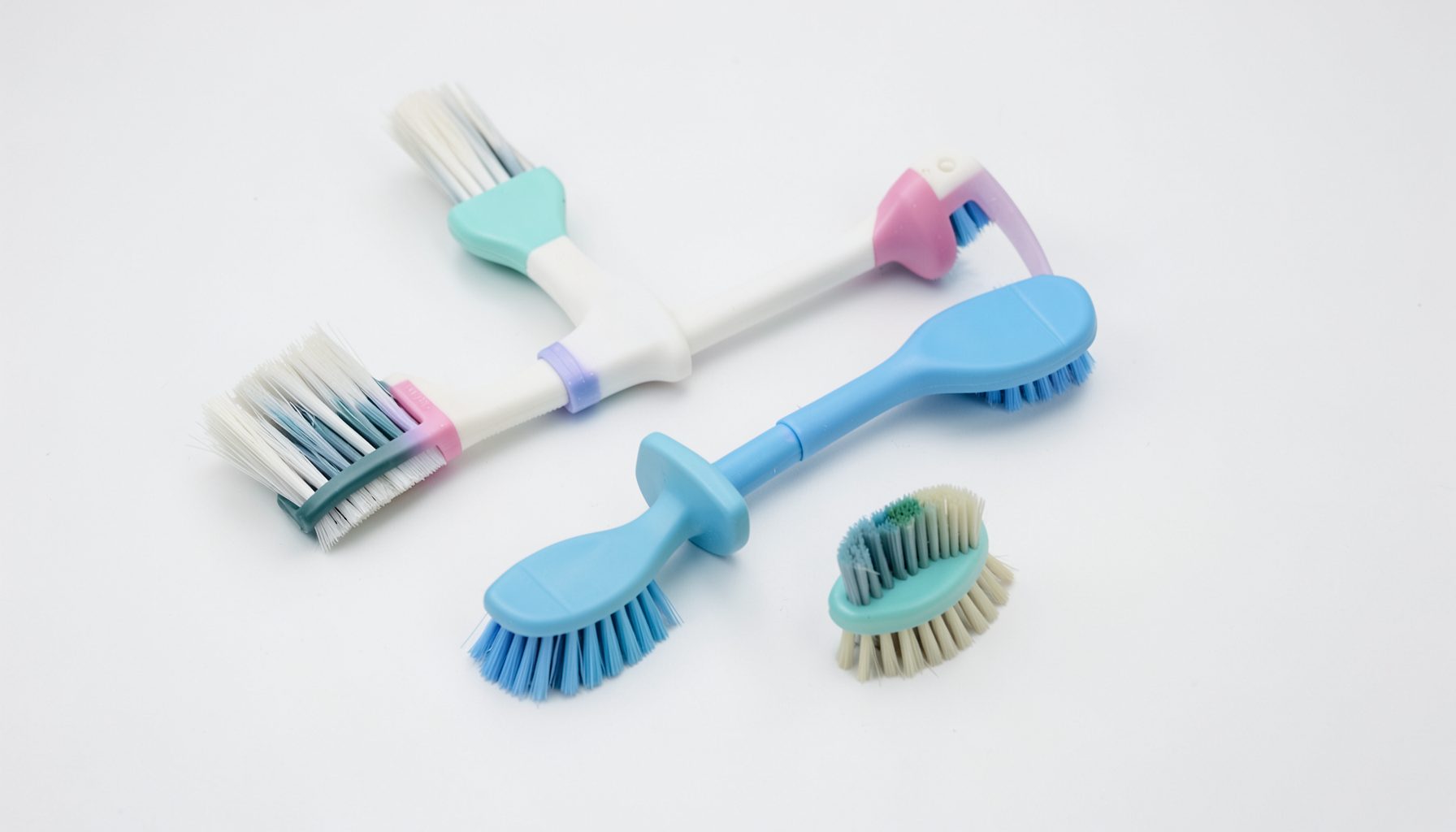
From the basic ResQRinse Nasal Rinse System ($19.99) to 90-day complete kits, saline packets, cleaning brushes, and Sinoptim Nasal Mist.
Browse all products →Get Started with ResQRinse
Ready to experience a better nasal rinse? Fill out the form below and we'll help you find the right product — or follow the simple steps to begin rinsing today.
Request More Information
How to Use ResQRinse
Fill the Bottle
Fill the ResQRinse squeeze bottle with distilled or previously boiled water and add one premixed saline packet.
Position the Tip
Place the comfort tip gently against one nostril. No head-tilting or awkward neck angles needed.
Squeeze & Breathe
Squeeze the bottle gently while breathing through your mouth. Nasal Lock™ keeps saline in your nasal passages and out of your throat.
Repeat & Clean
Switch nostrils and repeat. After use, rinse the bottle and let it air dry. Use ResQRinse Premium Cleaning Brushes for thorough cleaning.
How nasal irrigation can affect sinus medication absorption
Nasal irrigation is widely used to flush mucus, allergens, crusting, and irritants from the nasal passages. Because it changes the condition of the nasal lining, it can also influence how some nasal medicines contact the tissue and how long they remain in place. That relationship is useful, but it is more nuanced than the idea that rinsing automatically makes medication stronger or causes it to work faster.
The effect depends on the medication, the timing of the rinse, the condition of the nasal passages, and whether the product is intended for local or whole-body absorption. A saline rinse does not replace a prescribed treatment, and it should not be used to mix or deliver medication unless a qualified clinician specifically instructs you to do so.
For people managing congestion, allergic rhinitis, sinus pressure, or recurring nasal symptoms, the practical goal is usually straightforward: rinse first when appropriate, allow the nose to settle, then apply a nasal medicine correctly.
How a saline rinse changes the nasal environment
Nasal irrigation uses a saline solution to move mucus and suspended particles out of the nasal cavity. This cleansing action can reduce the physical material covering the nasal lining, including thick secretions that may prevent a spray from reaching the tissue evenly. A clearer passage may give a topical nasal product better access to its intended site.
Irrigation also adds moisture to tissue that feels dry or irritated. Comfortable, hydrated nasal passages may make spray use easier, particularly when congestion has caused mouth breathing, crusting, or discomfort. However, excessive rinsing or water that is too concentrated can irritate the lining and create the opposite effect.
The design of the device matters as well. A controlled squeeze-bottle system, such as one using Nasal Lock technology, can help direct the flow through the nasal passages without requiring the head position associated with some traditional neti pots. Good technique still matters: use the recommended volume, breathe through the mouth, and avoid forcing fluid when the nose is completely blocked.
What absorption means for nasal medicines
Many nasal sprays are intended to work locally rather than enter the bloodstream in significant amounts. Corticosteroid sprays for allergic inflammation, anticholinergic sprays for runny nose, and some antihistamine sprays are examples of products designed to act mainly on the nasal lining. For these medicines, effective “absorption” often means adequate deposition and contact with the mucosa, not maximum systemic uptake.
A rinse performed before a topical spray may remove mucus and improve contact. A rinse performed immediately afterward may wash away part of the medicine before it has had time to remain on the tissue. This is why the sequence and interval can be more important than the rinse itself. The exact timing should follow the medicine’s instructions or advice from a pharmacist or prescriber.
Oral decongestants, antihistamine tablets, antibiotics, and other systemic medicines are absorbed through the digestive tract or administered by another route. Nasal irrigation generally does not directly increase their absorption. It may make breathing more comfortable or help clear secretions, but that symptomatic benefit should not be confused with a change in how the medication enters the body.
Timing can influence treatment performance
For many people, the most practical order is saline irrigation, gentle nose blowing, a short settling period, and then the prescribed nasal spray. This approach gives the rinse time to drain and reduces the likelihood that the medication will be immediately diluted or carried out. The correct waiting period varies with the product and the person’s symptoms, so medication labeling remains the primary guide.
Rinsing before bedtime can be convenient for people whose congestion worsens at night, while a morning routine may clear overnight buildup before other nasal products are used. ResQRinse provides further guidance on building a consistent morning rinse routine without treating irrigation as a substitute for medical care.
A person who uses several nasal products should avoid assuming that all sprays can be applied in any order. Some medicines have specific instructions about shaking, priming, head position, or spacing from other products. A pharmacist can help organize the schedule, especially when a prescription spray is combined with saline mist, decongestant spray, or allergy medication.
Rinse and medicine interactions at a glance
The following overview describes common patterns rather than individual treatment instructions. Product directions, age restrictions, pregnancy considerations, medical conditions, and prescriber guidance take priority.
| Medication or product type | Likely relationship with nasal irrigation | Practical consideration |
|---|---|---|
| Saline mist or gel | Adds moisture and comfort; does not function as a drug | Use according to its label and avoid assuming it replaces a full rinse |
| Intranasal corticosteroid | A pre-treatment rinse may improve access to the nasal lining | Rinse first, let excess fluid drain, then apply as directed |
| Intranasal antihistamine | May benefit from a clear nasal surface | Avoid rinsing immediately after application unless instructed |
| Topical decongestant spray | Irrigation may clear mucus before use, but does not remove rebound-congestion risk | Follow duration limits carefully, often no more than a few days |
| Oral allergy or cold medicine | Irrigation is unlikely to change gastrointestinal absorption | Treat the rinse as supportive symptom care, not a dose enhancer |
| Antibiotic or medicated rinse | Requires specific clinical direction | Never add medication to a saline bottle without professional instructions |
Why medication type and nasal condition matter
Inflammation, swelling, infection, dryness, and heavy mucus can all alter how a nasal product spreads across the mucosa. A congested passage may prevent a spray from reaching deeper areas, while a very dry or inflamed surface may make application uncomfortable. Irrigation can help remove secretions, but it cannot correct every cause of poor medication response.
Decongestant sprays deserve particular caution. Clearing the nose with saline may make the spray feel more effective, but that does not make prolonged use safer. Frequent or extended use of topical decongestants can contribute to rebound congestion, in which nasal blockage returns or worsens after the medicine wears off.
People with frequent sinus symptoms should also consider the broader pattern rather than relying on repeated short-term relief. Research and clinical experience continue to examine how nasal cleansing may support airway hygiene and symptom control; ResQRinse discusses the connection with reduced sinus infections, while individual causes still require appropriate diagnosis.
Safe use protects the nasal lining
Safe water preparation is essential. Use distilled or sterile water, or tap water that has been boiled and cooled according to public health guidance. Do not use untreated tap water in a nasal irrigation device. Saline packets made for nasal rinsing are useful because they provide a measured mixture designed for nasal comfort, while homemade solutions can be too salty or too weak if measured inaccurately.
Clean the bottle and its components after every use, allow them to dry fully, and replace parts according to the manufacturer’s directions. A cleaning brush can help reach areas where residue collects. Never share a nasal irrigation device, and stop if the rinse causes significant pain, persistent nosebleeds, ear pressure, or worsening symptoms.
People with complete nasal blockage, recent nasal surgery, recurrent nosebleeds, immune suppression, or unusual ear symptoms should obtain medical advice before beginning or changing an irrigation routine. Children need an age-appropriate device and adult supervision. The brand’s about ResQRinse information explains its product approach, but product information does not replace individualized clinical guidance.
Build a consistent medication-friendly routine
A simple routine can reduce common mistakes and make it easier to observe whether symptoms are improving. Consider these recommendations:
- Check the label or ask a pharmacist whether your nasal medicine should be used after irrigation.
- Use sterile, distilled, or properly boiled and cooled water with the correct saline mixture.
- Let excess rinse drain and gently blow your nose before applying a topical spray.
- Keep the bottle clean and dry, and do not share it with other household members.
- Seek clinical advice if symptoms persist, recur frequently, or worsen after starting a new routine.
Consistency is often more useful than increasing the frequency or force of irrigation. A comfortable rinse that clears mucus without causing dryness is more likely to fit into daily allergy or sinus care. If a nasal medicine causes stinging, bleeding, or no improvement after proper use, the answer may be a change in treatment rather than additional rinsing.
Put the routine into practice
Nasal irrigation can support the delivery conditions for certain locally acting nasal medicines, especially when mucus and congestion interfere with contact. Its influence on medication absorption is limited by the product’s design, and it has little direct effect on medicines absorbed through the stomach or intestines. The safest approach is to view saline irrigation as preparation and symptom support, not as a way to intensify a dose.
Choose a comfortable, properly sized system, follow water-safety instructions, and apply prescribed nasal medication according to its directions. Explore ResQRinse rinse systems, saline packets, children’s options, and nasal-care accessories through the brand’s retail partners at Walmart and Amazon, then make irrigation one careful part of a broader sinus-care routine.