ResQRinse is the nasal irrigation squeeze bottle that eliminates head-tilting and awkward neck positions. Using proprietary Nasal Lock™ technology, it delivers a comfortable, gag-free sinus cleanse — no more saline dripping down your throat.

Relief From Fall Sneezes
Now sold on Walmart.com. Free shipping on orders $30+. Try ResQRinse today with your everyday purchases.
Shop at WalmartWhy ResQRinse?
Nasal rinsing helps relieve congestion from colds, allergies, sinusitis, hay fever, and environmental pollutants. ResQRinse makes it comfortable enough to become a daily habit.
Nasal Lock™ Technology
Isolates sinuses from the throat using natural choanal occlusion — like inflating a balloon — so saline stays where it belongs.
Learn more →
Drug-Free Relief
Uses premixed saline packets with distilled water. No medications, no preservatives — just a natural cleanse for your nasal passages.
How to rinse →
For Kids Too
ResQRinse for Kids features a comfort nasal tip right-sized for smaller nostril openings, making rinsing gentle and easy for children.
Shop kids' version →
Breath-Controlled Flow
You control the saline flow with your own breath pressure — high volume, low pressure irrigation that's comfortable and effective.
Watch how-to videos →
Better Compliance
Designed to overcome the gagging and discomfort that cause people to abandon traditional neti pots and nasal rinse systems.
Our story →
Complete Kits Available
From the basic ResQRinse Nasal Rinse System ($19.99) to 90-day complete kits, saline packets, cleaning brushes, and Sinoptim Nasal Mist.
Browse all products →Get Started with ResQRinse
Ready to experience a better nasal rinse? Fill out the form below and we'll help you find the right product — or follow the simple steps to begin rinsing today.
Request More Information
How to Use ResQRinse
Fill the Bottle
Fill the ResQRinse squeeze bottle with distilled or previously boiled water and add one premixed saline packet.
Position the Tip
Place the comfort tip gently against one nostril. No head-tilting or awkward neck angles needed.
Squeeze & Breathe
Squeeze the bottle gently while breathing through your mouth. Nasal Lock™ keeps saline in your nasal passages and out of your throat.
Repeat & Clean
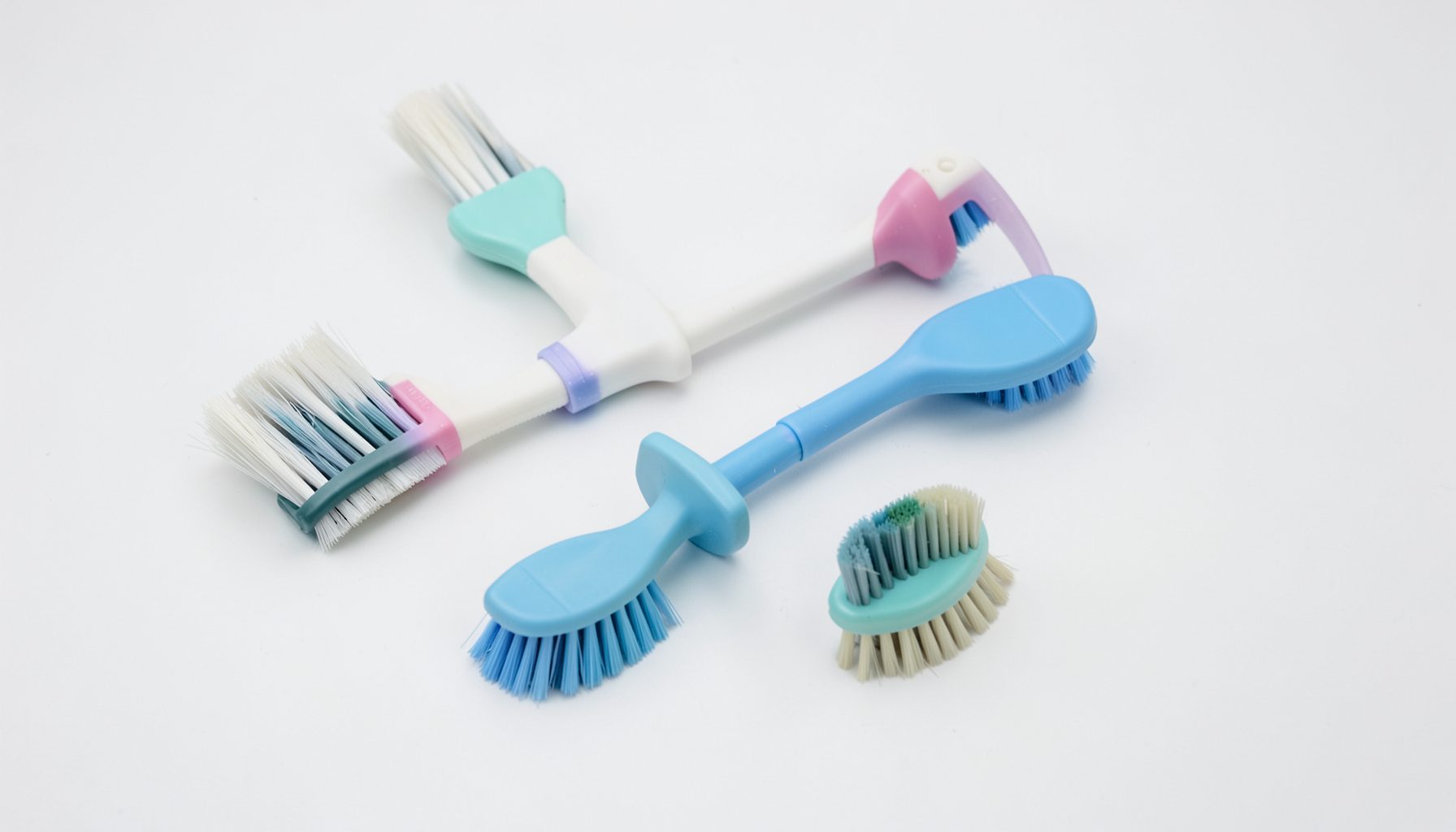
Switch nostrils and repeat. After use, rinse the bottle and let it air dry. Use ResQRinse Premium Cleaning Brushes for thorough cleaning.
How to Make Nasal Irrigation Part of Your Morning Routine
A clear, comfortable start can shape the rest of the day. For people who wake with a stuffy nose, seasonal allergies, postnasal drip, or sinus pressure, nasal irrigation may help wash away mucus, allergens, and other irritants before work, school, exercise, or time outdoors.
The most effective routine is usually the one that feels simple enough to repeat. A nasal rinse does not need to become a lengthy morning project. With the right supplies, safe water, and a consistent place in your schedule, it can take only a few minutes.
ResQRinse systems are designed to make nasal irrigation approachable with a squeeze bottle, saline packets, cleaning tools, and Nasal Lock technology intended to support a comfortable, controlled rinse. The following routine can be adapted for adults, children using an appropriate product, and different levels of daily congestion.
Why morning rinsing can feel useful
During sleep, mucus can collect in the nasal passages, while bedroom dust, pet dander, pollen, and dry air may contribute to morning irritation. A saline rinse can help loosen and flush out this material, leaving the nose feeling cleaner before the day begins.
Morning irrigation may be especially convenient for people who experience symptoms after waking rather than later in the day. Rinsing before breakfast, commuting, or applying other nasal products gives the routine a predictable place in the schedule. It can also help reduce the need to think about nasal care during a busy afternoon.
Nasal irrigation is a supportive hygiene practice, not a cure for every cause of congestion. Persistent blockage, facial pain, fever, frequent nosebleeds, or symptoms that keep returning should be discussed with a qualified healthcare professional.
Prepare a routine that feels easy
Start by choosing a consistent time and location. Many people rinse after brushing their teeth and before getting dressed. Keeping the bottle, saline packets, and cleaning brush together near the sink removes small obstacles that can cause the routine to be skipped.
Use a saline solution made according to the product directions. Premeasured packets help maintain the intended balance of salt and water, which can be more comfortable than estimating ingredients at the sink. Water that is too concentrated may sting, while water that is too dilute may feel irritating.
Give yourself enough time to rinse without rushing. Leaning over the sink, breathing through the mouth, and allowing the solution to flow gently can make the experience more comfortable. If your nose feels very blocked, begin with a small amount of pressure and stop if you feel pain or significant ear pressure.
Use safe water and correct technique
Water safety is essential. Use distilled or sterile water, or tap water that has been boiled and cooled according to public health guidance. Do not use untreated tap water for nasal irrigation. The bottle should also be clean and completely dry between uses.
Wash your hands before preparing the rinse. Add the recommended amount of water and saline, secure the cap, and mix as directed. Bend forward over the sink, keep your mouth open, and place the nasal tip comfortably against one nostril. Gentle squeezing should allow the saline to travel through the nasal passages and exit through the other side.
Avoid forcing the solution if the flow is painful or blocked. After rinsing, blow your nose gently rather than forcefully. Some water may drain later when you bend forward, so completing the process a few minutes before leaving home can be helpful.
Build a practical morning sequence
A short sequence makes nasal irrigation easier to remember. The order below can be adjusted to match your morning habits, but it provides a useful starting point for people who are new to saline rinsing.
| Morning step | Squeeze-bottle rinse | Nasal mist |
|---|---|---|
| Main purpose | Flushes mucus, allergens, and irritants from the nasal passages | Adds light moisture to the nasal lining |
| Typical time | A few minutes, including preparation and cleanup | Usually less time |
| Best fit | Noticeable congestion, mucus, or exposure to airborne irritants | Dryness or mild irritation |
| Water and saline | Requires safe water and saline mixture | Uses the product as directed |
| Cleanup | Bottle and accessories need washing and drying | Usually simpler, depending on the container |
Place the rinse after basic oral care and before activities that make you breathe heavily. If you exercise in the morning, rinsing before a workout may help you begin with clearer nasal passages, while rinsing afterward can remove outdoor particles and sweat-related irritants.
A nasal mist can be useful on mornings when a full rinse is unnecessary or inconvenient. It does not replace the flushing action of irrigation, but it may complement a broader nasal-care routine when dryness is the main concern.
Match the system to your household
A squeeze-bottle system can suit adults who want a more thorough nasal wash and control over the pressure. The bottle should be squeezed gently; stronger pressure is not automatically better. ResQRinse’s Nasal Lock design is intended to help create a secure fit and support controlled delivery during use.
Families may benefit from keeping separate personal components for each user. Children should use an age-appropriate system with adult supervision, especially while learning how to position the bottle and breathe through the mouth. A child who is frightened, uncomfortable, or unable to follow instructions should not be pressured to continue.
For travel or especially busy mornings, saline packets and a compact setup can simplify preparation. Keep the supplies in a clean pouch, and make sure the bottle can be washed and dried properly after use rather than storing it while damp.
Adapt the routine to changing symptoms
Allergy season may call for more consistent rinsing because pollen and other airborne particles can settle in the nasal passages. Some people prefer a rinse after outdoor exposure, while others find that a morning rinse helps remove residue that accumulated overnight. Follow the product directions and avoid excessive use if it causes dryness or irritation.
Environmental irritants can also affect nasal comfort. Smoke, dust, and poor air quality may leave the nose feeling congested or coated. For additional context about rinsing after smoke exposure, review this smoke inhalation guidance, while remembering that nasal irrigation cannot treat serious breathing problems or replace urgent medical care.
When symptoms are severe, a rinse may not be appropriate until swelling decreases. Stop if you experience sharp pain, repeated bleeding, dizziness, or worsening ear pressure. Medical advice is particularly important for people with recent nasal surgery, structural nasal problems, recurrent sinus infections, or conditions that affect immune function.
Keep cleaning and consistency manageable
After each use, take the bottle apart as directed and wash the components with clean water and mild soap if the instructions permit. Use the included cleaning brush for narrow areas, then allow every part to air-dry fully. A damp, closed container can encourage unwanted microbial growth.
Replace the system or individual parts according to the manufacturer’s guidance. Do not share a nasal irrigation bottle, even within the same household. Keeping a spare set of saline packets or a second approved accessory can make it easier to maintain the routine when one component is drying or being cleaned.
Consistency should feel supportive rather than restrictive. If a full rinse does not fit every morning, use it when symptoms or exposure make it most useful and consider a nasal mist for lighter dryness when appropriate. Product information, care instructions, and company announcements are available through the ResQRinse product updates.
A simple checklist for daily use
A practical checklist can turn nasal irrigation into an automatic part of getting ready:
- Keep the bottle, saline packets, and cleaning brush together near a clean sink.
- Use distilled, sterile, or properly boiled and cooled water.
- Rinse gently after brushing your teeth and before leaving home.
- Wash, disassemble, and air-dry the system after every use.
- Stop and seek medical guidance if pain, bleeding, or persistent symptoms develop.
The goal is a comfortable, repeatable habit that supports clearer nasal passages without adding stress to the morning. Start with a few unhurried days, pay attention to how your nose responds, and adjust the timing around sleep, exercise, allergy exposure, and other daily activities.
Explore ResQRinse squeeze-bottle systems, children’s options, saline packets, cleaning accessories, complete kits, and nasal mist products through the brand’s online shopping options at Walmart and Amazon. A well-prepared setup can make the next morning’s nasal care simple, safe, and easy to repeat.