ResQRinse is the nasal irrigation squeeze bottle that eliminates head-tilting and awkward neck positions. Using proprietary Nasal Lock™ technology, it delivers a comfortable, gag-free sinus cleanse — no more saline dripping down your throat.

Relief From Fall Sneezes
Now sold on Walmart.com. Free shipping on orders $30+. Try ResQRinse today with your everyday purchases.
Shop at WalmartWhy ResQRinse?
Nasal rinsing helps relieve congestion from colds, allergies, sinusitis, hay fever, and environmental pollutants. ResQRinse makes it comfortable enough to become a daily habit.
Nasal Lock™ Technology
Isolates sinuses from the throat using natural choanal occlusion — like inflating a balloon — so saline stays where it belongs.
Learn more →
Drug-Free Relief
Uses premixed saline packets with distilled water. No medications, no preservatives — just a natural cleanse for your nasal passages.
How to rinse →
For Kids Too
ResQRinse for Kids features a comfort nasal tip right-sized for smaller nostril openings, making rinsing gentle and easy for children.
Shop kids' version →
Breath-Controlled Flow
You control the saline flow with your own breath pressure — high volume, low pressure irrigation that's comfortable and effective.
Watch how-to videos →
Better Compliance
Designed to overcome the gagging and discomfort that cause people to abandon traditional neti pots and nasal rinse systems.
Our story →
Complete Kits Available
From the basic ResQRinse Nasal Rinse System ($19.99) to 90-day complete kits, saline packets, cleaning brushes, and Sinoptim Nasal Mist.
Browse all products →Get Started with ResQRinse
Ready to experience a better nasal rinse? Fill out the form below and we'll help you find the right product — or follow the simple steps to begin rinsing today.
Request More Information
How to Use ResQRinse
Fill the Bottle
Fill the ResQRinse squeeze bottle with distilled or previously boiled water and add one premixed saline packet.
Position the Tip
Place the comfort tip gently against one nostril. No head-tilting or awkward neck angles needed.
Squeeze & Breathe
Squeeze the bottle gently while breathing through your mouth. Nasal Lock™ keeps saline in your nasal passages and out of your throat.
Repeat & Clean
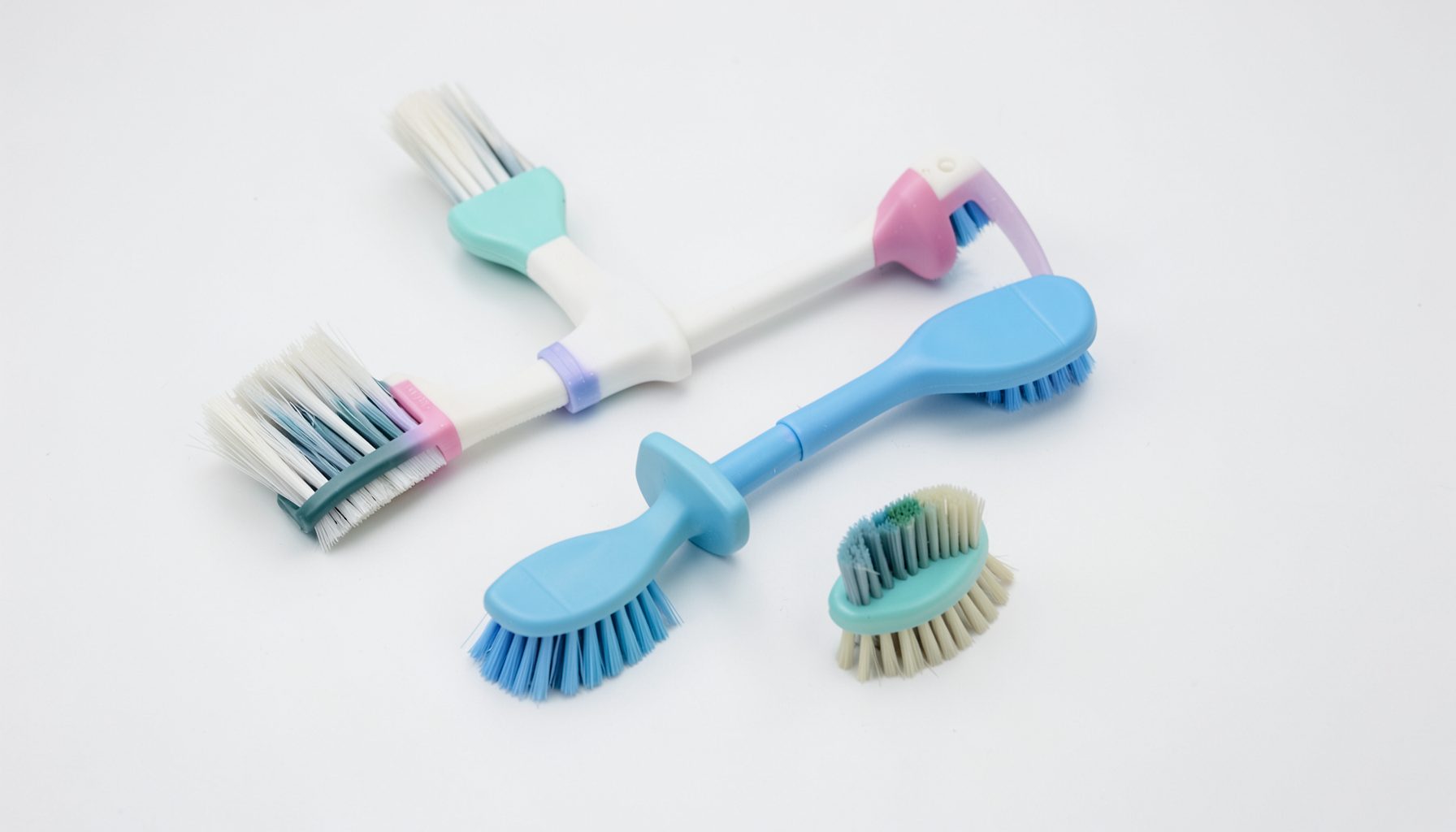
Switch nostrils and repeat. After use, rinse the bottle and let it air dry. Use ResQRinse Premium Cleaning Brushes for thorough cleaning.
How Nasal Irrigation May Help Reduce Sinus Infections
Nasal irrigation is a simple way to rinse the nasal passages with a saline solution. By flushing out mucus, allergens, dust, and other irritants, it can make breathing more comfortable and support the normal cleaning action of the nose. Many people use a rinse during allergy season, a cold, or periods of recurring sinus pressure.
The connection between nasal irrigation and reduced sinus infections is linked to better mucus clearance. When mucus becomes thick or trapped, it can block sinus drainage and create conditions that allow inflammation to continue. A gentle saline rinse may help keep those passages open, though it should be viewed as supportive care rather than a replacement for medical treatment.
Safe technique matters as much as frequency. The water must be appropriately treated, the device should be cleaned after use, and the saline mixture should be comfortable rather than overly strong. When these details are followed, irrigation can become a practical part of a broader sinus-care routine.
How Sinus Infections Develop
The sinuses are air-filled spaces connected to the nasal passages through small drainage openings. During a cold or allergy flare, the nasal lining can swell and produce extra mucus. That swelling may slow drainage, causing pressure, congestion, and discomfort around the cheeks, forehead, or eyes.
Many sinus infections begin after a viral upper-respiratory illness. In some cases, persistent blockage and inflammation create an environment where bacteria can multiply. A rinse cannot eliminate every cause of sinusitis, but clearing excess mucus and irritants may support drainage and reduce the buildup that contributes to prolonged symptoms.
It is important to distinguish temporary congestion from a condition requiring professional care. Severe facial pain, swelling around the eyes, high fever, vision changes, or symptoms that worsen after initial improvement deserve prompt medical attention. Repeated or long-lasting infections should also be evaluated by a healthcare professional.
What Saline Rinsing Does Inside the Nose
Saline irrigation uses a salt-water solution to wash the nasal passages. The fluid can loosen thick mucus, remove airborne particles, and soothe tissues irritated by dry air or allergens. This mechanical cleansing is different from a decongestant spray, which primarily works by narrowing swollen blood vessels.
Regular rinsing may also help improve the movement of mucus toward the throat, where it can be swallowed normally. Better clearance can reduce the time that mucus remains in contact with inflamed tissue. For people with seasonal allergies or chronic nasal symptoms, this may mean fewer blocked passages and a lower likelihood that congestion will linger after a cold.
The benefit depends on consistent, comfortable use. A harsh stream, incorrect salt concentration, or poorly fitting device may discourage regular rinsing. Systems designed to control flow and limit back pressure, such as ResQRinse products with Nasal Lock technology, can make the process easier for people who find traditional neti pots awkward.
Irrigation Compared With Other Nasal-Care Options
Nasal irrigation is one part of a larger set of strategies for managing nasal and sinus symptoms. Humidified air may ease dryness, while allergen avoidance can reduce exposure to pollen, dust, or pet dander. Decongestant sprays may provide short-term relief, but some should not be used for extended periods because congestion can rebound.
The right option depends on the underlying problem. A saline mist can be convenient for light dryness or travel, while a larger-volume rinse is generally better suited to thick mucus and significant congestion. Medication prescribed for allergies, asthma, or bacterial infection should be used according to professional instructions rather than replaced with irrigation.
| Nasal-care approach | Main purpose | When it may help | Important consideration |
|---|---|---|---|
| Saline irrigation | Flushes mucus and irritants | Congestion, allergies, colds, sinus pressure | Use safe water and a clean device |
| Saline mist | Moistens nasal tissue | Dryness, travel, mild irritation | Does not provide the same flushing action |
| Humidified air | Adds moisture to inhaled air | Dry indoor environments | Keep humidifiers clean |
| Decongestant spray | Temporarily reduces swelling | Short-term blocked-nose relief | Extended use may worsen congestion |
| Medical treatment | Addresses a diagnosed condition | Persistent, severe, or recurrent symptoms | Follow guidance from a healthcare professional |
A rinse can often be paired with other supportive measures. For example, some people irrigate before using a prescribed nasal spray so the medication can contact cleaner nasal tissue. Anyone with frequent nosebleeds, recent nasal surgery, or an unusual nasal structure should ask a clinician whether irrigation is appropriate.
Safe Habits Make Rinsing More Effective
Water safety is essential. Use distilled or sterile water, or tap water that has been boiled and cooled according to public-health guidance. Do not use untreated water directly from the tap for nasal irrigation. The salt packet or saline mixture should be prepared as directed to reduce stinging and irritation.
The bottle or pot should be rinsed after every use and allowed to dry fully. Follow the manufacturer’s cleaning instructions, and replace components when they become worn, cracked, or difficult to clean. A cleaning brush can help reach interior surfaces that a quick rinse may miss.
Avoid forcing fluid through a completely blocked nose. Leaning forward over a sink, breathing through the mouth, and using gentle pressure can make the experience more comfortable. Stop if there is sharp pain, significant bleeding, ear pressure, or worsening symptoms, and seek medical advice when necessary.
Helping Children Build A Comfortable Routine
Children may resist nasal irrigation because the sensation is unfamiliar. A child-sized system, calm explanation, and demonstration by a parent can make the process less intimidating. The goal is a slow, predictable routine rather than a rushed attempt during a moment of severe congestion.
After rinsing, children may need help clearing the remaining fluid and mucus. Parents can use this practical guide to teach children to blow their nose gently after a rinse, rather than encouraging forceful blowing that may increase pressure in the ears.
Never leave a young child to use a nasal irrigation device without appropriate supervision. Adults should prepare the saline, verify the water source, inspect the equipment, and provide assistance based on the child’s age and coordination. If a child has recurring sinus symptoms, breathing difficulties, or frequent ear problems, discuss irrigation with a pediatric healthcare professional.
Building A Sustainable Sinus-Care Routine
A consistent routine is more useful than occasional aggressive rinsing. Some people use saline irrigation once daily during allergy season, while others use it only when congestion appears. Frequency should be comfortable and should follow product instructions or medical guidance.
These habits can support clearer nasal passages and reduce avoidable irritation:
- Use sterile, distilled, or properly boiled and cooled water every time.
- Prepare saline with the recommended packet or measured formula.
- Rinse the device after use and let it air-dry completely.
- Apply gentle pressure instead of forcing fluid through blocked passages.
- Track recurring symptoms, triggers, and reactions to identify patterns.
Families should also avoid treating nasal irrigation equipment as a shared personal item. If more than one person needs a rinse, separate devices are the safest practical choice; this guide explains the concerns around sharing a rinse bottle with family members.
When To Seek Medical Advice
Nasal irrigation may relieve congestion and support mucus drainage, but it does not diagnose or cure every sinus condition. Symptoms that last longer than expected, return repeatedly, or interfere with sleep and daily activities may point to allergies, structural blockage, chronic sinusitis, or another issue that needs assessment.
Contact a healthcare professional for severe facial swelling, intense headache, high fever, confusion, vision changes, or pain around the eyes. Medical advice is also appropriate when symptoms persist despite home care or when a person has a weakened immune system.
For everyday congestion and allergy-related discomfort, a well-designed saline rinse can be a useful addition to personal care. Choose a comfortable system, follow water-safety instructions, and make nasal irrigation part of a careful routine with ResQRinse products available through Walmart and Amazon.