ResQRinse is the nasal irrigation squeeze bottle that eliminates head-tilting and awkward neck positions. Using proprietary Nasal Lock™ technology, it delivers a comfortable, gag-free sinus cleanse — no more saline dripping down your throat.

Relief From Fall Sneezes
Now sold on Walmart.com. Free shipping on orders $30+. Try ResQRinse today with your everyday purchases.
Shop at WalmartWhy ResQRinse?
Nasal rinsing helps relieve congestion from colds, allergies, sinusitis, hay fever, and environmental pollutants. ResQRinse makes it comfortable enough to become a daily habit.
Nasal Lock™ Technology
Isolates sinuses from the throat using natural choanal occlusion — like inflating a balloon — so saline stays where it belongs.
Learn more →
Drug-Free Relief
Uses premixed saline packets with distilled water. No medications, no preservatives — just a natural cleanse for your nasal passages.
How to rinse →
For Kids Too
ResQRinse for Kids features a comfort nasal tip right-sized for smaller nostril openings, making rinsing gentle and easy for children.
Shop kids' version →
Breath-Controlled Flow
You control the saline flow with your own breath pressure — high volume, low pressure irrigation that's comfortable and effective.
Watch how-to videos →
Better Compliance
Designed to overcome the gagging and discomfort that cause people to abandon traditional neti pots and nasal rinse systems.
Our story →
Complete Kits Available
From the basic ResQRinse Nasal Rinse System ($19.99) to 90-day complete kits, saline packets, cleaning brushes, and Sinoptim Nasal Mist.
Browse all products →Get Started with ResQRinse
Ready to experience a better nasal rinse? Fill out the form below and we'll help you find the right product — or follow the simple steps to begin rinsing today.
Request More Information
How to Use ResQRinse
Fill the Bottle
Fill the ResQRinse squeeze bottle with distilled or previously boiled water and add one premixed saline packet.
Position the Tip
Place the comfort tip gently against one nostril. No head-tilting or awkward neck angles needed.
Squeeze & Breathe
Squeeze the bottle gently while breathing through your mouth. Nasal Lock™ keeps saline in your nasal passages and out of your throat.
Repeat & Clean
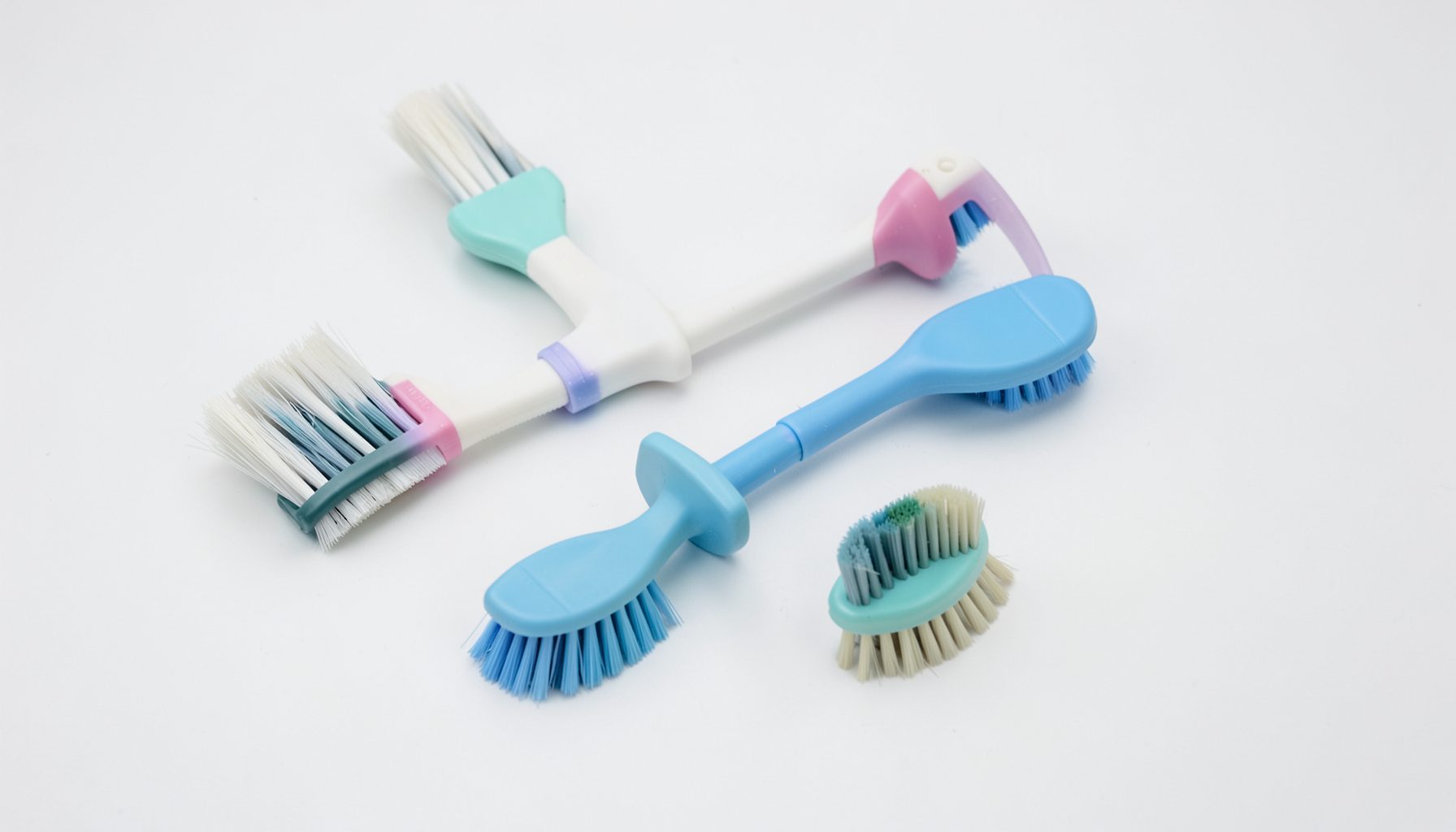
Switch nostrils and repeat. After use, rinse the bottle and let it air dry. Use ResQRinse Premium Cleaning Brushes for thorough cleaning.
Isotonic and hypertonic saline solutions for nasal rinsing
Saline nasal rinses can loosen mucus, wash away airborne particles, and moisturize irritated nasal passages. The solution inside the bottle matters, however. Isotonic and hypertonic saline are both made from salt and water, yet their different concentrations create different effects in the nose.
Understanding the difference between isotonic and hypertonic saline solutions makes it easier to choose a rinse that matches your symptoms and comfort preferences. Isotonic formulas are generally gentle and suitable for routine use, while hypertonic formulas may be useful when swollen nasal tissue is making breathing difficult.
A nasal irrigation system such as ResQRinse can deliver either type of saline solution through a controlled stream. Following the correct mixing instructions, using safe water, and keeping the device clean are essential parts of a comfortable routine.
What saline concentration means
“Isotonic” describes a saline solution with a salt concentration close to that of the body’s own fluids. Standard isotonic saline contains approximately 0.9% sodium chloride. Because its concentration is similar to the fluid surrounding nasal cells, it tends to feel mild and balanced during irrigation.
“Hypertonic” saline contains more salt than the body’s natural fluids. Many nasal rinse formulas fall somewhere between 1.5% and 3% salt, depending on the product and intended use. The higher concentration changes how water moves around swollen nasal tissues.
A useful overview of saline rinse differences can help explain why the same nasal irrigation method may feel different when the salt level changes. Salt concentration influences comfort, drainage, and the sensation of pressure during and after a rinse.
How isotonic saline supports daily comfort
Isotonic saline is often the best starting point for people who want routine nasal hygiene. It can rinse out pollen, dust, smoke particles, and thickened mucus without creating a strong salty sensation. Many users choose it during allergy season, dry weather, travel, or exposure to indoor heating and air conditioning.
Because isotonic solution is relatively gentle, it may be appropriate for frequent use when prepared and used according to product directions. It can help maintain moisture in the nasal lining, which supports the nose’s natural filtering function. It does not contain decongestant medication, so it is not associated with the rebound congestion that can occur with overuse of certain medicated sprays.
Comfort still depends on more than concentration. Water temperature, mixing accuracy, the force of the squeeze, and the condition of the nasal passages all affect the experience. A soft stream and a well-fitting seal can make irrigation feel smoother and reduce leaking around the nostrils. ResQRinse describes its design and Nasal Lock technology for users who want a more controlled alternative to an open neti pot.
When hypertonic saline may be useful
Hypertonic saline may be helpful when congestion is connected to swollen nasal tissue. Its higher salt concentration draws water out of the surface tissues through osmosis, which can temporarily reduce puffiness and create more room for airflow. This effect is sometimes called an osmotic decongestant action.
People may consider a hypertonic rinse during a period of heavy congestion, sinus pressure, or thick mucus. It can also support mechanical cleansing by helping loosen secretions so they are easier to flush away. The solution does not treat the underlying cause of every sinus symptom, and relief can vary from person to person.
The tradeoff is that hypertonic saline may sting, burn, or leave the nose feeling dry, particularly when the nasal lining is already irritated. A stronger solution is not automatically better. If discomfort persists, switching to isotonic saline or taking a break may be more appropriate. Anyone with frequent sinus infections, recurrent nosebleeds, recent nasal surgery, or significant nasal pain should seek medical guidance before changing a rinse routine.
Comparing the two saline options
The right choice depends on the goal of irrigation, the sensitivity of the nasal passages, and how often the rinse will be used. Isotonic solution generally emphasizes balance and comfort. Hypertonic solution emphasizes a stronger osmotic effect for temporary relief from tissue swelling.
| Feature | Isotonic saline | Hypertonic saline |
|---|---|---|
| Approximate salt level | About 0.9% | Above 0.9%, commonly 1.5%–3% |
| Primary purpose | Gentle cleansing and moisture support | Congestion relief and reduction of tissue swelling |
| Typical sensation | Mild, balanced, and comfortable | Saltier and potentially more intense |
| Best suited to | Regular rinsing, allergies, dryness, and routine hygiene | Short-term congestion, pressure, and swollen nasal passages |
| Possible drawback | May feel less powerful during severe congestion | Can cause stinging or dryness |
| Frequency consideration | Often suitable for routine use when directions are followed | Use according to product instructions and personal tolerance |
Neither solution should be mixed by guessing. Too little salt can make a rinse feel uncomfortable, while too much may increase burning and dryness. Use premeasured saline packets whenever possible, and follow the package instructions for the exact volume of water.
Safe and comfortable nasal irrigation habits
Safe water is one of the most important parts of nasal rinsing. Use distilled or sterile water, or tap water that has been boiled and cooled according to public health guidance. Do not use untreated water directly from the faucet, because organisms that are harmless when swallowed can be dangerous if they enter the nasal passages.
Clean the bottle, nozzle, and any included components after each use. Allow them to dry fully in a clean area, and replace parts when they become worn, cracked, or difficult to clean. A cleaning brush can help reach internal surfaces where residue may collect. Never share a nasal rinse device with another person.
A comfortable technique also matters:
- Begin with an isotonic solution if you are new to nasal irrigation or have sensitive nasal passages.
- Use lukewarm water and dissolve the full saline packet before rinsing.
- Lean forward over a sink, keep the mouth open, and breathe through it during the rinse.
- Apply gentle, steady pressure rather than forcing fluid through a blocked nose.
- Stop if you experience sharp pain, persistent ear pressure, significant bleeding, or worsening symptoms.
If a child will use a nasal rinse, choose an age-appropriate system and provide close adult supervision. Children may need a gentler flow and simple instructions so they do not squeeze too forcefully or swallow the solution.
Choosing a saline routine for changing symptoms
Allergies, colds, dry air, and sinus irritation do not always produce the same type of congestion. A clear, seasonal allergy pattern may respond well to gentle isotonic irrigation that removes pollen and supports moisture. Thick mucus and marked swelling may lead some adults to prefer hypertonic saline for a limited period.
Hydration also affects how thick nasal secretions feel. Drinking enough fluids and maintaining indoor humidity can complement irrigation, although hydration cannot replace medical treatment when an infection or other condition is present. These hydration tips for rinsing explain why fluid balance and preparation can influence the overall experience.
A complete kit with a squeeze bottle and premeasured saline packets can simplify the process, especially for people who want consistent concentration. Nasal mist may be more convenient for quick moisture support when a full rinse is not practical, while a bottle rinse generally provides more thorough flushing of mucus and particles.
Pay attention to how your nose responds. Mild, short-lived tingling may occur with a stronger solution, but repeated burning, dryness, or bleeding is a reason to stop and reassess. Symptoms lasting more than several days, high fever, severe facial pain, or breathing difficulty warrant professional evaluation rather than continued self-care alone.
Making an informed choice
Isotonic and hypertonic saline serve different purposes within nasal care. Isotonic saline offers a balanced option for cleansing and regular moisture support, while hypertonic saline may temporarily reduce congestion caused by swollen nasal tissue. Neither is universally superior, and comfort is an important measure of whether a formula suits you.
For many households, keeping isotonic packets available for everyday use and choosing a hypertonic option only when stronger congestion relief is needed provides flexibility. Whichever formula you use, accurate mixing, safe water, gentle technique, and careful device cleaning help make nasal irrigation more reliable.
Choose the saline concentration that fits your symptoms and sensitivity, prepare it exactly as directed, and use a clean ResQRinse system for a controlled rinse. With consistent safe habits, nasal irrigation can become a practical part of allergy-season care, dry-air relief, and everyday sinus comfort.