ResQRinse is the nasal irrigation squeeze bottle that eliminates head-tilting and awkward neck positions. Using proprietary Nasal Lock™ technology, it delivers a comfortable, gag-free sinus cleanse — no more saline dripping down your throat.

Relief From Fall Sneezes
Now sold on Walmart.com. Free shipping on orders $30+. Try ResQRinse today with your everyday purchases.
Shop at WalmartWhy ResQRinse?
Nasal rinsing helps relieve congestion from colds, allergies, sinusitis, hay fever, and environmental pollutants. ResQRinse makes it comfortable enough to become a daily habit.
Nasal Lock™ Technology
Isolates sinuses from the throat using natural choanal occlusion — like inflating a balloon — so saline stays where it belongs.
Learn more →
Drug-Free Relief
Uses premixed saline packets with distilled water. No medications, no preservatives — just a natural cleanse for your nasal passages.
How to rinse →
For Kids Too
ResQRinse for Kids features a comfort nasal tip right-sized for smaller nostril openings, making rinsing gentle and easy for children.
Shop kids' version →
Breath-Controlled Flow
You control the saline flow with your own breath pressure — high volume, low pressure irrigation that's comfortable and effective.
Watch how-to videos →
Better Compliance
Designed to overcome the gagging and discomfort that cause people to abandon traditional neti pots and nasal rinse systems.
Our story →
Complete Kits Available
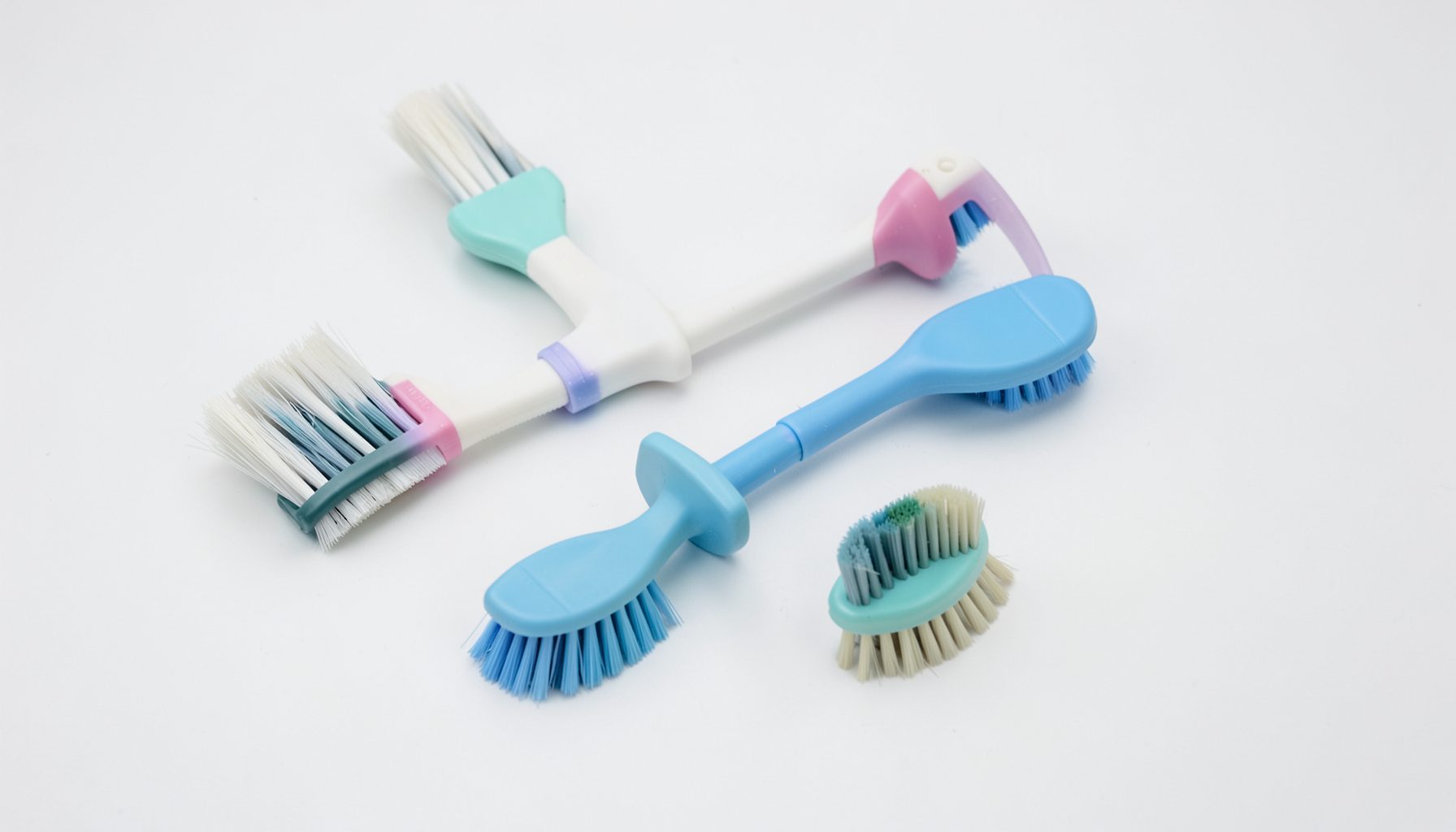
From the basic ResQRinse Nasal Rinse System ($19.99) to 90-day complete kits, saline packets, cleaning brushes, and Sinoptim Nasal Mist.
Browse all products →Get Started with ResQRinse
Ready to experience a better nasal rinse? Fill out the form below and we'll help you find the right product — or follow the simple steps to begin rinsing today.
Request More Information
How to Use ResQRinse
Fill the Bottle
Fill the ResQRinse squeeze bottle with distilled or previously boiled water and add one premixed saline packet.
Position the Tip
Place the comfort tip gently against one nostril. No head-tilting or awkward neck angles needed.
Squeeze & Breathe
Squeeze the bottle gently while breathing through your mouth. Nasal Lock™ keeps saline in your nasal passages and out of your throat.
Repeat & Clean
Switch nostrils and repeat. After use, rinse the bottle and let it air dry. Use ResQRinse Premium Cleaning Brushes for thorough cleaning.
Why Hydration Matters for Effective Nasal Rinsing
A nasal rinse works by moving a saline solution through the nasal passages to loosen mucus, wash away allergens, and support clearer breathing. The process is simple, but comfort and results depend on more than the device itself. Adequate moisture in the nasal lining helps the solution flow smoothly and reduces the dry, tight feeling that can make rinsing unpleasant.
Hydration has two related meanings in this routine. It refers to drinking enough fluids to support the body’s normal moisture balance, and it refers to using a properly prepared rinse solution that keeps nasal tissue comfortable. Both matter when congestion, seasonal allergies, sinus pressure, or indoor dryness affect the nose.
A well-hydrated approach does not mean using plain tap water or making a stronger saline mixture. Safe water, the correct amount of salt, and a gentle technique are essential. When those details are in place, nasal irrigation can become a consistent part of daily sinus care rather than a remedy used only when symptoms peak.
How moisture affects the nasal passages
The inside of the nose is covered by a delicate mucous membrane. This tissue warms and humidifies incoming air while trapping dust, pollen, and other particles. When the nasal lining has enough moisture, mucus tends to remain mobile and can be cleared more easily through blowing, drainage, or rinsing.
Dehydration, dry indoor air, heating systems, air conditioning, and some medications can make nasal secretions thicker. Thick mucus may cling to the nasal walls and contribute to a blocked or heavy feeling. A saline rinse can help loosen it, but the rinse is more comfortable when the tissue is not already severely dried out.
Drinking fluids supports overall hydration, though it is not an instant fix for nasal congestion. Water reaches the body through digestion and circulation, while a rinse directly moistens and cleans the nasal passages. These approaches work together: regular fluid intake supports normal mucus consistency, and irrigation provides local cleansing when the nose needs additional help.
Saline balance is as important as water
The rinse solution must contain the right concentration of salt. A properly mixed isotonic saline solution is designed to be closer to the body’s natural salt balance, which generally makes it more comfortable than plain water. Plain water can sting because it does not match the concentration of fluids around nasal cells.
A solution that is too salty may also cause burning, dryness, or irritation. Measuring a prepared saline packet according to the product directions helps maintain consistency from one rinse to the next. Packets are especially useful because they reduce guesswork and typically contain the appropriate blend of salts for the recommended volume of water.
Water temperature affects the experience as well. Lukewarm or room-temperature water is usually more comfortable than very cold or hot water. Hot water can injure sensitive tissue, while cold water may trigger discomfort. Always follow the device instructions and avoid improvising with ingredients such as essential oils, soaps, or homemade additives.
Choose safe water for every rinse
Water safety is a central part of nasal irrigation because the solution enters areas that are not protected in the same way as the digestive tract. Use distilled or sterile water, or use tap water that has been boiled and cooled according to recognized public health guidance. Do not use untreated water from a faucet, stream, lake, or well unless it has been appropriately treated.
A clean bottle is also part of hydration hygiene. Rinse the device after use, allow it to air-dry fully, and follow the manufacturer’s cleaning instructions. Residual moisture inside a closed bottle can encourage microbial growth. Cleaning brushes and replacement parts can help reach narrow areas that are difficult to wash by hand.
People with frequent nosebleeds, recent nasal surgery, severe pain, fever, or symptoms that persist should seek medical advice. A healthcare professional can help determine whether irrigation is appropriate and identify causes that require different treatment. A rinse should feel gentle; sharp pain, significant bleeding, or worsening symptoms are reasons to stop and obtain guidance.
Water, saline, and device choices
Different nasal irrigation options can support the same basic goal, but the experience varies with the container, flow control, and preparation method. A squeeze bottle may offer more control than a traditional neti pot, while a nasal mist can provide light moisture when a full rinse is unnecessary. Children may need a specially sized product and close adult supervision.
The following comparison can help clarify how each element contributes to comfort and effective cleansing:
| Rinsing element | How it supports hydration | What to watch for |
|---|---|---|
| Distilled or sterile water | Provides a safe liquid base for the saline solution | Do not substitute untreated tap or outdoor water |
| Boiled and cooled water | Offers an alternative when distilled water is unavailable | Cool it fully and follow reliable boiling guidance |
| Saline packet | Helps maintain a comfortable salt concentration | Use the correct packet-to-water ratio |
| Lukewarm solution | Feels gentler on sensitive nasal tissue | Avoid hot or very cold water |
| Squeeze-bottle system | Helps direct a controlled flow through the nose | Use gentle pressure rather than force |
| Nasal mist | Adds light moisture without a full nasal wash | It may not remove thick mucus or allergens as thoroughly |
For people who want step-by-step details about preparation, cleaning, and use, the ResQRinse rinse information explains the system and its Nasal Lock technology. Following the instructions for the specific bottle matters because water volume, packet size, and flow design can differ between products.
Build hydration into your rinse routine
Timing can influence comfort. Many people prefer to rinse when they are not rushed, such as during a morning or evening hygiene routine. Drinking fluids regularly throughout the day may be more helpful than consuming a large amount immediately before irrigation. If the room feels dry, a humidifier, adequate ventilation, and avoiding direct exposure to heated air may also support nasal comfort.
Begin with a clean device and freshly prepared solution. Lean over a sink, breathe through the mouth, and allow the solution to pass without force. Afterward, let the nose drain naturally and blow gently if needed. Blowing hard can place pressure on the ears or irritate already sensitive tissue.
The ideal frequency depends on symptoms, environment, and professional advice. During allergy season or a respiratory illness, some people may benefit from more regular cleansing, while daily rinsing may be unnecessary when the nose feels comfortable. Overuse or poorly mixed saline can contribute to dryness, so comfort should guide the routine.
Practical habits for comfortable nasal care
- Drink fluids consistently during the day to support normal mucus moisture and overall hydration.
- Use distilled, sterile, or properly boiled and cooled water every time you prepare a rinse.
- Mix saline packets exactly as directed instead of estimating salt or using plain water.
- Choose lukewarm solution and gentle pressure, stopping if you experience pain, bleeding, or ear pressure.
- Clean, dry, and store the bottle properly after each use, replacing parts as recommended.
A complete rinse kit can make these habits easier by keeping the bottle, saline packets, and care accessories together. Families should select an age-appropriate option for children and supervise use closely. A child who cannot reliably follow breathing and positioning instructions may need a different form of moisture support, such as a nasal mist, with guidance from a pediatric healthcare professional.
For adults comparing bottle systems, children’s versions, saline packets, cleaning brushes, and nasal mist, the ResQRinse product range offers options designed around different nasal care needs. The important choice is the one that encourages safe preparation, comfortable flow, and consistent cleaning.
Make hydration part of better sinus care
Effective nasal rinsing depends on a balanced combination of safe water, correctly measured saline, moist nasal tissue, and a clean device. Drinking enough fluids can support the body’s natural mucus clearance, while irrigation helps wash away accumulated mucus, pollen, dust, and other irritants at the source.
Start with the basics: prepare the solution safely, keep it comfortably warm, use gentle pressure, and pay attention to how your nose responds. With a reliable routine and the right equipment, hydration becomes more than a general wellness goal—it becomes a practical part of comfortable nasal care. Explore a suitable ResQRinse system and make safe, soothing rinsing a regular part of your daily routine.