ResQRinse is the nasal irrigation squeeze bottle that eliminates head-tilting and awkward neck positions. Using proprietary Nasal Lock™ technology, it delivers a comfortable, gag-free sinus cleanse — no more saline dripping down your throat.

Relief From Fall Sneezes
Now sold on Walmart.com. Free shipping on orders $30+. Try ResQRinse today with your everyday purchases.
Shop at WalmartWhy ResQRinse?
Nasal rinsing helps relieve congestion from colds, allergies, sinusitis, hay fever, and environmental pollutants. ResQRinse makes it comfortable enough to become a daily habit.
Nasal Lock™ Technology
Isolates sinuses from the throat using natural choanal occlusion — like inflating a balloon — so saline stays where it belongs.
Learn more →
Drug-Free Relief
Uses premixed saline packets with distilled water. No medications, no preservatives — just a natural cleanse for your nasal passages.
How to rinse →
For Kids Too
ResQRinse for Kids features a comfort nasal tip right-sized for smaller nostril openings, making rinsing gentle and easy for children.
Shop kids' version →
Breath-Controlled Flow
You control the saline flow with your own breath pressure — high volume, low pressure irrigation that's comfortable and effective.
Watch how-to videos →
Better Compliance
Designed to overcome the gagging and discomfort that cause people to abandon traditional neti pots and nasal rinse systems.
Our story →
Complete Kits Available
From the basic ResQRinse Nasal Rinse System ($19.99) to 90-day complete kits, saline packets, cleaning brushes, and Sinoptim Nasal Mist.
Browse all products →Get Started with ResQRinse
Ready to experience a better nasal rinse? Fill out the form below and we'll help you find the right product — or follow the simple steps to begin rinsing today.
Request More Information
How to Use ResQRinse
Fill the Bottle
Fill the ResQRinse squeeze bottle with distilled or previously boiled water and add one premixed saline packet.
Position the Tip
Place the comfort tip gently against one nostril. No head-tilting or awkward neck angles needed.
Squeeze & Breathe
Squeeze the bottle gently while breathing through your mouth. Nasal Lock™ keeps saline in your nasal passages and out of your throat.
Repeat & Clean
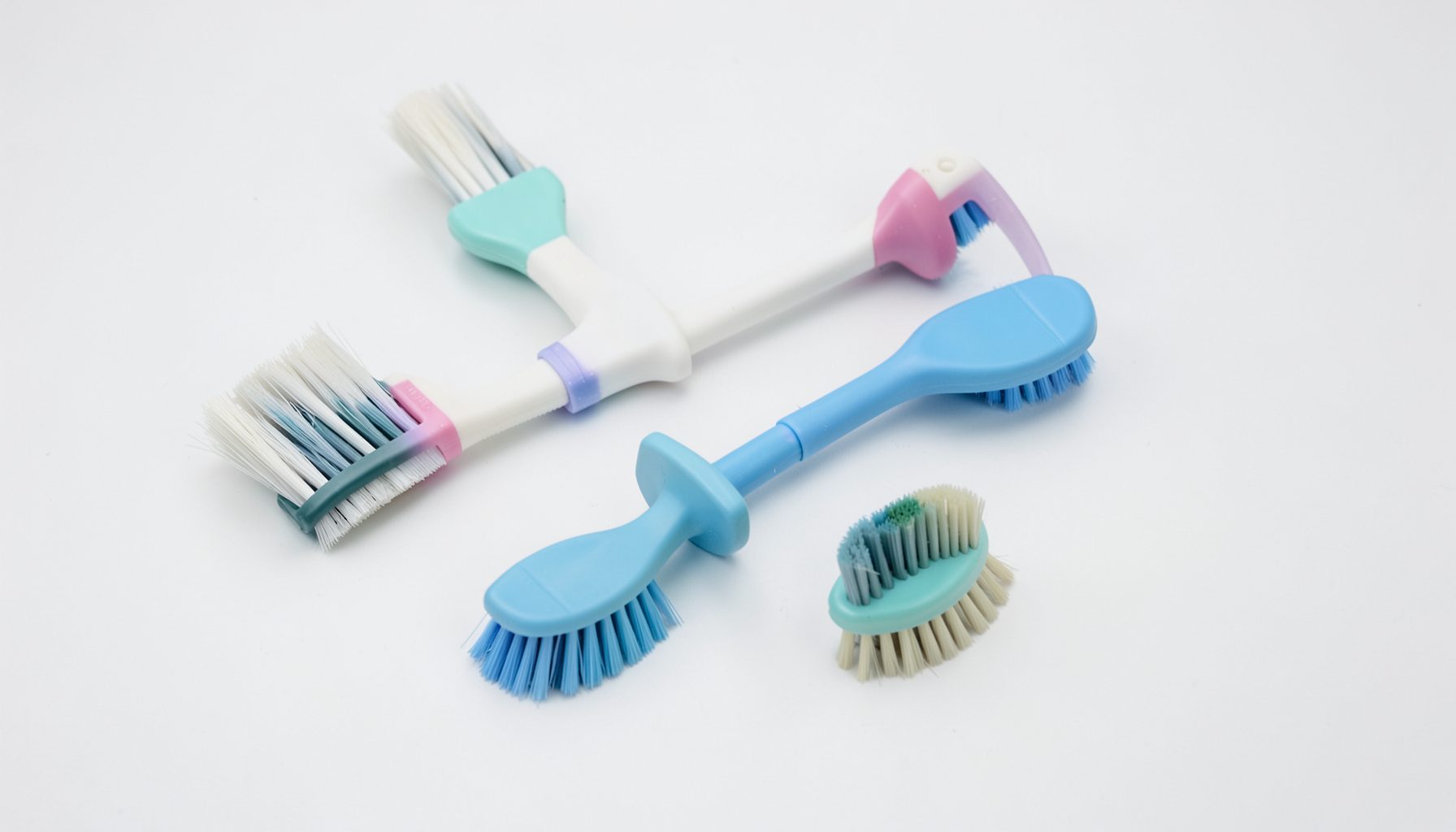
Switch nostrils and repeat. After use, rinse the bottle and let it air dry. Use ResQRinse Premium Cleaning Brushes for thorough cleaning.
Choosing the Right Nasal Rinse Pressure for Comfortable Relief
Nasal irrigation can loosen thick mucus, wash away airborne particles and soothe irritated nasal passages. The sensation depends greatly on how water moves through the nose. A gentle stream feels controlled and calming, while a high-pressure rinse creates a faster, stronger flow that may feel useful when congestion is stubborn.
Neither setting is automatically best for every person. The right choice depends on the cause of the blockage, the condition of the nasal lining, the design of the rinse system and the user’s technique. Pressure should help saline travel through the nasal passages without causing pain, ear pressure or a lingering burning sensation.
For people in Australia, nasal symptoms may change with Sydney pollen seasons, Melbourne’s cool dry weather, Brisbane humidity, Perth dust or time spent in heavily chlorinated swimming pools. Understanding the difference between mild flow and forceful irrigation makes it easier to choose a comfortable routine for adults and children.
How A Gentle Stream Works
A gentle nasal rinse delivers saline at a steady, moderate pace. It is generally suitable for everyday cleansing, mild congestion, seasonal allergies and people who are new to nasal irrigation. The stream can soften crusting and thin mucus without creating a forceful sensation in the nose or ears.
This approach is often preferable when the nasal lining feels dry, inflamed or sensitive. It can also be a better starting point after exposure to dust, smoke or pollen, when the goal is to wash irritants away rather than push aggressively against swollen tissue.
A squeeze bottle with controlled flow can provide a more predictable experience than tipping a traditional neti pot. Features such as ResQRinse’s Nasal Lock technology are designed to help keep the nozzle positioned comfortably while reducing leaks around the nostril.
When A Stronger Flow May Help
A higher-pressure rinse can be useful when mucus is dense, congestion is substantial or the nose feels blocked after a cold. The stronger stream may help saline reach further through the nasal passages and dislodge material that a very light flow does not shift.
Force is not a substitute for correct technique. Squeezing too hard can cause discomfort, make the ears feel blocked or send saline towards the throat at an unpleasant speed. A congested nose may also be swollen enough that increasing pressure only creates resistance rather than better cleansing.
Saline concentration matters as much as water flow. If symptoms are persistent, some people may need guidance on adjusting the salt level; ResQRinse explains saline concentration choices without treating a stronger mixture as a universal solution.
Pressure And Sensitive Nasal Passages
Pain, sharp stinging, ear fullness or bleeding are signs to stop and reassess the rinse. These sensations can occur when the water is too cold, the saline is mixed incorrectly, the bottle is squeezed too firmly or the nasal passages are especially irritated.
People with frequent nosebleeds, recent nasal surgery, severe blockage or ongoing ear problems should seek advice from a GP, pharmacist or ENT specialist before using forceful irrigation. A gentle stream may still be unsuitable until the underlying issue has been assessed.
Anyone managing hypertension may also be cautious about health products and medication information. General material such as this hypertension medication guide should not be treated as personalised advice, and nasal rinsing should never replace a clinician’s instructions or prescribed treatment.
Water Safety And Saline Preparation
Only use water that is distilled, sterile or boiled and cooled according to public health guidance. Tap water quality varies by location and household plumbing, so drinking water should not automatically be assumed safe for nasal irrigation. This matters in every Australian state, including homes supplied by treated municipal water.
Use the saline sachets recommended for the device and follow the stated volume. Plain water can sting because it does not match the natural salt balance of nasal tissue. Excessively salty water can also feel harsh, especially when the lining is already dry.
Prepare a fresh solution for each rinse and discard leftovers. Keeping the bottle clean is equally important: rinse it after use, allow it to air-dry fully and use a cleaning brush where the manufacturer recommends. Regular cleaning helps prevent residue and microbial growth.
Rinsing After Swimming And Outdoor Exposure
Swimmers may notice congestion after spending time in pools because chlorine and other irritants can dry the nasal lining. A controlled rinse can help wash away chlorine residue, mucus and environmental particles after training or recreation. The guidance on clearing chlorine and pollen is especially relevant for regular swimmers.
A gentle stream is usually a comfortable first option after a pool session. It can remove surface irritants without adding another strong sensation to tissue that has already been exposed to chemicals. If mucus is thick, a slightly firmer flow may be appropriate, provided it remains comfortable.
This can be useful for Australians who swim outdoors in Brisbane, the Gold Coast or Perth, where pools and coastal air may expose the nose to a mixture of chlorine, salt, pollen and dust. Rinsing should support comfort rather than become an overly forceful daily habit.
Choosing A System For Children
Children often tolerate a soft, predictable stream better than a high-pressure spray. A child-sized system can make positioning easier and reduce the temptation to squeeze too hard. Adult supervision is important, particularly while a child is learning to breathe through the mouth during the rinse.
Never force irrigation when a child is frightened, crying or unable to follow instructions. Stop if there is ear pain, significant discomfort or bleeding, and speak with a healthcare professional when congestion is persistent or affects sleep and hearing.
Parents should also explain that a rinse is not a toy and should not be shared between family members. A separate child’s bottle, properly labelled and cleaned, supports better hygiene. In Australian households, this is particularly practical during winter cold season when siblings may be passing infections around the home.
Making The Flow Comfortable
Body position has a major effect on pressure. Leaning forward over a sink, turning the head slightly to one side and breathing through the mouth helps saline move through the nose and drain into the basin. Keeping the mouth open can reduce the sensation of pressure in the ears.
Begin with a low squeeze and increase only if the flow feels comfortable. The aim is a continuous rinse, not a powerful jet. If saline repeatedly runs down the throat, adjust the angle and breathing before applying more force.
The nozzle should sit gently at the nostril rather than being pushed deeply inside. After rinsing, blow the nose softly, one side at a time. Vigorous nose-blowing immediately afterwards can recreate the pressure that the rinse was intended to relieve.
Cleaning, Storage And Everyday Use
A rinse system works best when it becomes a simple, hygienic routine. Wash removable parts as directed, inspect the nozzle and bottle for residue, and let every component dry completely before reassembly. Replace parts when the manufacturer recommends it or when cracks, clouding or wear appear.
People who use nasal irrigation frequently may also pay closer attention to connected hygiene habits, such as handwashing and oral care. General oral care guidance can complement a broader household hygiene routine, although it does not replace specific instructions for cleaning a nasal irrigation device.
Keep saline sachets dry and check their expiry dates. Store the system away from direct sunlight and avoid leaving mixed saline in a warm bathroom. A clean, correctly prepared bottle is more important than choosing the strongest available flow.
For Australians buying online through Amazon or Walmart listings, check that the kit includes the correct sachets, bottle size and cleaning accessories, and confirm delivery and product instructions before use. A complete kit can be more convenient than assembling compatible parts from different sources.
A gentle stream is usually the best starting point for daily relief, sensitive noses, children and post-swimming cleansing. A stronger rinse may have a place when mucus is thick or congestion is persistent, but increased pressure should never be used to overcome pain or a completely blocked passage.
Choose a ResQRinse system that matches the user’s age, symptoms and comfort level, then follow the water-safety, preparation and cleaning instructions every time. Used with measured pressure, nasal irrigation can become a practical part of managing congestion and allergy discomfort at home.