ResQRinse is the nasal irrigation squeeze bottle that eliminates head-tilting and awkward neck positions. Using proprietary Nasal Lock™ technology, it delivers a comfortable, gag-free sinus cleanse — no more saline dripping down your throat.

Relief From Fall Sneezes
Now sold on Walmart.com. Free shipping on orders $30+. Try ResQRinse today with your everyday purchases.
Shop at WalmartWhy ResQRinse?
Nasal rinsing helps relieve congestion from colds, allergies, sinusitis, hay fever, and environmental pollutants. ResQRinse makes it comfortable enough to become a daily habit.
Nasal Lock™ Technology
Isolates sinuses from the throat using natural choanal occlusion — like inflating a balloon — so saline stays where it belongs.
Learn more →
Drug-Free Relief
Uses premixed saline packets with distilled water. No medications, no preservatives — just a natural cleanse for your nasal passages.
How to rinse →
For Kids Too
ResQRinse for Kids features a comfort nasal tip right-sized for smaller nostril openings, making rinsing gentle and easy for children.
Shop kids' version →
Breath-Controlled Flow
You control the saline flow with your own breath pressure — high volume, low pressure irrigation that's comfortable and effective.
Watch how-to videos →
Better Compliance
Designed to overcome the gagging and discomfort that cause people to abandon traditional neti pots and nasal rinse systems.
Our story →
Complete Kits Available
From the basic ResQRinse Nasal Rinse System ($19.99) to 90-day complete kits, saline packets, cleaning brushes, and Sinoptim Nasal Mist.
Browse all products →Get Started with ResQRinse
Ready to experience a better nasal rinse? Fill out the form below and we'll help you find the right product — or follow the simple steps to begin rinsing today.
Request More Information
How to Use ResQRinse
Fill the Bottle
Fill the ResQRinse squeeze bottle with distilled or previously boiled water and add one premixed saline packet.
Position the Tip
Place the comfort tip gently against one nostril. No head-tilting or awkward neck angles needed.
Squeeze & Breathe
Squeeze the bottle gently while breathing through your mouth. Nasal Lock™ keeps saline in your nasal passages and out of your throat.
Repeat & Clean
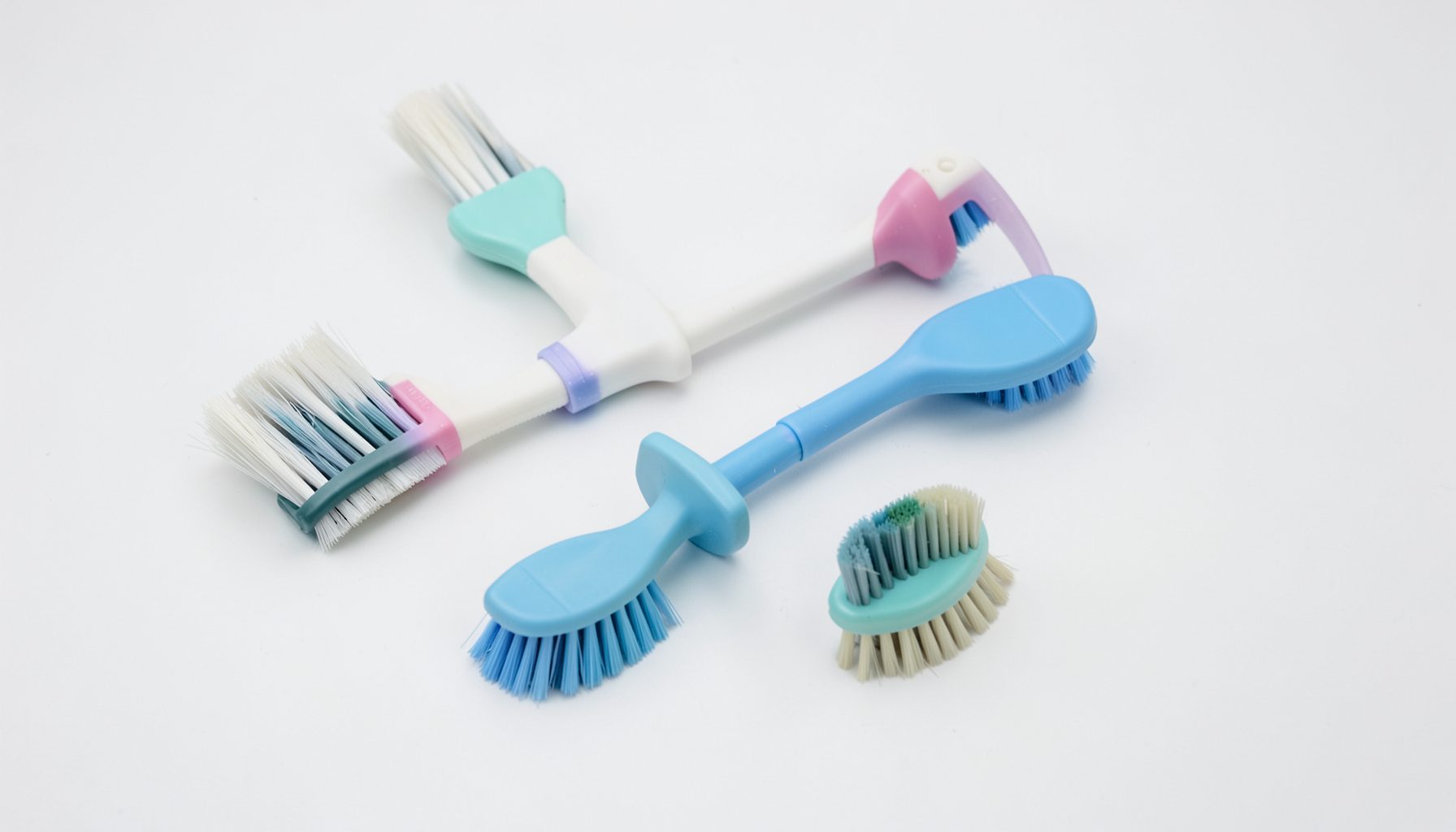
Switch nostrils and repeat. After use, rinse the bottle and let it air dry. Use ResQRinse Premium Cleaning Brushes for thorough cleaning.
Nasal Rinse for Swimmers: Clearing Chlorine and Pollen
Swimming can leave your nose feeling dry, blocked, or unusually sensitive. Chlorinated pool water, airborne disinfectant byproducts, and repeated exposure to moisture may irritate the nasal lining. Outdoor swimmers can also encounter grass pollen, mold spores, dust, and other particles that make breathing less comfortable after practice.
A gentle saline rinse can help flush away residue and allergens before they remain in contact with nasal tissues for hours. It may be useful after pool sessions, open-water swims, or outdoor training, especially during seasonal allergy periods. The goal is not to force water deep into the sinuses, but to support natural cleansing with a comfortable, properly prepared saline solution.
ResQRinse offers squeeze-bottle systems, children’s options, saline packets, cleaning brushes, and nasal mist for different routines. Understanding when to rinse, how to prepare the water, and which technique feels comfortable can make nasal irrigation a practical part of post-swim care.
Why Swimming Can Irritate The Nose
Pool chemicals are used to control microorganisms, but chlorine and chloramines may irritate the eyes, throat, and nasal passages. Chloramines form when chlorine reacts with organic material such as sweat or skin cells. Indoor pools with poor ventilation may have a stronger chemical odor, and frequent swimmers can notice dryness, congestion, sneezing, or a burning sensation.
The issue is usually irritation rather than chlorine being trapped permanently inside the sinuses. A saline rinse can help wash away surface residue and thick mucus while adding moisture to nasal tissues. It may also clear particles carried into the nose during outdoor swimming, including pollen near lakes, rivers, beaches, and fields.
Swimmers with allergies may experience a combination of triggers. Chlorine-related dryness can make the nose feel more reactive, while pollen or mold can stimulate an allergic response. Rinsing after exposure may reduce the amount of material left behind, though it does not replace allergy treatment prescribed by a healthcare professional.
How Saline Rinsing Supports Clear Breathing
A nasal rinse uses a saline solution to move fluid through one nostril and out the other, carrying mucus and loose particles with it. When the solution has the right salt concentration, it can feel gentler than plain water. Saline also helps prevent the stinging that may occur when water does not match the natural balance of nasal tissues.
For swimmers, timing matters. Rinsing soon after leaving the pool can remove surface irritants before they dry into thicker mucus. A rinse after an outdoor swim may also clear pollen and dust. Some people prefer to rinse in the evening so the nose feels cleaner and more comfortable before sleep.
Nasal irrigation is different from spraying a small amount of mist into the nostrils. A rinse provides a larger flow for cleansing, while a nasal mist is convenient for light hydration during the day. A squeeze bottle can provide a controlled stream and may be easier for beginners than a traditional neti pot, particularly when the bottle includes features designed to help manage flow and positioning.
Selecting A Comfortable System
A swimmer-friendly nasal irrigation kit should be simple to fill, easy to grip, and straightforward to clean. A squeeze bottle allows the user to control pressure rather than relying on gravity alone. This can be helpful after exercise, when nasal passages feel tender or congested and a forceful stream would be uncomfortable.
ResQRinse’s product information explains its Nasal Lock technology, usage guidance, and product options. Features that help create a secure fit around the nostril can reduce leakage and make it easier to direct the saline solution through the nasal passages. A comfortable seal also encourages a relaxed technique instead of excessive squeezing.
Families may want separate bottles for different users, with child-sized options for age-appropriate routines. Saline packets simplify preparation by providing a measured blend, while a cleaning brush can help reach the inside of the bottle and nozzle. Nasal mist may suit swimmers who need quick moisture between practices but do not need a full rinse.
| Option | Useful For Swimmers | Main Consideration |
|---|---|---|
| Squeeze-bottle rinse | Post-pool cleansing, congestion, pollen removal | Use gentle pressure and correct saline |
| Children’s rinse system | Supervised care for younger users | Follow age guidance and teach calm breathing |
| Saline packets | Convenient, consistent preparation | Mix only with safe water |
| Cleaning brush | Regular bottle hygiene | Let components dry fully after washing |
| Nasal mist | Light hydration during the day | Does not provide the same flushing action as a rinse |
| Complete kit | New users who need several components | Check that the included size suits the swimmer |
Prepare Water And Use The Right Technique
Water safety is essential for nasal irrigation. Use distilled or sterile water, or tap water that has been boiled and cooled according to public health guidance. Do not use untreated tap water in a nasal rinse. Mix the water with the recommended saline packet or an accurately prepared saline formula, and follow the instructions supplied with the system.
Wash your hands before preparing the rinse. Lean over a sink, keep your mouth open, and breathe through your mouth while placing the nozzle gently against one nostril. Use light, steady pressure and allow the solution to flow out through the opposite nostril or mouth. Never force the bottle if the passage feels fully blocked or painful.
After rinsing, blow your nose gently, one side at a time. Avoid aggressive nose-blowing, which can increase pressure in the ears or sinuses. Rinse the bottle and nozzle as directed, wash removable parts, and allow them to air-dry completely. The brand’s care guidance can help users understand the purpose of the system and build consistent cleaning habits.
Fit Rinsing Into A Swim Routine
A post-swim rinse does not need to become a complicated ritual. Keep the system at home in a clean, accessible place, or prepare the components before leaving for practice. After showering and changing, rinse when breathing feels irritated or when the nose has been exposed to significant chlorine, pollen, or outdoor debris.
Some swimmers may benefit from rinsing once after a demanding session, while others may prefer a routine during high-pollen weeks. Frequent rinsing is not automatically better. If the nose becomes dry, sore, or irritated, reduce the frequency, check the saline concentration, and use gentler pressure. Nasal mist can provide additional moisture when a full rinse is unnecessary.
For open-water swimmers, rinse only after leaving the water and using safe, clean water for the solution. The water in a lake, river, or ocean should never be poured directly into a nasal irrigation device. Outdoor swimming can involve microorganisms, sediment, algae, and other contaminants that require careful avoidance.
Know When To Pause Or Seek Medical Advice
A saline rinse may be unsuitable when the nose is completely obstructed, bleeding frequently, or affected by significant pain. Stop if the process causes sharp discomfort, ear pressure, persistent burning, dizziness, or worsening symptoms. Mild temporary fullness can occur, but ongoing ear symptoms deserve medical attention.
Seek professional advice for fever, facial swelling, severe headache, foul-smelling discharge, breathing difficulty, or symptoms that persist after the suspected irritant is gone. People with recent nasal surgery, structural nasal problems, recurrent ear infections, or a weakened immune system should ask a clinician about safe irrigation practices before starting.
Nasal rinsing can support comfort, but it does not diagnose or cure every cause of congestion. Seasonal allergies may require avoidance measures or medication, and repeated symptoms after swimming may point to asthma, chronic rhinitis, infection, or another condition that needs evaluation.
Simple Habits For Cleaner Nasal Passages
A few consistent habits can make post-swim nasal care safer and easier:
- Rinse after exposure to heavily chlorinated pools or high-pollen outdoor environments.
- Use only sterile, distilled, or properly boiled and cooled water.
- Choose measured saline packets and avoid guessing the salt concentration.
- Clean, rinse, and air-dry every bottle component after use.
- Use gentle pressure and stop if pain, bleeding, or ear pressure develops.
Keep the system separate from shared bathroom items, and replace components according to the manufacturer’s instructions. A clean bottle and correctly prepared saline solution are just as important as the rinsing technique itself. Children should use an appropriate product under adult supervision and should never be pressured to continue if the process feels frightening or painful.
For swimmers who regularly deal with chlorine dryness, seasonal allergies, or post-training congestion, a properly used nasal rinse can become a useful part of recovery. Explore the ResQRinse range through its online retail partners, choose the format that fits your routine, and make safe nasal cleansing part of your after-swim care.