ResQRinse is the nasal irrigation squeeze bottle that eliminates head-tilting and awkward neck positions. Using proprietary Nasal Lock™ technology, it delivers a comfortable, gag-free sinus cleanse — no more saline dripping down your throat.

Relief From Fall Sneezes
Now sold on Walmart.com. Free shipping on orders $30+. Try ResQRinse today with your everyday purchases.
Shop at WalmartWhy ResQRinse?
Nasal rinsing helps relieve congestion from colds, allergies, sinusitis, hay fever, and environmental pollutants. ResQRinse makes it comfortable enough to become a daily habit.
Nasal Lock™ Technology
Isolates sinuses from the throat using natural choanal occlusion — like inflating a balloon — so saline stays where it belongs.
Learn more →
Drug-Free Relief
Uses premixed saline packets with distilled water. No medications, no preservatives — just a natural cleanse for your nasal passages.
How to rinse →
For Kids Too
ResQRinse for Kids features a comfort nasal tip right-sized for smaller nostril openings, making rinsing gentle and easy for children.
Shop kids' version →
Breath-Controlled Flow
You control the saline flow with your own breath pressure — high volume, low pressure irrigation that's comfortable and effective.
Watch how-to videos →
Better Compliance
Designed to overcome the gagging and discomfort that cause people to abandon traditional neti pots and nasal rinse systems.
Our story →
Complete Kits Available
From the basic ResQRinse Nasal Rinse System ($19.99) to 90-day complete kits, saline packets, cleaning brushes, and Sinoptim Nasal Mist.
Browse all products →Get Started with ResQRinse
Ready to experience a better nasal rinse? Fill out the form below and we'll help you find the right product — or follow the simple steps to begin rinsing today.
Request More Information
How to Use ResQRinse
Fill the Bottle
Fill the ResQRinse squeeze bottle with distilled or previously boiled water and add one premixed saline packet.
Position the Tip
Place the comfort tip gently against one nostril. No head-tilting or awkward neck angles needed.
Squeeze & Breathe
Squeeze the bottle gently while breathing through your mouth. Nasal Lock™ keeps saline in your nasal passages and out of your throat.
Repeat & Clean
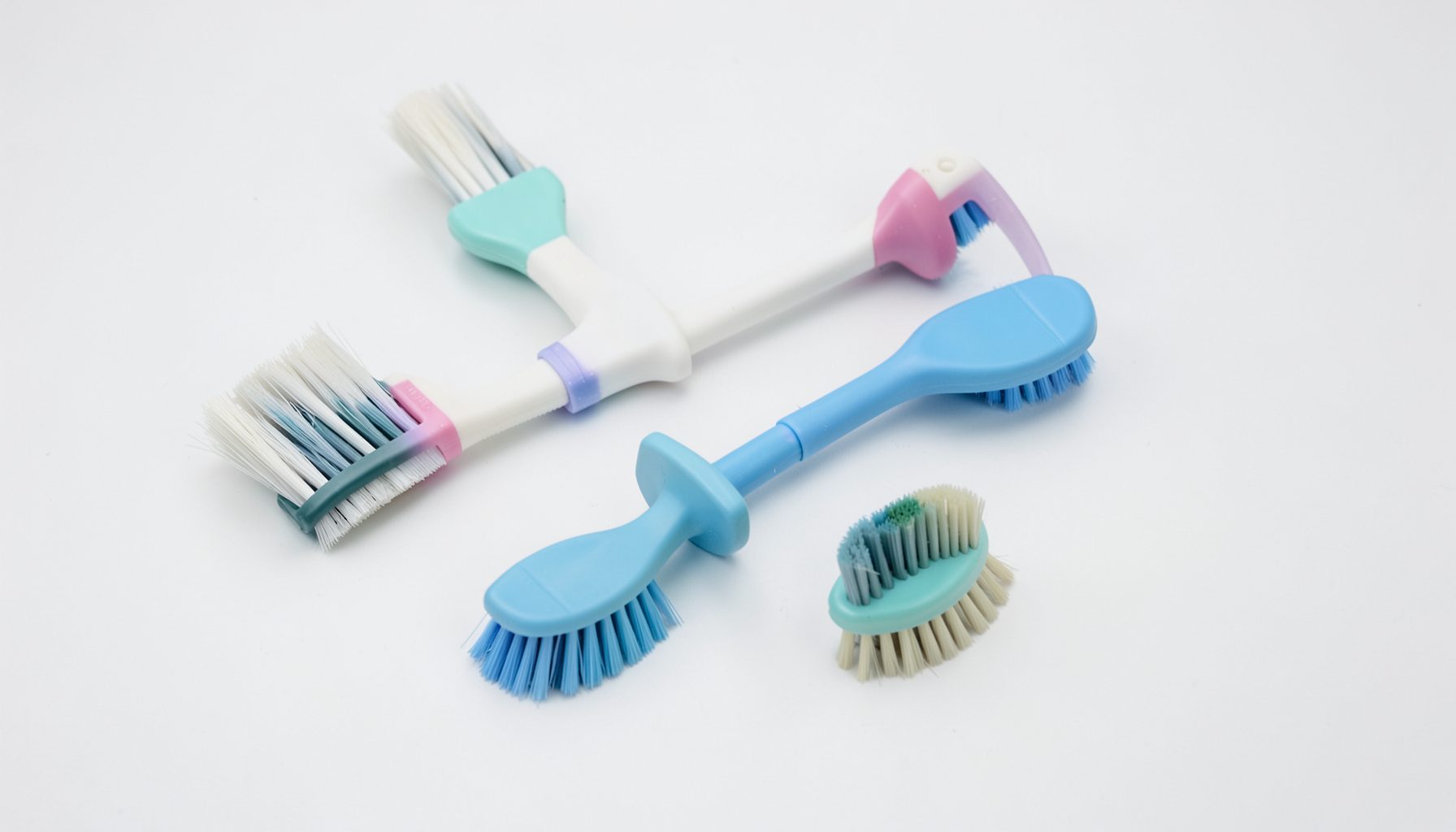
Switch nostrils and repeat. After use, rinse the bottle and let it air dry. Use ResQRinse Premium Cleaning Brushes for thorough cleaning.
Can You Share a Nasal Rinse Bottle With Family
A nasal rinse bottle may look like a simple household item, but it comes into contact with mucus, saliva, bacteria, and other microorganisms during use. For that reason, sharing one squeeze bottle between family members is generally not recommended, even when everyone appears healthy.
The safest approach is to give each person a personal nasal irrigation bottle and identify it clearly. This is especially important when someone has a cold, flu, sinus infection, or another respiratory illness. A separate bottle helps reduce the chance of transferring germs between users and makes proper cleaning easier to manage.
A nasal rinse can be a useful part of a congestion or allergy routine when it is used correctly. Safe water, fresh saline solution, and a clean device matter just as much as the bottle itself. Families can enjoy the convenience of nasal irrigation without treating one bottle as a shared bathroom accessory.
Why sharing can spread germs
During nasal irrigation, the bottle tip may touch the nostrils or become exposed to drainage. Even if the tip does not visibly contact the nose, droplets can travel back toward the nozzle or remain on surrounding surfaces. A quick rinse under water may remove residue without eliminating all microorganisms.
Sharing becomes riskier when one person is sick. Cold viruses, influenza, and other respiratory pathogens can be present in nasal secretions before symptoms become obvious. A family member who feels well today may still be incubating an illness, while a child, older adult, or immunocompromised person may be more vulnerable to infection.
Nasal irrigation does not sterilize a bottle during use. The saline solution helps flush the nasal passages, but it should not be assumed to disinfect the device or protect the next person who uses it. Keeping one bottle per user is a straightforward hygiene measure that avoids unnecessary cross-contamination.
Why personal bottles are the better choice
A personal rinse bottle is easier to monitor because one person is responsible for its use, cleaning, and storage. Each family member can also use the saline strength and bottle size that suit them. Children may need a smaller system and direct adult supervision, while adults may prefer a standard squeeze bottle with a larger capacity.
Personal equipment is particularly helpful when several people are rinsing for different reasons. One person may be managing seasonal allergies, another may be recovering from a cold, and someone else may be using nasal irrigation after discussing sinus symptoms with a healthcare professional. Separate bottles keep these routines independent.
ResQRinse systems include features intended to make nasal rinsing more comfortable and controlled, such as Nasal Lock technology. Regardless of the brand or design, the basic hygiene rule remains the same: the device that goes near the nose should belong to one user and be maintained according to its instructions.
Cleaning a nasal rinse bottle correctly
A bottle should be cleaned after every use rather than left with leftover saline inside. Empty the solution, rinse the bottle and cap with safe water, and wash removable parts as directed. Allow all components to air-dry completely in a clean, well-ventilated place before reassembling or storing them.
Moisture trapped inside a closed bottle can encourage microbial growth. Avoid sealing a damp device in a cabinet, drawer, or travel bag. If the bottle has a narrow opening, a cleaning brush can help remove residue from areas that are difficult to reach with fingers or a standard sponge.
For a detailed routine covering disassembly, washing, drying, and replacement considerations, follow this guide to clean your rinse bottle. Always follow the manufacturer’s instructions if they differ from general cleaning practices, and replace a bottle if it becomes cracked, cloudy, damaged, or difficult to clean thoroughly.
| Household situation | Safest approach | Important reminder |
|---|---|---|
| One person uses nasal irrigation | Keep the bottle personal | Clean and dry it after every use |
| Several healthy family members want to rinse | Provide one labeled bottle per person | Do not rely on a quick rinse between users |
| Someone has a cold or respiratory symptoms | Do not share equipment | Keep that person’s bottle separate |
| A child needs nasal irrigation | Use a child-appropriate system with supervision | An adult should prepare the solution and oversee use |
| A bottle must be used by another person temporarily | Prefer a new personal bottle | If unavoidable, follow the manufacturer’s complete cleaning guidance |
| Traveling with a rinse kit | Pack each user’s labeled, fully dry bottle | Keep saline packets and components protected from contamination |
Water and saline safety matter too
Using a separate bottle will not make nasal irrigation safe if the water is unsafe. Use distilled or sterile water, or tap water that has been boiled and cooled according to public health guidance. Untreated tap water can contain organisms that are harmless when swallowed but dangerous if introduced into the nasal passages.
Prepare the rinse with the recommended saline packet or an appropriate measured saline mixture. Plain water can sting and irritate the nasal lining, while an incorrectly concentrated solution may feel uncomfortable. Do not save leftover saline for later use unless the product instructions specifically permit it; preparing a fresh rinse each time is the cleaner option.
Keep saline packets dry and sealed until needed. Do not dip wet hands into a packet container, and avoid using packets that are torn, damp, expired, or discolored. If someone experiences severe pain, persistent nosebleeds, worsening symptoms, fever, or unusual drainage, stop rinsing and seek medical advice.
When sharing is especially unsafe
Never share a nasal rinse bottle while a household member has a known or suspected contagious respiratory infection. This includes periods of active cold or flu symptoms, significant coughing, fever, or heavy nasal drainage. The bottle should remain with its assigned user until it has been cleaned and fully dried.
People with weakened immune systems, recent nasal surgery, recurring nosebleeds, or certain ear and sinus conditions may need specific guidance before using nasal irrigation. A healthcare professional can recommend whether rinsing is appropriate, which device is suitable, and how often it should be done.
Parents should also avoid passing an adult bottle between children. Young users may have difficulty controlling pressure, keeping the tip clean, or completing the cleaning routine. A child-specific nasal rinse system, fresh saline, and close supervision create a more dependable routine.
A safer household routine
Families can make personal nasal irrigation simple by treating each kit like an individual toothbrush. Store bottles in separate labeled areas, avoid placing clean components directly on a wet sink, and keep caps and tips from touching shared bathroom surfaces. A small drying rack or clean towel can help each user keep track of their own parts.
Replace saline solution after each rinse and inspect the bottle regularly. If several family members use nasal irrigation, keeping spare saline packets and an extra bottle available can prevent people from borrowing another person’s equipment. The goal is to make the hygienic choice the easiest choice.
Helpful habits include:
- Label each bottle with the user’s name or a distinct color.
- Wash hands before preparing saline and handling the clean device.
- Keep used bottles separate from clean or dry components.
- Let every part air-dry fully before storage.
- Stop using a bottle that is cracked, damaged, or difficult to clean.
What first-time users should know
A first nasal rinse can feel unusual because fluid moves through passages that are not normally exposed to pressure. Mild dripping, a temporary full sensation, or the need to breathe through the mouth during the rinse can occur. Using gentle pressure and following the device directions can make the experience more comfortable.
The bottle should not be forced if the nose is completely blocked, and the nozzle should be positioned as directed rather than pushed deeply into the nostril. A person who feels sharp pain, significant ear pressure, dizziness, or repeated bleeding should stop and contact a healthcare professional.
New users may benefit from reviewing what to expect before beginning. For product-specific instructions, water guidance, and questions about use, the ResQRinse frequently asked questions provide an additional reference.
Make every rinse personal
Sharing a nasal rinse bottle with family is best avoided. One bottle per person reduces germ transfer, supports better cleaning habits, and lets each user choose an appropriate size and routine. This is a small change that can make regular nasal irrigation more hygienic and easier to manage.
Choose a separate ResQRinse bottle or kit for each family member, add the appropriate saline packets, and establish a simple clean, rinse, dry, and store routine. When congestion or allergies affect several people in the home, personal equipment helps everyone maintain relief-focused care without turning one nasal device into a shared source of contamination.