ResQRinse is the nasal irrigation squeeze bottle that eliminates head-tilting and awkward neck positions. Using proprietary Nasal Lock™ technology, it delivers a comfortable, gag-free sinus cleanse — no more saline dripping down your throat.

Relief From Fall Sneezes
Now sold on Walmart.com. Free shipping on orders $30+. Try ResQRinse today with your everyday purchases.
Shop at WalmartWhy ResQRinse?
Nasal rinsing helps relieve congestion from colds, allergies, sinusitis, hay fever, and environmental pollutants. ResQRinse makes it comfortable enough to become a daily habit.
Nasal Lock™ Technology
Isolates sinuses from the throat using natural choanal occlusion — like inflating a balloon — so saline stays where it belongs.
Learn more →
Drug-Free Relief
Uses premixed saline packets with distilled water. No medications, no preservatives — just a natural cleanse for your nasal passages.
How to rinse →
For Kids Too
ResQRinse for Kids features a comfort nasal tip right-sized for smaller nostril openings, making rinsing gentle and easy for children.
Shop kids' version →
Breath-Controlled Flow
You control the saline flow with your own breath pressure — high volume, low pressure irrigation that's comfortable and effective.
Watch how-to videos →
Better Compliance
Designed to overcome the gagging and discomfort that cause people to abandon traditional neti pots and nasal rinse systems.
Our story →
Complete Kits Available
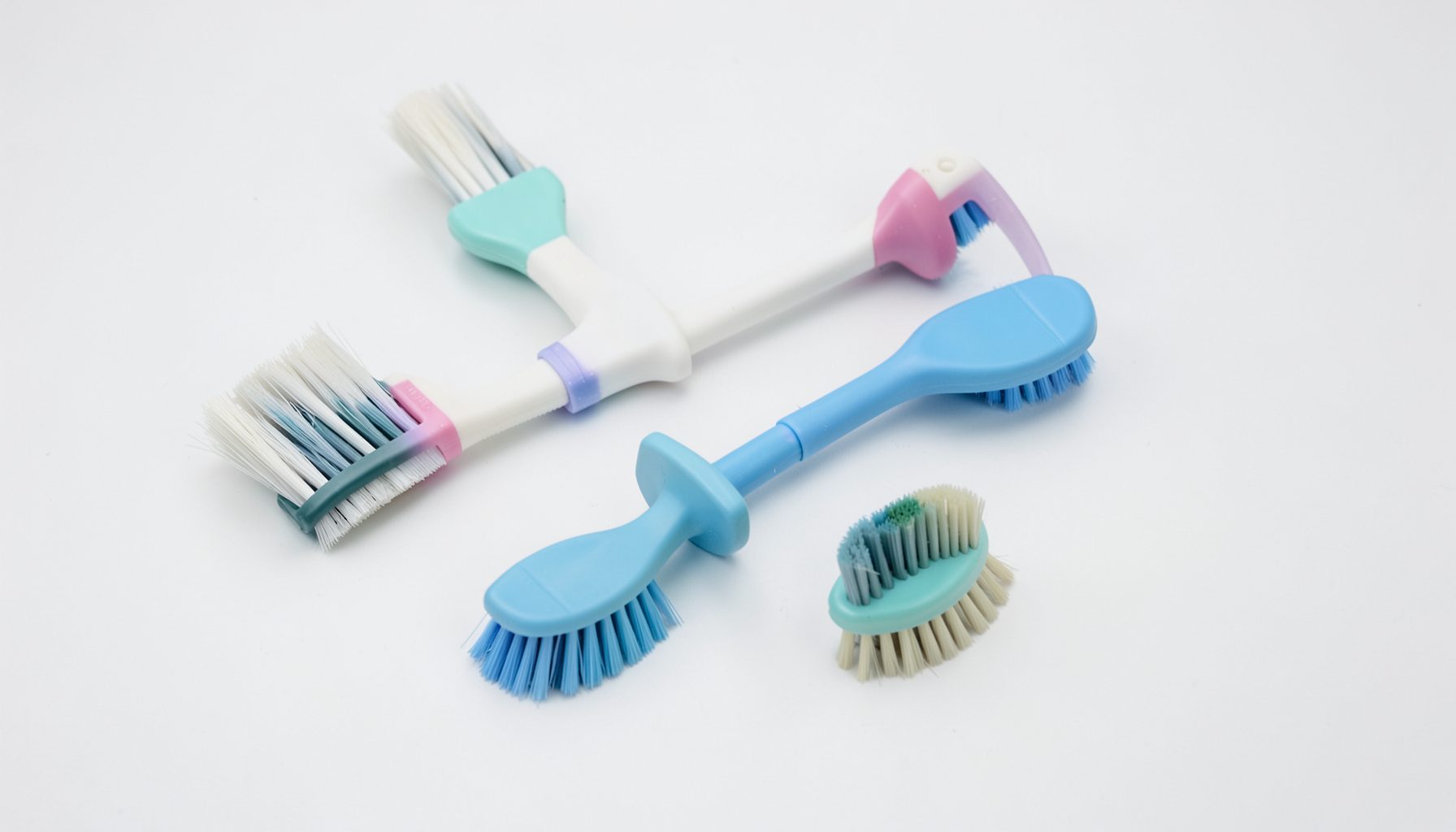
From the basic ResQRinse Nasal Rinse System ($19.99) to 90-day complete kits, saline packets, cleaning brushes, and Sinoptim Nasal Mist.
Browse all products →Get Started with ResQRinse
Ready to experience a better nasal rinse? Fill out the form below and we'll help you find the right product — or follow the simple steps to begin rinsing today.
Request More Information
How to Use ResQRinse
Fill the Bottle
Fill the ResQRinse squeeze bottle with distilled or previously boiled water and add one premixed saline packet.
Position the Tip
Place the comfort tip gently against one nostril. No head-tilting or awkward neck angles needed.
Squeeze & Breathe
Squeeze the bottle gently while breathing through your mouth. Nasal Lock™ keeps saline in your nasal passages and out of your throat.
Repeat & Clean
Switch nostrils and repeat. After use, rinse the bottle and let it air dry. Use ResQRinse Premium Cleaning Brushes for thorough cleaning.
How to Teach Kids to Blow Their Nose After a Rinse
Nasal irrigation can loosen thick mucus, wash away allergens, and make breathing feel easier. For children, though, the rinse is only part of the process. Teaching them what to do afterward helps clear the fluid gently and prevents the uncomfortable feeling of liquid sitting in the nose or draining into the throat.
Blowing the nose after a saline rinse is a learned skill. Young children may blow too forcefully, sniff repeatedly, or become nervous when water comes out of the other nostril. A calm routine, simple instructions, and a little practice can make post-rinse nose blowing much more manageable.
The goal is gentle drainage rather than force. With the right technique and an age-appropriate nasal irrigation system, children can gradually become more comfortable participating in their own congestion and allergy care.
Prepare Your Child Before the Rinse
Explain the process in simple, reassuring language before beginning. Tell your child that the saline solution will travel through one side of the nose and out the other, carrying mucus and irritants with it. Avoid describing it as something that might “hurt” or “sting,” since those words can create anxiety before the rinse starts.
Let your child watch you prepare the saline solution and handle the bottle. Demonstrating the steps on yourself can reduce uncertainty. The child should understand that the next step will be to let the liquid drip out, then blow gently into a tissue.
Use saline made with the correct water and packet instructions for the chosen system. Distilled, sterile, or previously boiled and cooled water is generally recommended for nasal rinsing; tap water should not be used unless it has been treated according to medical guidance. Keep the device clean and follow the manufacturer’s instructions after every use.
Show the Difference Between Gentle and Forceful
Children often believe that a harder blow will clear the nose faster. Demonstrate the opposite by making a soft “huff” sound with your mouth closed and your nose open. Then show a strong, exaggerated blow and explain that the gentle version is the one to use after irrigation.
Ask the child to close one nostril lightly with a finger while blowing out through the other. The pressure should be mild, and the child should breathe out for only a second or two. Switch sides rather than squeezing both nostrils shut, which can increase pressure in the ears and sinuses.
A useful practice game is to move a tissue with a soft breath rather than trying to create a loud sound. Children can practice before the rinse when their nose is dry and comfortable. Praise effort and control, not the amount of mucus produced.
Follow a Calm Post-Rinse Routine
Immediately after the rinse, have your child lean slightly forward over a sink or towel. This position allows leftover saline and loosened mucus to drain outward instead of running toward the throat. Waiting several seconds before blowing gives the solution time to flow out naturally.
Hand over a soft tissue and guide the child through one nostril at a time. Use short, gentle blows, followed by a pause. If fluid continues to drain, simply dab the nose and wait. Repeated hard blowing is more likely to cause irritation than to improve clearance.
Some children may feel liquid in the back of the throat after nasal irrigation. Encourage them to spit it out or swallow normally if they are comfortable. Coughing briefly can happen, but persistent choking, wheezing, ear pain, or distress means the rinse should stop and a healthcare professional should be contacted.
Make the Technique Easy to Remember
A consistent sequence helps children remember what to do without needing a long explanation. Use the same words each time: “Lean forward, tissue ready, one side, gentle blow, switch sides.” Keeping the routine predictable is especially useful for children who dislike unfamiliar sensations.
ResQRinse explains its nasal irrigation approach and product design on the brand information page, which can help parents understand how a child-sized or comfortable rinse system fits into a daily routine. Choose a device that the child can hold securely and that allows an adult to control the flow when needed.
Visual reminders can reinforce the steps. Draw three simple pictures showing a child leaning forward, covering one nostril, and blowing softly. For younger children, a parent can provide hand-over-hand guidance without pressing tightly on the nose.
Match the Lesson to Your Child’s Age
Toddlers may not be ready to coordinate a full rinse and nose blow independently. An adult should manage the irrigation, observe the child’s breathing and comfort, and use very short directions. The child can participate by holding a towel, choosing a tissue, or practicing the blowing motion separately.
Preschoolers can usually learn one-nostril blowing with modeling and repetition. Keep practice sessions brief and stop before frustration builds. A sticker chart or verbal praise can make the routine feel rewarding without turning nasal care into a battle.
School-age children may be able to prepare for the rinse, perform gentle nose blowing, and clean up with supervision. They still need reminders about water safety, device hygiene, and avoiding excessive pressure. Independence should increase gradually as the child demonstrates safe technique.
| Step | What the child does | Parent’s role |
|---|---|---|
| Lean forward | Positions the face over a sink or towel | Keeps the child steady and relaxed |
| Let it drain | Allows saline and mucus to come out naturally | Waits instead of rushing the next step |
| Close one side | Gently presses one nostril closed | Checks that the pressure is light |
| Blow softly | Exhales through the open nostril | Models a brief, controlled blow |
| Change sides | Repeats with the other nostril | Stops if pain, bleeding, or distress occurs |
| Finish gently | Dabs the nose and washes hands | Cleans and dries the irrigation device |
Troubleshoot Resistance and Discomfort
Fear, tickling, or a feeling of pressure can make a child refuse to blow. Start with a smaller goal, such as letting fluid drain into a towel or making one gentle exhale through the nose. Do not force the child to continue while upset, since resistance may become stronger during future rinses.
If the saline rinse burns, stings, or causes unusual discomfort, check the packet-to-water ratio and water temperature. The solution should be prepared exactly as directed, and the device should be used with appropriate technique. ResQRinse offers a helpful burning or stinging guide for reviewing common causes and next steps.
A small amount of nasal irritation can occur, especially during dry weather or when a child blows repeatedly. Stop and seek medical advice if there is significant bleeding, severe pain, worsening symptoms, fever, facial swelling, or ongoing ear pressure. Children with frequent nosebleeds, recent nasal surgery, structural nasal problems, or chronic medical conditions may need individualized guidance before using irrigation.
Build Safe Habits Around Nasal Care
A child should never share a nasal rinse bottle, tip, or other nasal device with another person. Wash the equipment as directed, use fresh solution for each rinse, and allow components to dry fully. A cleaning brush may help reach internal areas, but it does not replace regular washing and thorough air-drying.
Parents should supervise children who are still learning how to squeeze a bottle or control their breathing. The child should not inhale sharply while the solution is flowing. Gentle breathing through the mouth, relaxed shoulders, and a forward-leaning posture can make the process smoother.
Use these practical teaching reminders:
- Practice one-nostril nose blowing when the child is calm and not congested.
- Use short instructions and demonstrate each step before asking the child to copy it.
- Keep tissues, a towel, and a waste bin within reach before starting.
- Praise gentle technique, patience, and cooperation rather than forceful blowing.
- Pause the rinse if the child has pain, panic, significant bleeding, or trouble breathing.
Once the routine becomes familiar, many children can learn to clear their nose without rushing or straining. Parents can reinforce the skill during ordinary colds, seasonal allergies, and bedtime congestion, while continuing to supervise the rinse itself when appropriate.
For additional visual guidance, parents can watch ResQRinse’s demonstration videos and practice the same calm sequence at home. A few minutes of patient coaching can turn post-rinse nose blowing into a predictable part of healthy nasal care. Choose a properly sized system, prepare saline safely, and make gentle technique the central habit every time.