ResQRinse is the nasal irrigation squeeze bottle that eliminates head-tilting and awkward neck positions. Using proprietary Nasal Lock™ technology, it delivers a comfortable, gag-free sinus cleanse — no more saline dripping down your throat.

Relief From Fall Sneezes
Now sold on Walmart.com. Free shipping on orders $30+. Try ResQRinse today with your everyday purchases.
Shop at WalmartWhy ResQRinse?
Nasal rinsing helps relieve congestion from colds, allergies, sinusitis, hay fever, and environmental pollutants. ResQRinse makes it comfortable enough to become a daily habit.
Nasal Lock™ Technology
Isolates sinuses from the throat using natural choanal occlusion — like inflating a balloon — so saline stays where it belongs.
Learn more →
Drug-Free Relief
Uses premixed saline packets with distilled water. No medications, no preservatives — just a natural cleanse for your nasal passages.
How to rinse →
For Kids Too
ResQRinse for Kids features a comfort nasal tip right-sized for smaller nostril openings, making rinsing gentle and easy for children.
Shop kids' version →
Breath-Controlled Flow
You control the saline flow with your own breath pressure — high volume, low pressure irrigation that's comfortable and effective.
Watch how-to videos →
Better Compliance
Designed to overcome the gagging and discomfort that cause people to abandon traditional neti pots and nasal rinse systems.
Our story →
Complete Kits Available
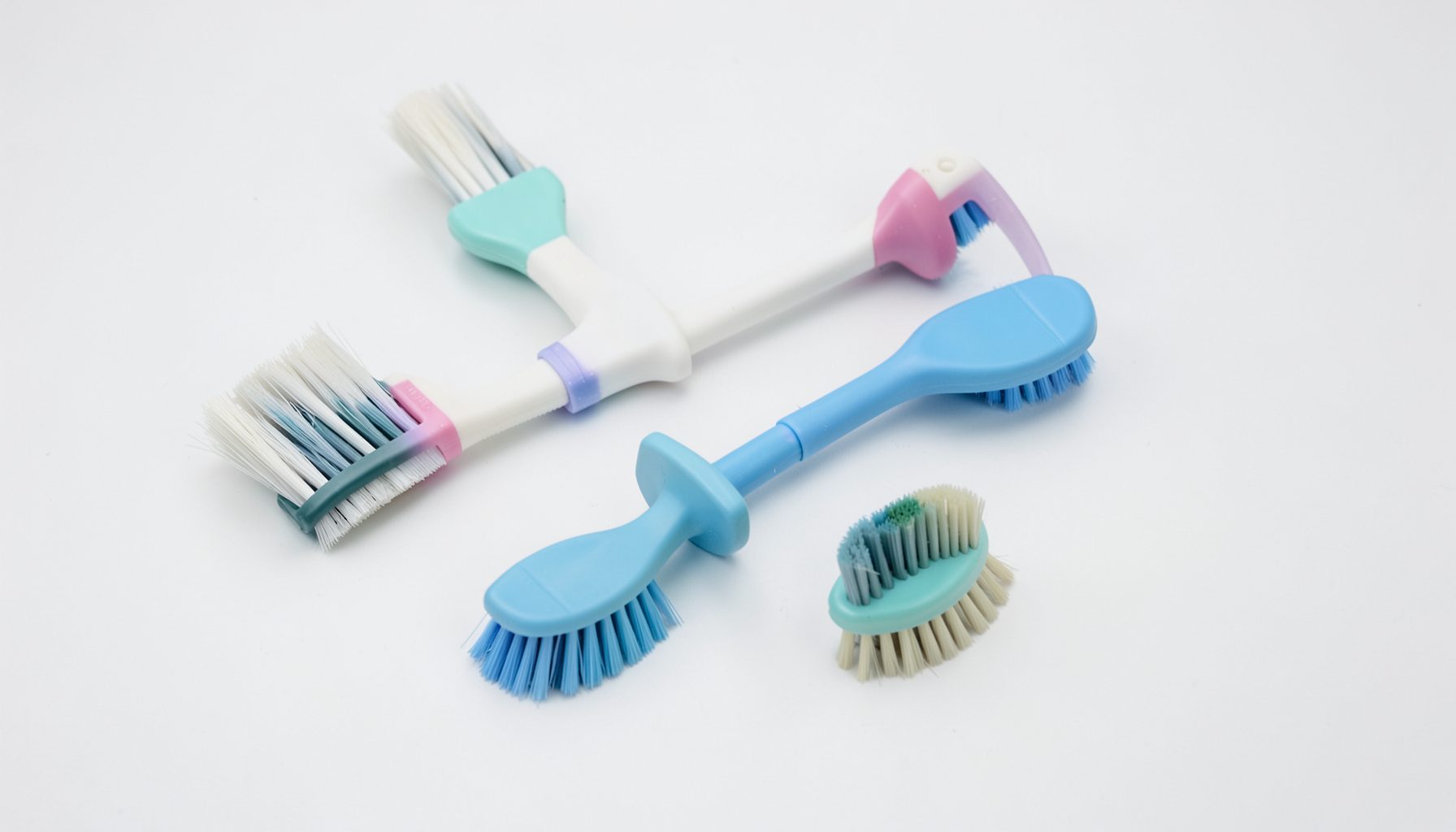
From the basic ResQRinse Nasal Rinse System ($19.99) to 90-day complete kits, saline packets, cleaning brushes, and Sinoptim Nasal Mist.
Browse all products →Get Started with ResQRinse
Ready to experience a better nasal rinse? Fill out the form below and we'll help you find the right product — or follow the simple steps to begin rinsing today.
Request More Information
How to Use ResQRinse
Fill the Bottle
Fill the ResQRinse squeeze bottle with distilled or previously boiled water and add one premixed saline packet.
Position the Tip
Place the comfort tip gently against one nostril. No head-tilting or awkward neck angles needed.
Squeeze & Breathe
Squeeze the bottle gently while breathing through your mouth. Nasal Lock™ keeps saline in your nasal passages and out of your throat.
Repeat & Clean
Switch nostrils and repeat. After use, rinse the bottle and let it air dry. Use ResQRinse Premium Cleaning Brushes for thorough cleaning.
Warming Saline for Kids Who Refuse Cold Nasal Rinses
Watching your child scrunch up their face and shake their head the moment the saline touches their nose is a familiar scene in many Aussie households. The chill of room-temperature water can feel sharp against sensitive nasal passages, and for little ones who are already fighting a blocked nose from a winter cold or spring hay fever, that icy shock often turns a routine rinse into a full-on wrestling match.
The good news is that the fix is usually simpler than parents realise. Warming the saline to a comfortable, body-like temperature can transform the experience from something your child dreads into something close to pleasant. With the right approach, you can take the stress out of nasal rinsing and start seeing real relief without the daily battle.
Why Cold Saline Feels Uncomfortable for Children
Children's nasal passages are narrower than adults', which means temperature differences feel more intense. When you live somewhere like Melbourne, where a winter morning can drop below five degrees and the tap water comes out bracingly cold, a rinse at room temperature can genuinely sting. Even in Brisbane's milder winters, kids often describe the sensation as "like ice in my nose," and once that association forms, getting them back on board becomes the real challenge.
There's also a sensory element. Children who already feel unwell from congestion, sinus pressure, or the lingering drip of a spring allergy flare-up are hypersensitive to anything that surprises their face. A sudden cold rush can trigger a gag reflex, watery eyes, or outright refusal. Parents across the country have watched their kid clamp their mouth shut, turn away, and declare "no way" before the bottle even tips.
Over in colder parts of the country like Canberra or Hobart, this struggle can stretch across half the year. The combination of indoor heating drying out little noses and outdoor chill making any rinse feel glacial means parents often put rinses off entirely. Understanding that the discomfort is real, not fussy behaviour, is the first step toward finding a routine that actually sticks.
The Safe Temperature Range for Warmed Saline
The sweet spot for warmed saline sits somewhere between body temperature and slightly below it, generally around 35 to 38 degrees Celsius. That feels warm against the inside of the nose without ever crossing into "too hot." Many parents describe it as the temperature of a comfortable warm shower or a cup of tea they've left to cool for a few minutes on the kitchen bench.
Going above 40 degrees risks scalding the delicate lining of the nasal passages, especially in young children. The membranes inside the nose are thin and absorb heat quickly, so what seems lukewarm on a parent's wrist can still feel too warm for a child. A quick test on the inside of your forearm, where skin is sensitive, will give you a reliable reading before you tip the bottle.
If you want a deeper look at how concentration and temperature interact in nasal irrigation, the science behind saline concentration in nasal irrigation breaks down why isotonic solutions at body-like temperatures are gentler on mucosal tissue. It's a worthwhile read for any parent who wants the why behind the routine.
Simple Ways to Warm Saline at Home
A few practical methods work well for busy households, and most parents settle on one after a week or so. The key is consistency, because once your child knows what temperature to expect, they relax into the process rather than bracing for it.
Reliable options for warming saline:
- Run the rinse bottle under a warm tap for thirty to sixty seconds before adding the saline packet. Test the temperature on your inner wrist before each use.
- Mix the solution with pre-warmed distilled or previously boiled water that has been allowed to cool to a comfortable warmth. Avoid microwave heating, which creates dangerous hot spots.
- Use a small thermos or insulated travel flask to keep mixed saline warm for school or daycare rinses, especially helpful for arvo top-ups during spring allergy season.
- Place the bottle in a bowl of warm water for a couple of minutes if tap water in the kitchen runs cold during a frosty Adelaide morning.
Whichever method you choose, always check the temperature right before the rinse. A bottle that felt perfect five minutes ago can cool quickly, especially in a draughty bathroom with the window cracked open to let out the steam from someone's shower.
Getting Your Child On Board With the New Routine
Children respond to choice and predictability. Letting your child pick the spot where the rinse happens, whether that's the bathroom bench, a sturdy stool in the kitchen, or even perched on the laundry sink, gives them a sense of control. So does letting them choose a small comfort, like holding a favourite stuffed animal or having a song playing in the background while you tip the bottle.
Timing matters too. Trying to do a rinse when a child is overtired, hungry, or in the middle of a meltdown is a losing battle. Many parents find that pairing the rinse with a calm moment, like after the evening bath or first thing in the morning before brekkie, creates a predictable pattern. Kids thrive on routine, and once "rinse time" becomes as ordinary as brushing teeth, the resistance fades.
Praise goes a long way as well. A simple "you did such a great job" or a sticker chart for younger kids can shift the perception of rinsing from punishment to accomplishment. If you're curious how other families have made this work, the ResQRinse testimonials page shares real stories from parents who have navigated the same struggles. Sometimes just knowing you're not alone in the daily negotiation makes the effort feel worth it.
Common Mistakes Parents Make When Heating Saline
One of the most frequent errors is rushing the warming process. Parents who microwave saline often end up with scorching hot spots that can burn delicate nasal tissue. Even with thorough stirring, microwave ovens heat unevenly, and the risk simply isn't worth the few seconds saved. Stick to gentle, even warming methods instead and you'll avoid any nasty surprises.
Another mistake is warming the solution too far in advance. Saline that has been sitting on the bench for an hour will have lost its warmth and may even have cooled below body temperature. Mixing fresh, just-warmed solution for each rinse keeps the experience consistent and safe. Storing pre-warmed saline in a thermos for travel is one thing, but leaving it out at home defeats the whole purpose of warming it in the first place.
Finally, some parents skip the temperature check because they assume their hands can judge warmth accurately. Hands adapt to temperature quickly and aren't a reliable gauge, especially after handling other warm items or running them under hot water for dishwashing. A quick test on the inner wrist or forearm is a small habit that prevents discomfort and protects your child's nose from accidental burns.
When Warm Rinses Make the Biggest Difference
Warm saline rinses really shine during certain times of year. Australia's spring hay fever season, running from September through November across most of the country, brings wave after wave of grass pollen that leaves kids with itchy, blocked, runny noses. A comfortable rinse clears the airways and washes away allergens before they can settle in for the day. For parents dealing with grass pollen sensitivity, especially in regional areas around the Murray River or the Western Australian wheatbelt, this routine can be life-changing during peak pollen weeks.
Warm rinses also help during the depths of winter flu season. When a child's nose is already sore from constant wiping and breathing through dry, heated air, a lukewarm rinse soothes rather than stings. Kids recovering from a cold often accept warm rinses more willingly than cold ones, which keeps the routine going through recovery and helps prevent the sinus infections that can follow a stubborn blocked nose.
Travel days are another moment when warm saline earns its keep. Long car trips to visit grandparents in Queensland or flights out of Sydney can leave noses dried out and cranky. A warm rinse before bed after a long travel day helps little ones settle, breathe easier, and sleep more soundly. The nasal rinse for ragweed allergy season guide covers similar timing strategies for allergy-driven congestion, with practical tips that translate well to Australian pollen triggers.
Times warm saline helps most:
- Spring and early summer hay fever flares
- The tail end of a cold when sinuses feel raw
- After long travel days or flights
- First thing in the morning during dry winter weeks
If you're tired of fighting your child over a daily rinse that should be making life easier, the answer might be as simple as reaching for the warm tap. Try warming the saline to a comfortable body temperature, test it on your wrist, and let your child feel the difference. A bottle of saline that doesn't shock their senses turns nasal rinsing from a battle into a small moment of relief.
Visit ResQRinse today to find a kit that fits your family's routine and start making those morning rinses something your child doesn't dread.