ResQRinse is the nasal irrigation squeeze bottle that eliminates head-tilting and awkward neck positions. Using proprietary Nasal Lock™ technology, it delivers a comfortable, gag-free sinus cleanse — no more saline dripping down your throat.

Relief From Fall Sneezes
Now sold on Walmart.com. Free shipping on orders $30+. Try ResQRinse today with your everyday purchases.
Shop at WalmartWhy ResQRinse?
Nasal rinsing helps relieve congestion from colds, allergies, sinusitis, hay fever, and environmental pollutants. ResQRinse makes it comfortable enough to become a daily habit.
Nasal Lock™ Technology
Isolates sinuses from the throat using natural choanal occlusion — like inflating a balloon — so saline stays where it belongs.
Learn more →
Drug-Free Relief
Uses premixed saline packets with distilled water. No medications, no preservatives — just a natural cleanse for your nasal passages.
How to rinse →
For Kids Too
ResQRinse for Kids features a comfort nasal tip right-sized for smaller nostril openings, making rinsing gentle and easy for children.
Shop kids' version →
Breath-Controlled Flow
You control the saline flow with your own breath pressure — high volume, low pressure irrigation that's comfortable and effective.
Watch how-to videos →
Better Compliance
Designed to overcome the gagging and discomfort that cause people to abandon traditional neti pots and nasal rinse systems.
Our story →
Complete Kits Available
From the basic ResQRinse Nasal Rinse System ($19.99) to 90-day complete kits, saline packets, cleaning brushes, and Sinoptim Nasal Mist.
Browse all products →Get Started with ResQRinse
Ready to experience a better nasal rinse? Fill out the form below and we'll help you find the right product — or follow the simple steps to begin rinsing today.
Request More Information
How to Use ResQRinse
Fill the Bottle
Fill the ResQRinse squeeze bottle with distilled or previously boiled water and add one premixed saline packet.
Position the Tip
Place the comfort tip gently against one nostril. No head-tilting or awkward neck angles needed.
Squeeze & Breathe
Squeeze the bottle gently while breathing through your mouth. Nasal Lock™ keeps saline in your nasal passages and out of your throat.
Repeat & Clean
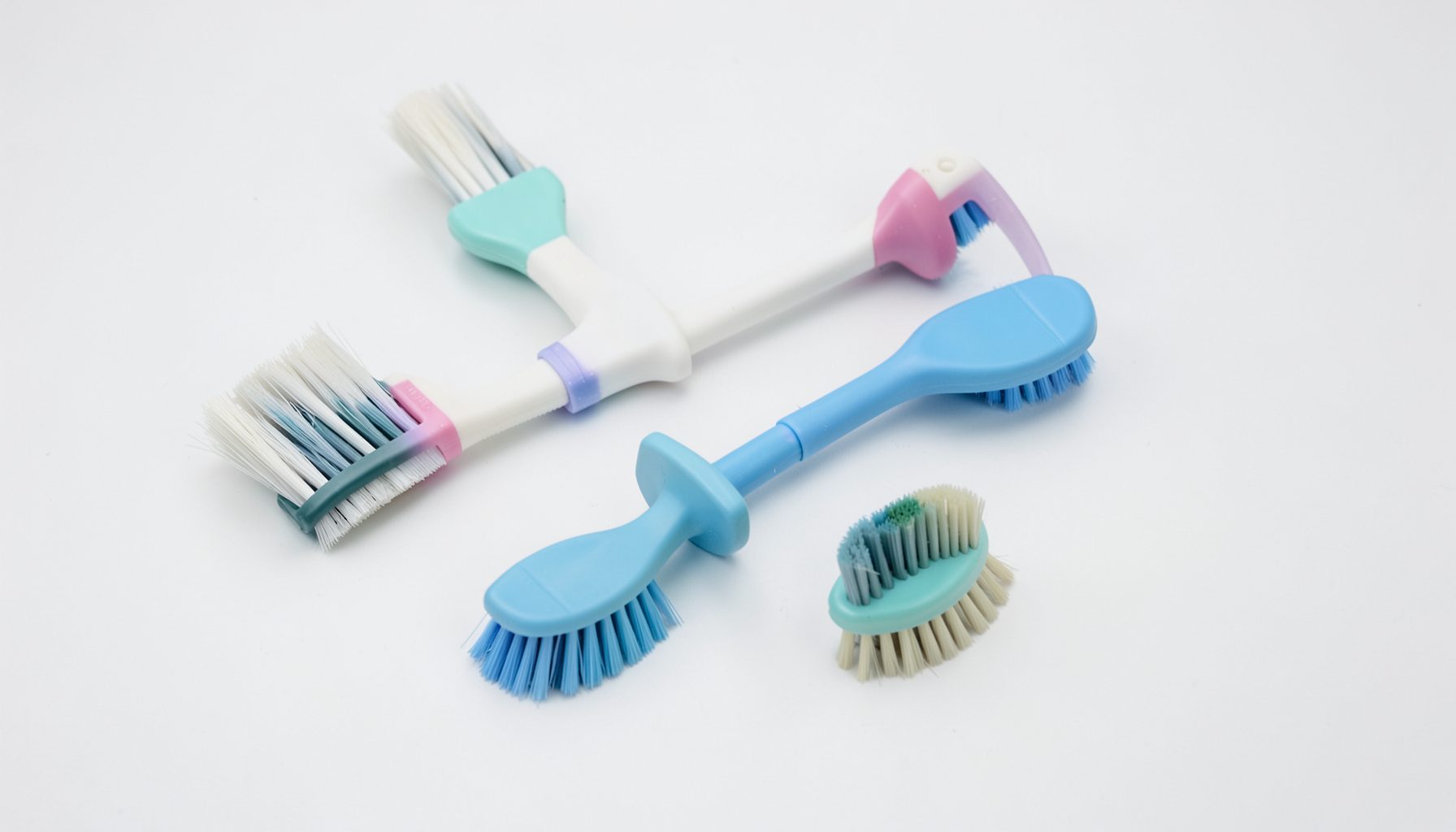
Switch nostrils and repeat. After use, rinse the bottle and let it air dry. Use ResQRinse Premium Cleaning Brushes for thorough cleaning.
A Comfortable Nasal Rinse Routine For Ragweed Season
Ragweed pollen can make late summer and early fall difficult for people with seasonal allergies. A single plant can release millions of pollen grains, and the particles may travel far on dry, windy days. When they enter the nose, they can trigger sneezing, itching, congestion, runny discharge, and postnasal drip.
A saline nasal rinse may help wash away pollen and thick mucus before they continue irritating the nasal passages. Used correctly, it can become a simple part of an allergy-care routine alongside other measures recommended by a healthcare professional.
The most useful approach is consistent and gentle rather than occasional and forceful. Choosing a comfortable device, mixing the solution correctly, and using safe water all affect the experience. A squeeze-bottle system can make nasal irrigation easier to control, especially when congestion makes breathing through the nose uncomfortable.
Why Ragweed Can Cause Intense Nasal Symptoms
Ragweed is a common seasonal allergy trigger in North America. Its pollen season often begins in August and may continue into October, although timing varies by location and weather. Warm temperatures, wind, and dry conditions can increase the amount of pollen circulating outdoors.
For someone with allergic rhinitis, the immune system reacts to ragweed proteins as though they were harmful invaders. This response can cause swelling inside the nasal passages and increase mucus production. The result may be a blocked nose, repeated sneezing, facial pressure, or a throat irritated by drainage.
Pollen can also cling to the hair, skin, clothing, and nasal lining after time outside. A rinse at the end of the day may help clear some of these irritants from the nose. It does not cure the allergy, but reducing the presence of pollen may make the nose feel cleaner and less congested.
How Saline Irrigation Supports Relief
A nasal rinse uses a saltwater solution to flush the nasal passages. The fluid can loosen mucus, remove environmental particles, and moisturize tissue that feels dry or irritated. Isotonic saline, which has a salt concentration similar to the body’s fluids, is often comfortable for routine use.
Some people prefer a rinse when congestion is heavy because it delivers more fluid than a light nasal mist. A mist can be convenient for quick moisture during the day, while irrigation may provide a more thorough cleansing experience. The right choice depends on symptom severity, personal comfort, and guidance from a healthcare professional.
The water should flow gently. Excessive pressure can feel unpleasant and may increase the risk of fluid entering the ears or causing irritation. ResQRinse systems use Nasal Lock technology to help create a controlled seal around the nostrils, supporting a directed flow without requiring the angle and balance associated with a traditional neti pot. Product details and operating guidance are available in the brand’s nasal rinse information.
Selecting A System For Seasonal Congestion
A squeeze-bottle nasal rinse gives the user direct control over the amount and speed of saline. This can be useful when one side of the nose is more blocked than the other or when a person wants to begin with a low, comfortable flow. Bottles are also easy to pack for travel during peak pollen months.
A complete kit may include the bottle, premeasured saline packets, and cleaning accessories. Packets can simplify preparation because they provide a consistent salt balance when mixed with the recommended volume of water. A cleaning brush may help reach areas that are difficult to rinse by hand.
| Option | Useful for | Main consideration |
|---|---|---|
| Squeeze-bottle rinse | Daily pollen and mucus removal | Requires careful cleaning and safe water |
| Nasal mist | Quick moisture and light irritation | Usually provides less flushing than irrigation |
| Saline packets | Convenient, consistent mixing | Must be used with the correct water volume |
| Children’s rinse system | Gentle nasal care for younger users | Adult supervision and child-specific instructions are essential |
| Traditional neti pot | Users who prefer gravity-fed flow | Requires steady positioning and careful pouring |
When comparing products, look for clear instructions, a comfortable design, and replacement supplies that are easy to obtain. A system should fit naturally into the household’s routine rather than becoming difficult to prepare or clean. For frequent seasonal symptoms, convenience can make consistent use more realistic.
Use Safe Water And Proper Technique
Only use distilled, sterile, or previously boiled and cooled water for nasal irrigation. Tap water may contain microorganisms that are safe to swallow but unsafe in the nasal passages. Follow the product instructions for the correct water volume and saline packet, and do not improvise the salt concentration.
Wash your hands before preparing the rinse. Lean over a sink, keep the mouth open, and breathe normally through it while using the device. Allow the solution to pass through the nasal passages without forcing it. If the nose is completely blocked, pain develops, or the fluid does not move comfortably, stop and try again later or ask a healthcare professional for advice.
After use, empty the bottle and rinse every component as directed. Let the parts air-dry fully in a clean location before storing them. Moisture left inside a closed bottle can encourage microbial growth. Replace parts according to the manufacturer’s instructions, especially if the bottle becomes cloudy, cracked, or difficult to clean.
Making Nasal Care Comfortable For Children
Children may experience ragweed-related sneezing and congestion just as adults do, but they can be more sensitive to pressure and may find nasal irrigation unfamiliar. A child-specific system should be used only when the child can cooperate with the process and an adult can supervise closely.
Lower flow can make the experience easier for younger users because it reduces the sensation of pressure. ResQRinse explains the reason for this design approach in its guide to children’s rinse flow. Introduce the process calmly, explain what will happen, and allow the child to stop if the sensation becomes painful or distressing.
Never share a nasal rinse bottle between family members, even after rinsing it. Each user should have their own device and supplies. Children with frequent nosebleeds, ear problems, structural nasal issues, or severe symptoms should be assessed by a pediatrician or other qualified clinician before starting irrigation.
Habits That Reduce Pollen Exposure
Nasal irrigation works best as one part of a broader seasonal allergy plan. Small changes can reduce the amount of ragweed pollen that reaches the nose and bedding. Outdoor exposure may be especially irritating on dry, windy days or during periods when local pollen counts are high.
Useful habits include:
- Showering and changing clothes after spending extended time outdoors
- Keeping windows closed when pollen levels are elevated
- Using air conditioning with clean filters instead of relying on open windows
- Drying laundry indoors during peak ragweed season
- Wearing sunglasses outdoors to reduce contact with airborne particles
- Rinsing the face and hair before bed if pollen exposure has been heavy
Timing also matters. Many people prefer to rinse after outdoor activities or before sleep, when removing pollen may feel most helpful. Others use a saline rinse in the morning to clear overnight mucus. Start with the schedule recommended on the product packaging and adjust only if the routine remains comfortable.
When To Seek Medical Guidance
A saline rinse can support symptom management, but persistent or severe allergy symptoms may need additional treatment. Contact a healthcare professional if congestion interferes with sleep, breathing, school, work, or normal activity, or if symptoms continue beyond the expected pollen season.
Medical advice is also important when facial pain, fever, thick discolored drainage, repeated nosebleeds, or symptoms affecting only one side develop. These signs may point to an infection or another condition rather than straightforward seasonal allergies. Anyone with a weakened immune system or a history of significant nasal or ear problems should ask for individualized guidance before using nasal irrigation.
If a rinse causes burning, ear pressure, bleeding, or worsening discomfort, discontinue it and review the technique and solution preparation. A clinician or pharmacist can help determine whether the issue is related to water, salt concentration, device use, or an underlying nasal condition.
A well-prepared saline rinse can make ragweed season easier to manage by clearing pollen and mucus from the nasal passages. Choose a system that feels controlled, follow safe-water practices, and make cleaning part of every use. Explore ResQRinse nasal irrigation products and saline options through the brand’s online shopping channels, then build a gentle routine before the next high-pollen day.