ResQRinse is the nasal irrigation squeeze bottle that eliminates head-tilting and awkward neck positions. Using proprietary Nasal Lock™ technology, it delivers a comfortable, gag-free sinus cleanse — no more saline dripping down your throat.

Relief From Fall Sneezes
Now sold on Walmart.com. Free shipping on orders $30+. Try ResQRinse today with your everyday purchases.
Shop at WalmartWhy ResQRinse?
Nasal rinsing helps relieve congestion from colds, allergies, sinusitis, hay fever, and environmental pollutants. ResQRinse makes it comfortable enough to become a daily habit.
Nasal Lock™ Technology
Isolates sinuses from the throat using natural choanal occlusion — like inflating a balloon — so saline stays where it belongs.
Learn more →
Drug-Free Relief
Uses premixed saline packets with distilled water. No medications, no preservatives — just a natural cleanse for your nasal passages.
How to rinse →
For Kids Too
ResQRinse for Kids features a comfort nasal tip right-sized for smaller nostril openings, making rinsing gentle and easy for children.
Shop kids' version →
Breath-Controlled Flow
You control the saline flow with your own breath pressure — high volume, low pressure irrigation that's comfortable and effective.
Watch how-to videos →
Better Compliance
Designed to overcome the gagging and discomfort that cause people to abandon traditional neti pots and nasal rinse systems.
Our story →
Complete Kits Available
From the basic ResQRinse Nasal Rinse System ($19.99) to 90-day complete kits, saline packets, cleaning brushes, and Sinoptim Nasal Mist.
Browse all products →Get Started with ResQRinse
Ready to experience a better nasal rinse? Fill out the form below and we'll help you find the right product — or follow the simple steps to begin rinsing today.
Request More Information
How to Use ResQRinse
Fill the Bottle
Fill the ResQRinse squeeze bottle with distilled or previously boiled water and add one premixed saline packet.
Position the Tip
Place the comfort tip gently against one nostril. No head-tilting or awkward neck angles needed.
Squeeze & Breathe
Squeeze the bottle gently while breathing through your mouth. Nasal Lock™ keeps saline in your nasal passages and out of your throat.
Repeat & Clean
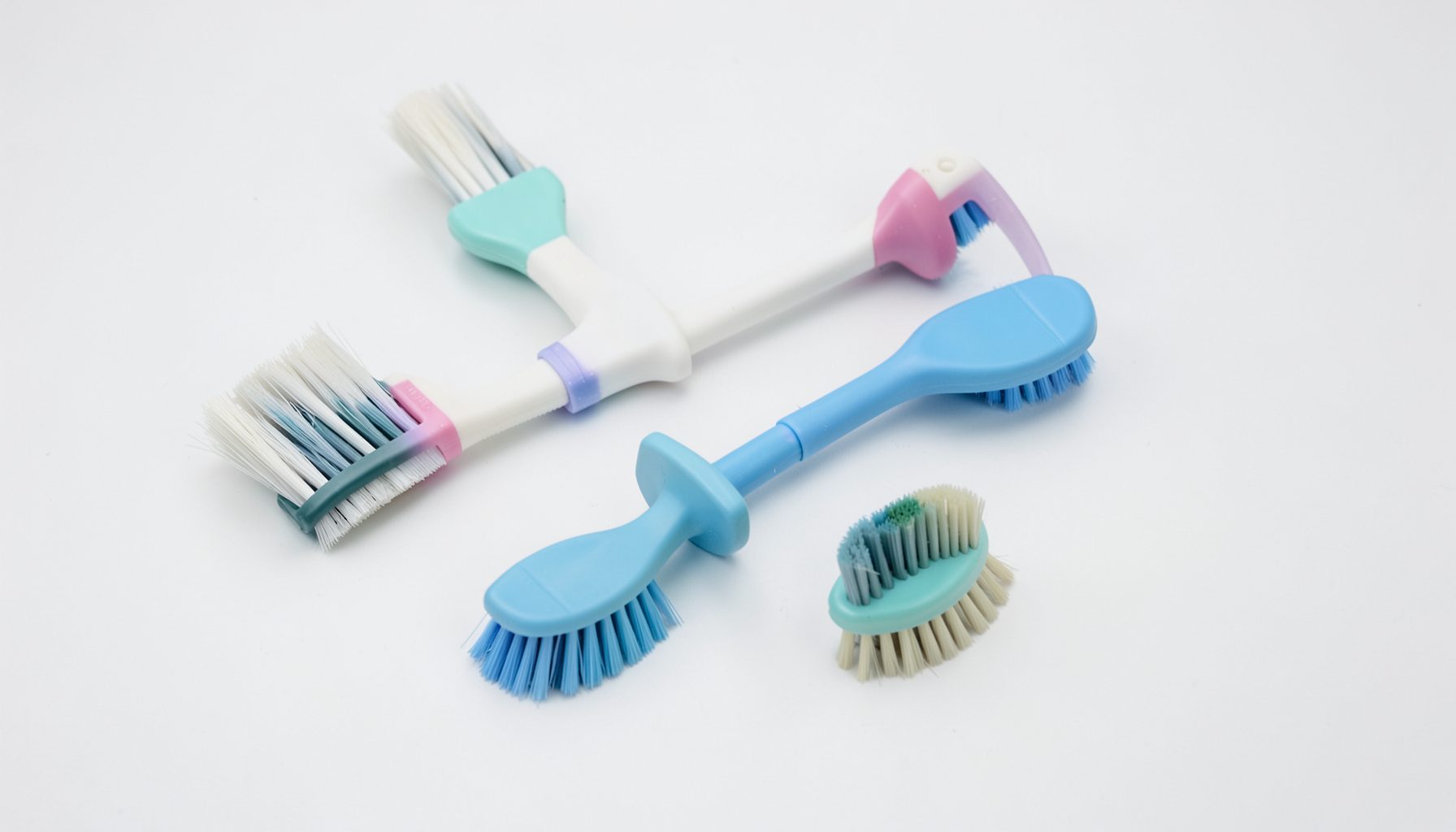
Switch nostrils and repeat. After use, rinse the bottle and let it air dry. Use ResQRinse Premium Cleaning Brushes for thorough cleaning.
How saline concentration shapes nasal irrigation comfort
Nasal irrigation works by rinsing the nasal passages with a saline solution, helping loosen mucus, wash away airborne particles, and support the nose’s natural clearance process. The concentration of salt in that solution is central to how the rinse feels and how well it matches the nasal lining.
A solution that is too weak may feel uncomfortable because it is less concentrated than the fluid surrounding nasal cells. A solution that is too strong can draw water from those cells and create a temporary stinging or drying sensation. Understanding this balance helps explain why prepared saline packets are useful for consistent, comfortable rinsing.
For people managing allergies, congestion, sinus pressure, or thick mucus, saline concentration is only one part of the experience. Water safety, temperature, technique, device design, and regular cleaning also influence the quality of a nasal rinse.
What saline concentration means
Saline concentration describes the amount of sodium chloride dissolved in water. In nasal irrigation, the most familiar reference point is normal saline, which contains approximately 0.9% salt by weight. This is close to the salt concentration of many body fluids and is called isotonic saline.
An isotonic rinse is generally well tolerated because it creates relatively little movement of water into or out of nasal tissue. The solution can moisten the nasal lining while helping flush mucus and irritants from the nasal passages. Commercial packets are typically measured to produce a target concentration when mixed with the recommended volume of water.
The final concentration depends on both the amount of salt and the amount of water. Adding an entire packet to too little water makes the solution more concentrated than intended. Using too much water makes it weaker. Following the package directions is therefore important for predictable comfort.
Isotonic, hypotonic, and hypertonic solutions
A hypotonic solution contains less dissolved salt than the surrounding body fluids. In theory, it may feel mild, but some people experience more burning or pressure with a solution that is too dilute. The difference in concentration can cause water to move across cell membranes, which may make the rinse feel less natural.
A hypertonic solution contains more salt than body fluids. Its higher osmotic pressure can draw water toward the nasal surface, which may temporarily reduce tissue swelling for some people. This is one reason hypertonic saline is sometimes used when congestion is prominent. However, stronger is not automatically better, and higher salt levels may cause stinging, dryness, or irritation.
Comfort varies with the condition of the nasal lining. A person with allergies, a cold, recent exposure to dry air, or frequent nose blowing may be more sensitive to a concentrated rinse. If a solution consistently burns or leaves the nose feeling dry, an isotonic formula or advice from a healthcare professional may be more appropriate.
How osmosis affects the nasal lining
Osmosis is the movement of water across a semipermeable membrane toward the side with a higher concentration of dissolved particles. In nasal irrigation, this principle helps explain why saline strength changes the sensation and short-term effect of a rinse.
When the solution is close to isotonic, the movement of water across nasal cell membranes is limited. This usually supports a smoother experience while the fluid passes through the nasal cavity. The rinse can still loosen secretions and carry away pollen, dust, and other particles without relying on a highly concentrated formula.
Hypertonic saline creates a stronger osmotic gradient. Water may move out of swollen nasal tissue and into the rinse, potentially helping reduce the feeling of blockage for a limited period. That effect must be balanced against the possibility of irritation, particularly when the nasal lining is already inflamed or damaged.
| Saline type | Approximate relationship to body fluids | Potential experience | Common consideration |
|---|---|---|---|
| Hypotonic | Less concentrated | May feel mild but can sting if too dilute | Accurate water measurement matters |
| Isotonic | Similar concentration | Usually balanced and comfortable | Often a practical everyday option |
| Hypertonic | More concentrated | May temporarily ease swelling for some users | Can increase dryness or burning |
Why prepared packets support consistency
Measuring table salt by eye is unreliable. Grain size, salt type, spoon dimensions, and water volume can all change the final mixture. Iodized salt, sea salt, and specialty salts may also contain additives that are not intended for nasal use. Packets made for irrigation are designed to provide the appropriate ingredients and quantity for a specified volume of water.
Many saline packets contain sodium chloride along with buffering ingredients. A buffered solution may help bring the pH closer to the natural environment of the nose and can improve comfort for some users. The packet should be dissolved completely rather than sprinkled directly into the nostril or used in dry form.
A squeeze-bottle system can also make it easier to control flow and use the full prepared volume. ResQRinse systems are designed around comfortable delivery, including Nasal Lock technology intended to help direct the rinse through the nasal passages rather than letting it spill unpredictably. Device fit and gentle pressure still matter; forceful squeezing is not necessary for effective irrigation.
Water quality and temperature matter
Safe water preparation is essential because irrigation sends water beyond the body’s usual protective barriers. Use distilled or sterile water, or water that has been boiled and cooled according to public-health guidance. Ordinary tap water should not be used unless it has been made safe through an appropriate process.
The water should be comfortably lukewarm, not hot. Cold water may feel unpleasant and can trigger a headache or a sharp sensation, while water that is too hot can injure delicate tissue. Testing a small amount on the inside of the wrist is a simple way to check temperature before use.
Clean the bottle, nozzle, and other components after each use as directed by the manufacturer. Allow parts to dry fully, and replace them when they become worn or difficult to clean. A brush designed for the system can help reach internal surfaces where residue may remain.
For people preparing for air travel, congestion and pressure deserve extra attention because changes in cabin pressure can be uncomfortable. Practical steps described in this guide to reduce sinus pressure can complement a carefully prepared saline rinse, when irrigation is appropriate for the individual.
Matching concentration to everyday needs
For routine nasal hygiene, an isotonic solution is often a sensible starting point because it balances cleansing and comfort. It may be useful during seasonal allergy exposure, after time in dusty environments, or when indoor heating leaves the nose feeling dry. It does not cure the underlying cause of allergies or infection, but it can support mechanical removal of mucus and irritants.
A hypertonic solution may be selected for temporary congestion, but users should pay attention to how the nasal lining responds. Persistent burning, bleeding, worsening pain, or significant dryness is a reason to stop and seek professional guidance. People with recent nasal surgery, frequent nosebleeds, or certain structural problems should ask a clinician about irrigation before starting.
The method of delivery also affects the result. A neti pot relies on gravity, while a squeeze bottle provides controlled flow through gentle hand pressure. Neither approach changes the basic science of saline concentration, but a comfortable design may make it easier to maintain consistent technique. Demonstrations of proper use are available through rinse demonstrations.
Practical habits for a comfortable rinse
The goal is a solution that is accurately mixed, safe, and comfortable for the individual. Concentration should be adjusted only according to product directions or professional advice, rather than by adding extra salt when congestion feels severe.
- Use saline packets formulated for nasal irrigation instead of improvising the mixture.
- Measure the recommended volume of distilled, sterile, or properly treated water.
- Choose lukewarm water and dissolve the packet completely before rinsing.
- Apply gentle, steady pressure and breathe through the mouth during the process.
- Wash and dry the irrigation device after every use.
Saline irrigation should feel like a controlled wash, not a forceful procedure. If symptoms are severe, one-sided, recurrent, or accompanied by fever, facial swelling, vision changes, or significant bleeding, medical evaluation is appropriate. A healthcare professional can also help determine whether isotonic or hypertonic saline fits a specific condition.
ResQRinse offers complete rinse kits, children’s systems, saline packets, cleaning accessories, and nasal mist for different household needs. Explore the available products through the brand’s Walmart and Amazon listings, choose the system that suits your routine, and use each rinse with the concentration, water quality, and cleaning practices recommended on the packaging.