ResQRinse is the nasal irrigation squeeze bottle that eliminates head-tilting and awkward neck positions. Using proprietary Nasal Lock™ technology, it delivers a comfortable, gag-free sinus cleanse — no more saline dripping down your throat.

Relief From Fall Sneezes
Now sold on Walmart.com. Free shipping on orders $30+. Try ResQRinse today with your everyday purchases.
Shop at WalmartWhy ResQRinse?
Nasal rinsing helps relieve congestion from colds, allergies, sinusitis, hay fever, and environmental pollutants. ResQRinse makes it comfortable enough to become a daily habit.
Nasal Lock™ Technology
Isolates sinuses from the throat using natural choanal occlusion — like inflating a balloon — so saline stays where it belongs.
Learn more →
Drug-Free Relief
Uses premixed saline packets with distilled water. No medications, no preservatives — just a natural cleanse for your nasal passages.
How to rinse →
For Kids Too
ResQRinse for Kids features a comfort nasal tip right-sized for smaller nostril openings, making rinsing gentle and easy for children.
Shop kids' version →
Breath-Controlled Flow
You control the saline flow with your own breath pressure — high volume, low pressure irrigation that's comfortable and effective.
Watch how-to videos →
Better Compliance
Designed to overcome the gagging and discomfort that cause people to abandon traditional neti pots and nasal rinse systems.
Our story →
Complete Kits Available
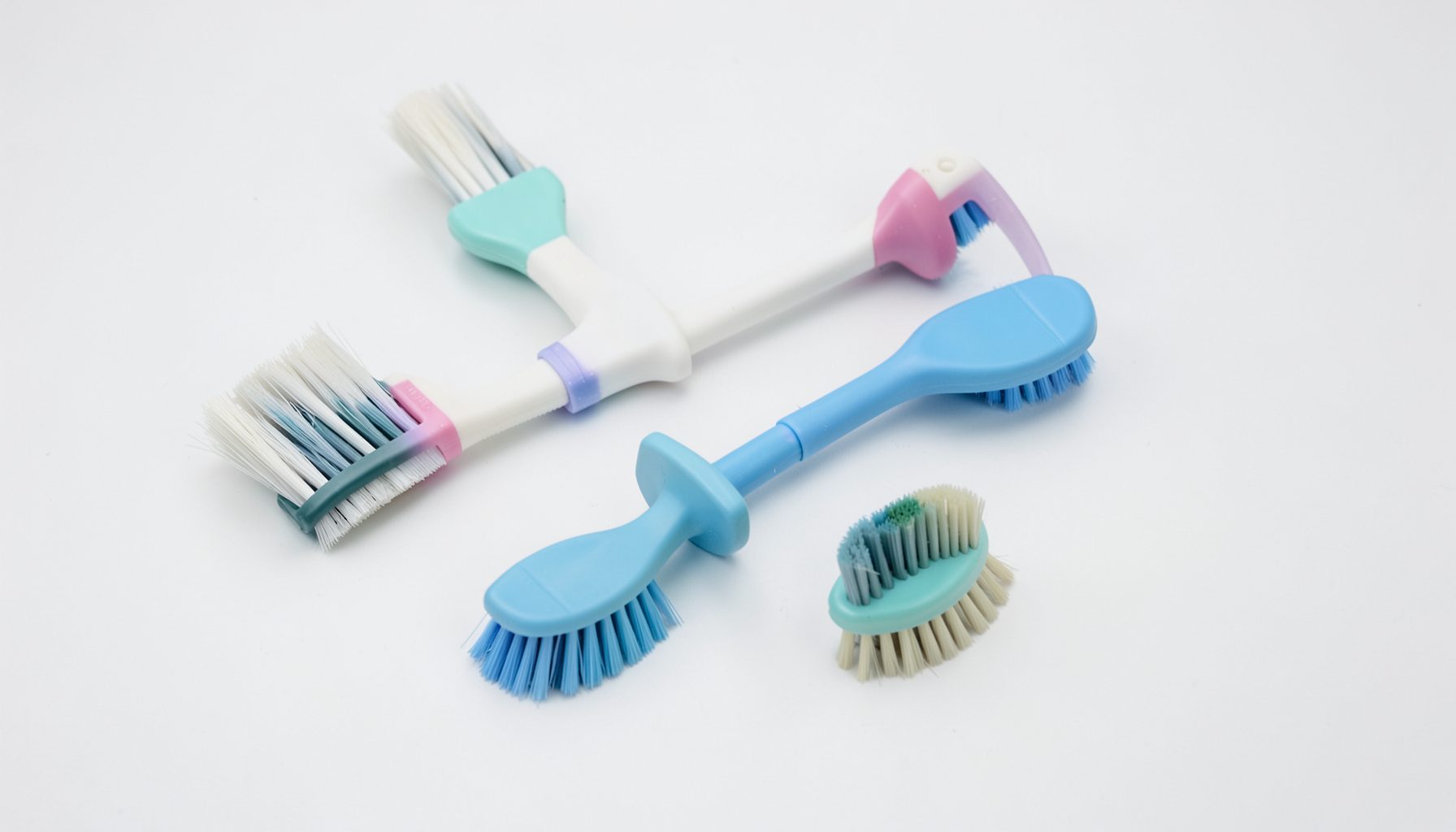
From the basic ResQRinse Nasal Rinse System ($19.99) to 90-day complete kits, saline packets, cleaning brushes, and Sinoptim Nasal Mist.
Browse all products →Get Started with ResQRinse
Ready to experience a better nasal rinse? Fill out the form below and we'll help you find the right product — or follow the simple steps to begin rinsing today.
Request More Information
How to Use ResQRinse
Fill the Bottle
Fill the ResQRinse squeeze bottle with distilled or previously boiled water and add one premixed saline packet.
Position the Tip
Place the comfort tip gently against one nostril. No head-tilting or awkward neck angles needed.
Squeeze & Breathe
Squeeze the bottle gently while breathing through your mouth. Nasal Lock™ keeps saline in your nasal passages and out of your throat.
Repeat & Clean
Switch nostrils and repeat. After use, rinse the bottle and let it air dry. Use ResQRinse Premium Cleaning Brushes for thorough cleaning.
How to dissolve saline packets without a single clump
For Australians who rely on nasal irrigation to get through pollen-heavy spring mornings in Sydney or dry, dusty interiors during a Melbourne heatwave, a clumpy saline mix can ruin the whole routine. Saline packets are designed to dissolve quickly, but anyone who has opened a packet after a humid Brisbane summer has likely seen tiny crystals glued together at the bottom. When those clumps hit the nozzle of a squeeze bottle, they can block the flow, leave gritty residue in the sinuses, and make the rinse feel less comfortable than it should be. Getting a perfectly clear solution comes down to understanding why clumping happens, then adjusting the small variables that fix it.
The good news is that clump-free mixing is not a mystery reserved for chemists. A few simple changes to water temperature, the order in which ingredients are combined, and how the packet itself is stored can turn a frustrating ritual into a thirty-second habit. Australians already think carefully about water quality and storage because of bushfire smoke and coastal humidity, so the same attention to detail applies beautifully to keeping saline crystals loose and ready.
Why saline packets form clumps in the first place
Saline is hygroscopic, a word meaning it loves moisture. When a packet sits in a steamy bathroom, inside a campervan on a Perth road trip, or in a first-aid kit that has been opened and closed dozens of times, microscopic amounts of water vapour sneak in. Those few droplets are enough to fuse the top layer of salt and bicarbonate crystals together. The seal keeps most moisture out, but once torn open, the contents become vulnerable, especially across the humid Queensland coast.
Storage habits also matter. Tossing a strip of packets into a glovebox, leaving them near the kettle, or stacking them beside a window facing the Adelaide afternoon westerlies all accelerate the problem. Heat makes moisture move faster, and a warm packet that was dry in the morning can feel sticky by dinner. Once a clump forms, dunking it in water is not always enough to break the bond between crystals.
The granules themselves are worth understanding too. Fine pharmaceutical-grade salt dissolves more readily than coarse cooking salt, which is why pre-measured packets exist in the first place. Even fine salt clumps when compressed, so the goal is to give every grain direct contact with water before it grabs its neighbour.
The water temperature that works best
Temperature is the most powerful variable in dissolving saline packets without clumps. Cold water straight from a Sydney fridge or a Perth fridge in summer dissolves the crystals slowly, often leaving a faintly cloudy solution that settles into gritty residue at the bottom of the bottle. Hot water risks deforming the plastic of a squeeze bottle and can degrade the bicarbonate, releasing carbon dioxide that creates tiny bubbles and a strange taste.
The sweet spot is lukewarm water, between body temperature and slightly warmer, around 35 to 40 degrees Celsius. At that range, salt crystals hit peak solubility without compromising the sachet or the bottle. Australians who run a kettle in the morning for a flat white can pour a small amount into a mug, let it cool for a minute, then add it to the rinse bottle. Anyone without a kettle can use a thermos of pre-warmed water or hold a closed bottle under the warm tap for a few minutes.
Warmed water also helps the bicarbonate dissolve evenly, keeping the pH of the rinse gentle on the delicate tissue inside the nose. Cold saline tends to feel sharper and can briefly trigger a sting, while properly warmed saline feels soothing from the first squeeze.
A foolproof mixing method for clear solutions
The order of operations matters as much as the temperature. Pouring water into the bottle first, then adding the saline, gives the crystals the best chance to disperse before they settle at the bottom. Dropping a packet into an empty bottle and topping it up often traps a chunk of dry mix under the neck, where it can hide until the rinse begins.
Essential mixing steps for a clump-free rinse
- Fill the bottle with lukewarm water up to the marked line before opening the packet
- Tear the sachet carefully along the top to keep every grain intact
- Tip the contents slowly onto the surface of the water rather than dumping them in one corner
- Cap the bottle, then shake gently for ten to fifteen seconds rather than stirring with a spoon
After shaking, hold the bottle up to the light and check for any undissolved specks drifting near the base. If the solution looks completely clear, the rinse is ready. If not, a few more shakes will usually finish the job, since the warmed water keeps working on the crystals until every last one disappears. A quick swirl with the bottle still capped is often enough to catch any stragglers clinging to the sides.
For those who use a neti pot instead of a squeeze bottle, the same logic applies, though the wider opening makes it easier to spot clumps before the rinse begins. The moment saline touches warm water, the work of dissolving is already underway, and gravity does most of the rest. Should water linger in the sinuses afterwards, the practical steps outlined in water stuck in sinus can help clear it without any harsh sniffing.
Australian conditions that affect your saline mix
Australia's climate zones create different challenges for anyone who keeps saline packets at home. Along the tropical coast near Cairns or Darwin, humidity regularly pushes past seventy percent, so packets left in an open bathroom can begin to clump even before the seal is broken. In Hobart's cooler winters, condensation forms inside a packet carried from a cold car into a warm ensuite, again triggering the same fusion. Inland regions like Alice Springs swing from freezing nights to scorching days, and that thermal cycling slowly weakens the foil seal.
Australian regulations also play a quiet role. The Therapeutic Goods Administration requires that saline products sold for nasal use meet strict sterility and composition standards, which is why reputable packets feel uniform in texture. Tap water quality varies widely, with some rural properties relying on tank water that may carry sediment. Filtering tank water through a fine mesh before mixing, or using pre-boiled and cooled water, helps avoid extra particles that act as nuclei for clumps.
Daily habits shape things too. Australians who commute by train in Melbourne, walk along Brisbane riverside paths, or tend a vegie patch on the weekend often encounter dust, pollen, and air pollution. These irritants are exactly why regular nasal rinsing has become more popular here, and they are why a clump-free mix matters: any gritty residue can leave irritants sitting in the sinuses instead of flushing them out. Picking the right moment to flush matters just as much, and anyone balancing a busy schedule can check flushing schedule timing to find the window that suits them best.
Smart habits for keeping packets ready to dissolve
- Store unopened sachets in a cool, dry cupboard away from bathroom steam
- Keep opened strips sealed inside a clip-lock bag or a small airtight container
- Avoid leaving the bottle half-filled between rinses, since residual moisture can travel up the nozzle and dampen the next packet
- Buy smaller boxes if you only rinse occasionally, since smaller quantities get used before humidity has a chance to do its work
Storage and reuse without losing potency
There is a persistent myth that leftover saline solution can be stored in the bottle and used the next day. The Therapeutic Goods Administration guidelines and most product labels recommend preparing a fresh mix for each rinse, because warm saline is a friendly environment for environmental microbes, especially in a humid Australian summer. Even when capped tightly, airborne spores can find their way inside between uses.
If preparing fresh every time feels wasteful, a small workaround helps. Mix only what is needed for the next rinse, then rinse the bottle thoroughly with warm water and leave it standing open to air-dry upside down on a paper towel. This prevents droplets from collecting near the nozzle.
Packaging choices also affect long-term usability. Buying in bulk from Chemist Warehouse or Priceline saves money, but only if the box gets used within a reasonable window. For households that rinse seasonally during pollen peaks, smaller foil-wrapped sleeves stored in a linen drawer keep the crystals bone-dry until the next bout of hay fever strikes.
Anyone who has struggled with stubborn clumps in the past can read more on the about page, where the team explains how the Nasal Lock technology was designed to handle precisely these real-world frustrations. Pairing that information with a consistent routine makes the whole practice feel less like a chore and more like a quick reset. Many Australians find that early morning, just after a shower, is the easiest window to settle into the habit, especially during a long, dry summer when dust builds up indoors overnight. Pick up a fresh box of saline packets today and try the lukewarm water method next time congestion hits, because a clear, clump-free rinse is only a few small adjustments away.