ResQRinse is the nasal irrigation squeeze bottle that eliminates head-tilting and awkward neck positions. Using proprietary Nasal Lock™ technology, it delivers a comfortable, gag-free sinus cleanse — no more saline dripping down your throat.

Relief From Fall Sneezes
Now sold on Walmart.com. Free shipping on orders $30+. Try ResQRinse today with your everyday purchases.
Shop at WalmartWhy ResQRinse?
Nasal rinsing helps relieve congestion from colds, allergies, sinusitis, hay fever, and environmental pollutants. ResQRinse makes it comfortable enough to become a daily habit.
Nasal Lock™ Technology
Isolates sinuses from the throat using natural choanal occlusion — like inflating a balloon — so saline stays where it belongs.
Learn more →
Drug-Free Relief
Uses premixed saline packets with distilled water. No medications, no preservatives — just a natural cleanse for your nasal passages.
How to rinse →
For Kids Too
ResQRinse for Kids features a comfort nasal tip right-sized for smaller nostril openings, making rinsing gentle and easy for children.
Shop kids' version →
Breath-Controlled Flow
You control the saline flow with your own breath pressure — high volume, low pressure irrigation that's comfortable and effective.
Watch how-to videos →
Better Compliance
Designed to overcome the gagging and discomfort that cause people to abandon traditional neti pots and nasal rinse systems.
Our story →
Complete Kits Available
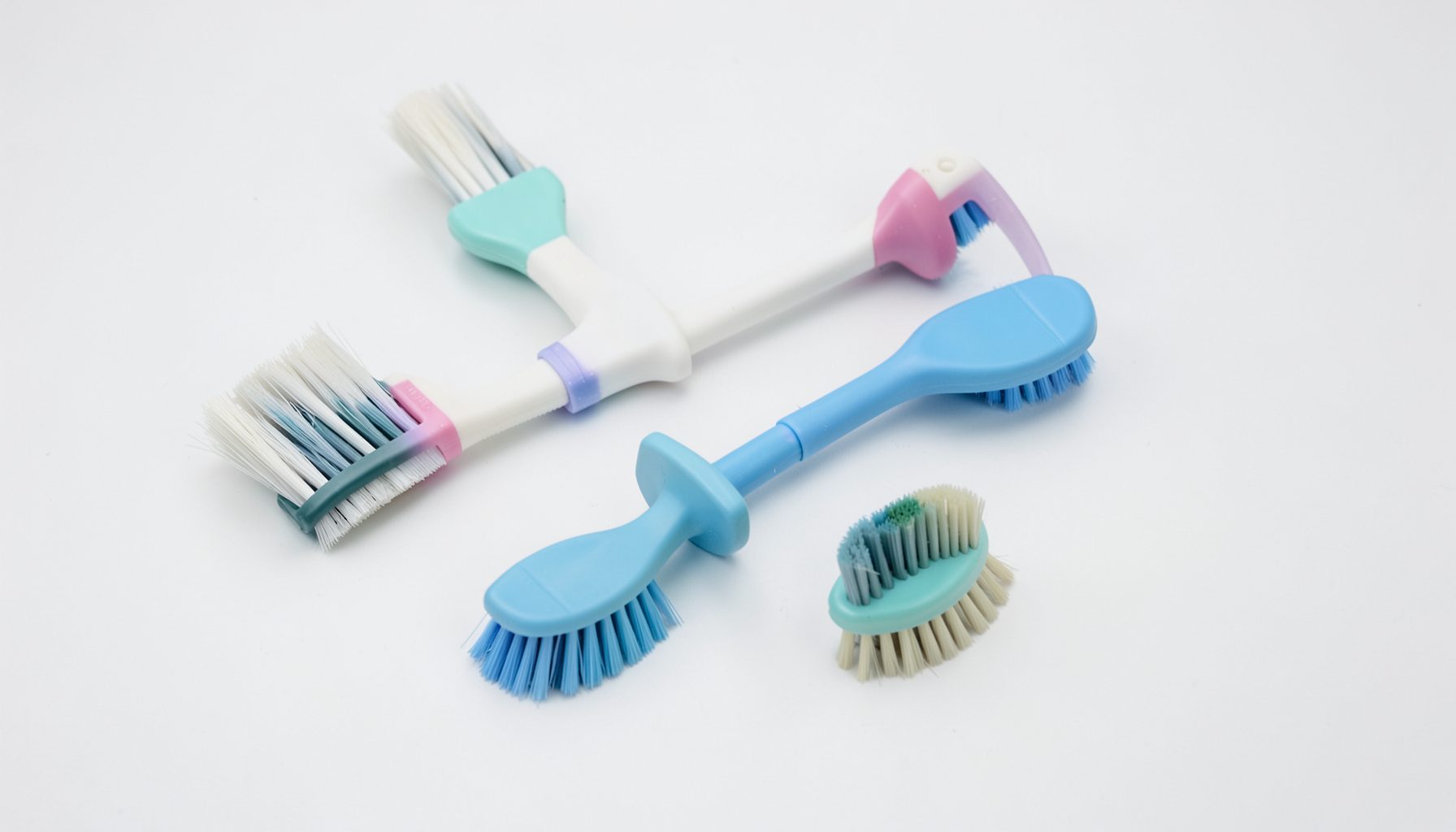
From the basic ResQRinse Nasal Rinse System ($19.99) to 90-day complete kits, saline packets, cleaning brushes, and Sinoptim Nasal Mist.
Browse all products →Get Started with ResQRinse
Ready to experience a better nasal rinse? Fill out the form below and we'll help you find the right product — or follow the simple steps to begin rinsing today.
Request More Information
How to Use ResQRinse
Fill the Bottle
Fill the ResQRinse squeeze bottle with distilled or previously boiled water and add one premixed saline packet.
Position the Tip
Place the comfort tip gently against one nostril. No head-tilting or awkward neck angles needed.
Squeeze & Breathe
Squeeze the bottle gently while breathing through your mouth. Nasal Lock™ keeps saline in your nasal passages and out of your throat.
Repeat & Clean
Switch nostrils and repeat. After use, rinse the bottle and let it air dry. Use ResQRinse Premium Cleaning Brushes for thorough cleaning.
Why Nasal Rinse Should Be Part of Your Fall Health Prep
As temperatures drop, indoor air becomes drier, seasonal allergens linger, and more time spent inside can expose you to dust, pet dander, and other irritants. These changes often leave the nose feeling blocked, dry, or overly reactive. A simple nasal care routine can help you stay more comfortable as fall gets underway.
Nasal irrigation uses a saline solution to rinse mucus, allergens, and airborne particles from the nasal passages. It does not replace medical treatment for infection or chronic conditions, but it can be a useful part of everyday wellness when performed correctly with safe water and clean equipment.
Preparing before symptoms become disruptive makes the habit easier to maintain. Adding nasal rinse supplies to your fall health checklist can give your household a practical option for congestion, allergy discomfort, and the effects of dry indoor air.
Why Fall Changes Nasal Comfort
Fall brings several conditions that can affect the upper airways. Ragweed and other seasonal pollens may remain active, while cooler weather encourages people to keep windows closed and spend more time around heating systems. Indoor air can become dry, and dust may circulate when homes are cleaned or heating equipment is turned on after months of limited use.
These irritants can collect in the nose and contribute to sneezing, stuffiness, postnasal drainage, or a scratchy feeling. A saline rinse helps flush the nasal passages without adding medication. Because saline is designed to be gentle on nasal tissue, it can be useful when the goal is to remove unwanted particles and restore moisture.
Air quality can add another reason to prepare. Smoke from wildfires, fireplaces, or seasonal burning may irritate the nose and throat. A smoke relief guide can provide additional context, though anyone with breathing difficulty, chest pain, or severe exposure symptoms should seek prompt medical care.
How Saline Rinsing Supports Daily Airway Care
A nasal rinse works through gentle irrigation rather than forceful blowing. Saline solution moves through one nostril and out the other, carrying loosened mucus and particles with it. This can reduce the buildup that makes nasal breathing feel difficult, especially after time outdoors or exposure to dusty indoor environments.
Rinsing may also help moisturize nasal passages when dry air causes irritation. It can be especially useful before bed if congestion interferes with comfortable sleep, or after outdoor activities when pollen and other particles may remain in the nose. Results vary, and a rinse should feel comfortable rather than painful or pressurized.
People with allergies, recurrent sinus symptoms, or frequent congestion may use irrigation as one element of a broader care plan. It is wise to follow advice from a healthcare professional when symptoms are persistent, severe, or connected to a diagnosed condition. Nasal rinsing should support appropriate care, not delay it.
Select A Rinse System For Your Household
The best system is one that fits your routine, feels easy to control, and can be cleaned thoroughly after every use. Squeeze bottles allow users to regulate flow with gentle pressure and are often convenient for travel or daily use. A child-sized option may make the process less intimidating for younger users, while saline packets simplify preparation by providing a measured blend.
ResQRinse systems include Nasal Lock technology, designed to help create a comfortable seal during use. A secure fit can make it easier to direct the saline solution through the nasal passages while reducing unnecessary leaking. As with any nasal irrigation device, users should read the instructions and avoid squeezing harder than recommended.
| Option | Useful For | Seasonal Preparation Benefit |
|---|---|---|
| Adult squeeze bottle | Daily congestion and allergy care | Easy to keep ready during pollen season |
| Children’s rinse system | Families with younger users | A size and format suited to children |
| Pre-measured saline packets | Consistent solution preparation | Convenient for home, work, or travel |
| Complete rinse kit | Starting a regular routine | Combines core supplies in one purchase |
| Nasal mist | Light moisture support | Handy for dry indoor air and quick refreshment |
Traditional neti pots can work for some people, but they require careful pouring and may feel less intuitive to use. A squeeze-bottle system gives more direct control over the flow. Whichever format you choose, comfort, cleanliness, and correct solution preparation matter more than the style of device.
Use Safe Water And Clean Equipment
Water safety is essential for nasal irrigation. Use distilled or sterile water, or tap water that has been boiled and cooled according to public health guidance. Do not use untreated tap water directly in a nasal rinse. The saline packet should be mixed in the amount of water specified by the product instructions so the solution is comfortable and properly balanced.
Wash your hands before preparing the rinse. After use, empty the bottle, rinse all parts with safe water, and allow them to air-dry fully in a clean area. A cleaning brush can help reach the inside of the bottle and other difficult-to-clean components. Replace equipment as directed or sooner if it becomes cracked, cloudy, damaged, or difficult to clean.
During the rinse, lean over a sink and breathe through your mouth. Keep the mouth slightly open and use gentle pressure. Stop if you experience sharp pain, significant ear pressure, nosebleeding, or worsening discomfort. A small amount of temporary drainage after rinsing can be normal, but ongoing problems deserve medical advice.
Build A Practical Seasonal Routine
A fall routine does not need to be complicated. Some people prefer to rinse after spending time outdoors, while others find it most useful in the evening. The right frequency depends on your symptoms, environment, and healthcare provider’s guidance. Using a rinse occasionally may be enough for mild seasonal irritation; frequent or long-term use should be discussed with a professional if symptoms continue.
Keep the device and saline packets in a visible, dry location rather than hidden in a crowded cabinet. Store supplies away from heat and moisture, and check expiration dates before the season begins. If several family members use nasal irrigation, each person should have an appropriately sized device and should not share bottles.
The ResQRinse blog offers additional educational material about nasal care, product use, and seasonal concerns. Reviewing instructions before the first use can help you establish a calm, consistent routine instead of trying to learn the process while dealing with intense congestion.
Simple Habits That Strengthen Your Routine
Nasal irrigation works best when combined with basic measures that reduce irritation and support comfortable breathing. Staying hydrated, washing hands regularly, changing HVAC filters as recommended, and keeping sleeping areas reasonably free of dust can all complement saline care. During high-pollen days, showering and changing clothes after outdoor activities may reduce the amount of allergen carried indoors.
Use these habits to make fall preparation more reliable:
- Check your rinse bottle, cap, and cleaning brush for damage before seasonal symptoms increase.
- Keep sterile or distilled water and fresh saline packets available at home.
- Rinse after heavy outdoor exposure when pollen, dust, or smoke may have irritated your nose.
- Label children’s devices clearly and teach them never to share equipment.
- Record recurring symptoms so you can discuss patterns with a healthcare professional.
A routine should remain comfortable and realistic. If nasal rinsing becomes painful, causes repeated bleeding, or seems to worsen symptoms, stop and seek guidance rather than increasing pressure or frequency.
Know When Symptoms Need Medical Attention
Congestion caused by ordinary seasonal irritation often improves with time and supportive care. However, symptoms that persist, repeatedly return, or interfere with sleep and daily activities may indicate allergies, sinus disease, structural concerns, or another condition requiring evaluation. A healthcare professional can help identify the cause and recommend treatment.
Seek prompt care for severe facial swelling, vision changes, intense headache, high fever, confusion, breathing difficulty, or symptoms following a significant smoke or chemical exposure. Nasal irrigation is not appropriate as a substitute for emergency care. It should also be used cautiously after nasal surgery or when a clinician has advised against it.
Making nasal care part of fall preparation gives you a straightforward way to respond to common environmental triggers. Choose a comfortable system, prepare saline with safe water, clean the equipment carefully, and follow the product directions each time. Explore ResQRinse products and keep the supplies you need ready before cooler weather and seasonal irritants become a daily concern.