ResQRinse is the nasal irrigation squeeze bottle that eliminates head-tilting and awkward neck positions. Using proprietary Nasal Lock™ technology, it delivers a comfortable, gag-free sinus cleanse — no more saline dripping down your throat.

Relief From Fall Sneezes
Now sold on Walmart.com. Free shipping on orders $30+. Try ResQRinse today with your everyday purchases.
Shop at WalmartWhy ResQRinse?
Nasal rinsing helps relieve congestion from colds, allergies, sinusitis, hay fever, and environmental pollutants. ResQRinse makes it comfortable enough to become a daily habit.
Nasal Lock™ Technology
Isolates sinuses from the throat using natural choanal occlusion — like inflating a balloon — so saline stays where it belongs.
Learn more →
Drug-Free Relief
Uses premixed saline packets with distilled water. No medications, no preservatives — just a natural cleanse for your nasal passages.
How to rinse →
For Kids Too
ResQRinse for Kids features a comfort nasal tip right-sized for smaller nostril openings, making rinsing gentle and easy for children.
Shop kids' version →
Breath-Controlled Flow
You control the saline flow with your own breath pressure — high volume, low pressure irrigation that's comfortable and effective.
Watch how-to videos →
Better Compliance
Designed to overcome the gagging and discomfort that cause people to abandon traditional neti pots and nasal rinse systems.
Our story →
Complete Kits Available
From the basic ResQRinse Nasal Rinse System ($19.99) to 90-day complete kits, saline packets, cleaning brushes, and Sinoptim Nasal Mist.
Browse all products →Get Started with ResQRinse
Ready to experience a better nasal rinse? Fill out the form below and we'll help you find the right product — or follow the simple steps to begin rinsing today.
Request More Information
How to Use ResQRinse
Fill the Bottle
Fill the ResQRinse squeeze bottle with distilled or previously boiled water and add one premixed saline packet.
Position the Tip
Place the comfort tip gently against one nostril. No head-tilting or awkward neck angles needed.
Squeeze & Breathe
Squeeze the bottle gently while breathing through your mouth. Nasal Lock™ keeps saline in your nasal passages and out of your throat.
Repeat & Clean
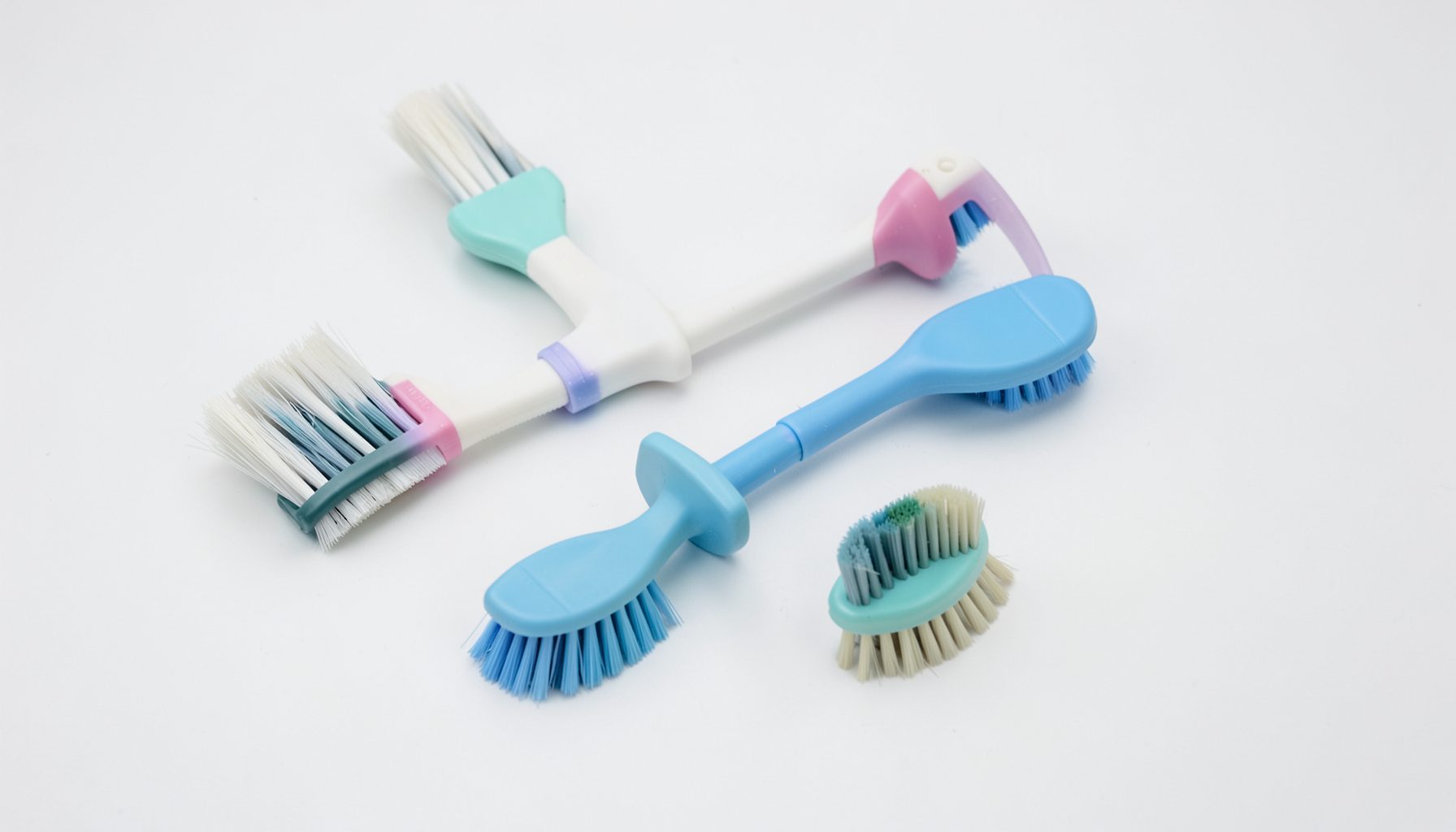
Switch nostrils and repeat. After use, rinse the bottle and let it air dry. Use ResQRinse Premium Cleaning Brushes for thorough cleaning.
Why Water Safety Matters When Rinsing Your Nose
Nasal irrigation can wash away mucus, pollen, dust, and other irritants that contribute to congestion. A squeeze-bottle rinse system can make this routine simple, but the water placed inside it deserves careful attention. The liquid passes through sensitive nasal passages, so it should be clean, safe, and prepared correctly every time.
Distilled or appropriately boiled water helps reduce the risk of introducing harmful microorganisms into the nose. This is especially important because tap water can be safe to drink while still containing organisms that should not enter the nasal passages. Choosing the right water is one of the most important parts of a comfortable, responsible sinus rinse routine.
Why drinking water is not always suitable for nasal rinsing
Municipal tap water is treated for drinking, but drinking and nasal irrigation expose the body to water in different ways. When swallowed, stomach acid and the digestive system provide additional defenses. During a nasal rinse, water may contact the sinus openings and nasal tissues directly, creating a different safety consideration.
Rare but serious infections have been associated with nasal rinsing using contaminated water. The risk is extremely low when safe water practices are followed, yet the potential consequences make prevention worthwhile. Water from a private well, untreated source, or questionable supply requires particular caution.
Filtered water is not automatically safe for nasal irrigation. Many household filters improve taste or reduce certain chemicals, but they may not remove every microorganism. Unless a filtration system is specifically rated for microbial safety, distilled, sterile, or boiled-and-cooled water is the more dependable choice.
How distilled water supports a safer rinse
Distilled water is produced through a process that removes many minerals, impurities, and microorganisms from the original water. Store-bought distilled water labeled for household use is convenient because it can be poured directly into a nasal rinse bottle without boiling. Sterile water may also be appropriate when the packaging indicates that it is intended for this type of use.
The water should be used before its container has been contaminated. Keep the bottle closed between uses, avoid touching the opening, and pour the needed amount into a clean rinse device. Do not leave water sitting in the squeeze bottle for extended periods, since a clean starting source does not prevent contamination from a poorly maintained container.
Distilled water can also reduce mineral buildup inside the bottle and cap. That may help preserve smooth water flow and make cleaning easier, particularly when a household has hard water. It does not replace regular washing, drying, or inspection of the nasal irrigation system.
How to boil and cool water correctly
When distilled or sterile water is unavailable, tap water can generally be made safer for nasal irrigation by boiling it. Bring the water to a rolling boil and maintain the boil for the duration recommended by current public health guidance, commonly one minute. At higher elevations, a longer boiling time may be advised.
After boiling, let the water cool to lukewarm or room temperature before mixing the saline solution. Hot water can burn delicate nasal tissue and may damage some plastic components. Never estimate the temperature by placing the bottle against the skin alone; test carefully and allow additional cooling time when necessary.
Store boiled water in a clean, covered container. Use it within the timeframe recommended by your local health authority or the product instructions, and discard it if it develops an unusual odor, appearance, or taste. Reboiling water does not make a dirty bottle safe, so the container used for storage must also be clean.
| Water source | Suitable for nasal rinsing? | Important considerations |
|---|---|---|
| Commercial distilled water | Yes | Use a sealed, in-date container and keep it covered |
| Commercial sterile water | Yes | Follow the label and avoid contaminating the opening |
| Tap water used directly | Not recommended | Drinking-water treatment does not guarantee nasal-rinse safety |
| Boiled and cooled tap water | Generally suitable | Cool fully, store covered, and follow local guidance |
| Well or untreated surface water | No, unless properly treated | Boil or use a validated method before use |
| Water from an ordinary home filter | Not automatically | Check whether the system removes microorganisms |
Saline packets matter as much as the water
Plain water can sting because it does not match the natural salt balance of nasal tissues. A premeasured saline packet helps create a more comfortable isotonic rinse and reduces the chance of mixing an overly concentrated or overly dilute solution. Use packets designed for nasal irrigation rather than table salt, flavored salt, or improvised ingredients.
Follow the packet and device directions for the amount of water. Adding too little water can make the solution harsh, while adding too much may reduce comfort and effectiveness. A lukewarm solution is usually more pleasant than very cold or hot water, especially when the nose is already irritated.
Never add medication, essential oils, hydrogen peroxide, or other substances unless a qualified healthcare professional specifically instructs you to do so. These ingredients can irritate nasal tissue or create unwanted reactions. For children, use an age-appropriate system and supervise the process closely.
Device hygiene protects the water you prepared
Safe water loses its value if it is poured into a contaminated squeeze bottle. After each use, empty leftover solution, rinse the components as directed, and allow them to air-dry completely. Moist, enclosed spaces can encourage microbial growth, so storing the bottle while it is still wet should be avoided.
The bottle, cap, nozzle, and any Nasal Lock components should be inspected regularly for residue, cloudiness, cracks, or changes in texture. Replace parts according to the manufacturer’s instructions or sooner if they cannot be cleaned thoroughly. A nasal rinse device is a personal-use item and should not be shared, even within a household.
For a detailed routine covering disassembly, washing, and drying, follow these cleaning instructions. Product demonstrations can also clarify how to hold the bottle, control pressure, and position the nozzle; ResQRinse provides rinse demonstrations for practical guidance.
Making nasal irrigation comfortable and consistent
Water safety is essential, but technique also affects comfort. Lean over a sink, keep the mouth open, and breathe through the mouth while gently squeezing. Avoid forcing the bottle if the nose is completely blocked, and stop if you experience sharp pain, significant ear pressure, or persistent bleeding.
A small amount of drainage after rinsing is common. Gently blow the nose afterward rather than blowing forcefully, which can push fluid toward the ears or irritate swollen tissue. Clean and dry the device after use, and avoid using a rinse system when its components are visibly damaged.
Travel requires extra planning because unfamiliar water supplies and cramped storage can make safe preparation harder. Pack sealed distilled or sterile water when practical, or plan access to a reliable source for boiling and cooling. This travel packing guide can help organize saline packets, the bottle, cleaning items, and water-safety essentials.
Simple habits for safer rinsing
- Choose distilled, sterile, or properly boiled and cooled water for every rinse.
- Mix the water only with the recommended saline packet and follow the device directions.
- Wash, rinse, and air-dry the bottle and cap after each use.
- Keep water containers covered and avoid touching their openings.
- Stop and seek medical advice for severe pain, repeated nosebleeds, fever, or symptoms that worsen.
ResQRinse systems are designed to make nasal irrigation easier to use at home or away, with options for adults, children, saline preparation, cleaning, and portable routines. Start with safe water, use the correct saline mixture, and maintain the device carefully. Explore the ResQRinse range through Walmart or Amazon and build a nasal-care routine that puts clean preparation and comfortable relief first.