ResQRinse is the nasal irrigation squeeze bottle that eliminates head-tilting and awkward neck positions. Using proprietary Nasal Lock™ technology, it delivers a comfortable, gag-free sinus cleanse — no more saline dripping down your throat.

Relief From Fall Sneezes
Now sold on Walmart.com. Free shipping on orders $30+. Try ResQRinse today with your everyday purchases.
Shop at WalmartWhy ResQRinse?
Nasal rinsing helps relieve congestion from colds, allergies, sinusitis, hay fever, and environmental pollutants. ResQRinse makes it comfortable enough to become a daily habit.
Nasal Lock™ Technology
Isolates sinuses from the throat using natural choanal occlusion — like inflating a balloon — so saline stays where it belongs.
Learn more →
Drug-Free Relief
Uses premixed saline packets with distilled water. No medications, no preservatives — just a natural cleanse for your nasal passages.
How to rinse →
For Kids Too
ResQRinse for Kids features a comfort nasal tip right-sized for smaller nostril openings, making rinsing gentle and easy for children.
Shop kids' version →
Breath-Controlled Flow
You control the saline flow with your own breath pressure — high volume, low pressure irrigation that's comfortable and effective.
Watch how-to videos →
Better Compliance
Designed to overcome the gagging and discomfort that cause people to abandon traditional neti pots and nasal rinse systems.
Our story →
Complete Kits Available
From the basic ResQRinse Nasal Rinse System ($19.99) to 90-day complete kits, saline packets, cleaning brushes, and Sinoptim Nasal Mist.
Browse all products →Get Started with ResQRinse
Ready to experience a better nasal rinse? Fill out the form below and we'll help you find the right product — or follow the simple steps to begin rinsing today.
Request More Information
How to Use ResQRinse
Fill the Bottle
Fill the ResQRinse squeeze bottle with distilled or previously boiled water and add one premixed saline packet.
Position the Tip
Place the comfort tip gently against one nostril. No head-tilting or awkward neck angles needed.
Squeeze & Breathe
Squeeze the bottle gently while breathing through your mouth. Nasal Lock™ keeps saline in your nasal passages and out of your throat.
Repeat & Clean
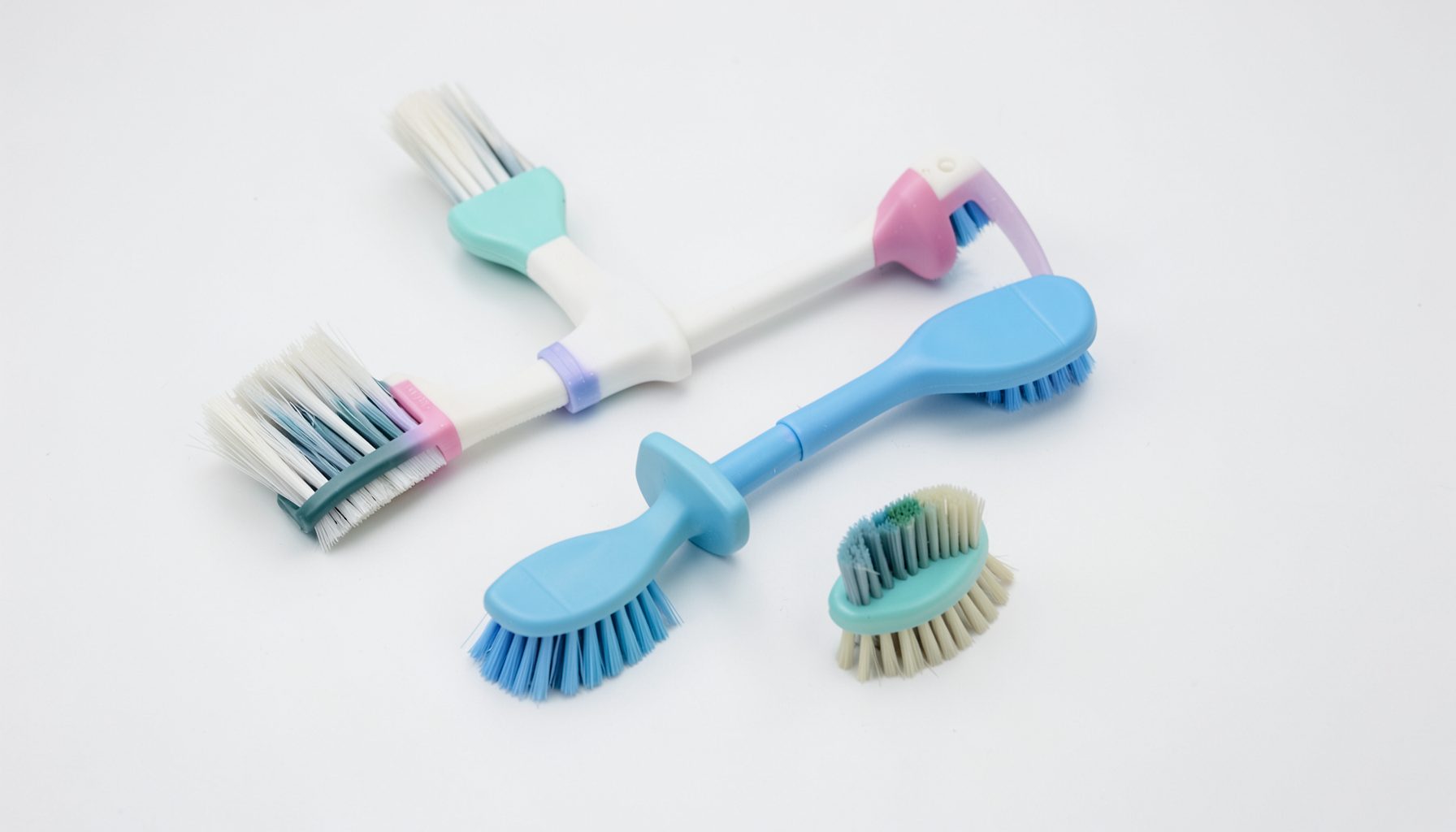
Switch nostrils and repeat. After use, rinse the bottle and let it air dry. Use ResQRinse Premium Cleaning Brushes for thorough cleaning.
Xylitol in nasal rinses for better breathing and comfort
Nasal irrigation uses a controlled flow of sterile or properly prepared liquid to moisten the lining of the nose, loosen mucus and clear trapped pollen, dust and other irritants. A squeeze bottle or traditional neti pot can make rinsing gentler and more repeatable than trying to force air through passages that feel swollen, crusty or blocked. Used with the right technique, it supports the nose’s natural mucus-clearing system and may ease pressure around the cheeks and forehead.
Xylitol is a sugar alcohol used as a sweetener and as a moisturising ingredient in some nasal products. Adding xylitol to a nasal rinse solution may help the mucosa stay hydrated while the liquid washes away mucus and irritants. Laboratory and nasal-spray research also suggests antimicrobial and anti-inflammatory potential, although evidence for xylitol specifically as an irrigation solution is less extensive than the evidence for plain saline. The practical question is whether its comfort and moisturising benefits justify the formulation and cost for your symptoms.
Why dry nasal passages cause discomfort
Dry air can impair the thin layer of mucus that protects nasal tissue. When that layer evaporates, passages can become tender, and mucus may thicken into crusts that narrow the airway or trigger coughing after a shower. Irritation can also reduce the smooth movement of cilia, the tiny hairs that help move mucus toward the throat. Rinsing during a dry spell can replace moisture and clear material before it accumulates.
Australian weather makes the problem familiar in several settings. Air-conditioned Sydney and Melbourne offices can become very dry during summer, while heated rooms at night may add further strain. Brisbane’s humid seasons create a different pattern, with dampness sometimes alternating with air-conditioned interiors. Understanding how dry-air sinus relief works can help distinguish the need for moisture from repeated exposure to smoke, dust or allergens. Sydney bushfire smoke and Melbourne’s spring pollen seasons add irritants that washing alone cannot eliminate.
A saline rinse usually works mainly by loosening mucus and rinsing the nasal cavity. A mild hypertonic solution can draw water into swollen tissue and may reduce congestion, yet it can also sting or dry the nose if used too often or at the wrong strength. Xylitol adds another way to support comfort: it can attract and hold water within the rinse and leave the lining feeling less stripped after drainage. For someone whose main complaint is dryness rather than a heavy infection, that difference may matter.
What xylitol adds to saline irrigation
Xylitol is a five-carbon sugar alcohol, so it is not the same as table sugar. It has useful properties in nasal research: it can bind water, support an even osmotic balance and interfere with the attachment of some bacteria and fungi to tissue. These findings explain why it appears in nasal sprays and moisturising formulations. Adding it to an irrigation rinse may offer gentle hydration, a more comfortable rinse and potentially fewer organisms held in the mucus layer.
The most immediate benefit is comfort. A formulation containing xylitol may feel less drying than plain water or an overly strong salt solution, especially when the nose has been irritated by antihistamines, air conditioning, viral illness or frequent blowing. It may also reduce crusting and the sensation of blockage caused by swollen tissue. People managing hay fever, chronic rhinitis or recurring sinus symptoms can use the extra moisture alongside saline, provided the product is made for nasal rinsing.
Keep expectations realistic. Saline has a long record of use and remains the standard foundation of nasal irrigation; xylitol has smaller, more targeted evidence, much of it based on sprays rather than squeeze bottles. It should not be presented as a cure for sinusitis or a replacement for prescribed treatment. Its usefulness depends on concentration, pH, the other ingredients and the device. A commercial rinse labelled for nasal use is preferable to changing a packet at home, because an incorrect amount can make the solution hypotonic, hypertonic or unsuitable for regular use.
Australian climates, routines and shopping habits
Everyday Australian triggers often combine several factors. A commuter may encounter road dust, then spend the day in a sealed air-conditioned office before returning to a home heated in winter. Pollen, mould, pet dander and cigarette smoke can add to the load, while dehydration and repeated nose-blowing make the remaining lining sensitive. A rinse works best as part of this wider routine: rinse, allow the nose to drain gently, and avoid immediately stuffing tissues or sprays into the passages.
Australians commonly compare pharmacy shelves, supermarkets and online marketplaces before buying health products. An overseas catalogue such as Canadian pharmacy listings can be useful for seeing how rinse bottles, packets and children’s versions are packaged, but it should be treated only as a product comparison. Cross-border purchases may have different labelling, no local returns address and extra GST or freight charges. Check the ingredients and instructions rather than assuming an imported version matches an Australian product.
The Therapeutic Goods Administration regulates many therapeutic products in Australia, and eligible products appear in the Australian Register of Therapeutic Goods. A nasal device or rinse may be subject to different requirements depending on its intended claims, so the label and manufacturer’s instructions matter. Pharmacists can also advise on available saline, xylitol and children’s systems and help distinguish routine congestion from symptoms that need medical review. Persistent one-sided blockage, facial swelling, high fever or bleeding deserves prompt advice from a GP or other clinician.
Using a xylitol rinse safely
Water safety is the first concern in every rinse, including in Australia. Municipal tap water is generally treated, but it is not sterile, and temporary boil-water notices can affect particular suburbs or cities. Use sterile water or distilled water, or water that has been boiled and cooled exactly as directed by current public-health advice; never use hot water in a squeeze bottle. This is particularly important for people with weakened immunity, after surgery or when a clinician has recommended irrigation. The full squeeze-bottle valve guide also helps when checking that the cap seals properly and the bottle stops cleanly instead of leaking or delivering an unpredictable surge.
Prepare only the volume needed for one rinse, and use a commercial product whose directions specify whether xylitol is already included. Do not add an arbitrary spoonful to a saline packet, since changing the concentration can irritate the mucosa and changing the volume can alter the rinse. Wash the bottle with hot soapy water after every use, rinse it thoroughly, let it air-dry completely and keep the device open to dry. Replace a cracked bottle or worn valve rather than trying to seal it with tape or adhesive.
Lean slightly forward over a sink, turn the head to one side and insert the nozzle only as far as comfortable. A squeeze bottle usually gives more control than a traditional neti pot because its flow can be paused before the tip enters the passage. Use a gentle stream, breathe through the mouth and stop if there is sharp pain, bleeding or significant ear pressure. For children, choose an age-appropriate system, supervise every rinse and never force a stream into a resisting nostril. Discontinue a product if it causes persistent irritation or worsening symptoms.
Choosing a bottle and building a consistent routine
A good system is easy to clean, comfortable to hold and capable of delivering a steady flow. Look for a replaceable valve, a wide bottle opening and clear volume markings. ResQRinse highlights its Nasal Lock technology, so buyers should read how the flow is controlled and whether the valve can be reached easily for cleaning. A squeeze bottle may suit adults who want controlled pressure, while a larger reservoir can be convenient for full irrigation. The range includes children’s versions, saline packets, cleaning brushes, complete kits and nasal mist.
Its products are available for online purchase through Walmart and Amazon. Australian buyers should verify whether the seller ships locally or internationally, whether prices include GST and delivery, and how returns are handled. Read the manufacturer’s instructions, ingredient list, expiry details and cleaning recommendations before use. A low price can be poor value if replacement packets are difficult to find or the valve is difficult to wash, and marketplace listings should be compared with products carrying clear Australian contact information.
Community clinics, schools and workplaces can reinforce good technique with printed take-home instructions; a service such as Ruhi Hand Printers may be worth contacting for a print quote, with only approved usage and water-safety guidance included. For your own routine, select a validated squeeze-bottle system, follow its water and cleaning directions, and use a fresh saline or properly formulated xylitol rinse at the frequency stated on the label. Consistent, gentle care is the practical route to more comfortable nasal passages and easier breathing.