ResQRinse is the nasal irrigation squeeze bottle that eliminates head-tilting and awkward neck positions. Using proprietary Nasal Lock™ technology, it delivers a comfortable, gag-free sinus cleanse — no more saline dripping down your throat.

Relief From Fall Sneezes
Now sold on Walmart.com. Free shipping on orders $30+. Try ResQRinse today with your everyday purchases.
Shop at WalmartWhy ResQRinse?
Nasal rinsing helps relieve congestion from colds, allergies, sinusitis, hay fever, and environmental pollutants. ResQRinse makes it comfortable enough to become a daily habit.
Nasal Lock™ Technology
Isolates sinuses from the throat using natural choanal occlusion — like inflating a balloon — so saline stays where it belongs.
Learn more →
Drug-Free Relief
Uses premixed saline packets with distilled water. No medications, no preservatives — just a natural cleanse for your nasal passages.
How to rinse →
For Kids Too
ResQRinse for Kids features a comfort nasal tip right-sized for smaller nostril openings, making rinsing gentle and easy for children.
Shop kids' version →
Breath-Controlled Flow
You control the saline flow with your own breath pressure — high volume, low pressure irrigation that's comfortable and effective.
Watch how-to videos →
Better Compliance
Designed to overcome the gagging and discomfort that cause people to abandon traditional neti pots and nasal rinse systems.
Our story →
Complete Kits Available
From the basic ResQRinse Nasal Rinse System ($19.99) to 90-day complete kits, saline packets, cleaning brushes, and Sinoptim Nasal Mist.
Browse all products →Get Started with ResQRinse
Ready to experience a better nasal rinse? Fill out the form below and we'll help you find the right product — or follow the simple steps to begin rinsing today.
Request More Information
How to Use ResQRinse
Fill the Bottle
Fill the ResQRinse squeeze bottle with distilled or previously boiled water and add one premixed saline packet.
Position the Tip
Place the comfort tip gently against one nostril. No head-tilting or awkward neck angles needed.
Squeeze & Breathe
Squeeze the bottle gently while breathing through your mouth. Nasal Lock™ keeps saline in your nasal passages and out of your throat.
Repeat & Clean
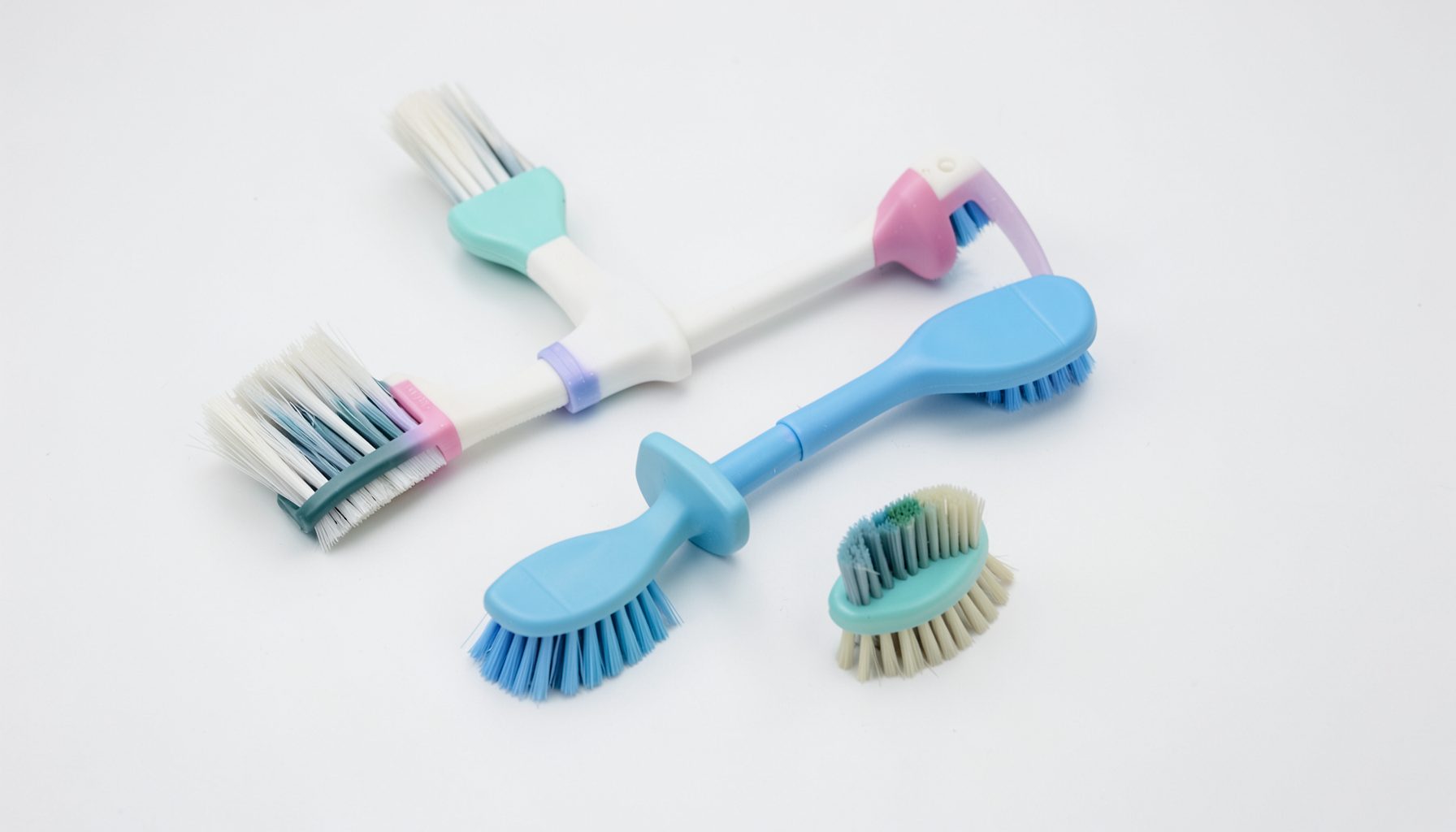
Switch nostrils and repeat. After use, rinse the bottle and let it air dry. Use ResQRinse Premium Cleaning Brushes for thorough cleaning.
What to Look For in a Squeeze Bottle Valve Mechanism
A squeeze bottle nasal rinse system depends on more than bottle shape and saline packets. The valve mechanism determines how water enters the nasal passage, how easily pressure can be controlled, and whether the bottle remains comfortable during use. A well-designed valve should support a steady rinse without sudden spurts, leaks, or awkward adjustments.
When comparing nasal irrigation bottles, examine the fluid pathway as carefully as the bottle capacity. Look for controlled flow, an effective seal, hygienic materials, and a design that works naturally with the user’s hand. These details can make a noticeable difference for adults, children, and anyone managing congestion or seasonal allergies.
How valve design shapes rinse control
The valve is the point where hand pressure becomes a stream of saline. In a basic squeeze bottle, pressing the container pushes fluid through the nozzle. A more refined mechanism regulates that movement so the flow begins smoothly and stays consistent instead of surging at the start.
Flow control matters because nasal passages vary in sensitivity. A forceful stream may feel unpleasant, especially when the nose is irritated or blocked. A controlled valve allows the user to apply gradual pressure and stop quickly when needed. This creates a more predictable nasal wash and makes the device easier to use for first-time users.
A good valve also helps reduce backflow. When the bottle is released or repositioned, a secure closure can limit fluid movement in the wrong direction. This is useful for keeping the exterior cleaner and reducing the chance of spills during a rinse routine.
The core parts of a reliable valve
Several small components can work together in a squeeze bottle valve mechanism. The inlet and outlet openings should be sized to support a stable stream, while the sealing surface needs to close evenly. If the seal is loose, saline can drip from the cap or leak around the nozzle rather than traveling through the intended path.
Many systems use a one-way or check-valve principle. This type of design helps direct liquid forward and reduces unwanted reverse movement. It should respond to normal hand pressure without requiring excessive force. If users must squeeze the bottle aggressively to start the flow, the mechanism may be poorly matched to comfortable nasal irrigation.
An air vent can be equally important. As liquid leaves the container, air must replace it so the bottle does not collapse unpredictably or create an uneven pulse. A balanced air path supports smoother dispensing. The best design keeps the vent discreet and easy to clean rather than adding a complicated component that traps residue.
Comfort, pressure, and nasal lock
Pressure control should be a central consideration when assessing any sinus rinse bottle. The user needs enough force to move saline through one nostril and out the other, but the stream should remain gentle and manageable. Bottle flexibility, nozzle shape, and valve response all influence that balance.
A nasal interface should fit securely without forcing the user to press too hard against the nose. ResQRinse describes its Nasal Lock technology as a way to create a stable seal while supporting controlled delivery. In practical terms, a secure interface can help the user maintain position and avoid fluid escaping around the nostril during use.
The valve should also stop flow promptly when squeezing ends. Delayed dripping can be inconvenient and may make users hesitate to adjust their head position. For families, a responsive mechanism is especially valuable because children may need to pause frequently while learning the correct technique.
Materials, cleaning, and everyday hygiene
A valve mechanism comes into direct contact with saline, so its materials should be durable, smooth, and suitable for repeated rinsing. Interior surfaces with deep grooves or inaccessible chambers can collect mineral deposits and residue. Simpler internal pathways are generally easier to flush and inspect after use.
Cleaning instructions should explain how to wash the bottle, cap, nozzle, and any removable valve pieces. A cleaning brush can help reach narrow openings, but users should not have to disassemble delicate parts every time unless the manufacturer specifically requires it. After washing, components should be allowed to air-dry fully before storage.
Safe water preparation remains essential. Nasal irrigation should use distilled or sterile water, or tap water that has been boiled and cooled according to established public health guidance. Saline packets formulated for nasal rinsing are preferable to improvised mixtures because they are designed for the appropriate concentration and comfort.
For additional product education and care information, the ResQRinse blog offers guidance related to nasal rinsing, saline use, and routine maintenance. Clear instructions are part of a good valve system because even a well-engineered mechanism depends on proper handling.
Comparing valve approaches
Not every squeeze bottle uses the same method to regulate liquid. Some rely mainly on the user’s grip, while others combine flexible bottle walls with a shaped nozzle, air vent, or one-way valve. The right choice depends on how much control, simplicity, and maintenance the user prefers.
| Valve or flow approach | Main advantage | Potential drawback | Best feature to check |
|---|---|---|---|
| Open squeeze outlet | Simple construction and low maintenance | Flow may surge with hard squeezing | Smooth nozzle opening |
| One-way check valve | Helps limit backflow and leakage | May require more careful cleaning | Easy-to-access valve path |
| Vented controlled-flow design | Supports a steadier stream as the bottle compresses | Vent can collect residue if neglected | Clear cleaning instructions |
| Pressure-responsive nasal interface | Can improve comfort and positioning | Fit may vary between users | Secure seal without excessive force |
| Multi-part valve assembly | May offer refined flow control | More pieces can complicate care | Removable, washable components |
A comparison should focus on real use rather than the number of parts. A complex valve is not automatically better if it is difficult to clean or produces inconsistent pressure. Conversely, a simple mechanism can perform well when the bottle, nozzle, seal, and vent are carefully matched.
Look for evidence that the system has been designed around controlled saline delivery. Product instructions, demonstrations, replacement-part information, and customer support can reveal how the valve behaves outside the packaging. A transparent explanation is often more useful than broad claims about advanced technology.
Matching the mechanism to the user
Adults who rinse frequently may prioritize durability, quick cleaning, and a valve that performs consistently over many uses. A bottle with a firm but squeezable body can provide better pressure control than an extremely soft container. The nozzle should remain stable while the bottle is held at the recommended angle.
Children require additional considerations. Smaller hands may struggle with a stiff bottle, while a very flexible bottle can release too much fluid with minimal pressure. A child-focused design should have a comfortable grip, a gentle flow response, and clear supervision guidance. The seal should feel secure without being uncomfortable.
People with severe congestion may also value a mechanism that starts gradually. A full rinse can be useful when the goal is to flush mucus, allergens, or irritants, but it is different from a light nasal mist. The explanation of saline mist and full rinse can help users understand which delivery style fits a particular routine.
Practical buying checklist
Before selecting a nasal irrigation bottle, evaluate the valve as part of the complete system rather than treating it as an isolated feature. Consider whether the flow can be started and stopped easily, whether the seal remains comfortable, and whether all fluid-contact areas can be cleaned thoroughly.
A useful checklist includes:
- A smooth, predictable stream that responds to light, gradual squeezing
- A secure seal or nasal interface that limits leakage without excessive pressure
- A one-way feature or flow path that reduces backflow and dripping
- Accessible surfaces and clear instructions for washing and air-drying
- Materials, bottle size, and grip suited to the intended adult or child user
Also check what comes with the package. Saline packets, a cleaning brush, replacement caps, and clear usage instructions can make a system easier to maintain. If the bottle depends on a specialized valve component, confirm whether replacement parts are available and how long the mechanism is expected to last.
A device should fit the user’s habits. Someone who travels may need a compact kit with a secure cap, while a household may prefer a larger bottle and separate child-friendly option. The strongest choice combines reliable flow control with a routine that users can follow consistently.
When you are ready to compare complete nasal rinse systems, visit the ResQRinse nasal care collection to review bottle options, saline supplies, and accessories. Select a valve design that feels controlled, cleans easily, and supports comfortable use every time.